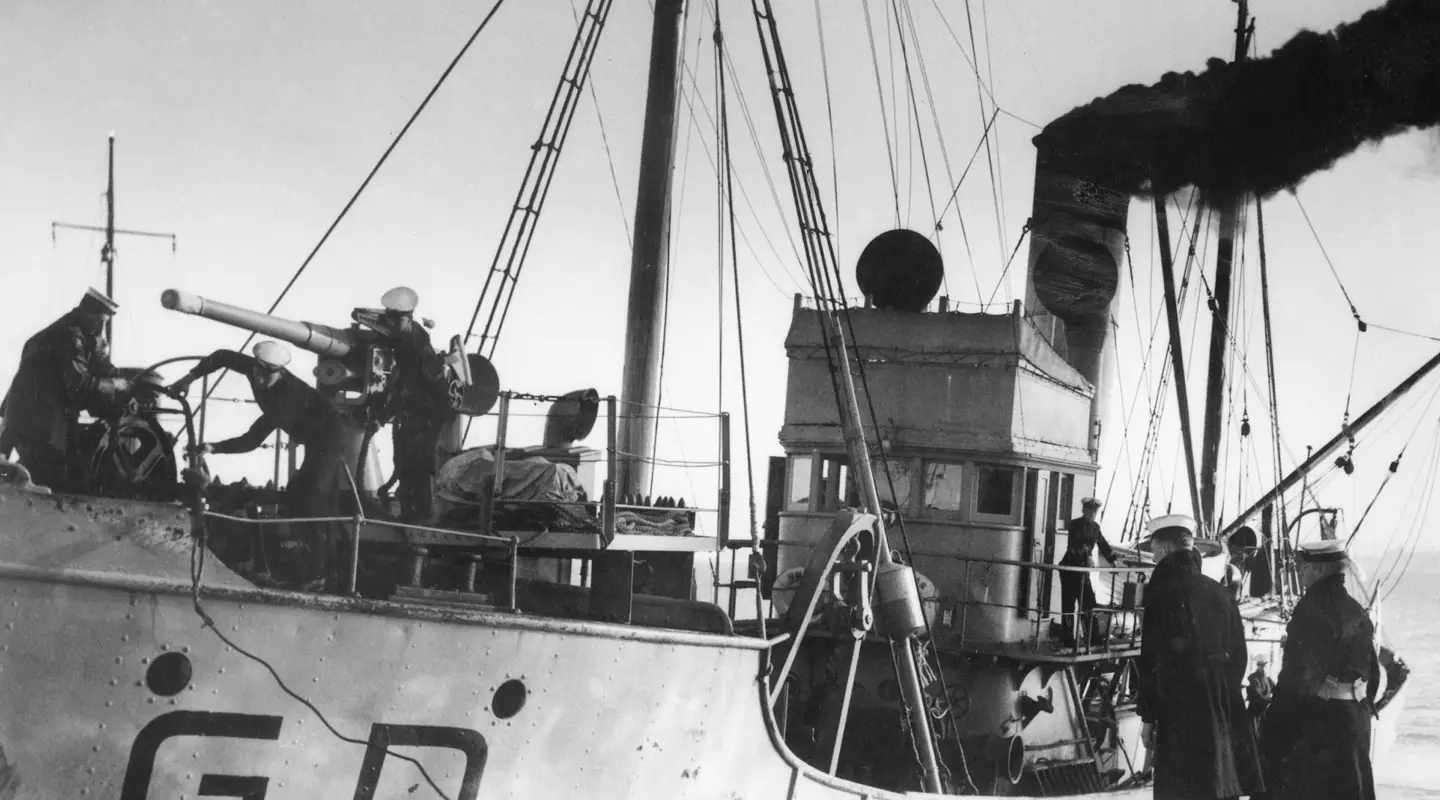
The first ship of the Royal Australian Navy lost in the Second World War.
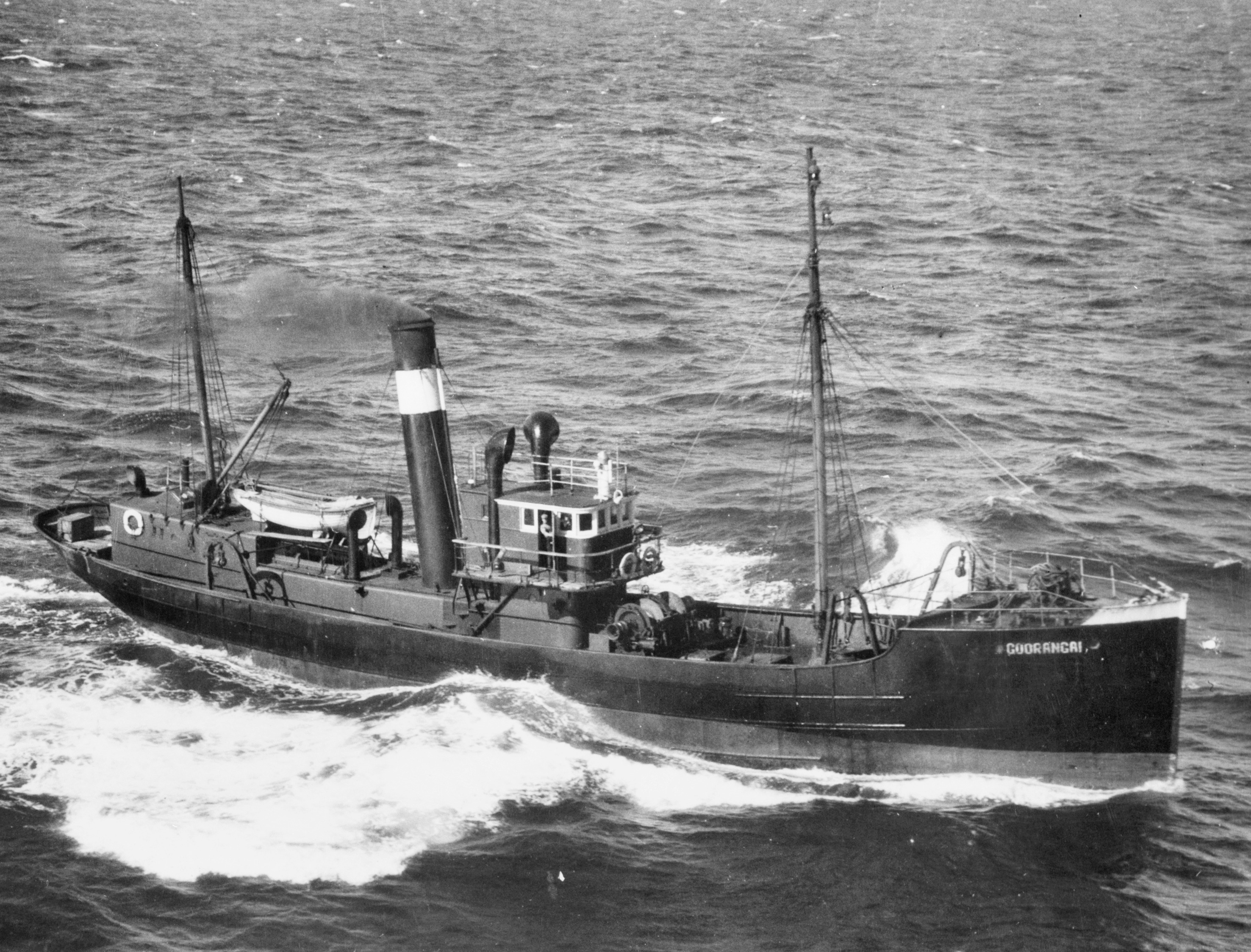
The fishing trawler MV Goorangai was built for the New South Wales Government at the State Dockyard in Newcastle in 1919. At the outbreak of the Second World War in September 1939, the Royal Australian Navy (RAN) requisitioned the ship for naval service and commissioned it as HMAS Goorangai at Melbourne. Fishing trawlers could be fitted for service as auxiliary minesweepers with relative ease, and Goorangai joined Minesweeping Group 54 in Melbourne, operating in Bass Strait.
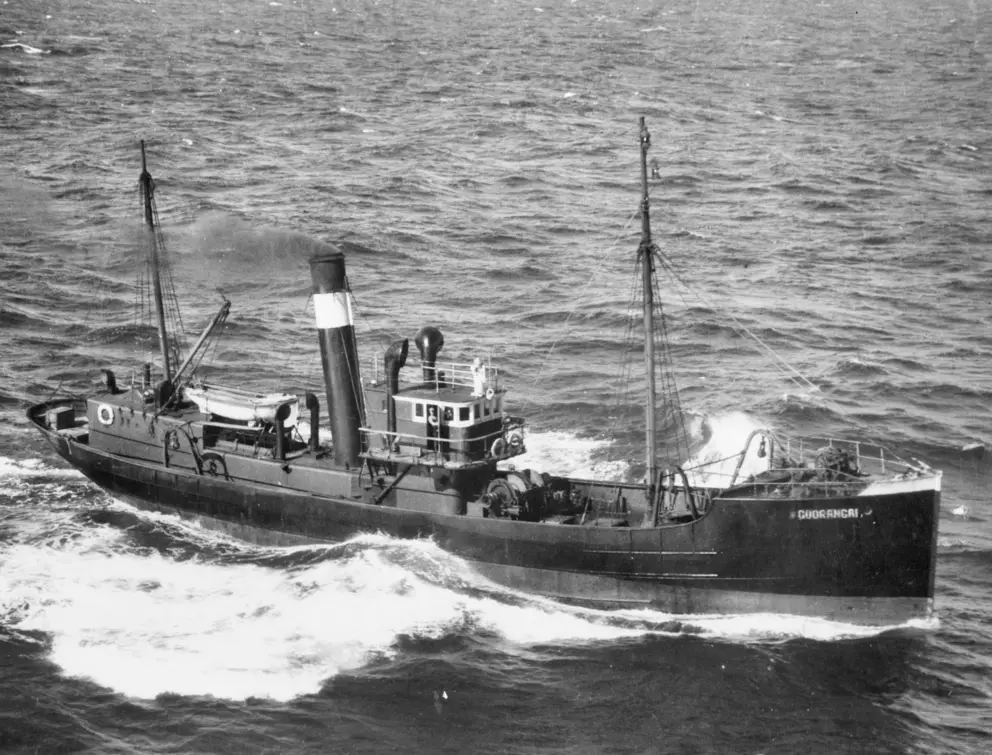
The trawler Goorangai before its naval service.
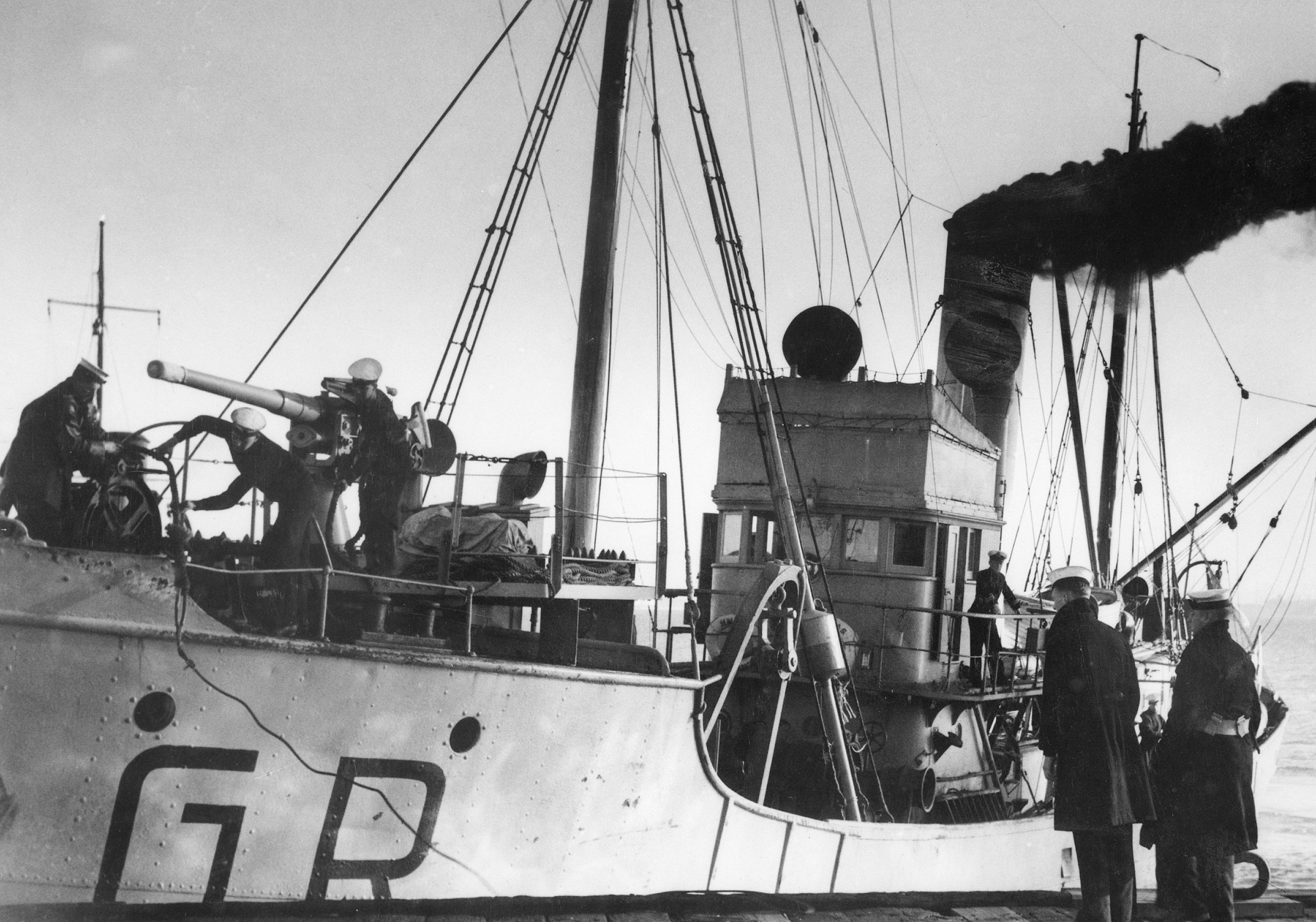
Sea mines were a major threat to Australian sea lines of communication during the Second World War. The German armed merchant raider Pinguin and its auxiliary Passat laid minefields in Australian waters in October and November 1940, including in Bass Strait. Soon afterwards, one American and one British merchant ship were lost to German mines in Bass Strait. Goorangai and similar ships conducted the slow and dangerous work of clearing these minefields.
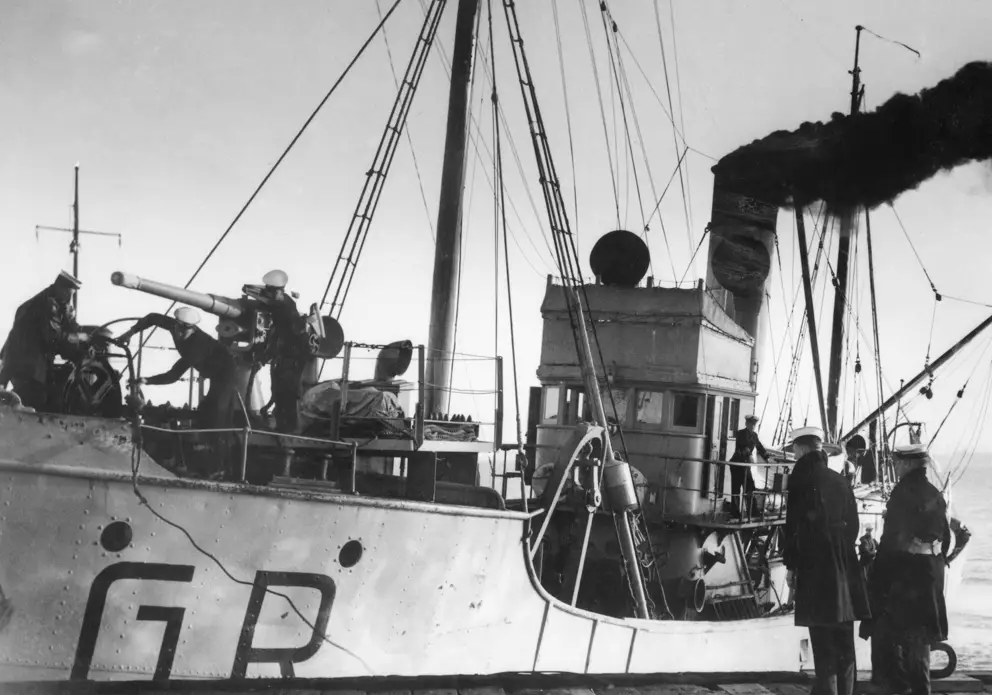
HMAS Goorangai in wartime service, c. 1939.
In the evening of 20 November 1940, while sailing across Port Phillip Bay from Queenscliff to Portsea, Goorangai collided with the passenger liner MV Duntroon, which was outward bound from Melbourne. Goorangai was a small ship, displacing 223 tons; Duntroon displaced more than 10,000 tons.
Travelling with very little lighting as a wartime precaution, Duntroon was almost invisible to the minesweeper. Duntroon’s captain, meanwhile, erroneously believed that he was on a parallel course to Goorangai. By the time he realised his error, it was too late to avoid the collision. The passenger liner struck Goorangai amidships on the port side. Duntroon cut the minesweeper in two and it sank in less than a minute, with the loss of all twenty-four members of the ship’s company. Goorangai was the first ship lost by the RAN in the Second World War.
The wreck of Goorangai lay inside the shipping transit zone in less than fifteen metres of water, and was therefore a hazard to navigation. Early in 1941, the auxiliary minesweeper HMAS Beryl (II) sent divers to the wreck to retrieve salvageable items and, if possible, bodies. Only six bodies could be recovered. Once this work had been completed, the wreck was demolished by explosive charges.
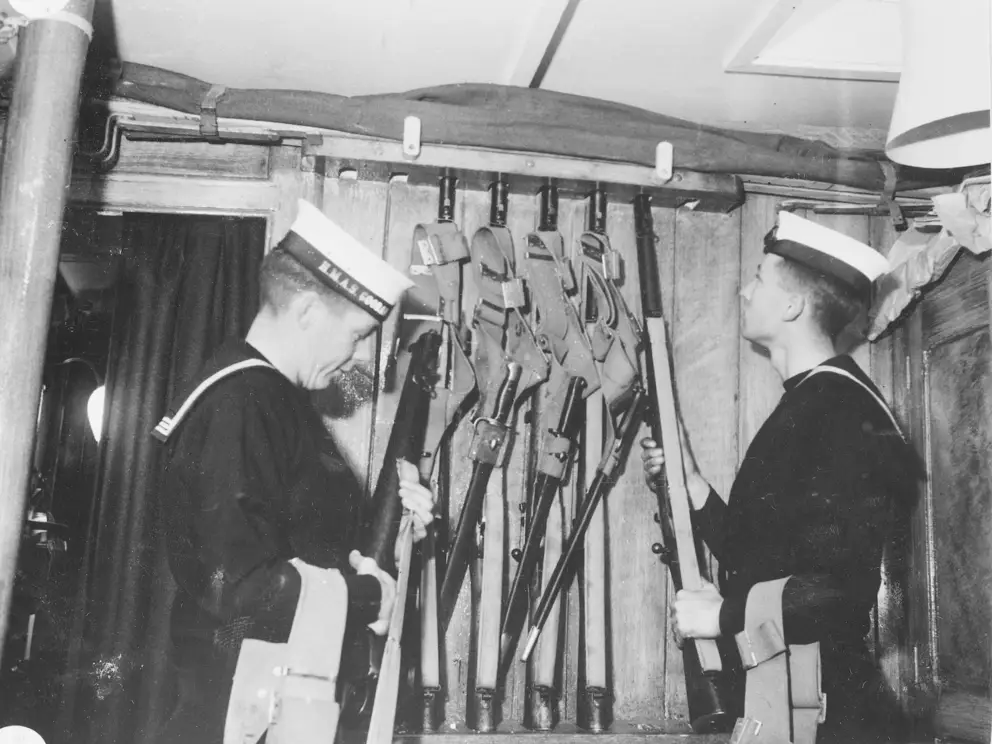
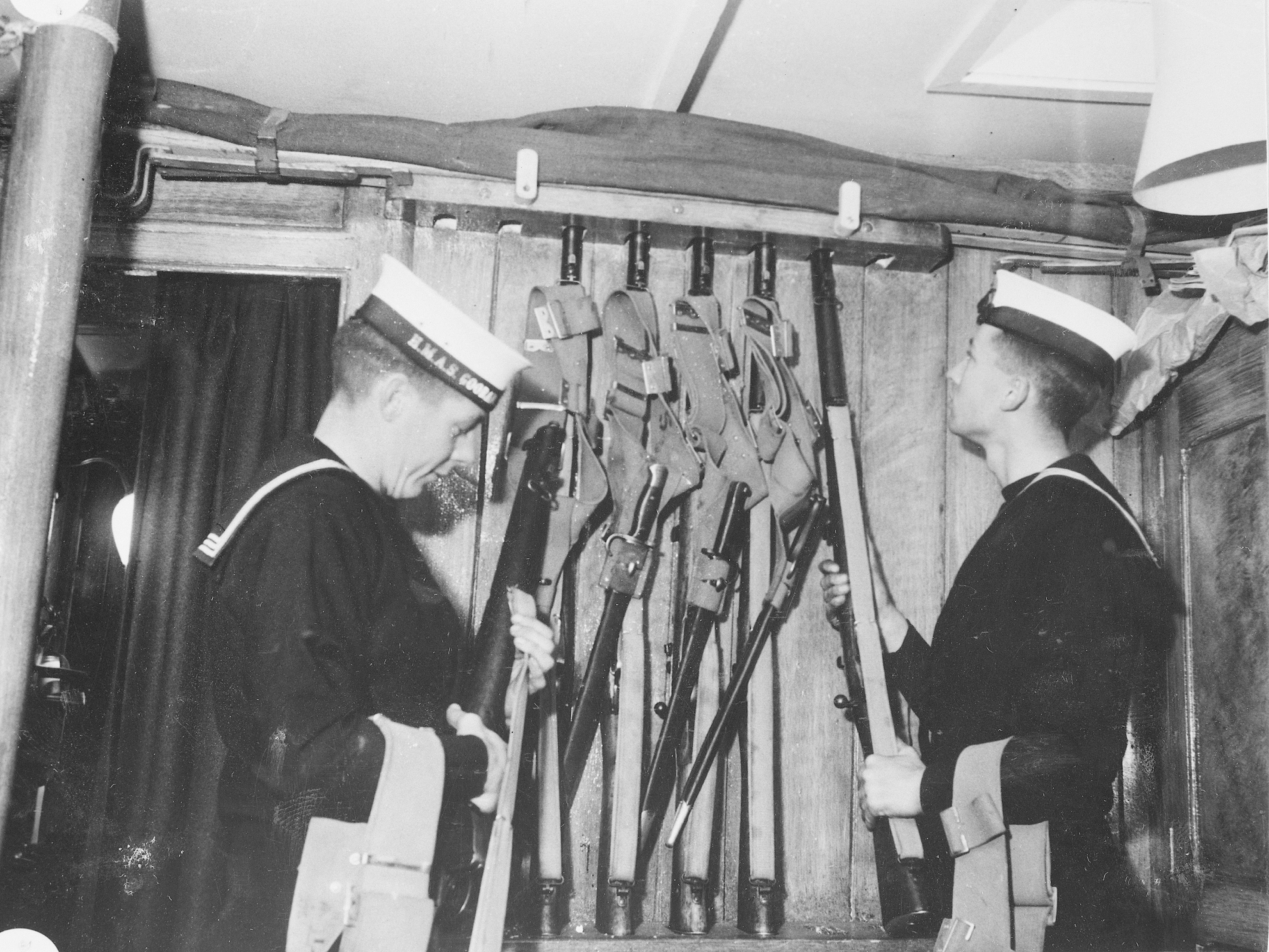
Members of Goorangai’s crew placing rifles on the rack, c. 1939. Rifles were sometimes used to detonate sea mines.
The Navy’s official historian Hermon Gill highlighted the loss of Goorangai in his records to show the development of wartime censorship. Newspapers rapidly learnt of the disaster and claimed the right to publish, since security issues would not be breached by publication. The Naval Board managed to block publication of the news until the next of kin of the lost men had been informed. In December 1940 the national War Cabinet updated the existing censorship rules to confirm that stories of service member deaths in Australia could not be published until next of kin had received official notice.
Each ship of the Royal Australian Navy submits a monthly Report of Proceedings (ROP) to the commander of the fleet. The Australian War Memorial has digitised the ROPs for the period 1939–1978. It appears that not all ship captains were required to write monthly ROPs, and of those that did, not all reports were kept; this is especially true of Second World War vessels. Unfortunately, Goorangai has no extant ROPs, which makes it harder for historians to tell the story of its minesweeping service during the first year of the war.

About the author
Dr Thomas J. Rogers
Dr Thomas J. Rogers is a historian in the Military History Section of the Australian War Memorial.