105 Years of Service of the Royal Australian Air Force
The Royal Australian Air Force began as a small army flying unit raised for service during the First World War. A half-flight of three obsolete aeroplanes was formed and sent to the Middle East. During the war, the Australian Flying Corps (AFC) expanded to a strength of eight squadrons – four operational and four training – based in the Middle East, France and the United Kingdom.
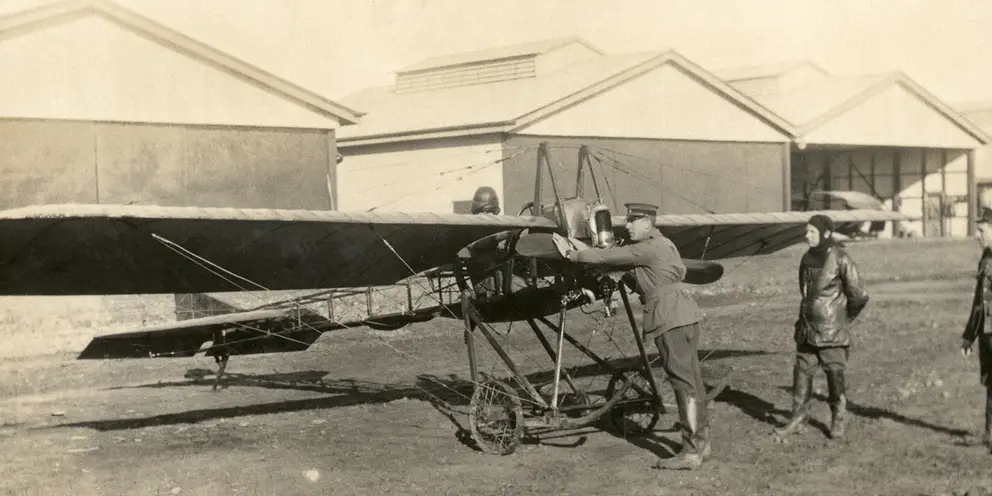
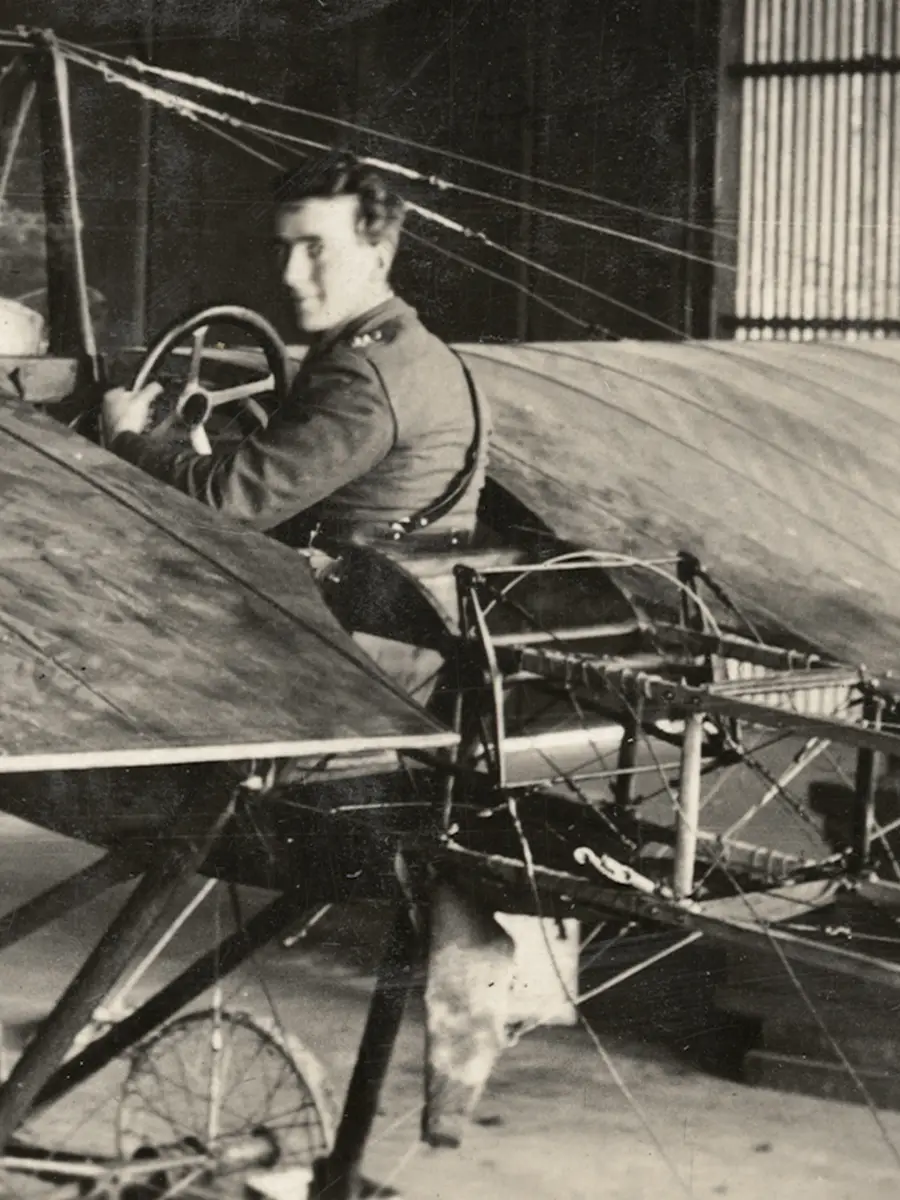
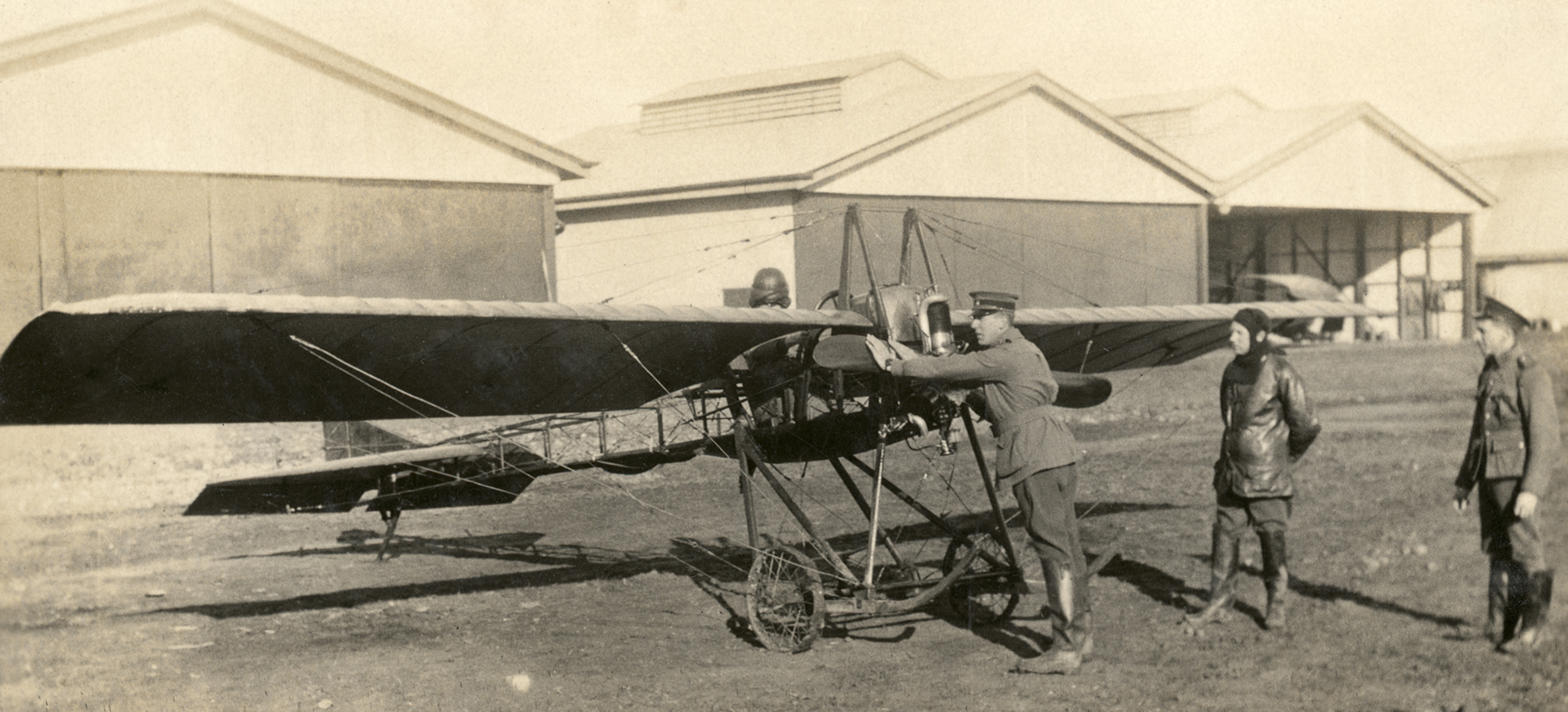
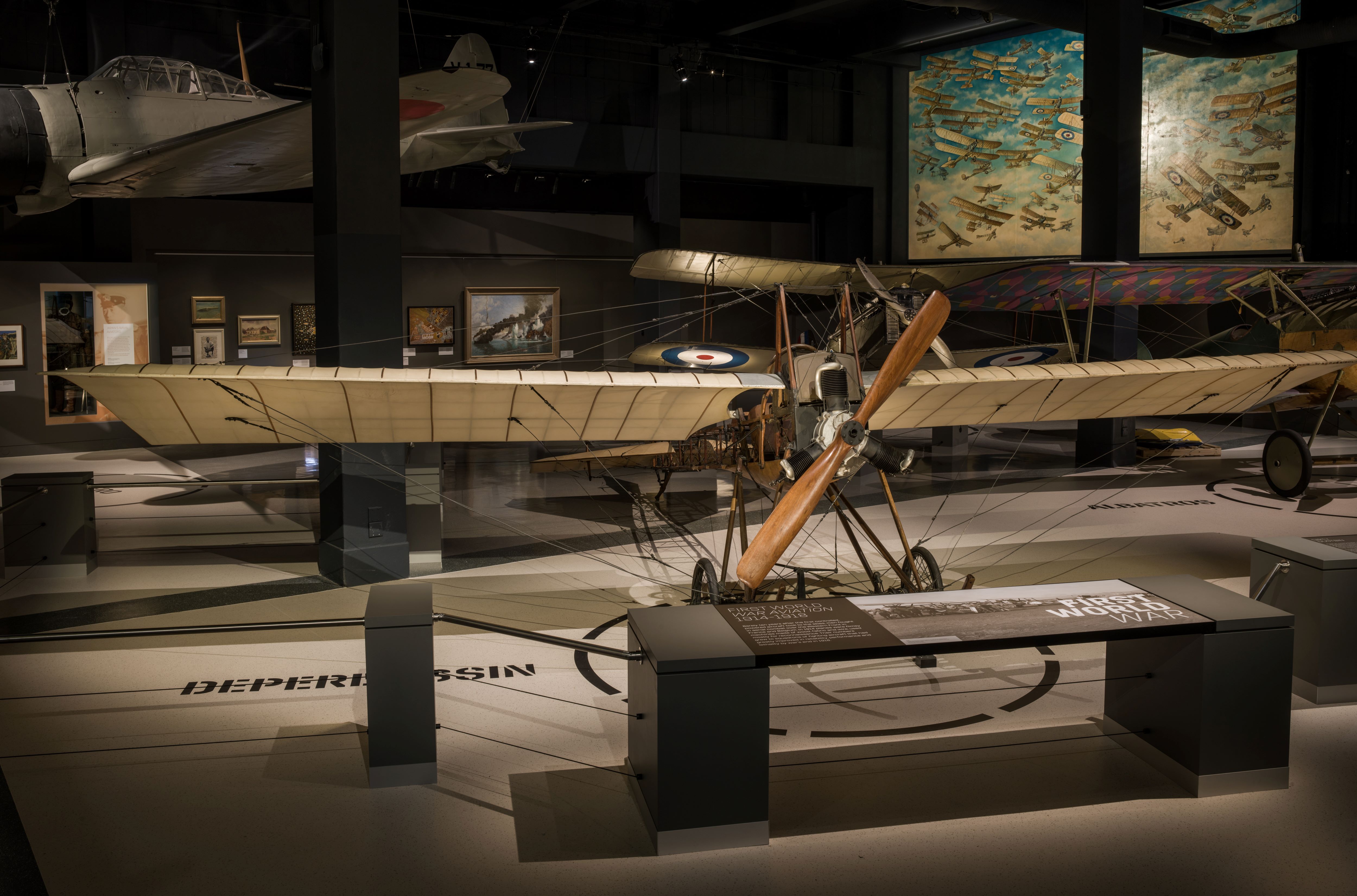
Members of the Australian Flying Corps prepare a Deperdussin training aircraft for take-off.
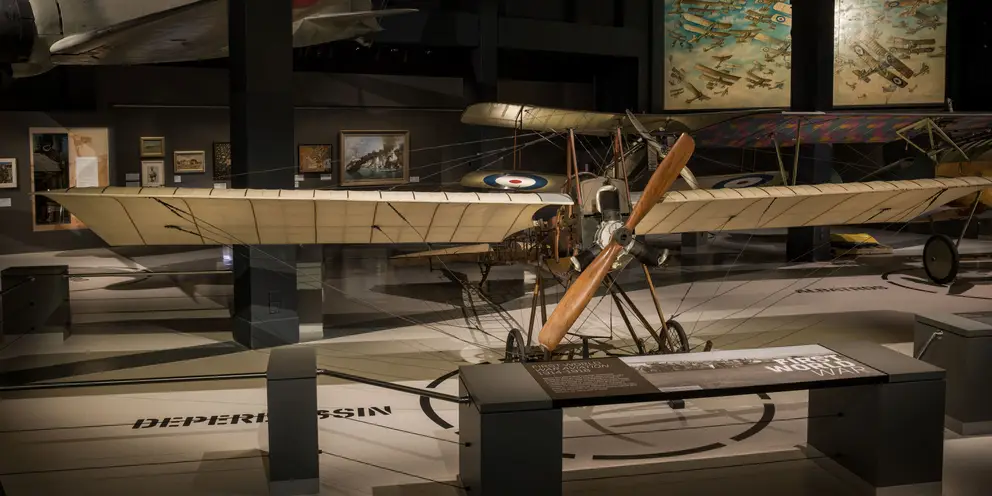
Used for training by the AFC, the Deperdussin is Australia’s oldest military aircraft. It is on display at the Australian War Memorial in Aircraft Hall.
With the end of the First World War, the AFC was briefly known as the Australian Air Corps, before becoming the Australian Air Force in March 1921. Royal assent was given later that year, and on 31 August 1921 it became the Royal Australian Air Force (RAAF). The Imperial Gift of more than 100 aircraft from the United Kingdom allowed the RAAF to get off the ground.
From the very beginning, rigorous training was instilled as an imperative. Early RAAF personnel were trained by the army before the RAAF commissioned its own training institutions.
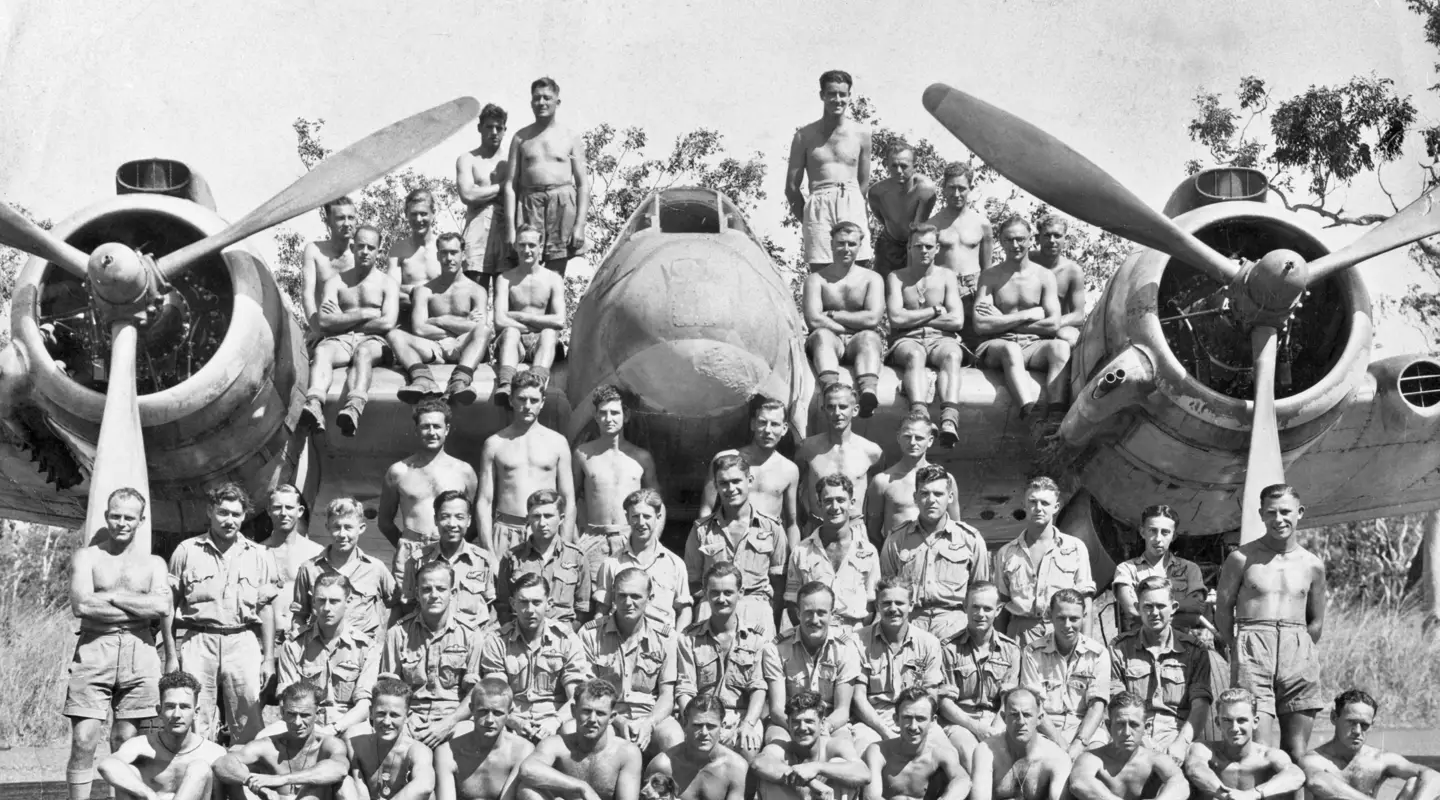
In the inter-war years, the RAAF engaged in aerial mapping and survey, and maritime defence. With the Second World War looming, the RAAF expanded dramatically, raising new squadrons, building new bases, and developing capability in the air, on the ground, and over water.
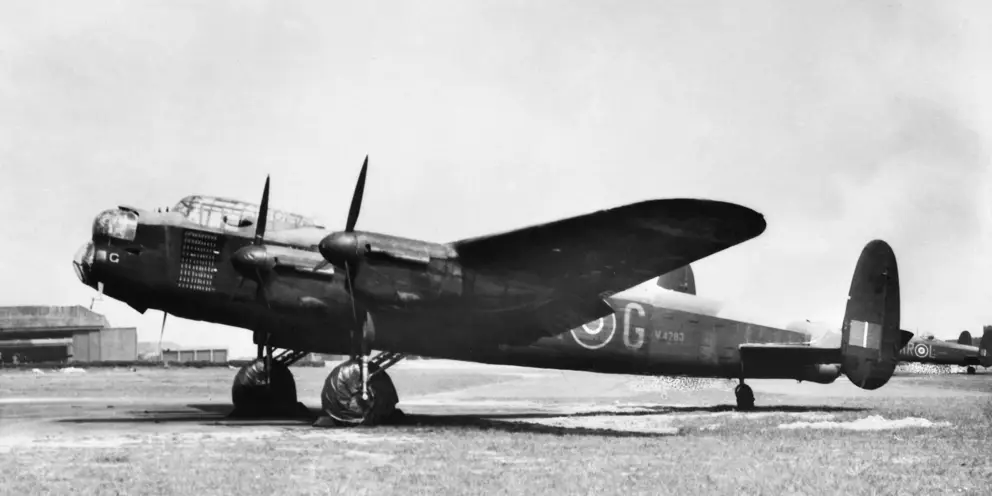
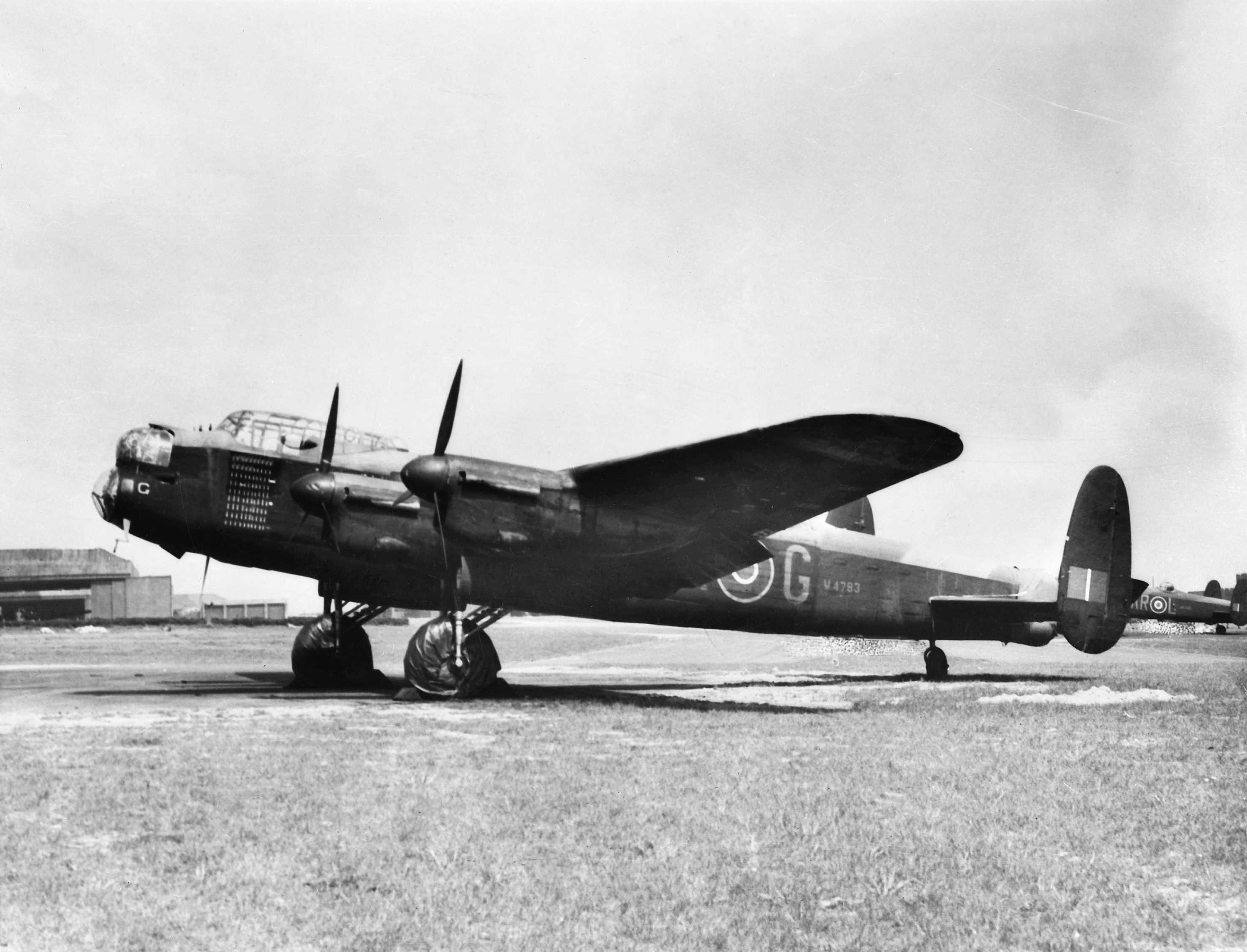
The Lancaster Aircraft G for George of No. 460 Squadron RAAF.
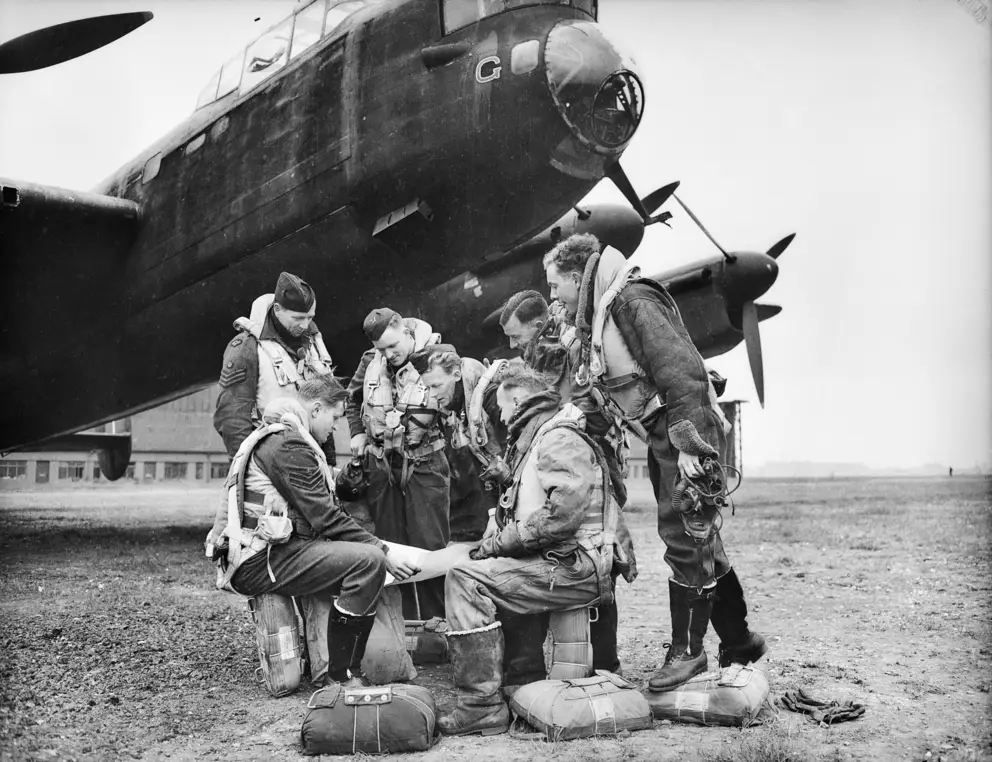
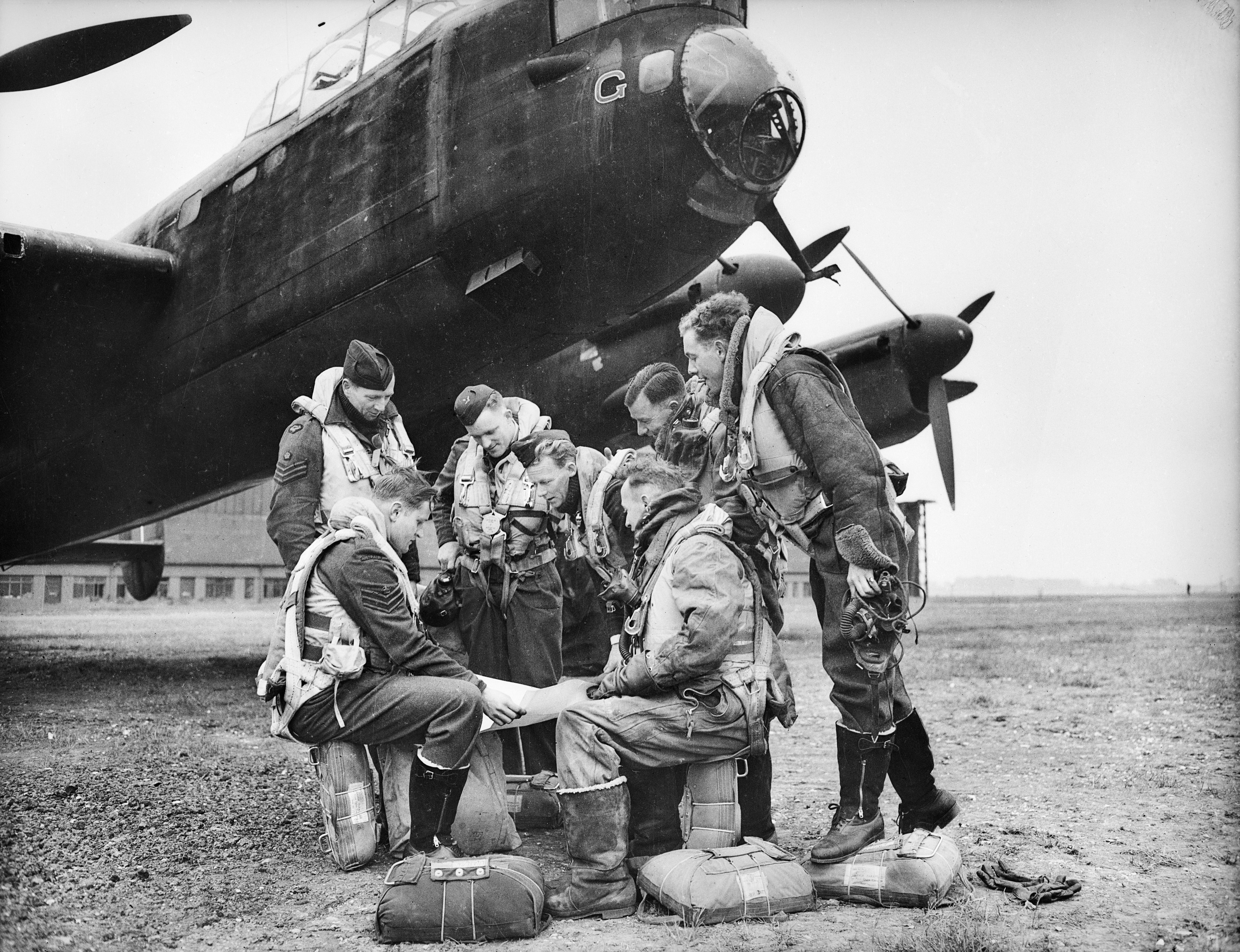
Members of the crew of "G" for George, the veteran Lancaster aircraft of 460 Squadron RAAF in the UK, in front of their aircraft.
With nearly 6,000 aircraft, thousands of ground vehicles, and some 1,300 marine vessels, the RAAF grew into the fourth-largest air force during the Second World War. Answering the call of the Commonwealth, the RAAF played a major part in the European theatre. No. 10 (maritime) Squadron was already in the United Kingdom, and 17 additional RAAF squadrons were formed, while thousands of Australian aviators were embedded within Royal Air Force (RAF) squadrons.
RAAF squadrons served with distinction in North Africa and in the Asia-Pacific.
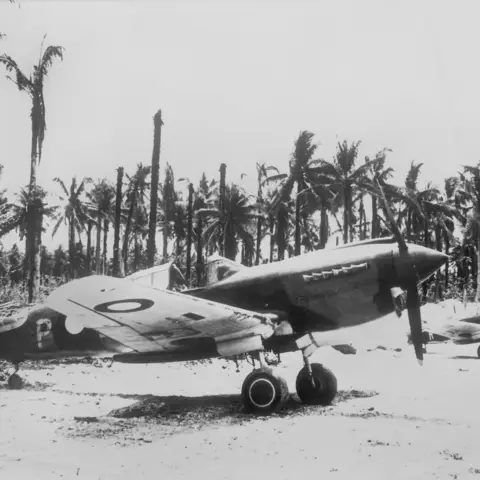
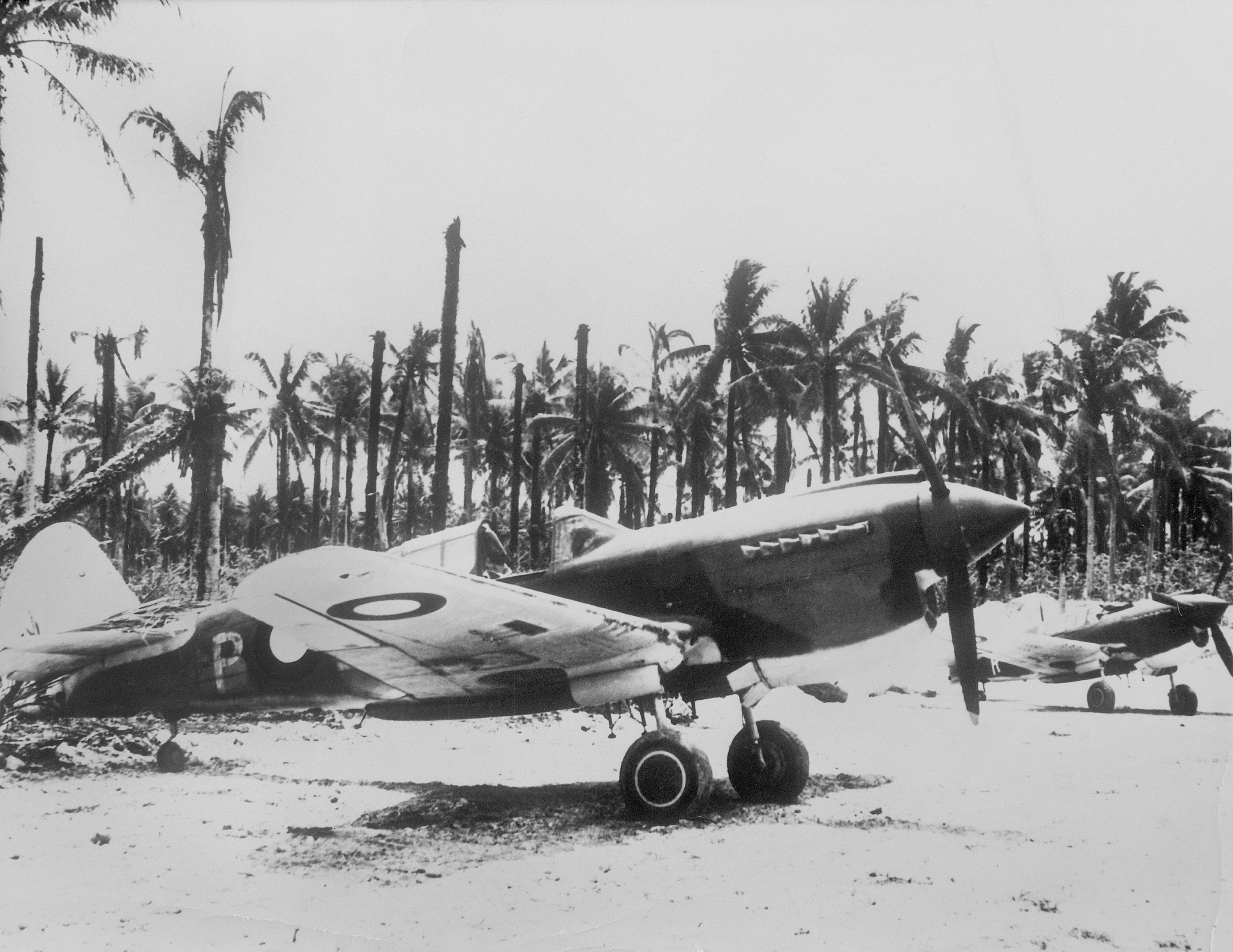
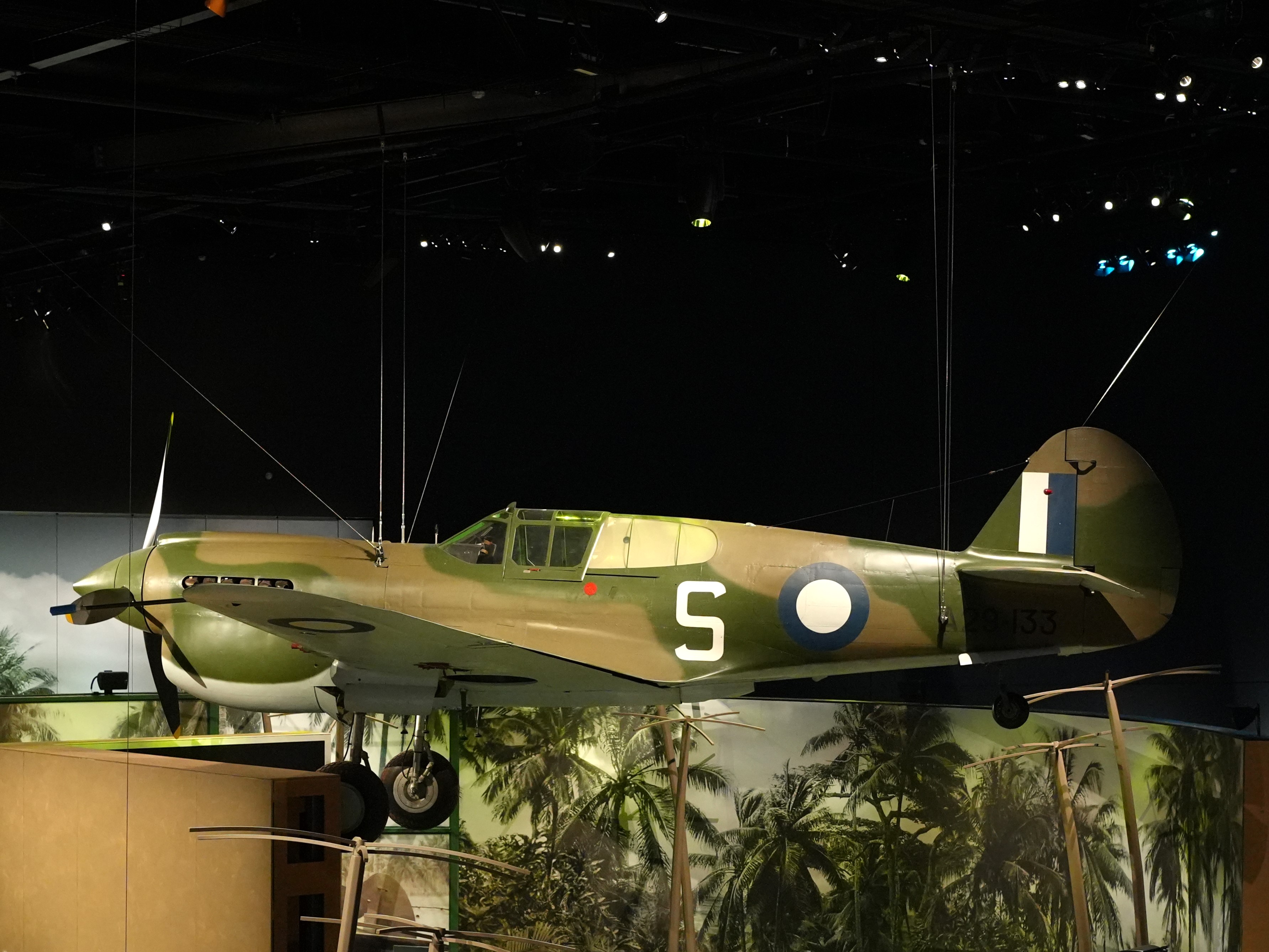
Curtiss P-40E Kittyhawk Fighter Aircraft of No. 77 Squadron RAAF in the dispersal area at Gurney Strip. Milne Bay, Papua 1943.
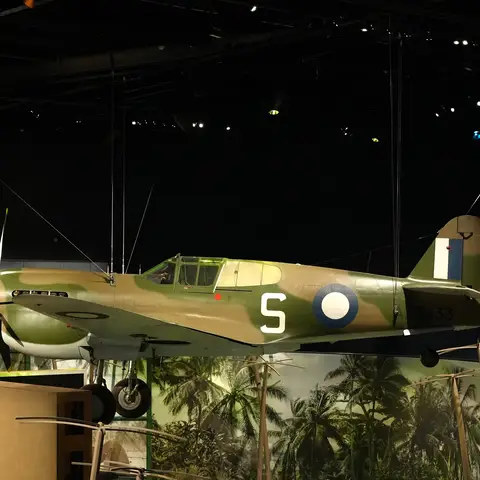
RAAF flew Kittyhawk aircraft in North Africa and Papua New Guinea. P Curtiss P-40E Kittyhawk “Polly" is on display in Anzac Hall.
Australia played a huge role in the Empire Air Training Scheme, which shared the training of thousands of pilots, navigators, wireless operators and air gunners amongst Commonwealth countries.
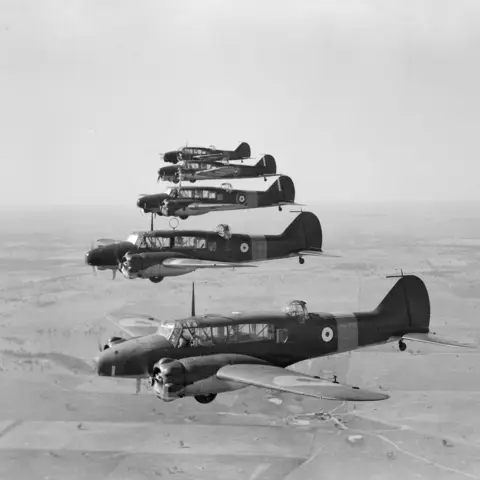
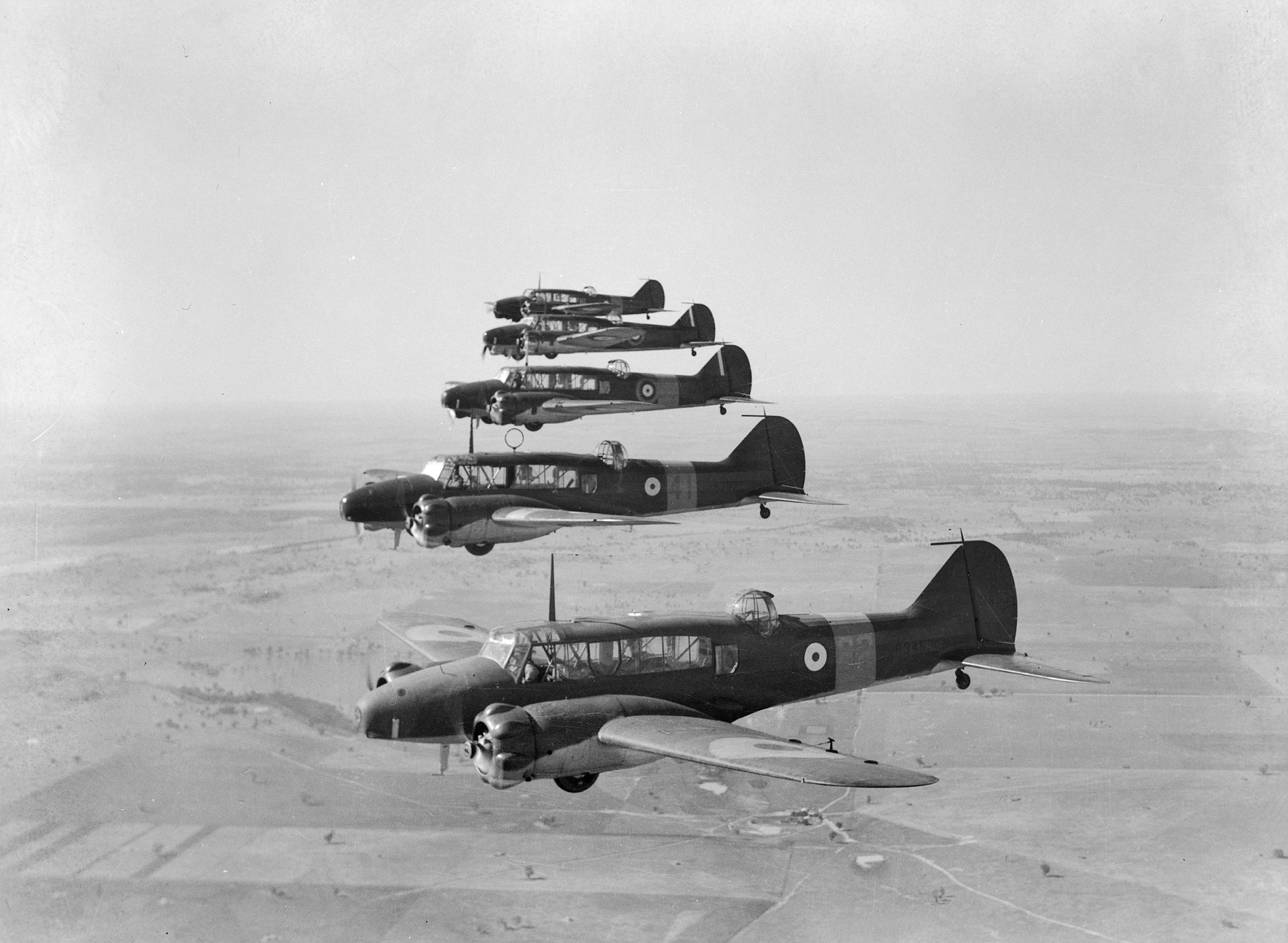
Five Avro Ansons
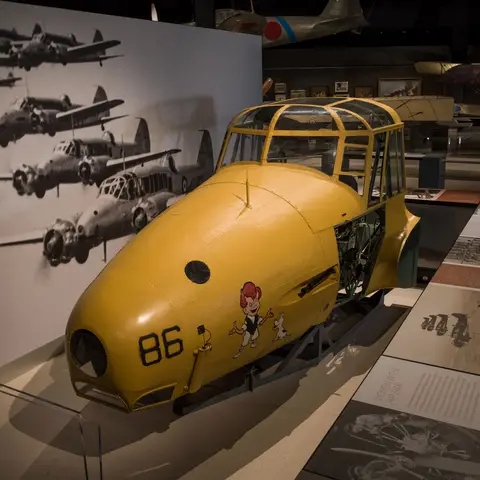
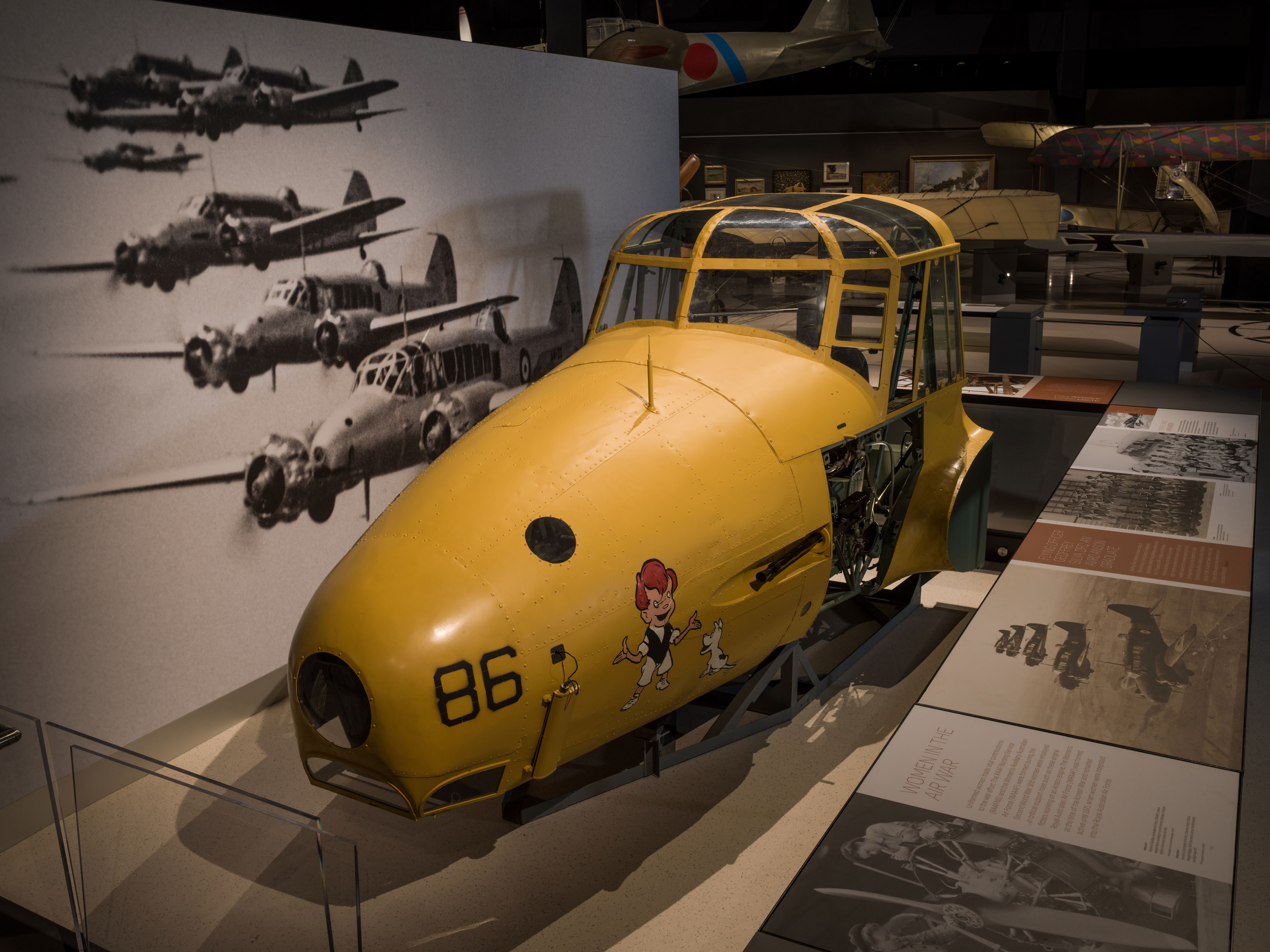
The RAAF operated more Avro Ansons than any other aircraft type. This cockpit section is displayed with a new perspective in Aircraft Hall.
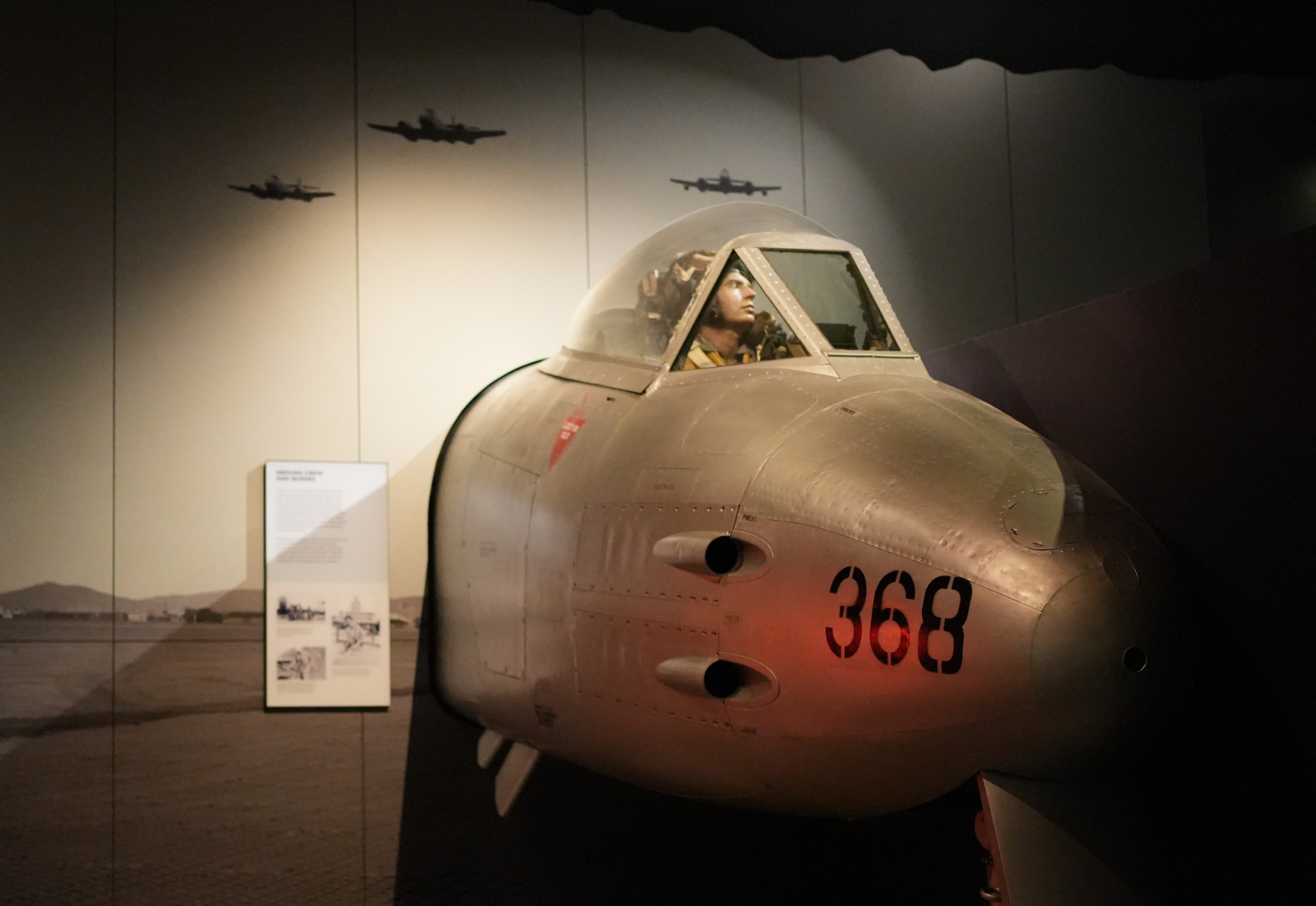
Soon after the end of the Second World War, the RAAF saw service in the Korean War, becoming one of the United States’ first allies in theatre and entering the jet age with the introduction of the Glocester Meteor.
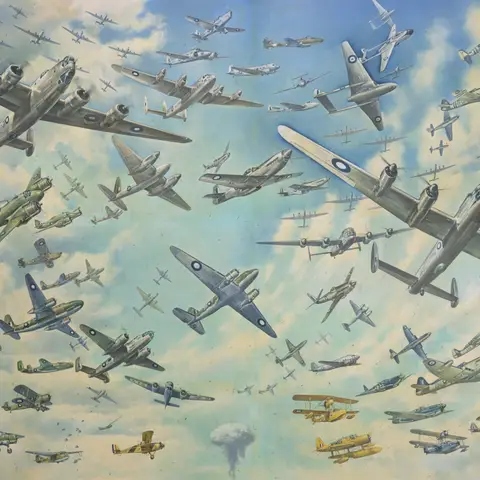
Step into the world of military aviation
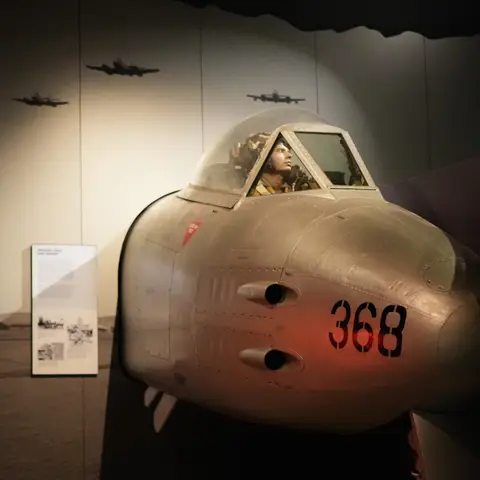
The Meteor was the first jet fighter operated by the RAAF. The cockpit section of Gloster Meteor Mk 8 jet fighter “Rosemary”, operated by No. 77 Squadron, RAAF is displayed in the Korean War Gallery
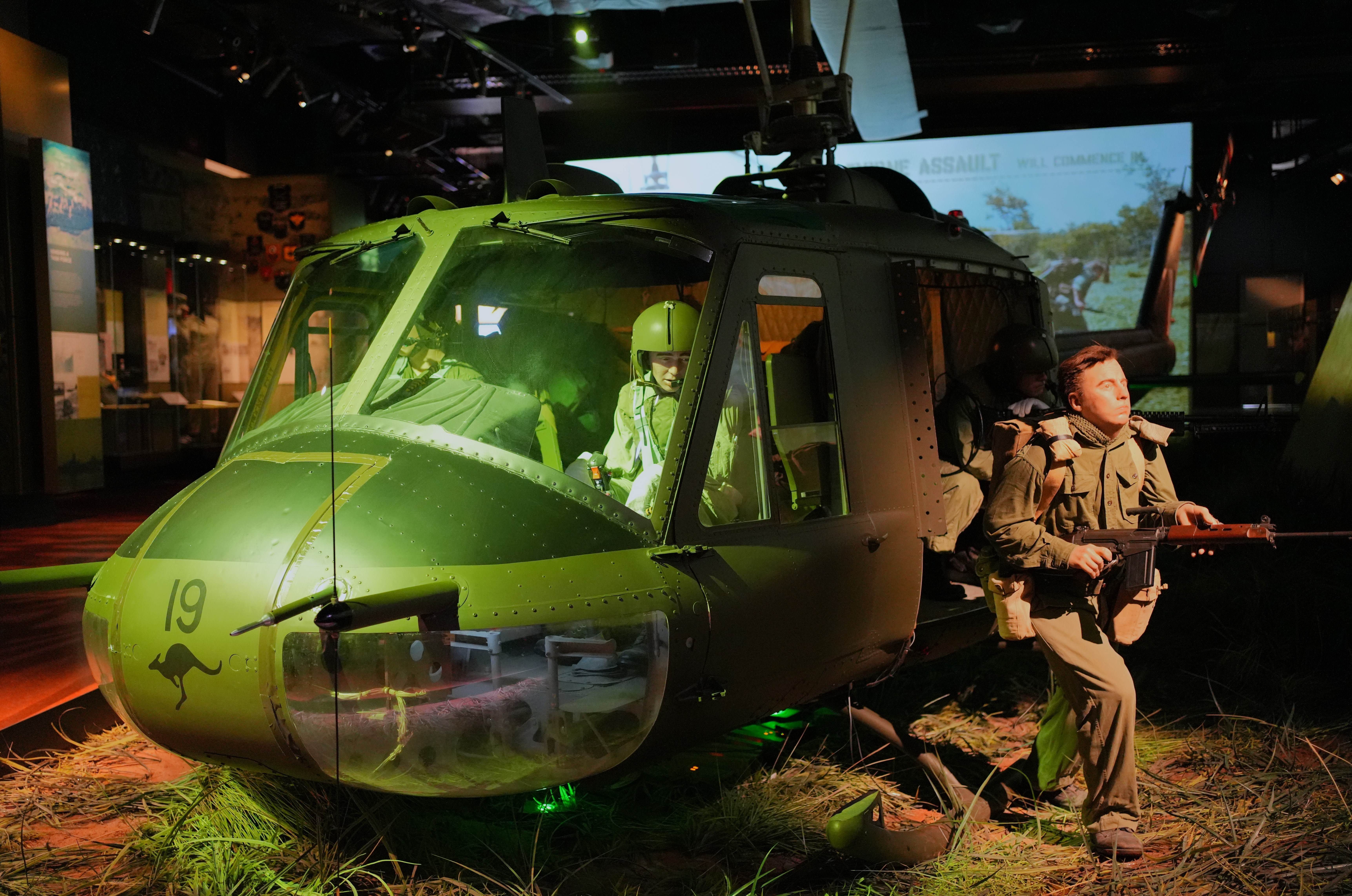
The US alliance strengthened as Australia joined the Vietnam War, with the RAAF employing numerous rotary and fixed wing aircraft.
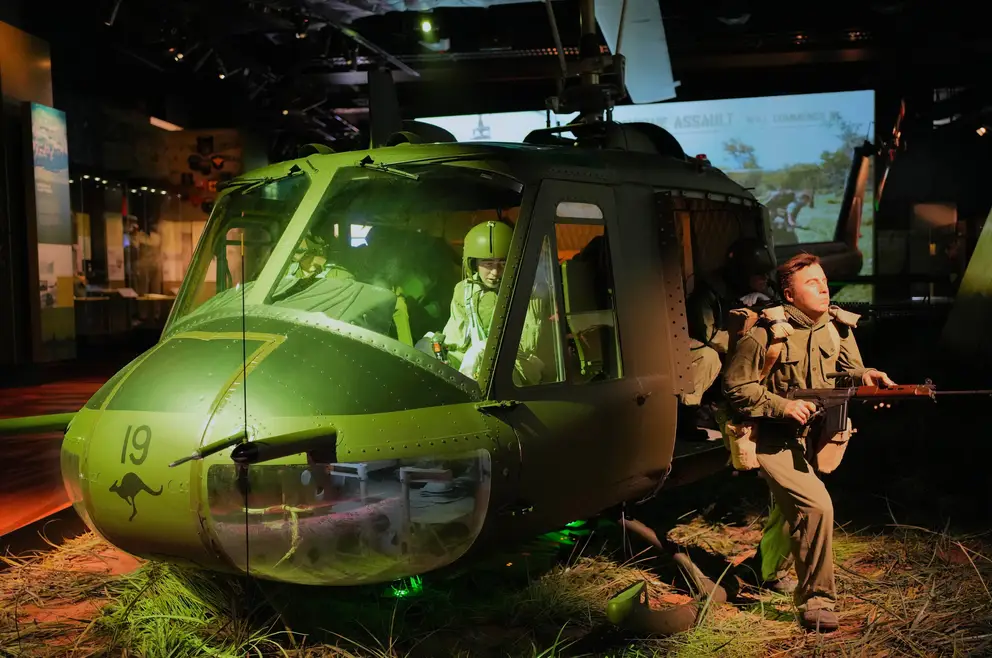
Perhaps the most iconic RAAF aircraft of the Vietnam war, the Iroquois, or ‘Huey’ remains on display in the Vietnam gallery.
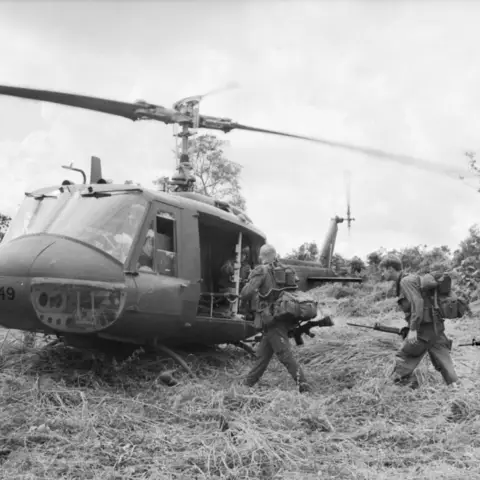
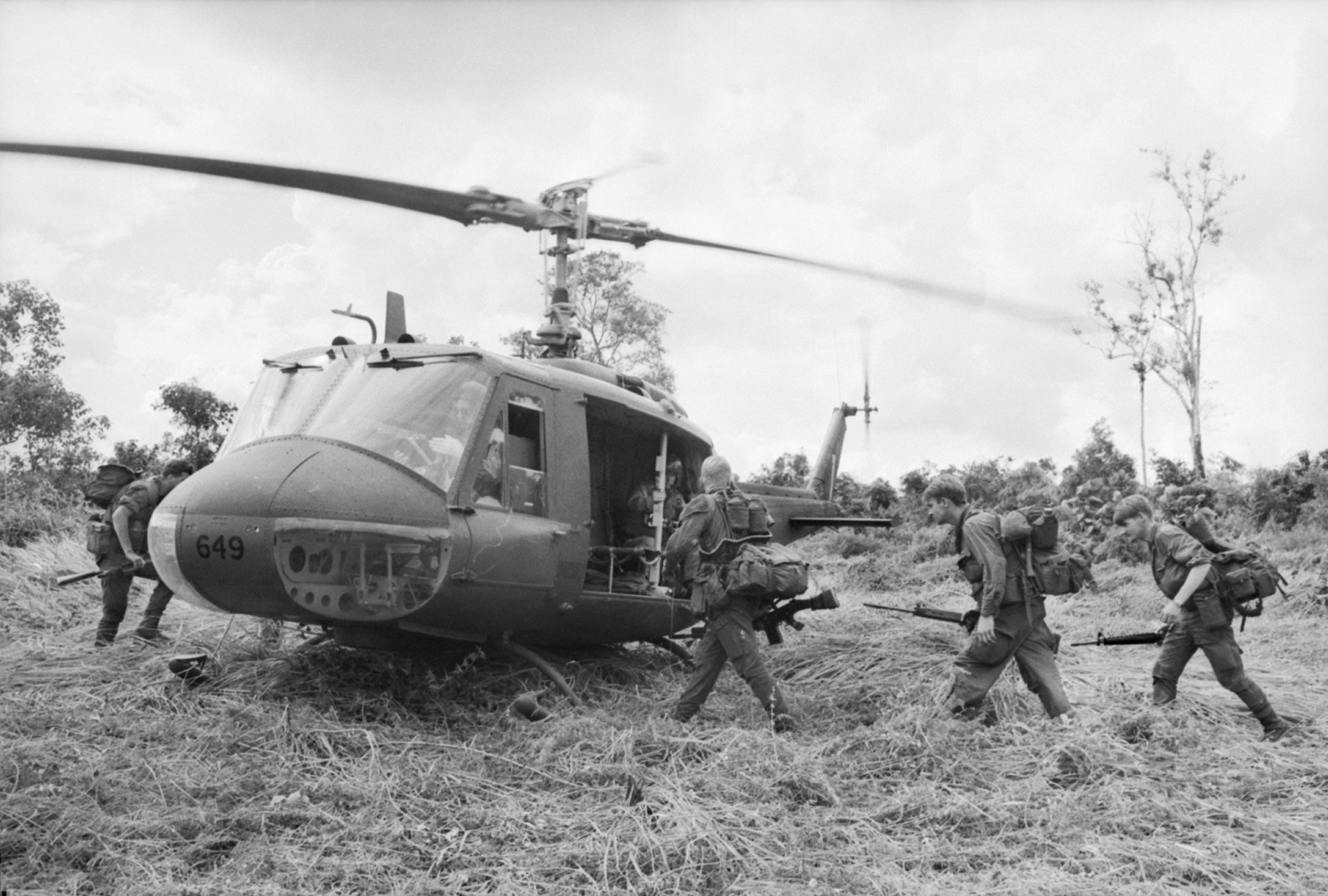
The Royal Australian Regiment (7RAR), move into a No. 9 Squadron Iroquois helicopter of the Royal Australian Air Force (RAAF). Vietnam 1967.
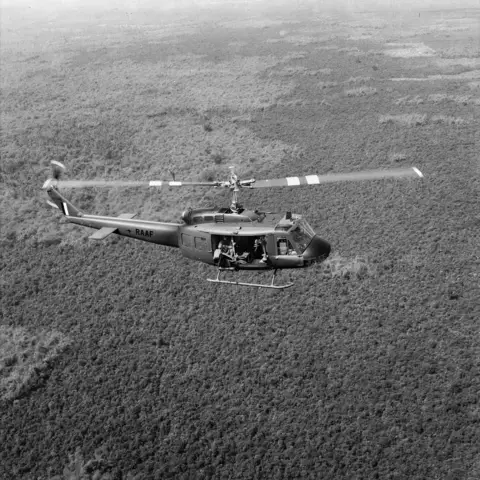
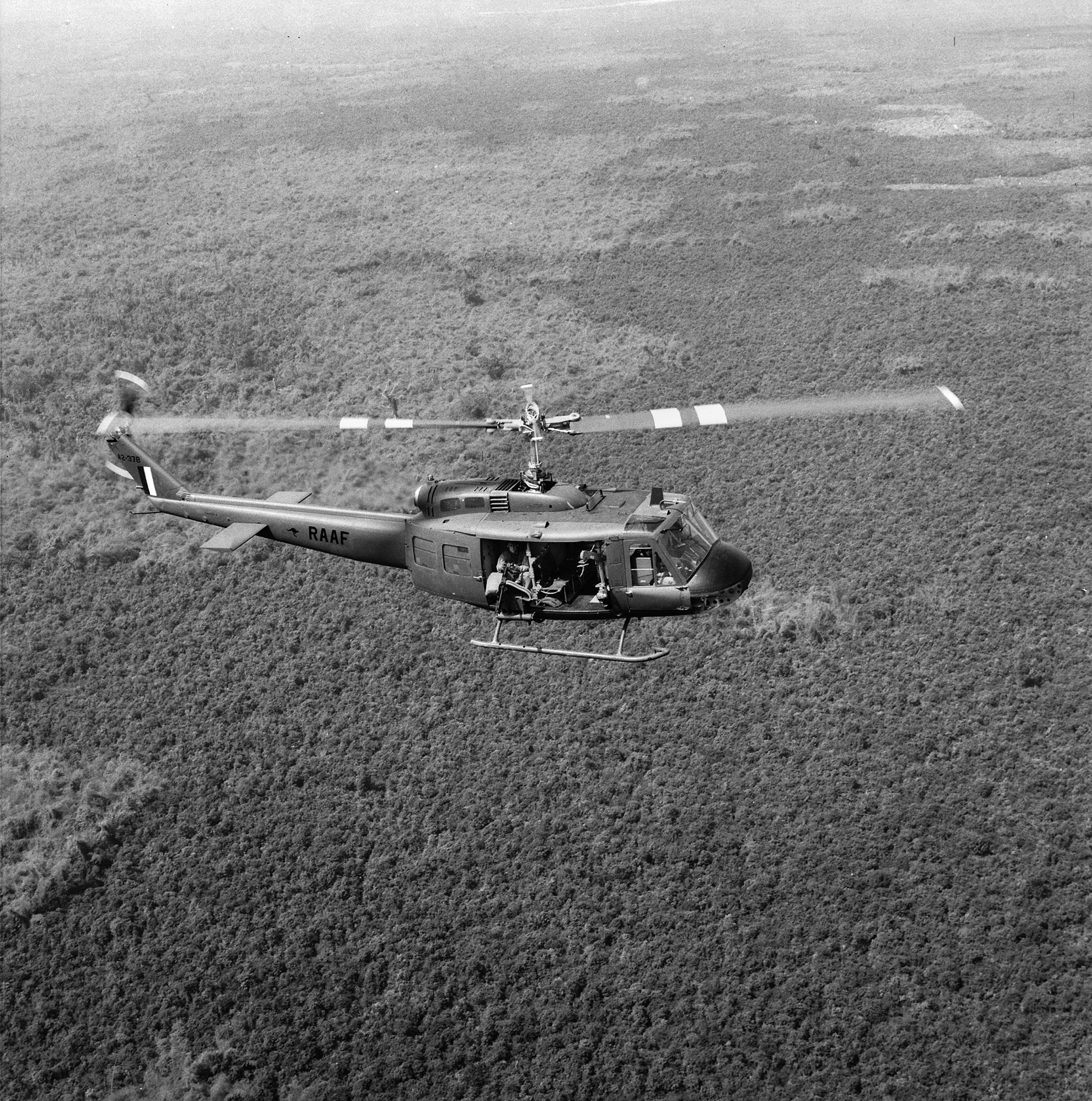
The new H model Iroquois flying low over the Bien Hoa province of Vietnam, 1968.
The RAAF’s role in peacekeeping and humanitarian aid missions intensified after the Vietnam War. These missions remain a part of the RAAF’s operational tempo today, often focused on lending a helping hand to our Pacific neighbours.
The early 1990s saw the era of modern conflicts, starting with the Gulf War in 1991. In the late 1990s and into the new millennium, the RAAF assisted East Timor in its struggle for independence and undertook humanitarian and peace keeping roles in the region. As Afghanistan became the focus of Australian Defence Force activities, the RAAF made major contributions in the air and on the ground.

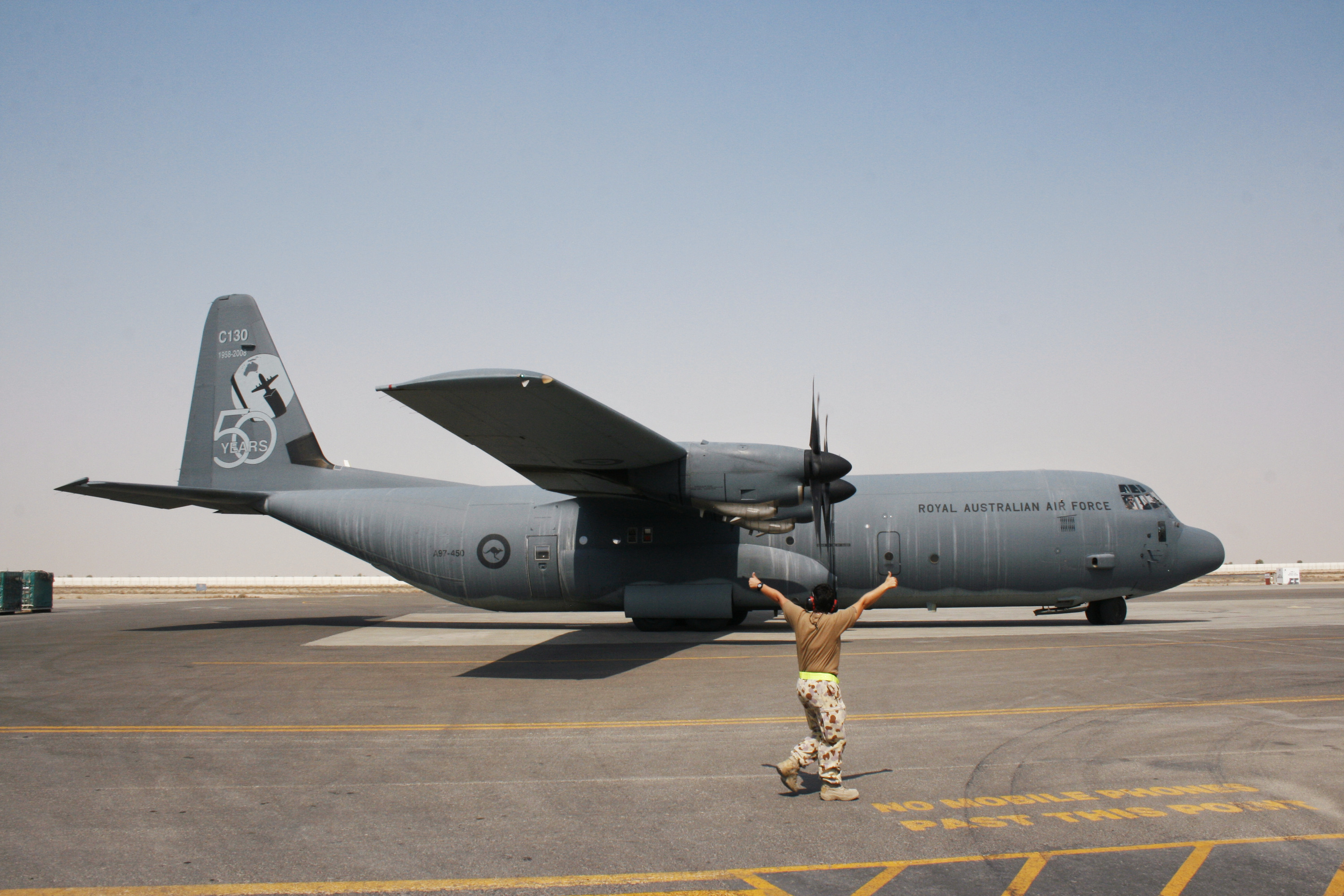
A C-130J Hercules (A97-450) on the runway at Al Minhad Air Base. Photographer: Nick Fletcher. 2009
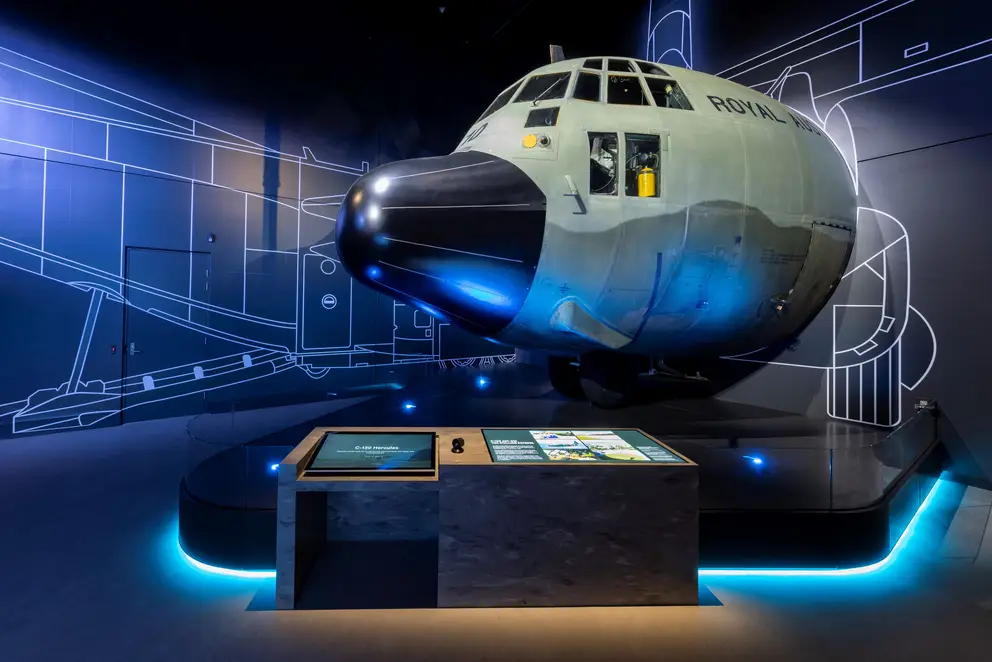
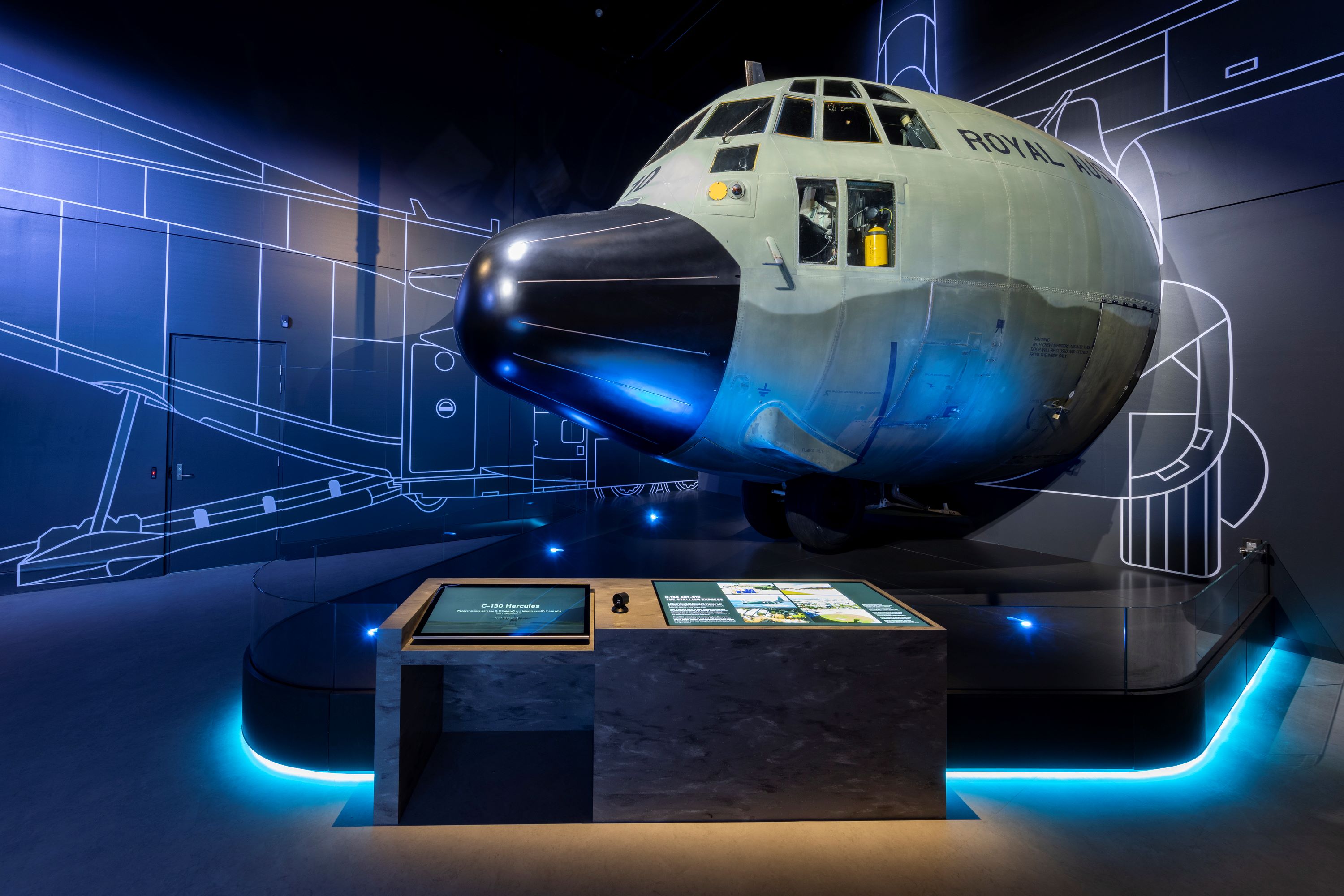
The C-130 has been in continuous service for more than half the life of the RAAF, serving all branches of the Australian Defence Force and supporting disaster relief, humanitarian aid and peacekeeping operations. This C-130H cockpit section is displayed for the first time in the new Anzac Hall. AWM26.PR.023
While there have been many defining aircraft in the RAAF’s 105 years of service, airpower depend upon a trained force of personnel with many different skillsets.
Through the skills and dedication of its people, the RAAF has reached the stars as a well-trained, technologically advanced and effective fighting force. Per Ardua Ad Astra.