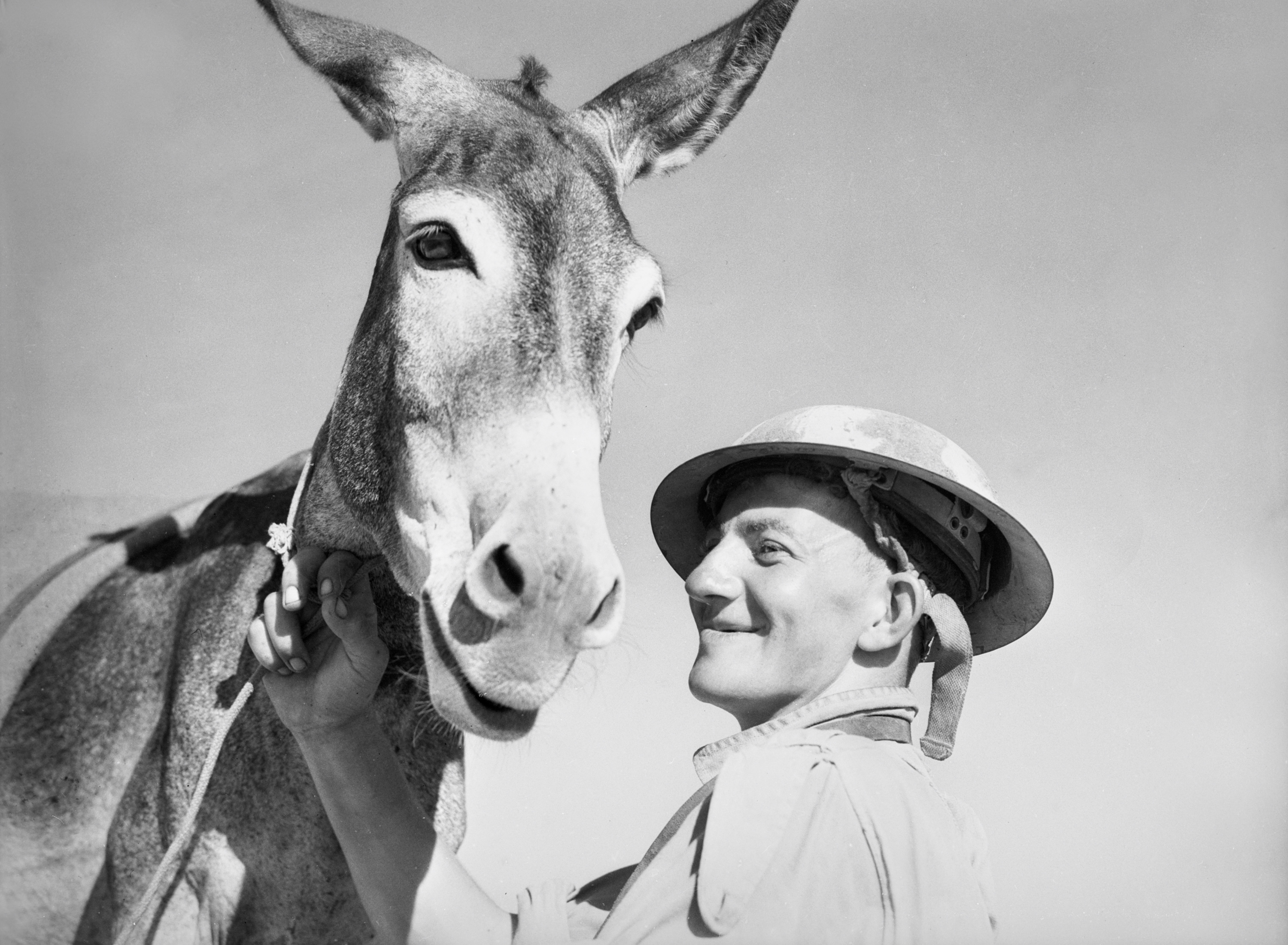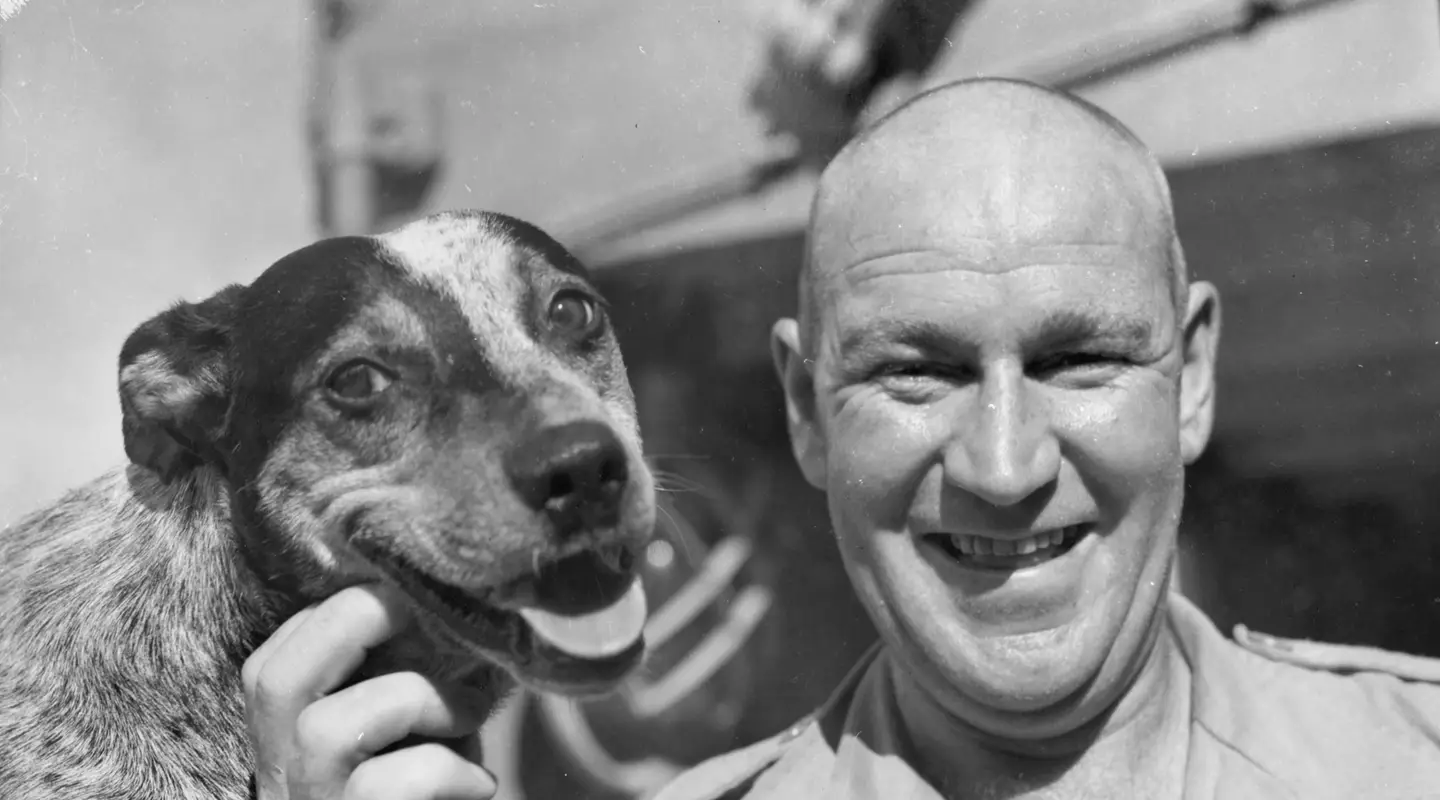
An A to Z of animals in war, from mascots and messengers to creepy-crawlies.
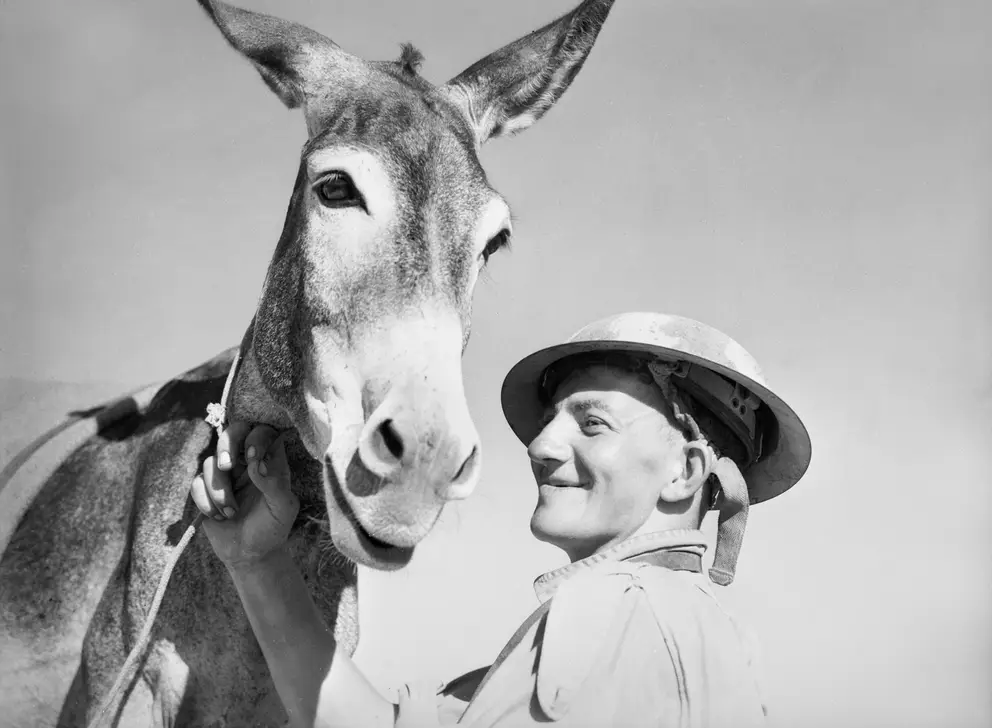
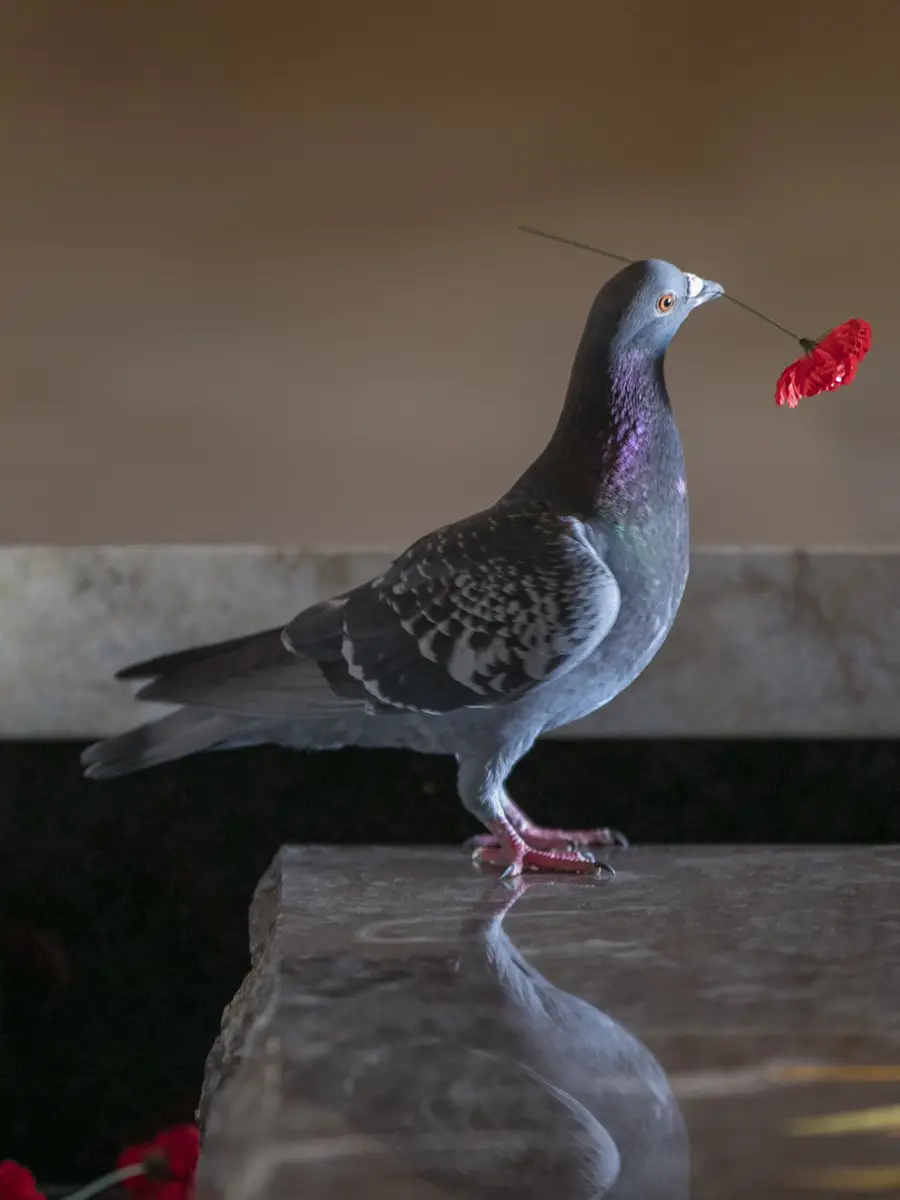
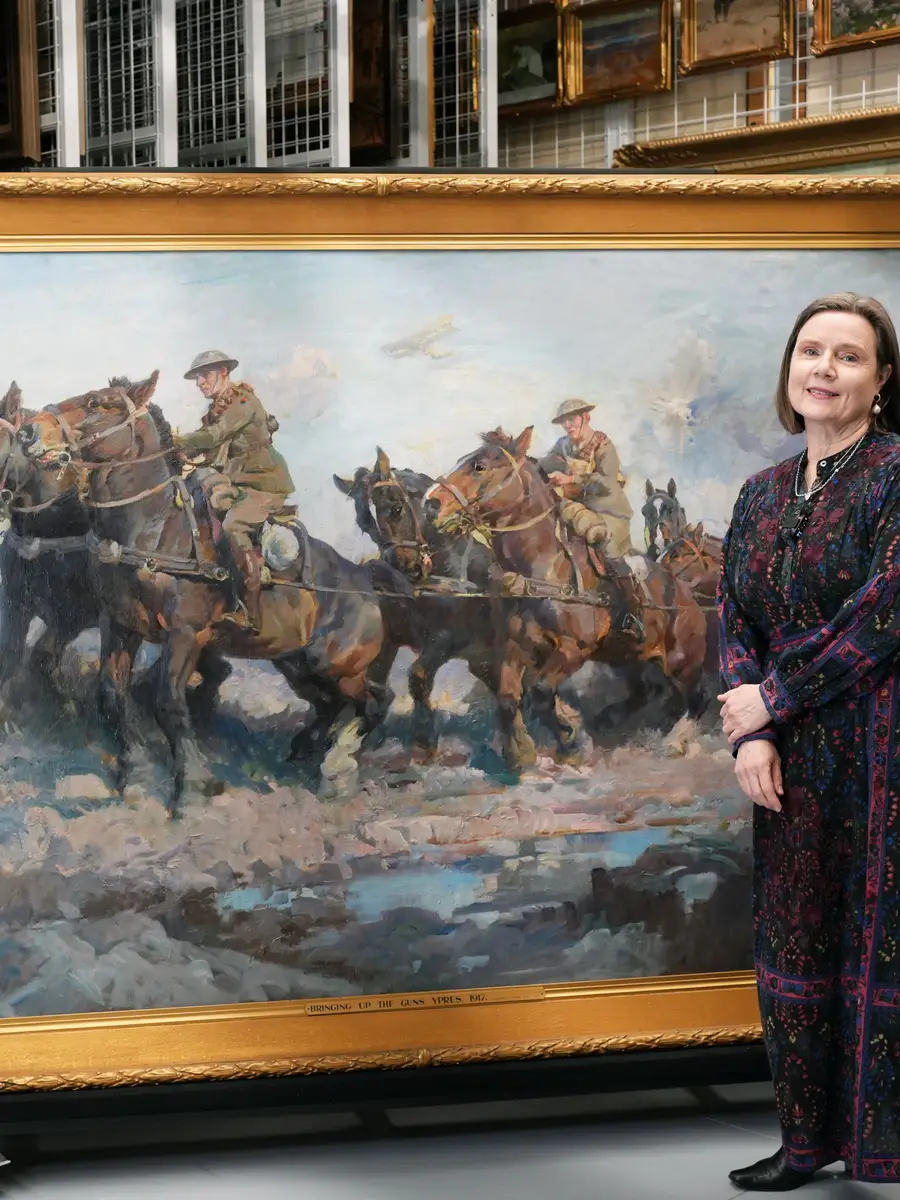
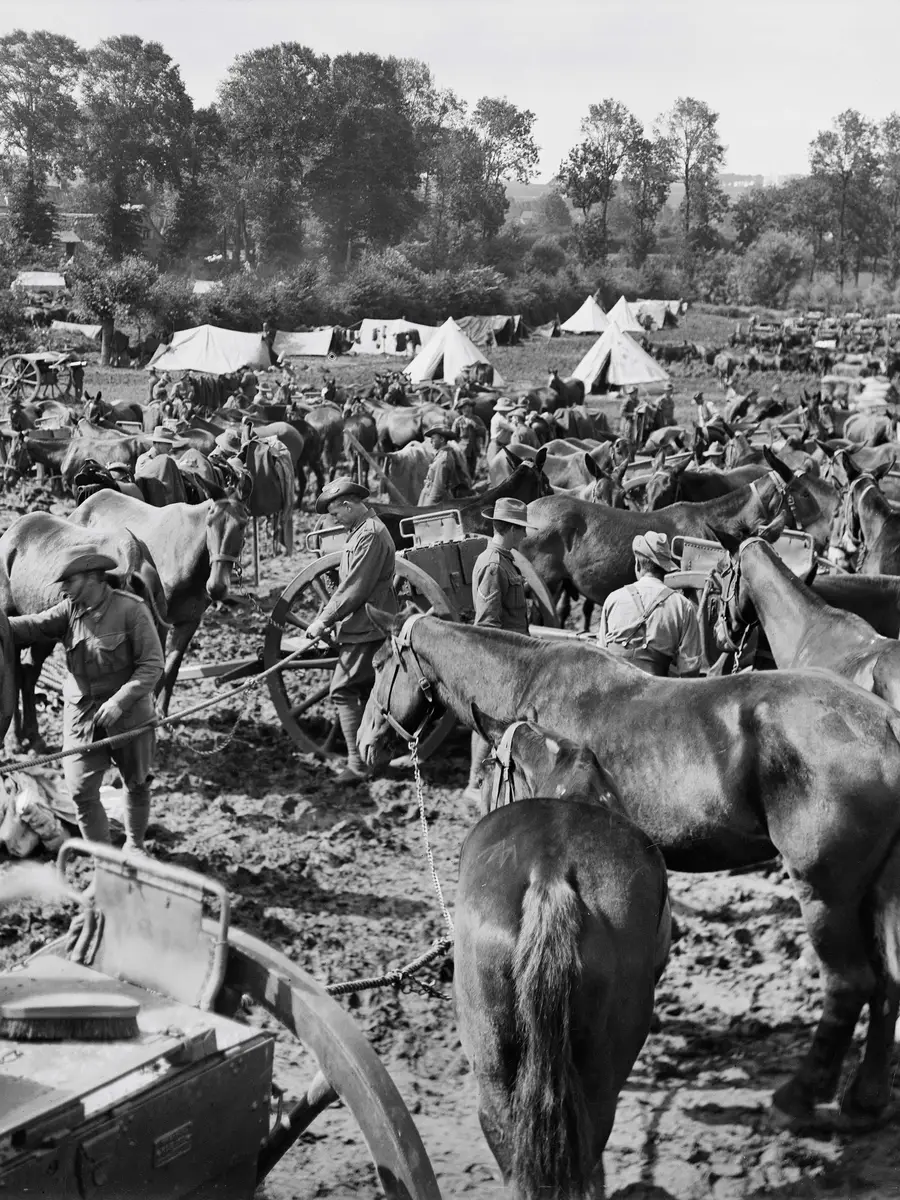
Animals carry messages, and transport people, supplies, and equipment. They also act as life-savers, searching for hidden explosives, or finding people and rescuing them. Animals often serve as mascots or symbols for military units, and many have been kept as pets or companions, providing friendship and comfort for their keepers during the stress of war.
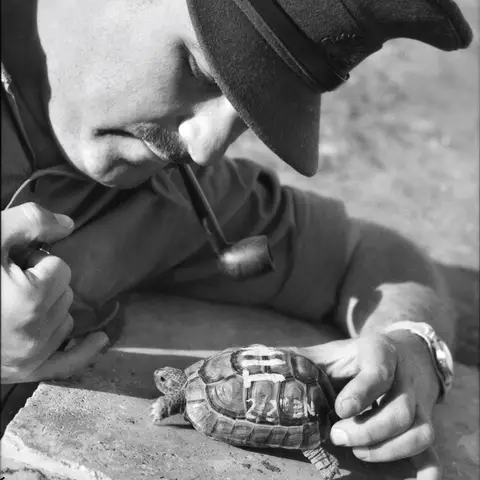
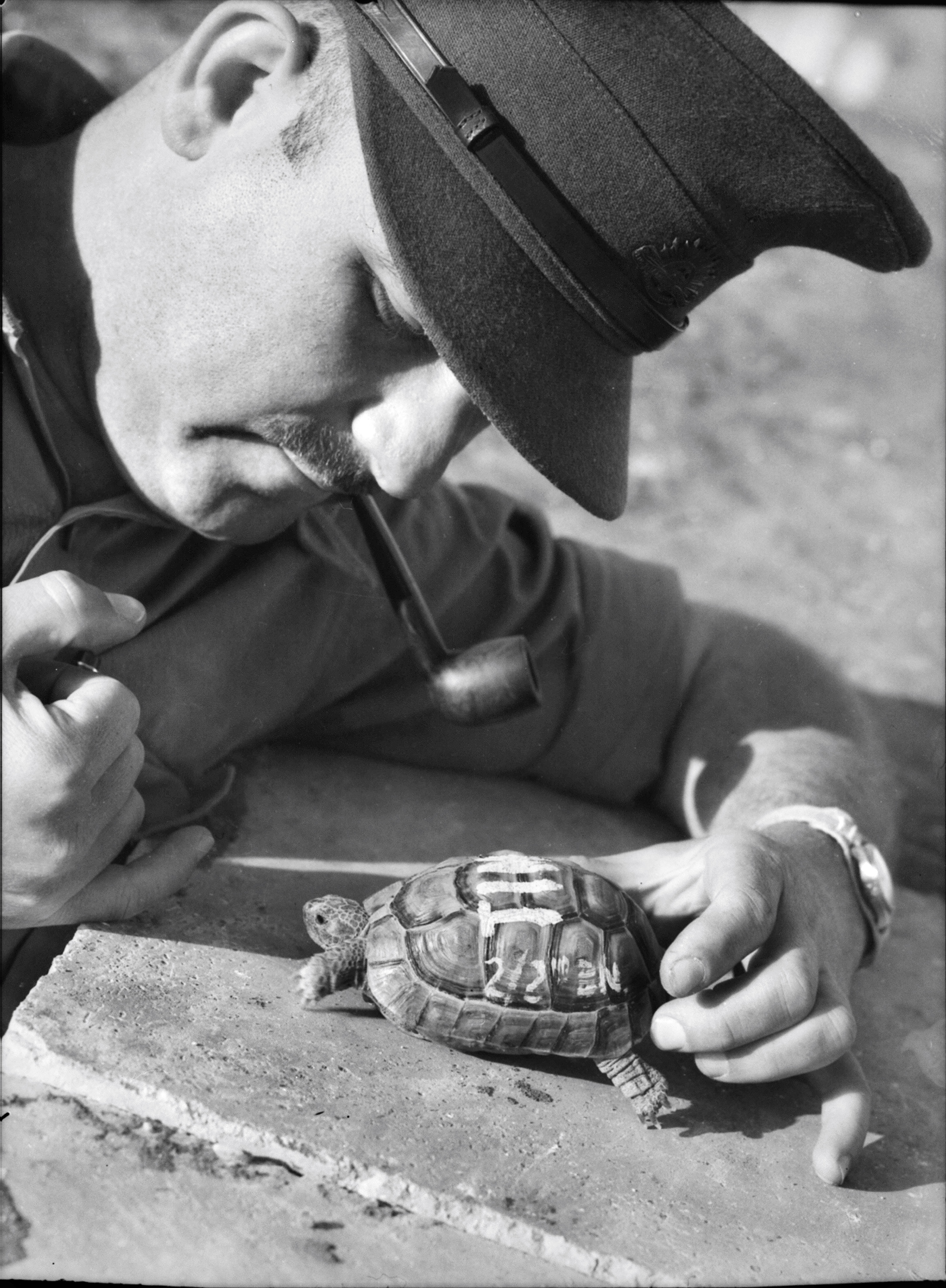
Captain D. Michelson with a Tortoise named "Tim", the mascot of the 2/2nd Battalion.
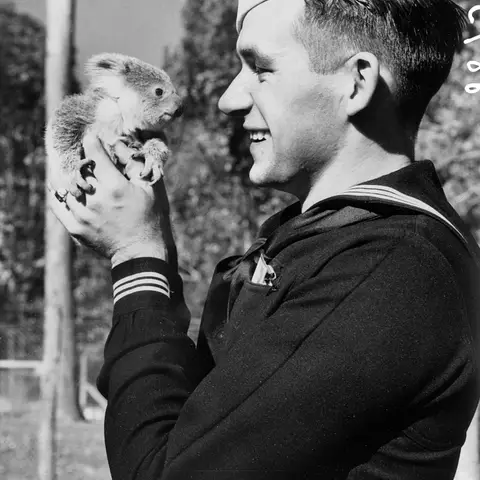
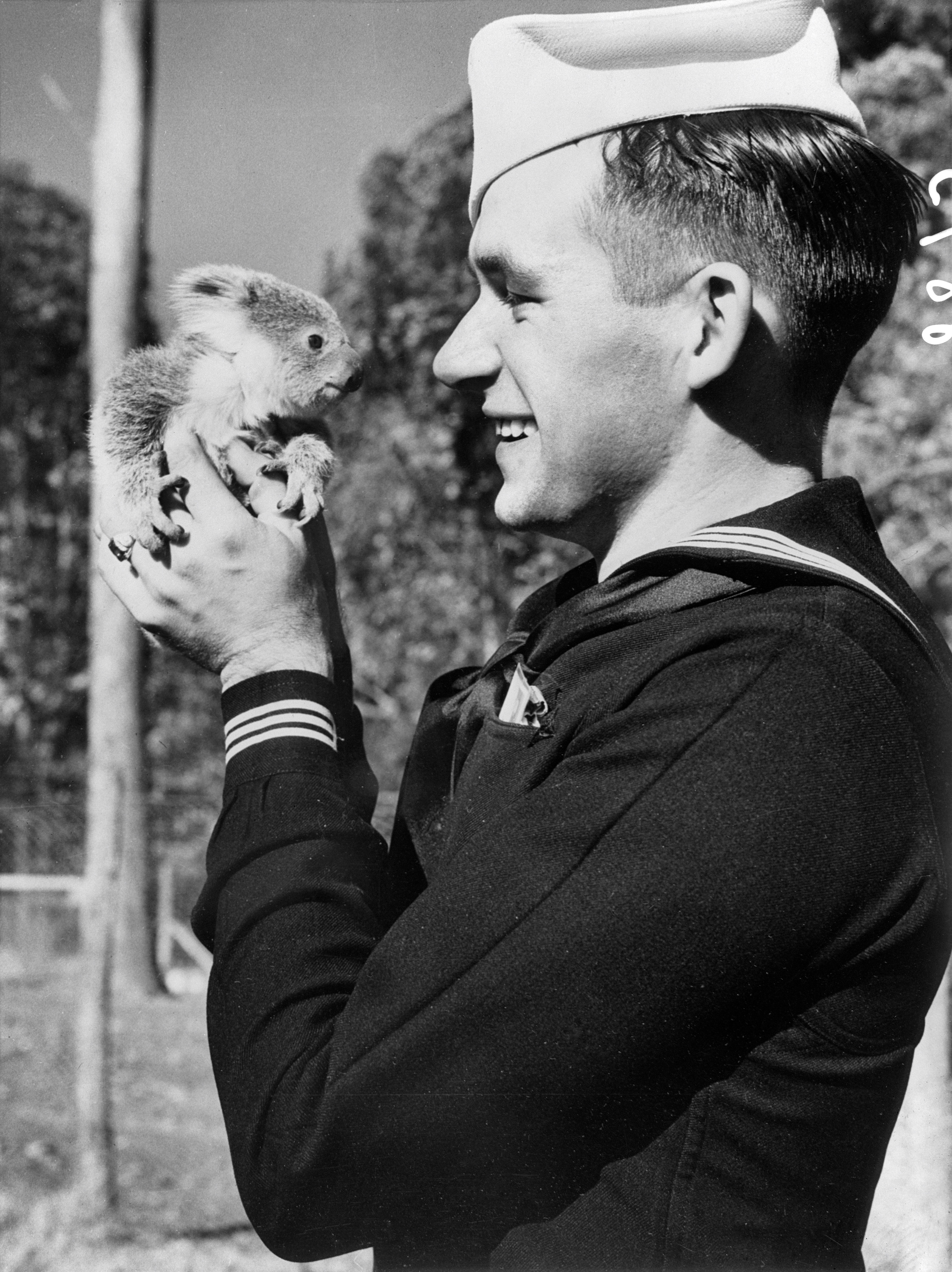
Men of the USS Northampton and USS Salt Lake City were welcomed as friends by all sections of the community when their ships visited Brisbane. Arthur Mercer, from the USS Salt Lake City, was among the party of men who visited an animal sanctuary near Brisbane. He made the acquaintance of Rata, a baby koala.
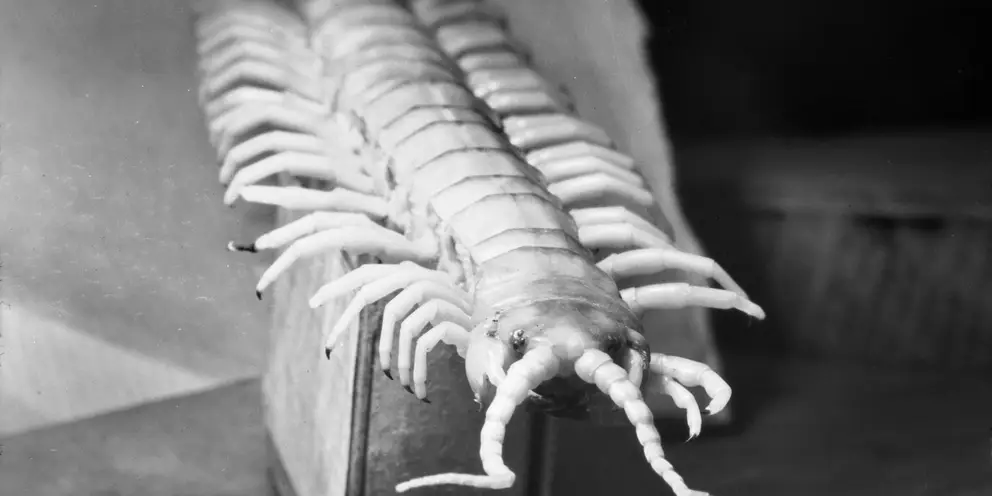
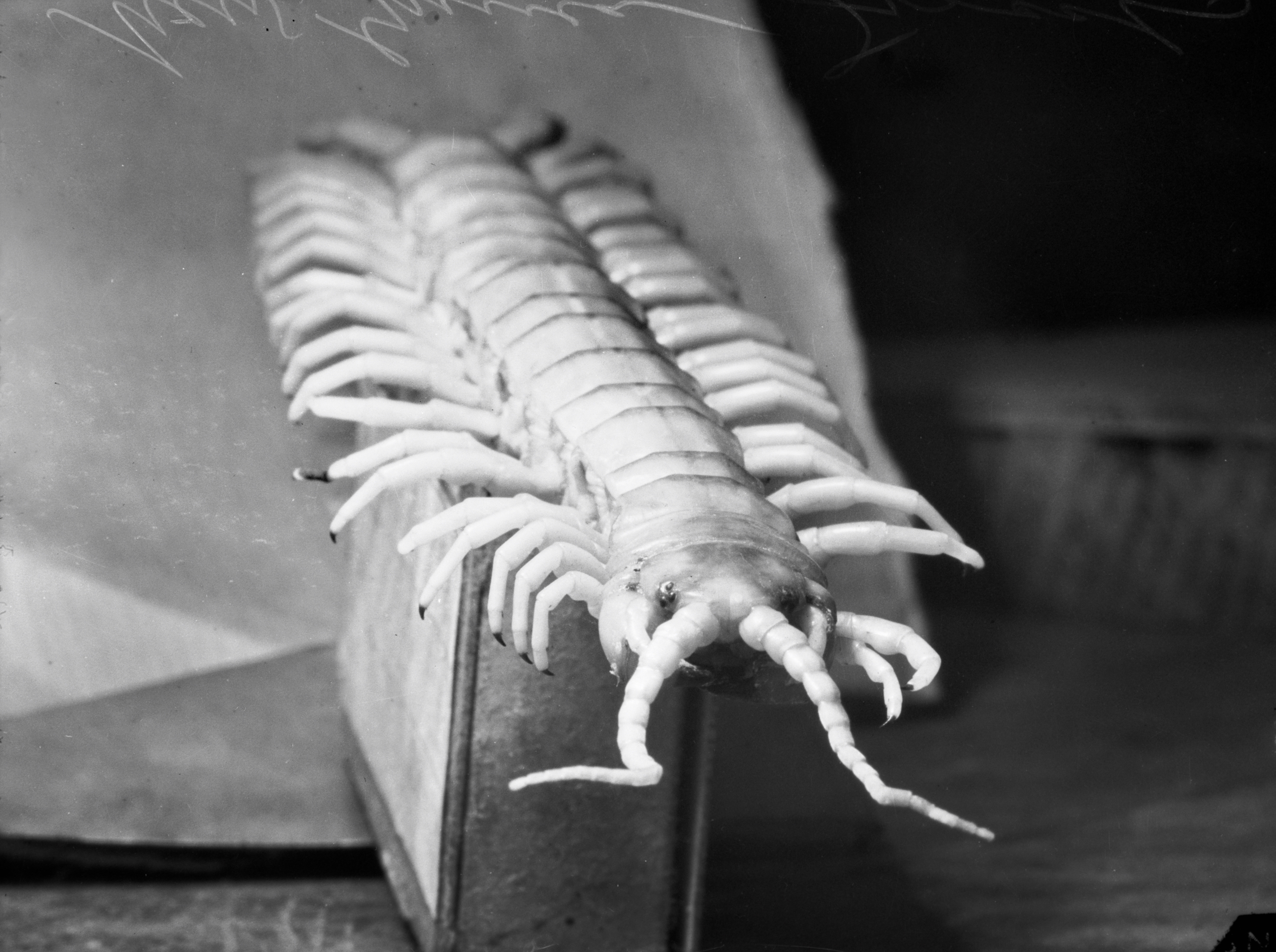
A 42 legged centipede, one of the many insect pests with which Australian servicemen have to contend with serving in New Guinea. 1943-12-30.
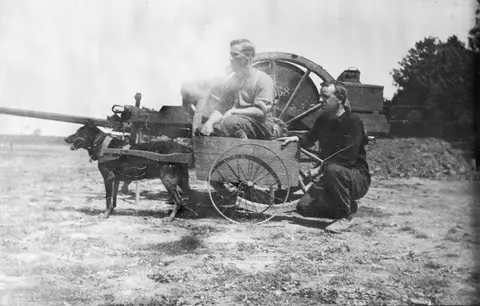
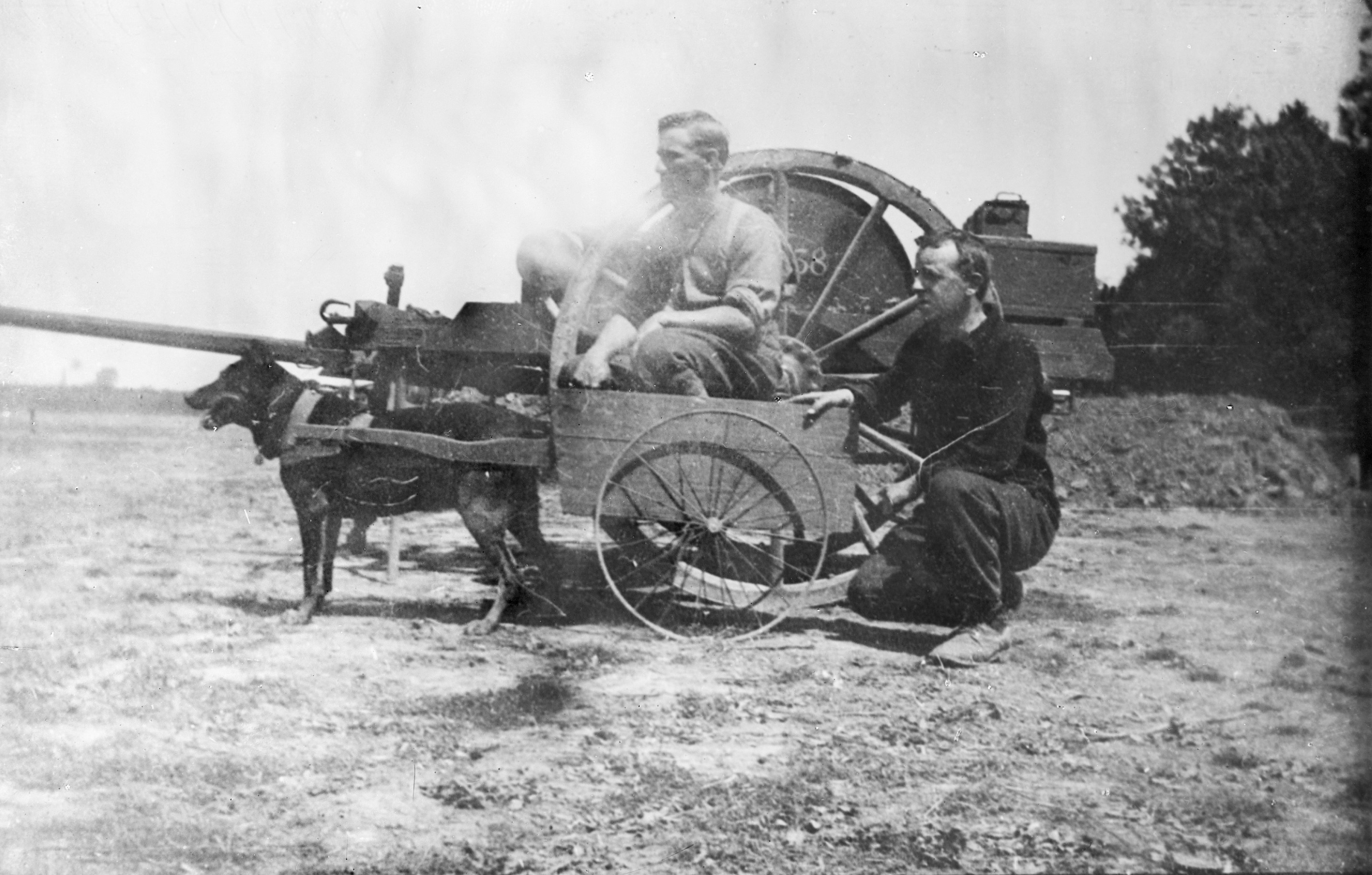
A German message dog captured by the 13th Battalion near Villers-Bretonneux on 3 May 1918. The two soldiers in and behind the dog cart are Corporal Green and Private Martin.
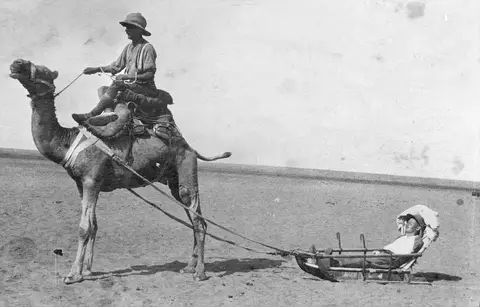
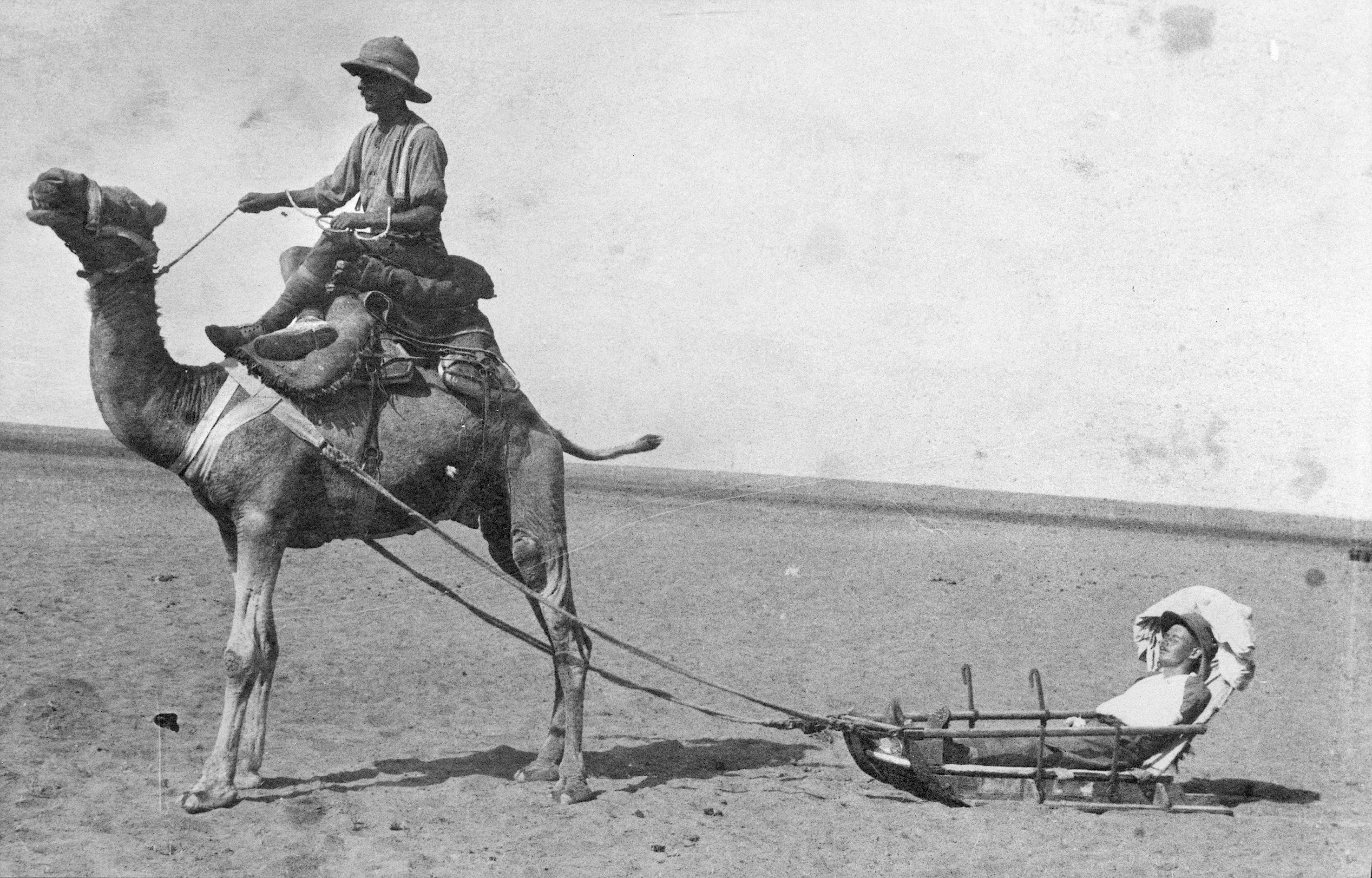
A cacolet fitted with sand runners and harnessed to a camel for transport of casualties in desert areas.
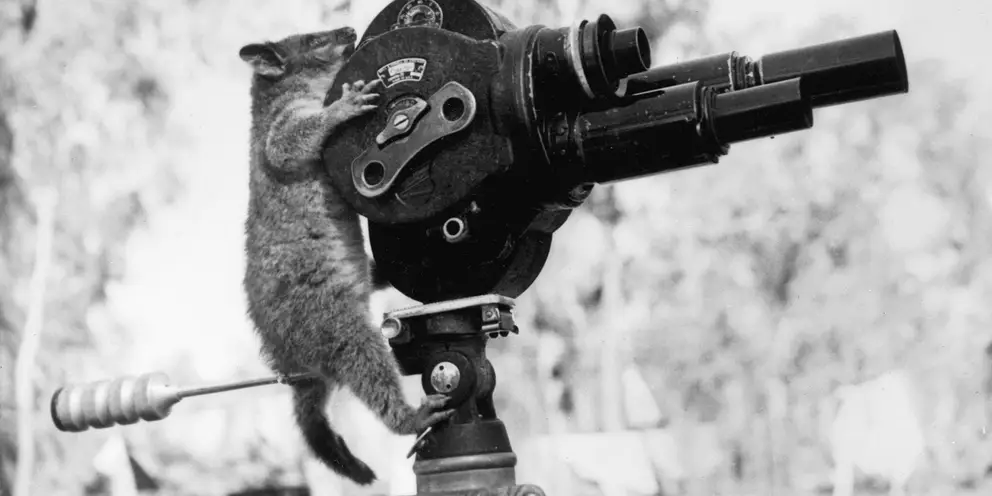
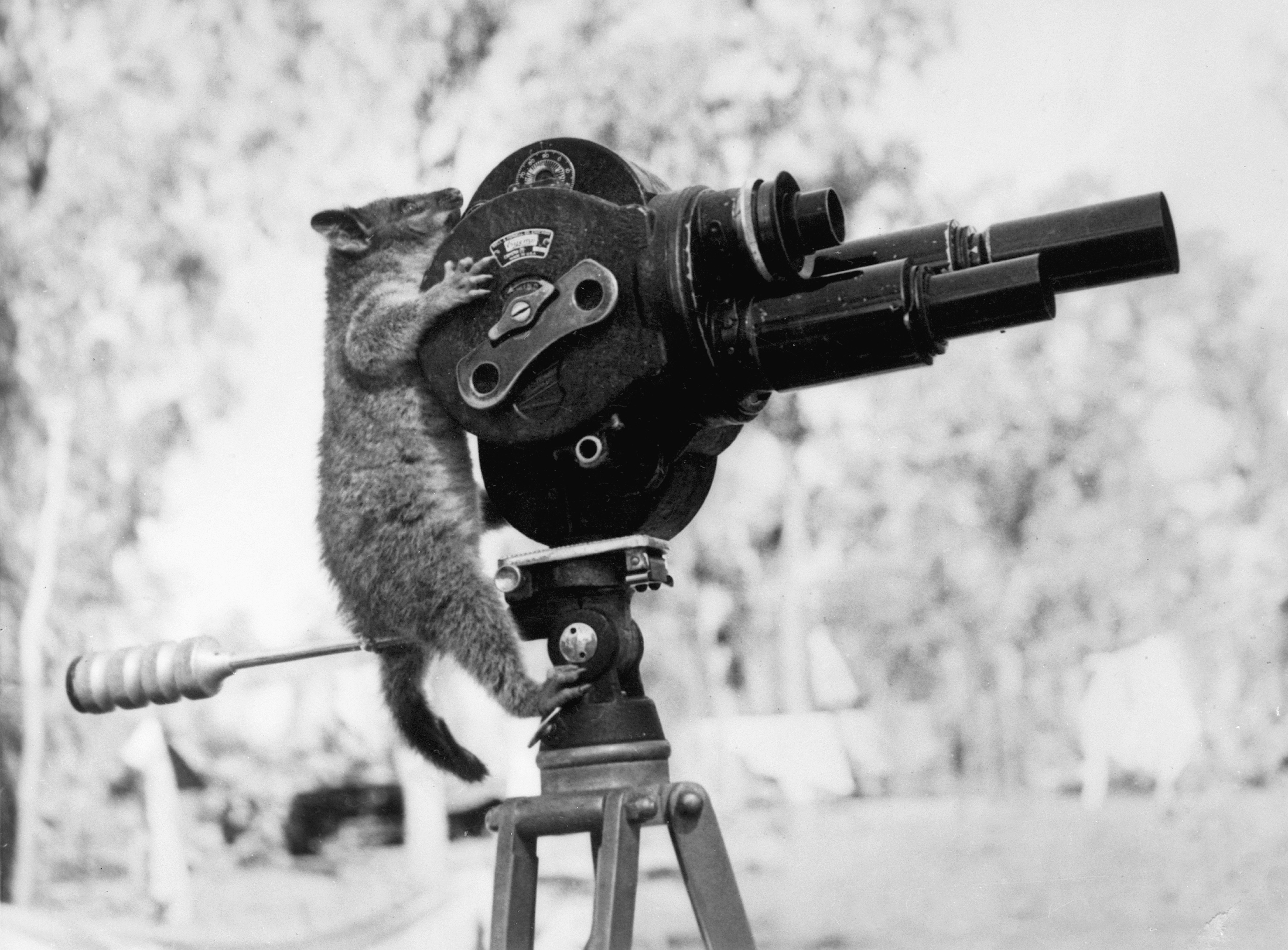
Northern Australia. A pet ring tailed possum examines department of information movie camera somewhere in north Australia and assumes the operators' stance. (negative by H. Dick).
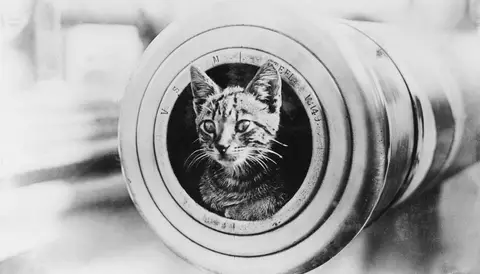
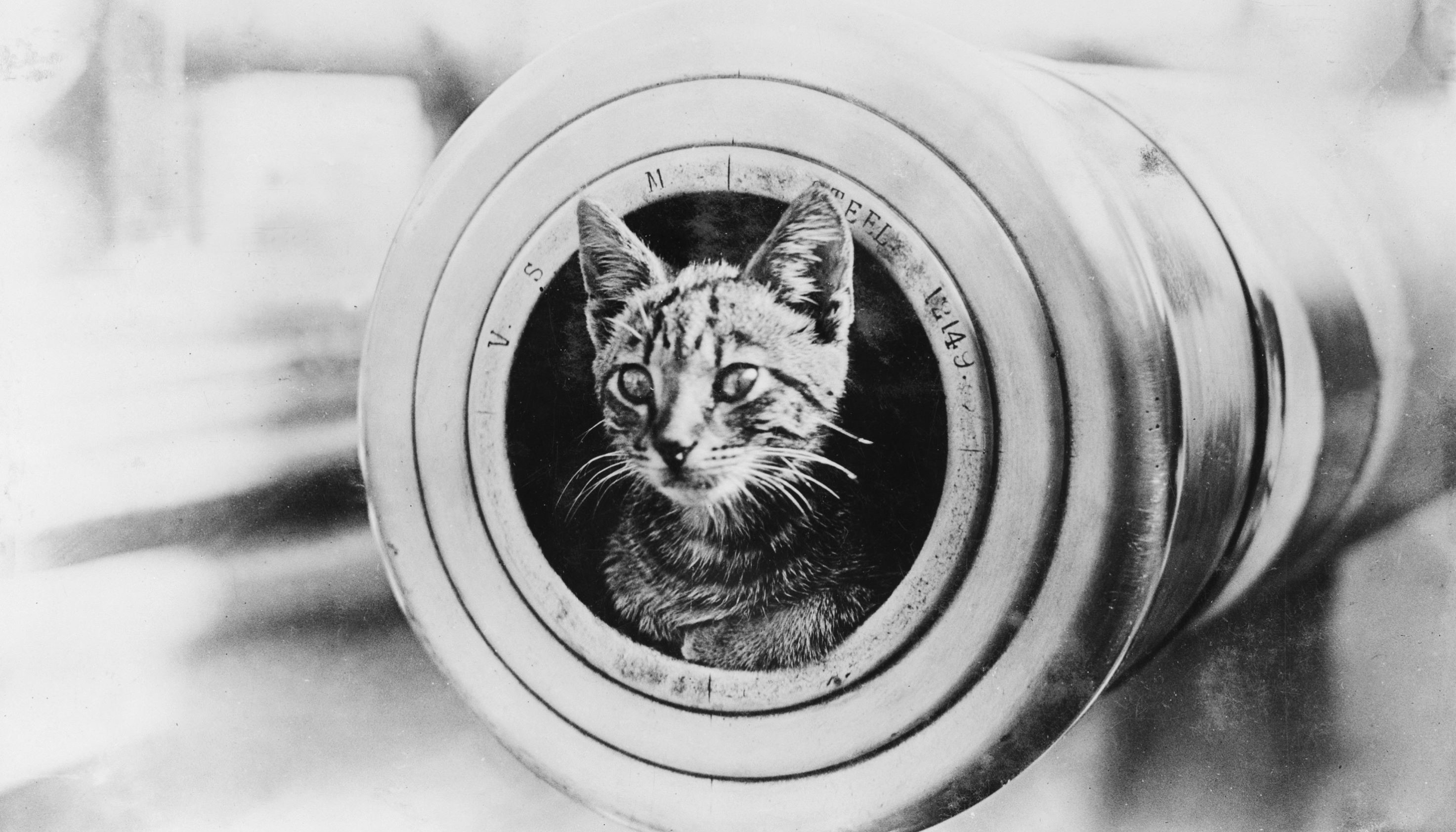
The feline mascot of the light cruiser HMAS Encounter, peering from the muzzle of a 6 inch gun.
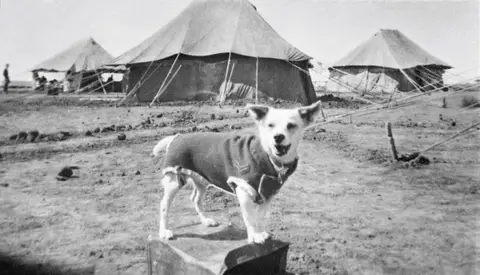
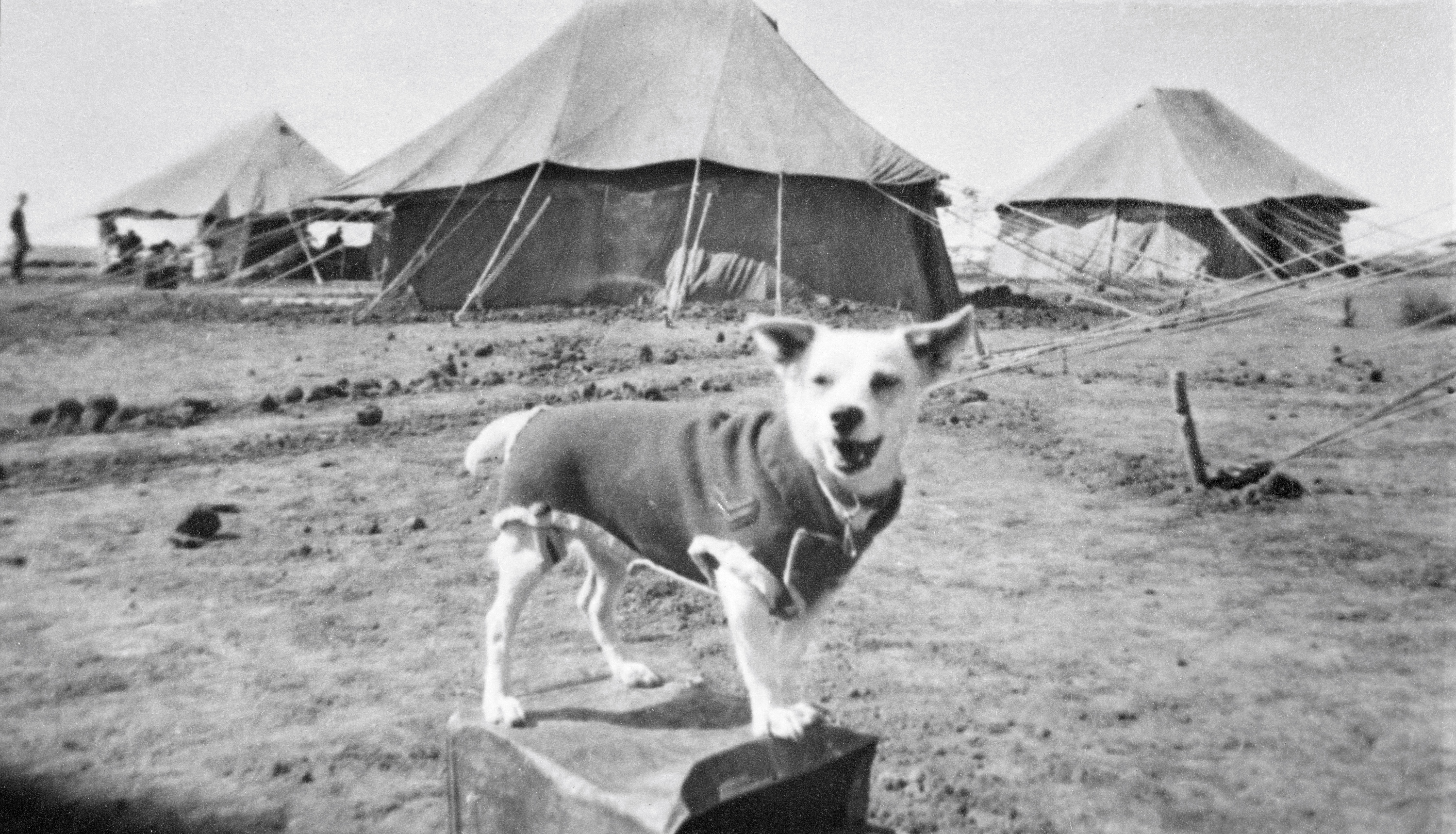
Horrie the Wog Dog, the four-legged mascot and campaigner attached to the 2/1st Machine Gun Battalion, seen here standing on a fuel can wearing his Corporal's uniform. 'Horrie the Wog Dog' was a white Egyptian terrier cross puppy who was found in the Ikingi Mariut area of the Western Desert by VX13091 Private (Pte) James (Jim) Bell Moody, a despatch rider with 2/1 Machine Gun Battalion.