Step inside the Australian War Memorial's new Anzac Hall
 +
+
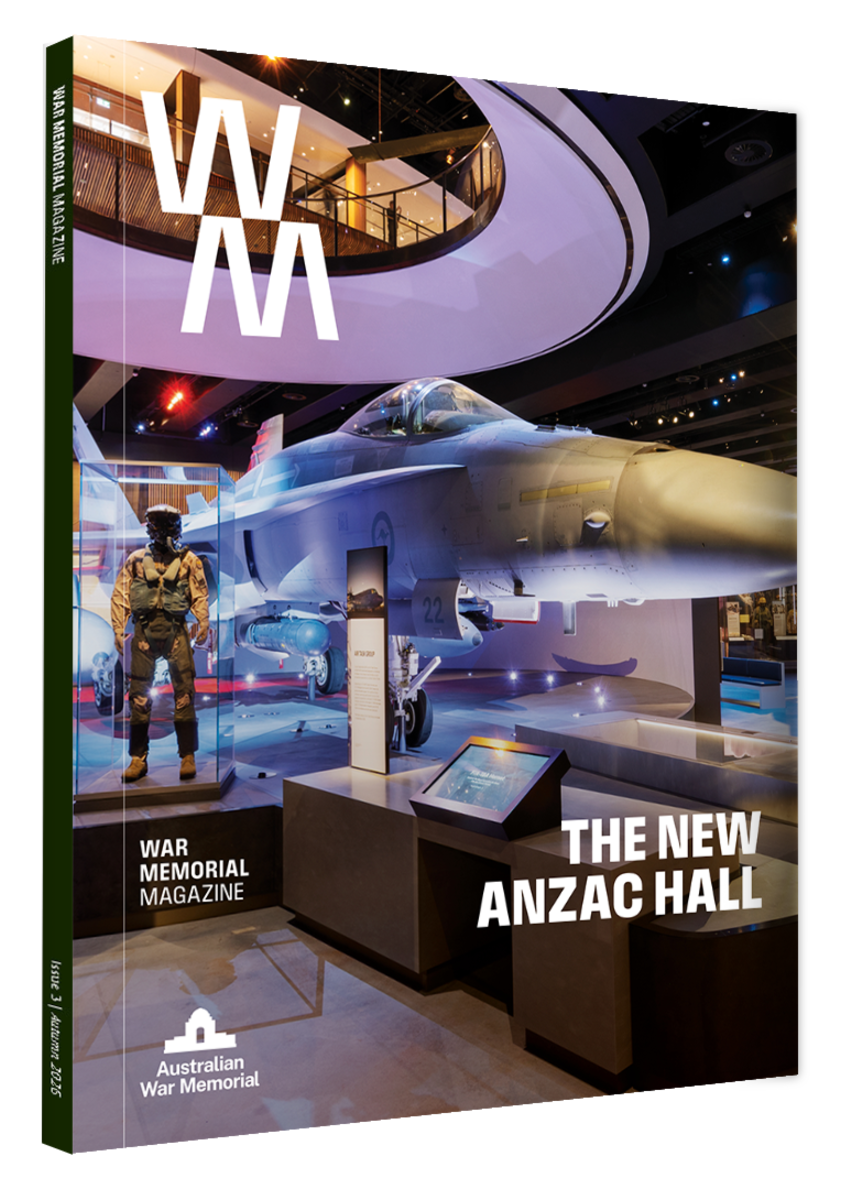
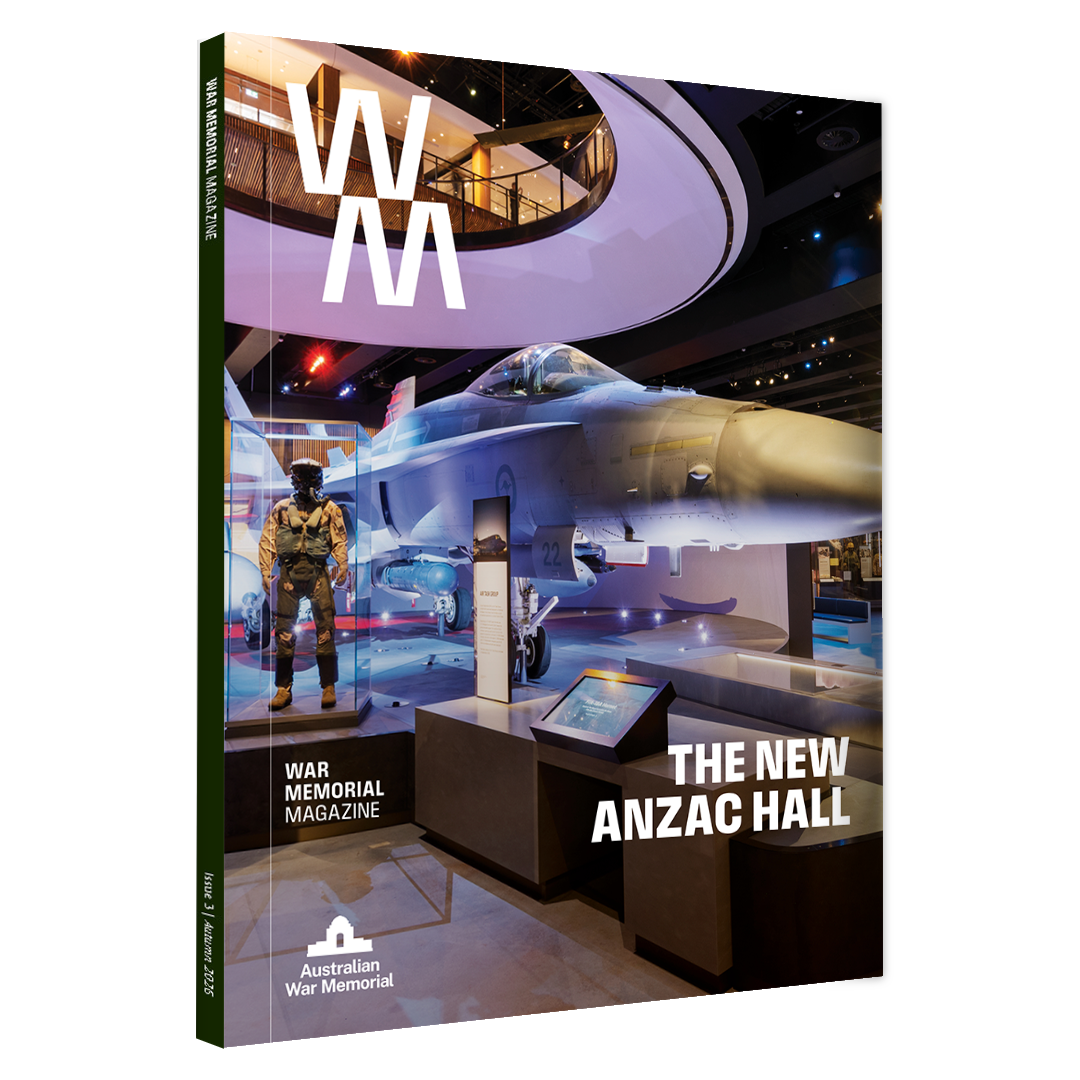
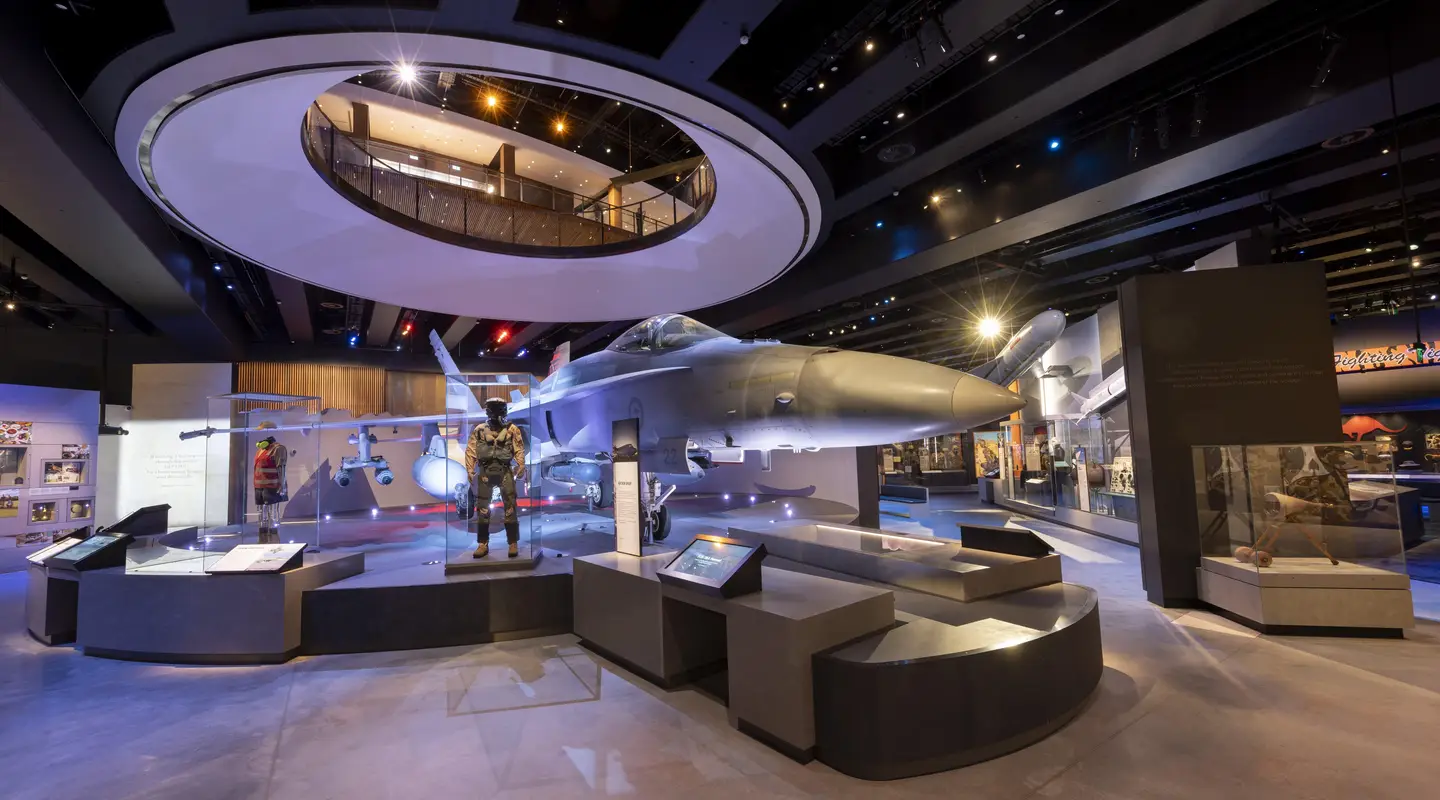
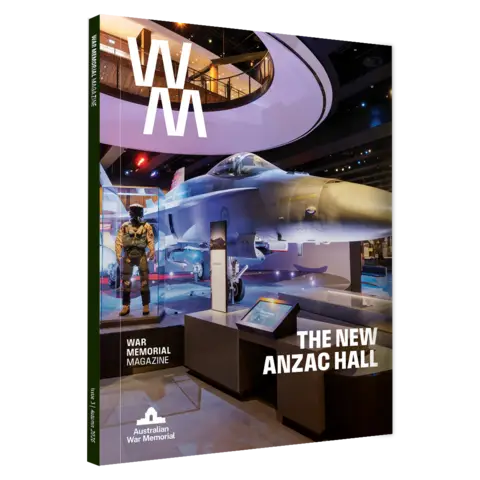
The cover image for WM issue 3 features the McDonnell Douglas F/A‑18A Classic Hornet, displayed in the new Anzac Hall, marking a pivotal era in Australia’s modern military history.
Deploying to the Middle East with the Royal Australian Air Force during the Iraq War in 2003, this Hornet, A21-022, carried out combat operations with No.75 Squadron during Operation Falconer.
During Operation Falconer, 75 Squadron provided protection to coalition aircraft including air to air refuelers and intelligence aircraft. It also provided Close Air Support (CAS) for Australia’s Special Air Service Regiment.
Returning to the Middle East from October 2016 to May 2017 as part of Operation Okra, it flew combat missions against Islamic State in Northern Iraq and Syria with Nos 75 and 77 Squadrons.
A21-022 was retired from the RAAF in 2020 after more than 30 years of service and over 6,000 flying hours.
Facts (as fast as a Hornet)
- F/A stands for Fighter/Attack - the F/A-18A Classic Hornet is capable of performing both air-to-air fighter missions and air-to-ground strike missions
- Max. speed - is around 2,200 km/h, which is roughly 1.8 times the speed of sound
- Wingspan - over 12 metres
- Weight (gross) - 25,400 kg
🎧Watch and listen
Hear from the Memorial’s Large Technology Conservator, Kim “Woody” Wood.
From dismantling the aircraft in the late 1980s to preparing it for repair, to welcoming the F/A‑18 back into the National Collection years later—this is a story of craftsmanship, memory and a reunion with an old friend.
Supersonic jet, timeless pipes
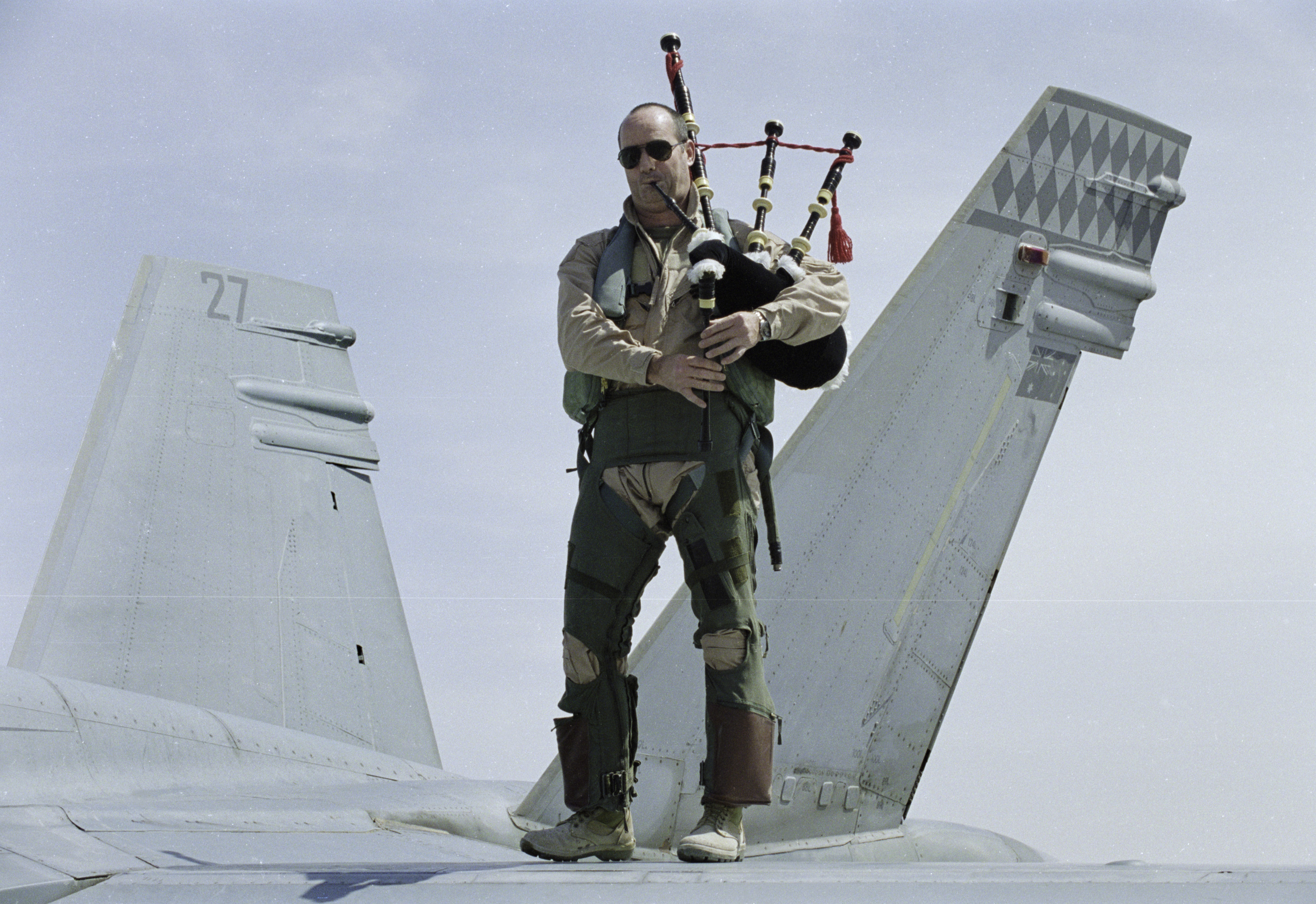
Wing Commander Melvin Hupfeld, 75 Squadron RAAF, marks the completion of the Squadron's last combat mission as part of Operation Falconer by playing the bagpipes on the wing of his F/A-18A Hornet.
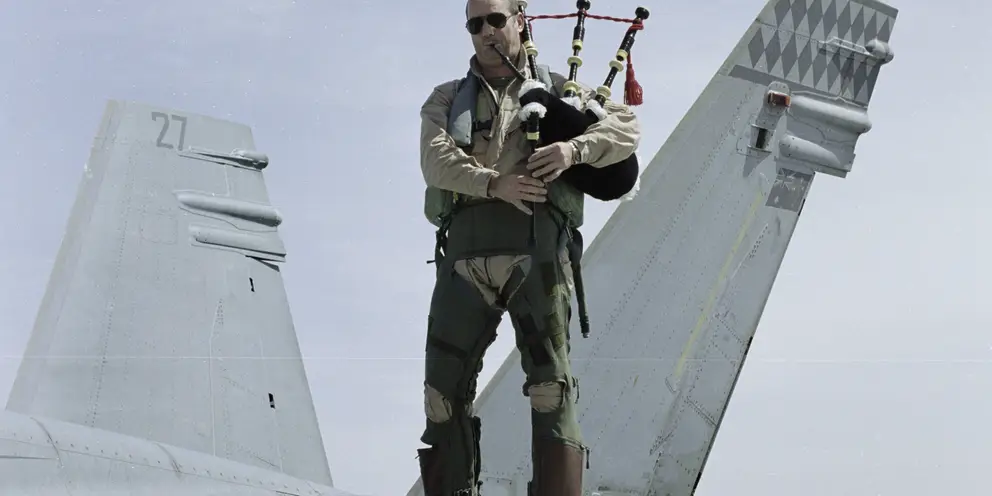
Discover the F/A-18A Hornet in the Conflict in the Middle East from 1990 gallery.