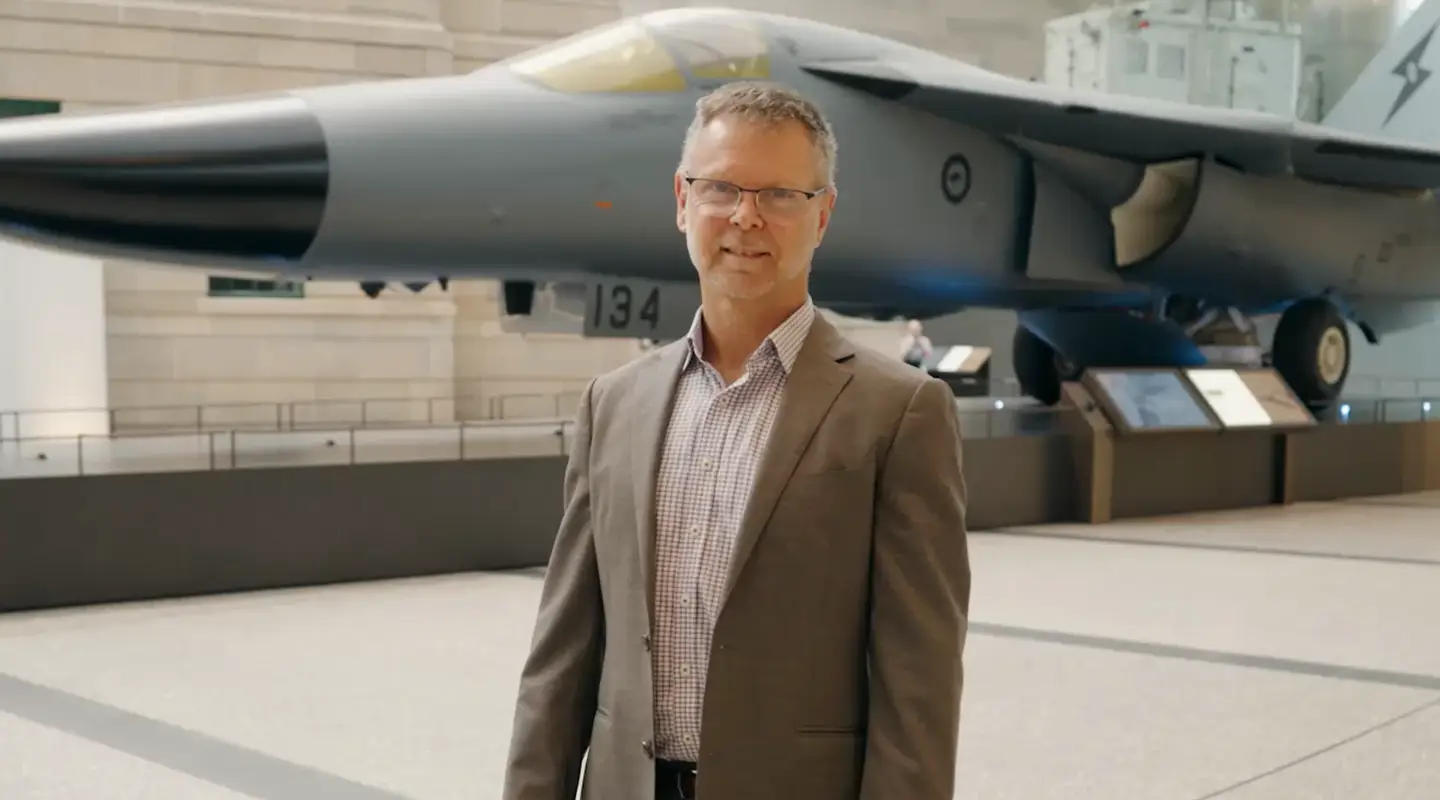
Service, history, and the proud family tradition of defence of Country
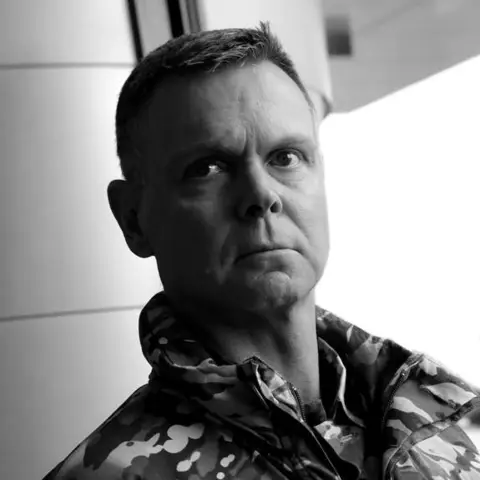
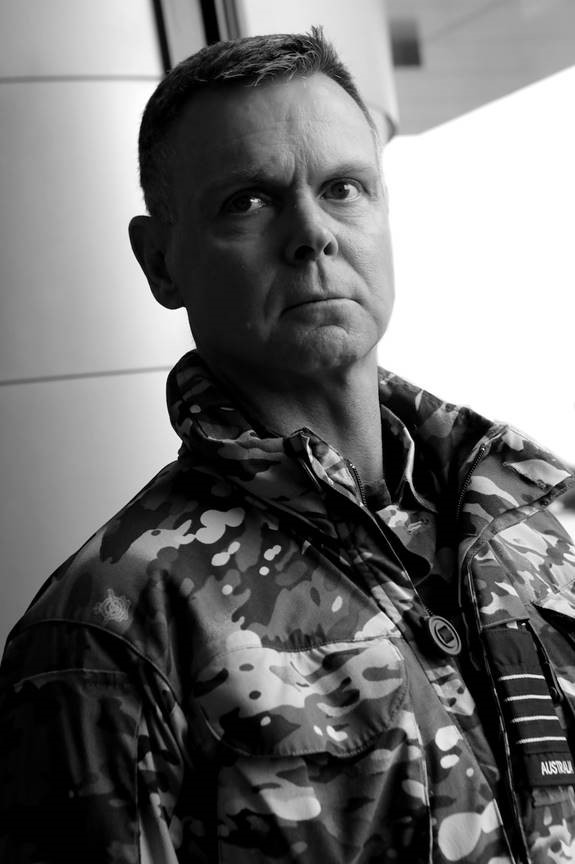
Lyle Holt, Royal Australian Air Force, proud Palawa man. Photograph by Belinda Mason, 2026.
Among the pilots of the RF-111C strike/reconnaissance aircraft now on display in the Memorial’s new Anzac Atrium is Lyle Holt, whose family history of military service reaches into all corners of Australian history.
After 34 years of service, including operational tours in Afghanistan, Iraq, and the Middle East, one of Lyle Holt’s last jobs with the RAAF saw him serve as the Commander of United Nations Command–Rear in Tokyo, Japan, leading a small, multinational team responsible for maintaining basing access in Japan for multinational forces in support of the Korean Armistice Agreement.
Putting an end to formal hostilities in the Korean War, the 1953 armistice created a ceasefire which has held for more than 70 years, and established the demilitarized zone (DMZ) separating North and South Korea.
Watch Lyle's story
I'm Lyle Holt. I've just completed 34 years of full-time service in the Australian Defence Force. For 10 years of that, I was an F-111 navigator, including flying this aircraft behind me.
I had the honour in January of 1999 to fly an F-111 over the War Memorial and do a dump and burn as part of the opening of its last major redevelopment.
But for me, a legacy is actually less about the equipment, as cool as it is, and more about the people and that family history.
I'm pleased to see so many families here of multi-generations. So, I've got my son here as well.
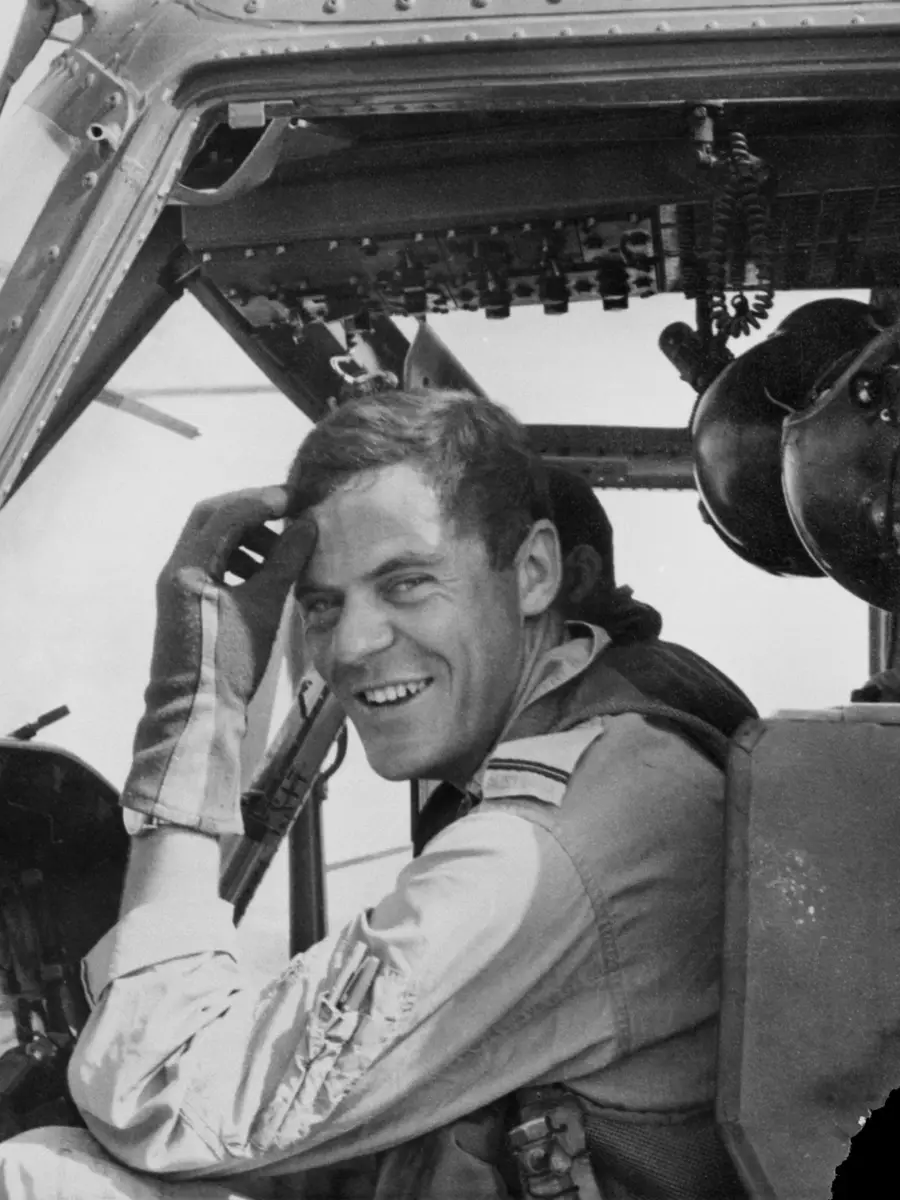
I knew that my father had served in the Navy in the Korean War in HMAS Anzac between 1952 and 1953. He died when I was really young, so I had to do a lot of that piecing together of his story by myself.
But what I did find inspired me. He was a kid from country Tasmania, Flinders Island. He had a career beforehand as a jockey and then joined the Navy as a cook and eventually made the rank of leading officer's cook.
And that probably drove my desire to consider or think about a career in the military.
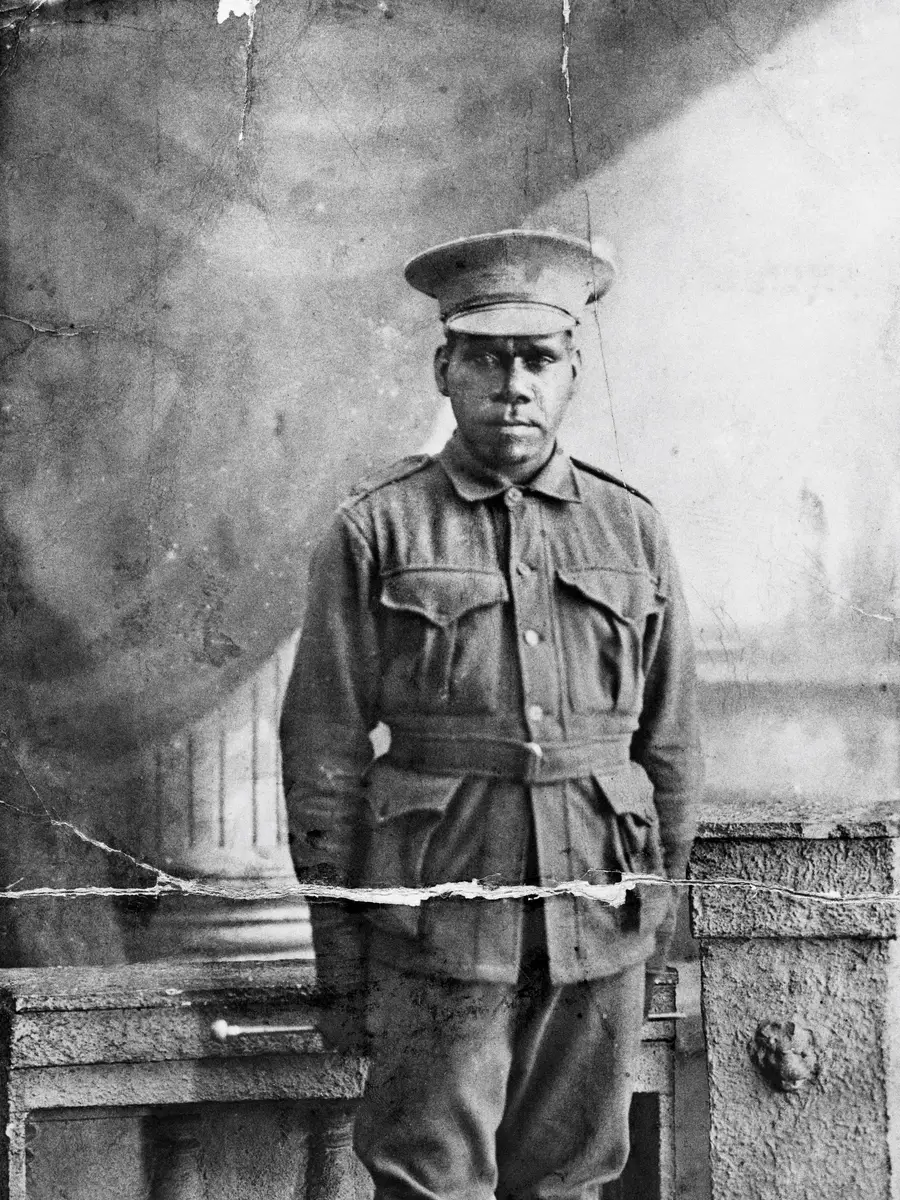
Years later, I was given a photo of my grandfather from a newspaper and the caption said, Harold John Holt wearing his medals from Gallipoli.
I knew nothing of my dad's side of the family at all. And so that was the starting point for me then to start unpicking what this service was, who this man was.
My uncle Pat served in the Second World War in a Tasmanian battalion, the 2nd 40th. He was deployed to West Timor and after a three-day battle with the Japanese in February of 1942, was captured and spent the next three and a half years as a prisoner of war.
Survived the war, rejoined the Army and fought in Korea and fought with three RAR in the Battles of Kapyong and the Battle of Maryang-San.
An interesting time, he was the same as many young men of his age, whose fathers had been to the First World War. His father had obviously survived to come home and had their own family.
So, I can only imagine the level of personal trauma that the family were immersed in from that service and for him to then, as many of his generation did, join up in the Second World War and then to go through what he went through.
I was fortunate enough to be able to give the Australian address at the 73rd commemoration of the Battle of Kapyong in Kapyong Village.
We then were able to walk the battlefield and it was very moving to see what he would have seen. And it was nice to be able to play some small part in commemorating that 73 years later.
My family from Flinders Island can trace our lineage back to Mannalargenna, an Aboriginal warrior from the Frontier Wars.
The legacy is less about fighting foreign wars as it is defending country. So, I'm proud to have been able to continue that for our family.
I like that I can continue to bring them to places like this to see things like the F111. To see things like the gun that my grandfather used in the First World War, to see the diorama of Kapyong, to see how their broader family unit imparted their service to this country and sacrificed as a result.
And I hope that as a part of that, they have a better understanding of who they are and where they came from.
They saw a lot less of me over the later years. So, my service has always been at the forefront of their sacrifice.
I've used the Memorial spaces before I knew my history and heritage.
I've formed lifelong relationships with staff members here at the Memorial to help me do that research. It's an important national resource.
From Bean's original concept coming out of the First World War to where we are today, we as a nation have a different view of protection of country.
And I think it's great that the memorial is expanding into that space, expanding into deeper stories of service in some of our more modern conflicts, telling a multidimensional story of our national service in those conflicts.
I think everyone will take away from the War Memorial something different.
Defending country across generations
Lyle’s service ties him to the service of his father, Lyle Holt Senior, who served on HMAS Anzac with the Royal Australian Navy during the Korean War.
His uncle – Pat – also served in Korea, fighting in the battles of Kapyong and Maryang-San with 3RAR. Before this, he saw action in the Second World War with the 2/40th Battalion, became a Japanese prisoner of war, and survived forced labour on the Sumatra Death Railway.
Lyle’s grandfather, Harold John Holt, was a veteran of the First World War, who served on Gallipoli and the Western Front.
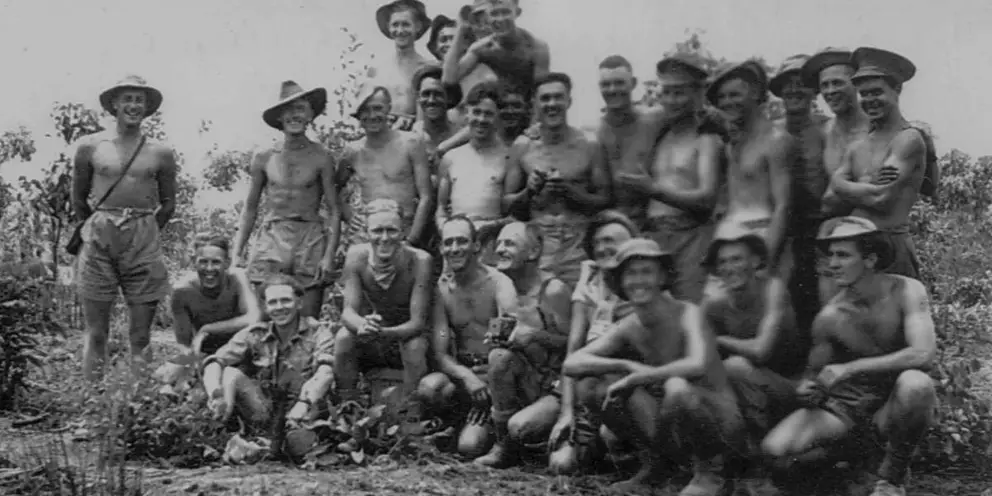
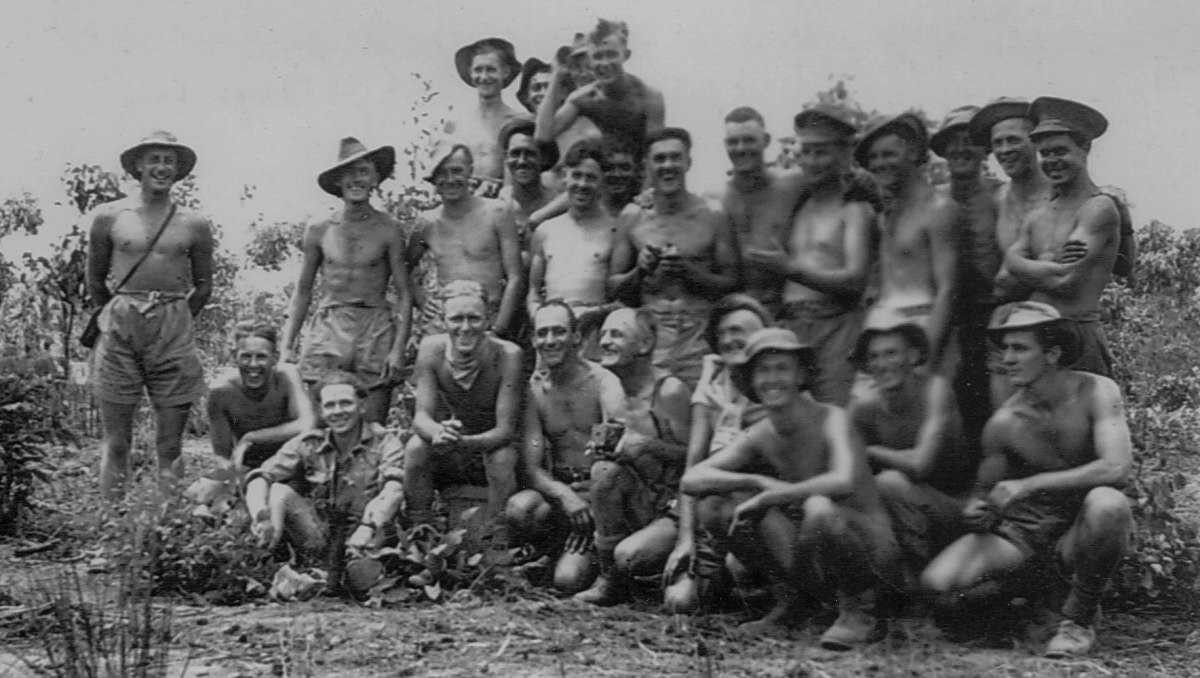
Lyle’s uncle Pat Holt (far right, standing, wearing driver’s cap) during his service. Photograph by Ian Skennerton.
But the Holt’s family legacy as warriors fighting for Country is older even than this. As Palawa men, they are all proud descendants of the Aboriginal warriors who fought British colonists in the Black War (also known as the Tasmanian War), waged in the 1820s and 1830s.
Among their number was Mannalargenna, a Chief of the Trawlwoolway clan in what is now the North East Nation. Following the arrival of British in the area, he led guerrilla-style attacks against British settlers in the colony of Van Diemen's Land during the Black War.
This violent conflict between British colonists and Aboriginal Tasmanians from the mid-1820s to 1832 saw the near-extermination of the Indigenous population. Fought largely as a guerrilla war, some 600 to 900 Aboriginal people and more than 200 British colonists died.
Spanning from the colonial period to today, Lyle Holt’s story is astounding, but is not as uncommon as one might think. The proud tradition of Indigenous defence of country involves many families with lineages of service and sacrifice that span Australian history.
Indigenous Australians have an extensive history of fighting in every major conflict the nation has faced since before Federation.
We honour their history and stories, highlighting the continuing connection and immense contributions Aboriginal and Torres Strait Islander peoples make to Australia's military history.