Indigenous art is expanding Australia’s national story.

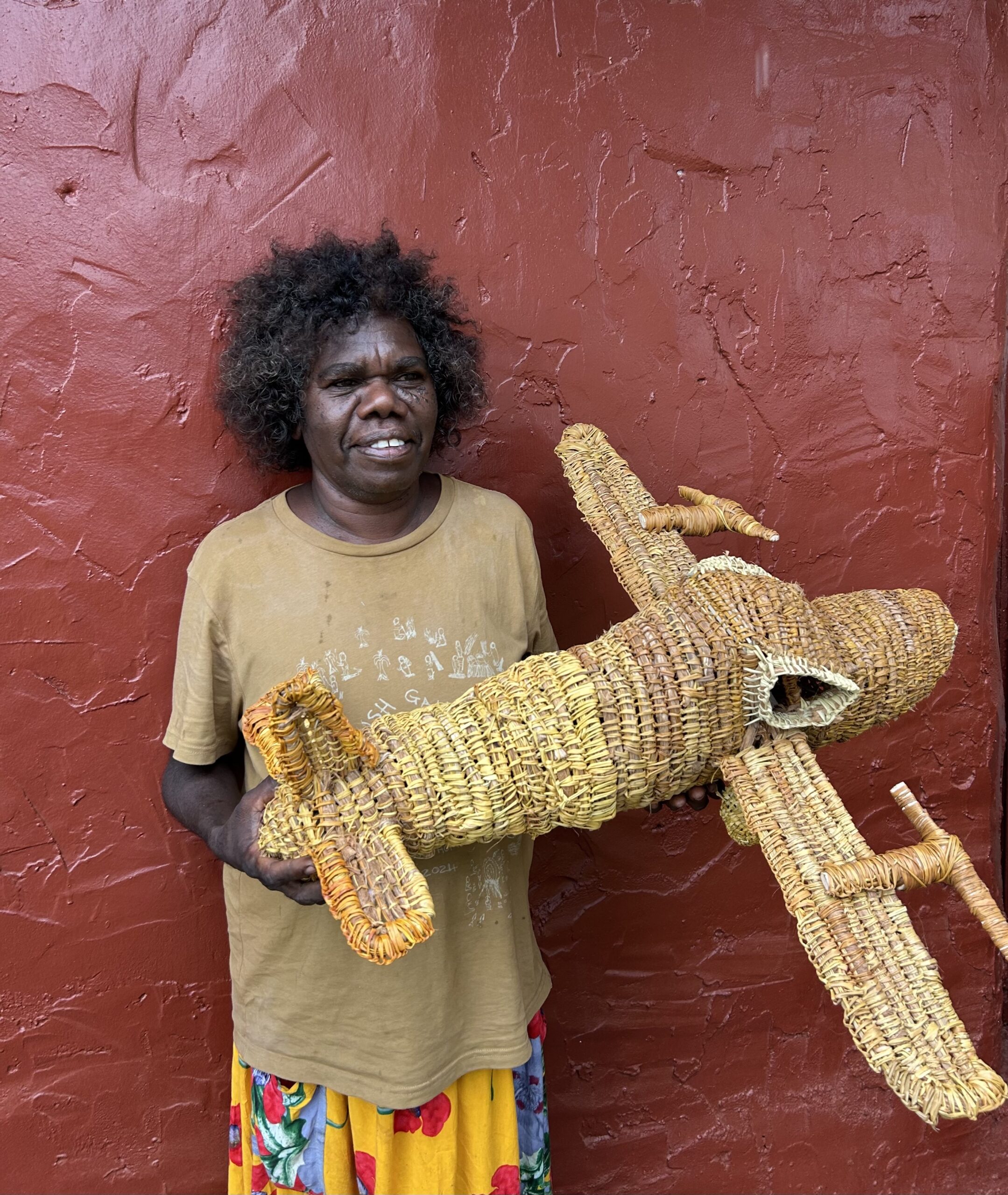
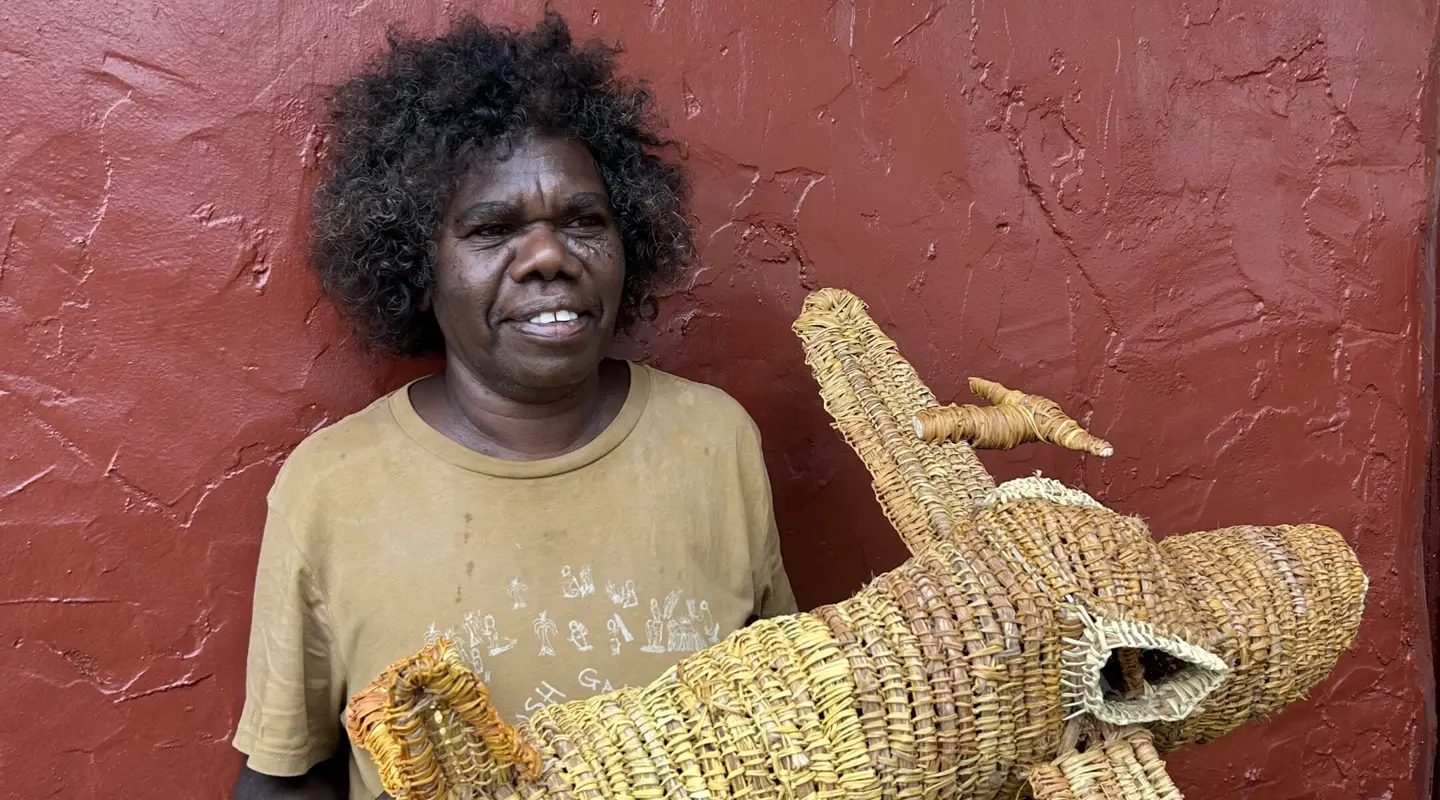
Jennifer Dikarr with World War II plane. Courtesy of Milingimbi Art and Culture, 2025. AWM2025.379.2
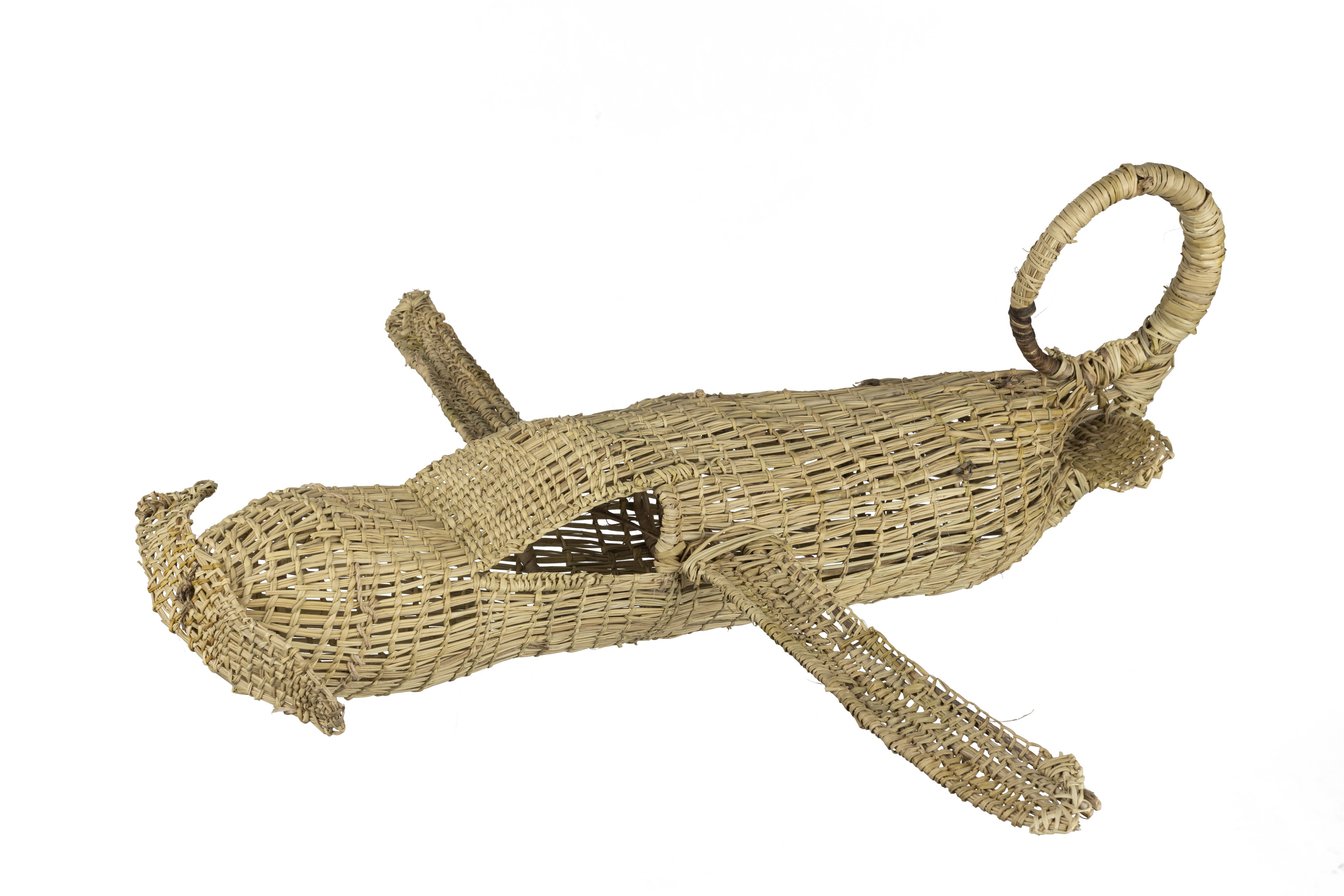
When Yolŋu artist Jennifer Dikarr Malarra Roy (b. 1969) began weaving the delicate pandanus fibres that would form her sculptural World War II plane, she was not only creating a striking contemporary artwork. She was keeping community memory alive.
Dikarr’s sculpture recalls the bombing of Yurrwi/Milingimbi Island in 1943, an event remembered vividly by the artist’s family and community. Woven with expert precision and cultural authority, the plane is both a memorial and an educational object, prompting viewers to ask questions, seek stories, and understand the lived experiences behind the historic event.
This is one of a growing number of First Nations artworks entering the national collection through the Defending Country Indigenous Acquisitions Program, an initiative supported by Boeing Australia to enrich the ways in which the Australian War Memorial can tell the story of Australia’s military past.

Jennifer Dikarr Roy, World War II Plane (74 x 80 x 30 cm, pandanus, sedge grass & kurrajong fibre). AWM2025.379.1 Courtesy of Milingimbi Art and Culture, 2025. AWM2025.379.1
“That plane is Dhäwu-mirr – it has story,” she explains. “I made that plane so it can go to the museum and tell that story… to keep that story strong for everyone.”
Jennifer Dikarr Malarra Roy
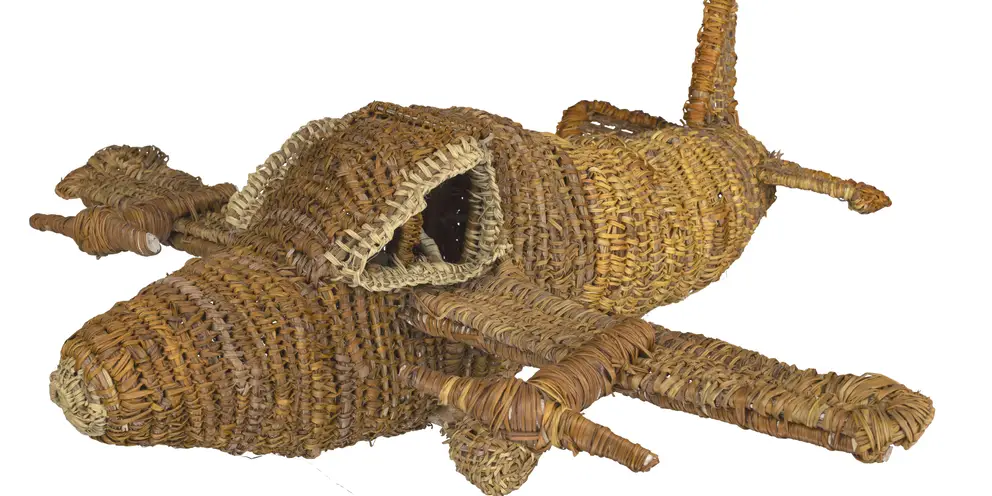
Jennifer Dikarr Roy, World War II Plane (74 x 80 x 30 cm, pandanus, sedge grass & kurrajong fibre). Courtesy of Milingimbi Art and Culture, 2025. AWM2025.379.2
A program grounded in self-determination
Launched in 2022, the program aims to ensure that Aboriginal and Torres Strait Islander experiences – long under-represented in the Memorial’s collection – are recognised, preserved and shared. Through the Boeing partnership, significant artworks that honour First Nations veterans, families and communities are being commissioned.
The program is not simply about adding artworks. It reflects a shift toward artist-led, community-driven collaboration, in which Elders, cultural leaders and veterans guide how their stories are told. This approach ensures that the Memorial’s growing First Nations collection is culturally informed, respectful and grounded in relationships: one that respects Indigenous cultural and intellectual property rights.
The Miringu Project: honouring all who were affected by war
A powerful example of this approach is the creation of six larrakitj (painted hollow log coffins). These works support the Yolŋu (or Yolngu) led Miringu (Warriors) project. This will share from a Yolŋu perspective the story of the Northern Territory Special Reconnaissance Unit (NTRSU) and its wartime experiences in East Arnhem Land during the Second World War. Commissioned in liaison with the Miringu Cultural Authority, the Army, and the region’s Art Centres ... each larrakitj is painted by family members connected to the story.
Yolŋu artist Yalanba Wanambi (b. 1973) is a veteran of Norforce (North-West Mobile Force, an infantry regiment of the Australian Army Reserve). He has strong connections to the Yolŋu warriors who formed the NTRSU via a makarrata (peacemaking ceremony) on his Country in Trial Bay in 1942. Wanambi painted Marrakulu clan miny’tji (designs) to honour his father, Mithili Wanambi, who took part in the makarrata and served as a member of the NTSRU, blending memorial, testimony, and cultural authority.
Expanding the national narrative
Together, these works affirm how Indigenous knowledge systems preserve histories that are often absent from official records and highlight their contemporary relevance.
Through works like Dikarr’s woven planes and the Miringu larrakitj, the Defending Country program is transforming how Australians understand the past. These artworks demonstrate that defending Australia includes defending culture, honouring ancestral knowledge, and strengthening First Nations voices.
“This project is a testament to the importance of Indigenous communities seeing their service and experiences reflected in Australia’s military history. As long-term supporters of the Australian War Memorial, we’re honoured to support First Nations artists in producing and displaying their art as a contribution to our nation’s storytelling.”
Steven ‘Zed’ Roberton, president of Boeing Australia, New Zealand, and South Pacific