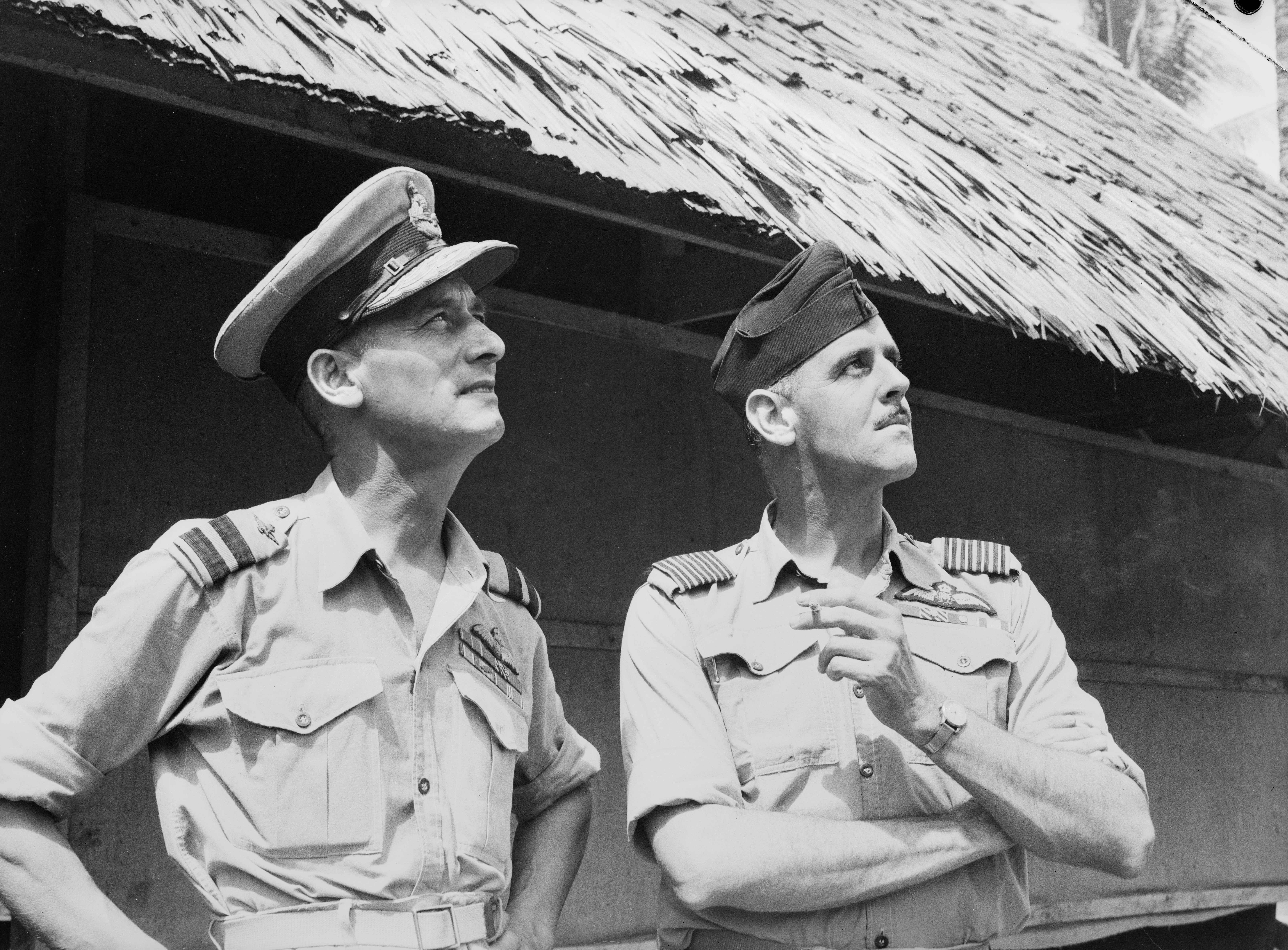
Discontent with Royal Australian Air Force leadership led to the Morotai Mutiny in 1945.
This gets very close to Mutiny, does it not,” John Barry KC (King’s Counsel) asked Group Captain Wilfred Arthur.
“Yes,” Arthur responded. “I meant to make as big a fuss as I possibly could with the object of getting the position corrected.”
Arthur may have agreed that his “fuss” was close to mutiny, but he did not seriously think he and seven other Royal Australian Air Force officers would face a trial for mutiny, even though they had been prepared to commit it as a final resort. Yet, Arthur and his fellow “mutineers” were being questioned in a Commission of Inquiry about a potentially mutinous action.
How had this come about?
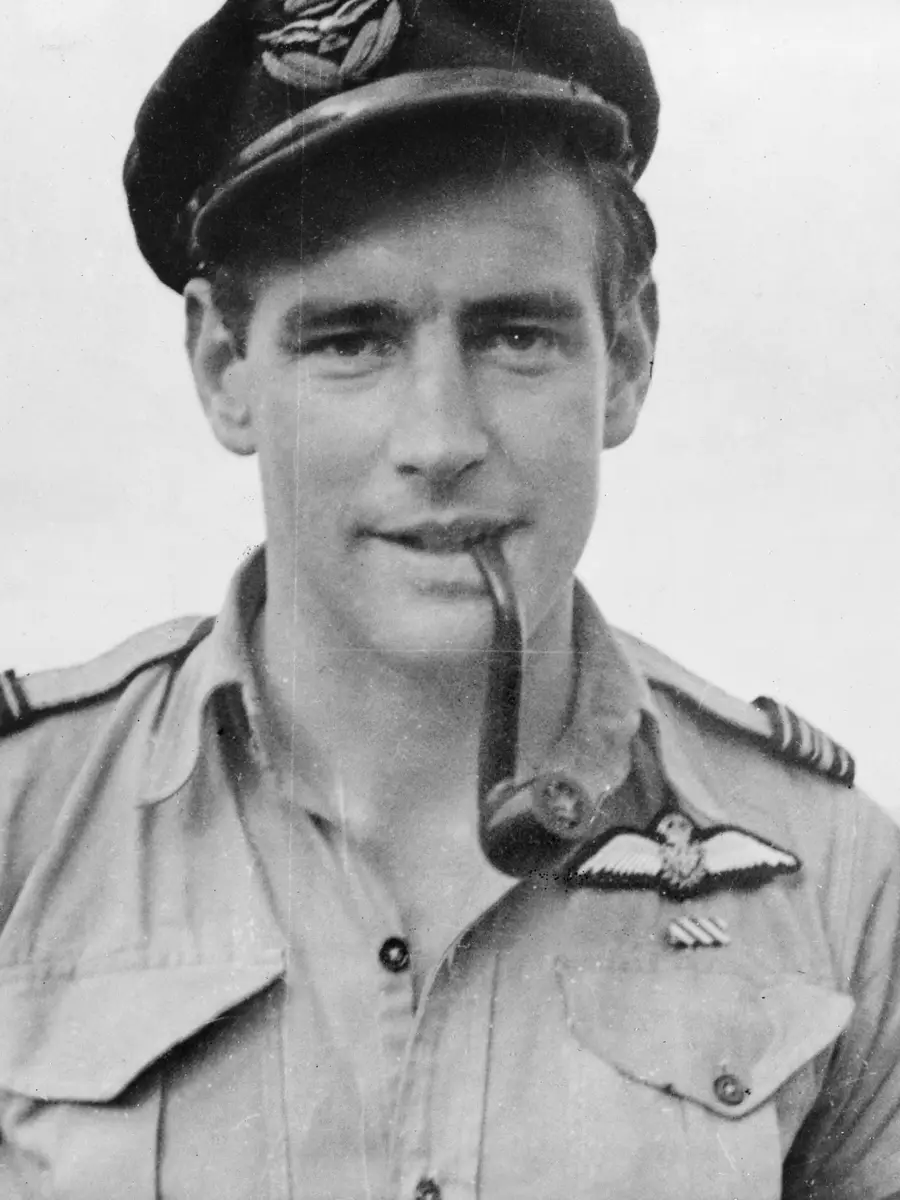
Arthur, a flying ace who had served with distinction in North Africa and New Guinea before his posting to the South-West Pacific Area (SWPA), had taken command of the RAAF’s 81 Wing in December 1944. Based at Noemfoor and Labuan in the Dutch East Indies (now in Western Indonesia and Malaysia, respectively), 81 Wing was part of the RAAF’s First Tactical Air Force (First TAF), tasked with neutralising Japanese forces and destroying their installations throughout the SWPA.
Within weeks, Arthur began to wonder why his wing’s sorties had achieved so few results. After visiting the targets, he saw their limited value. In his opinion, they were simply not worth attacking.
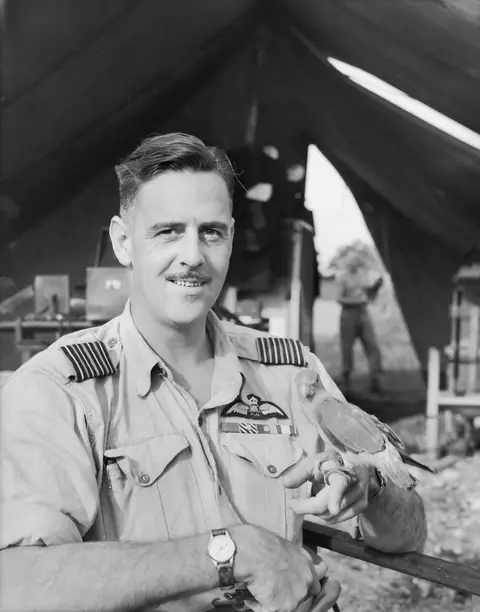
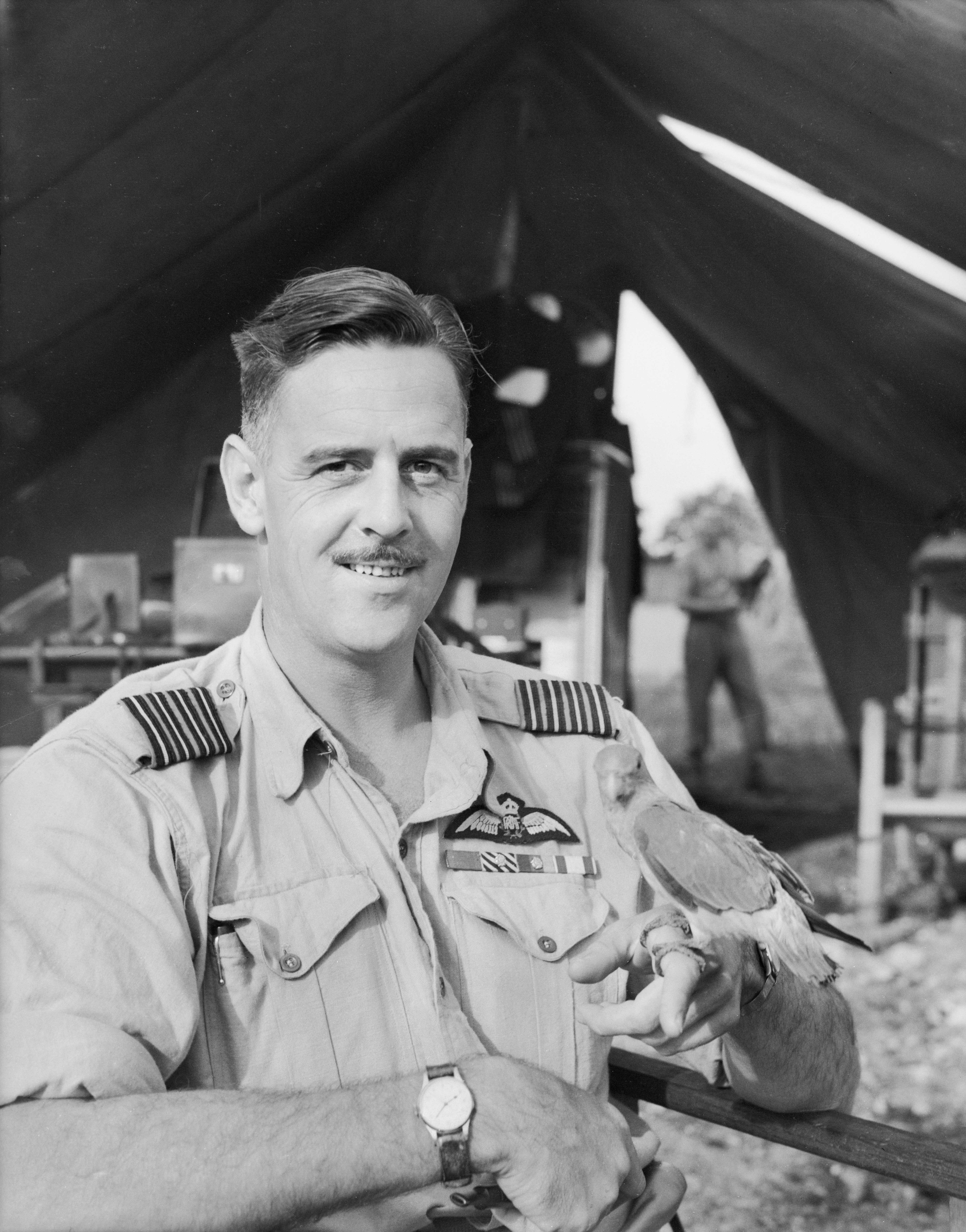
Caldwell with a pet parrot outside his command tent on Morotai, 6 January 1945. Photo John Harrison.
Arthur was so concerned about the hazards that he cancelled risky sorties which he thought had little merit. He asked his intelligence officer to compile a balance sheet of 81 Wing’s operations during the preceding three months, showing the expenditure in pilot deaths, aircraft, petrol, bombs and ammunition, weighed against damage to the enemy.
The balance sheet was not a strong analysis of 81 Wing’s operations. It did not take into account the strategic need of air strikes or consider damage not seen by pilots. It failed to quantify psychological effects on the Japanese.
Despite this, Arthur took his balance sheet to First TAF’s Air Officer Commanding, Air Commodore “Harry” Cobby, on 23 January 1945. While one of Cobby’s staff deemed the balance sheet “ill informed”, Cobby thought it a fair and sincere document. Even so, he disregarded it. This had serious implications.
It was the first step towards what would become known as the “Morotai Mutiny”.
Disappointed at Cobby’s attitude, Arthur assumed that because no action would be taken to remedy the situation, there was something dishonest (as he put it) in the way First TAF and the RAAF were prosecuting the war. Arthur's feelings were strong and he soon discovered he was not alone in his opinions.
“I considered there was no attempt being made to kill Japanese, and that the only reason for most of the activities of First TAF was personal benefit of individuals within the Air Force.”
Wilfred Arthur
Dissatisfaction
Leading 80 Wing, which was also part of First TAF, Group Captain Clive Caldwell had arrived in the SWPA in December 1944 expecting to add to his personal score of 27½ enemy “kills” which had accumulated during operations in North Africa and over Darwin. Japan had launched 70 raids in recent times over Morotai, an island in the Dutch East Indies (now Indonesia) located half way between New Guinea and Mindanao in the Philippines, so Caldwell’s expectation was reasonable.
Based on Morotai, 80 Wing was responsible for the island’s air defence. The wing had opened its account on Christmas Eve by shooting down an enemy bomber. What was hailed as “flaming Christmas present” was not a portent of things to come. Caldwell did not add to his score, and Japanese attacks dwindled.
In the absence of combat, the wing mounted night patrols in which two aircraft scouted the island from an hour before dusk until an hour after dawn. During daylight, they strafed or divebombed targets of opportunity such as Japanese positions, installations, shipping and even cattle herded by locals. It was dangerous work.
Although there were few enemy aircraft in Morotai’s skies, Japanese anti-aircraft defences were active. The wing lost three aircraft during January 1945 for what, to Caldwell, seemed little strategic gain. He became dissatisfied with how his Spitfires were deployed: the risk, the apparent lack of operational benefit, and his limited opportunities as a combat pilot.
Caldwell’s frustrations were not just personal. He believed First TAF’s operations were ineffective and wasteful. He soon realised this was typical of the whole RAAF. From experience, talking to comrades such as Arthur, and studying intelligence reports, Caldwell concluded that the SWPA was a second-rate theatre, and RAAF operations in it were inadequate and ill-founded. He was quite prepared to continue in the air force if there was a useful leadership or flying role for him. If there was not, he was anxious to return to civilian life.
Caldwell’s exasperation was compounded by 80 Wing’s living conditions. There was no water at their camp site and nothing with which to dig latrines. Despite promising Caldwell what he needed to make life comfortable, the RAAF could not supply
it. For the price of a few bottles from his private liquor stocks, Caldwell arranged for his men to wash at a nearby American naval unit. He negotiated for American servicemen to haul water until he could borrow a boring plant to drill for their own. He acquired power hammers to dig latrines.
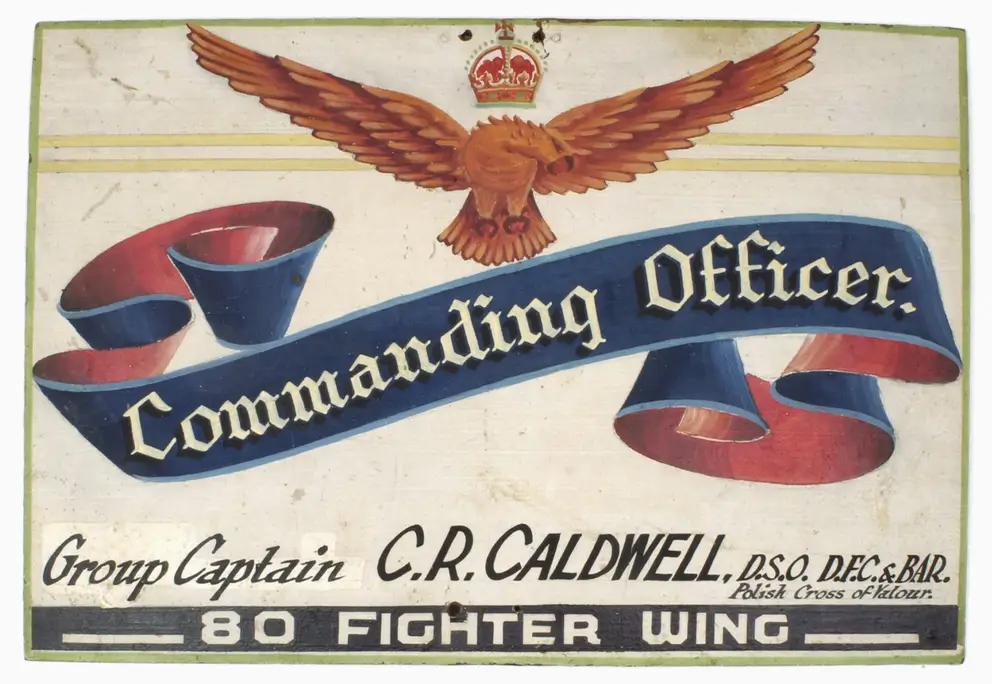
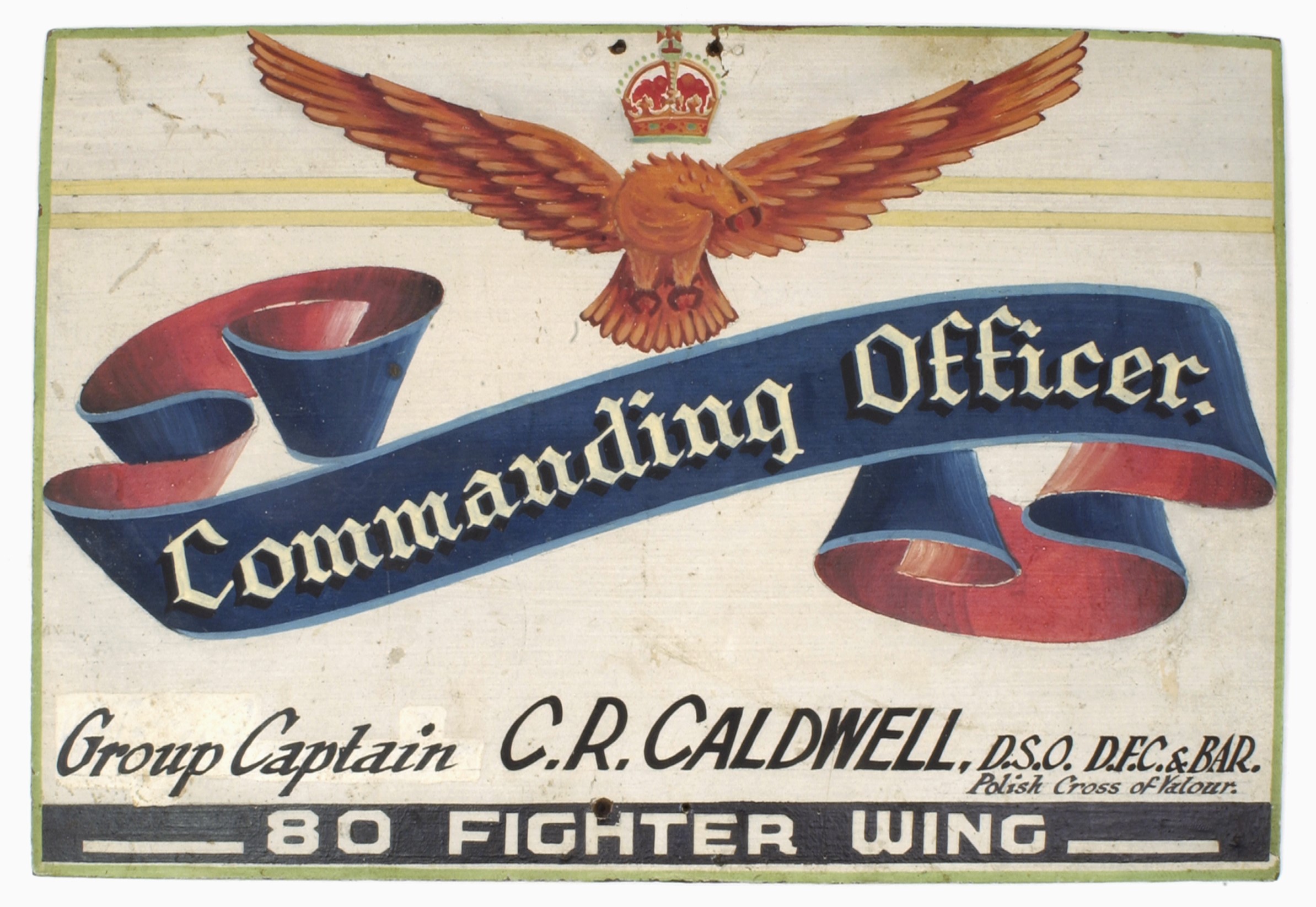
The signboard used by Caldwell while commanding 80 Fighter Wing on Morotai.
During a trip to Darwin, he secured a large quantity of alcohol to be shipped to Morotai so he could continue bartering for services and equipment. As liquor trading was rife on Morotai, Caldwell soon recognised he could make a profit from selling some of his stock. Although forbidden by air force orders, Caldwell was not concerned. He knew the RAAF would not compensate him for using his own supplies. He had no qualms about organising a quasi-reimbursement of his “expenses”.
Arthur’s unease with his wing’s operational work increased. Convinced something had to be done, he flew to Morotai from Noemfoor where he was based to ask senior RAAF officers if they felt the same way. He had already spoken with Caldwell, who agreed with his assessment of First TAF’s wasteful operations. Arthur found another ready ally in Wing Commander Kenneth Ranger, who was closely involved with Operation Oboe, a series of amphibious assaults to retake Borneo.
Ranger was perturbed by Oboe planning. He doubted the ability of some senior officers and believed overmanning hampered Oboe’s potential effectiveness. In particular, he was concerned that overall RAAF efficiency was badly affected by the separation of operational and administrative control. This was exacerbated by conflict between Chief of Air Staff, Air Vice-Marshal George Jones and Air Officer Commanding, RAAF Command, Air Vice-Marshal William Bostock.
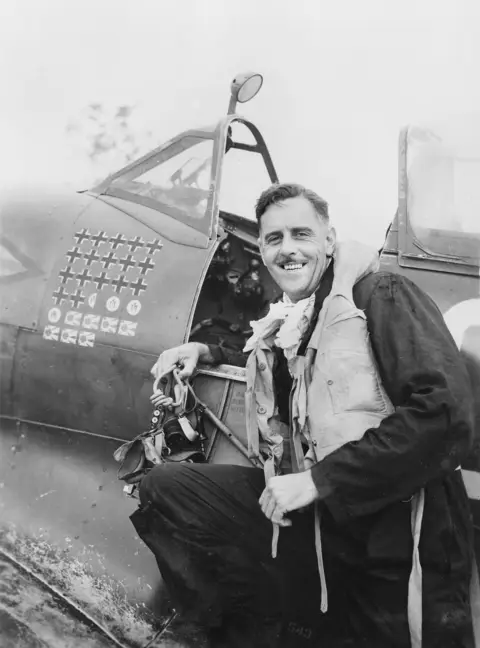
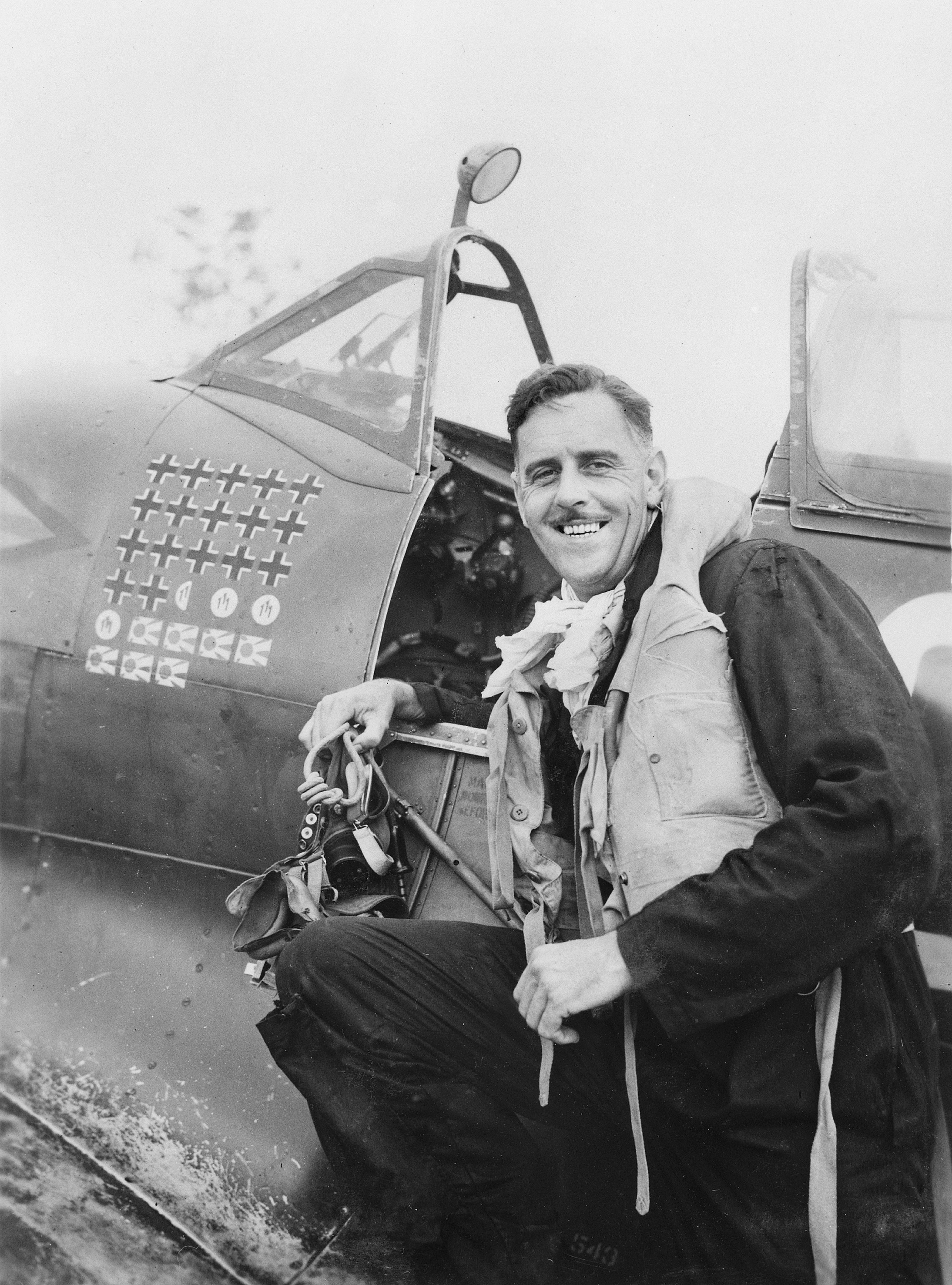
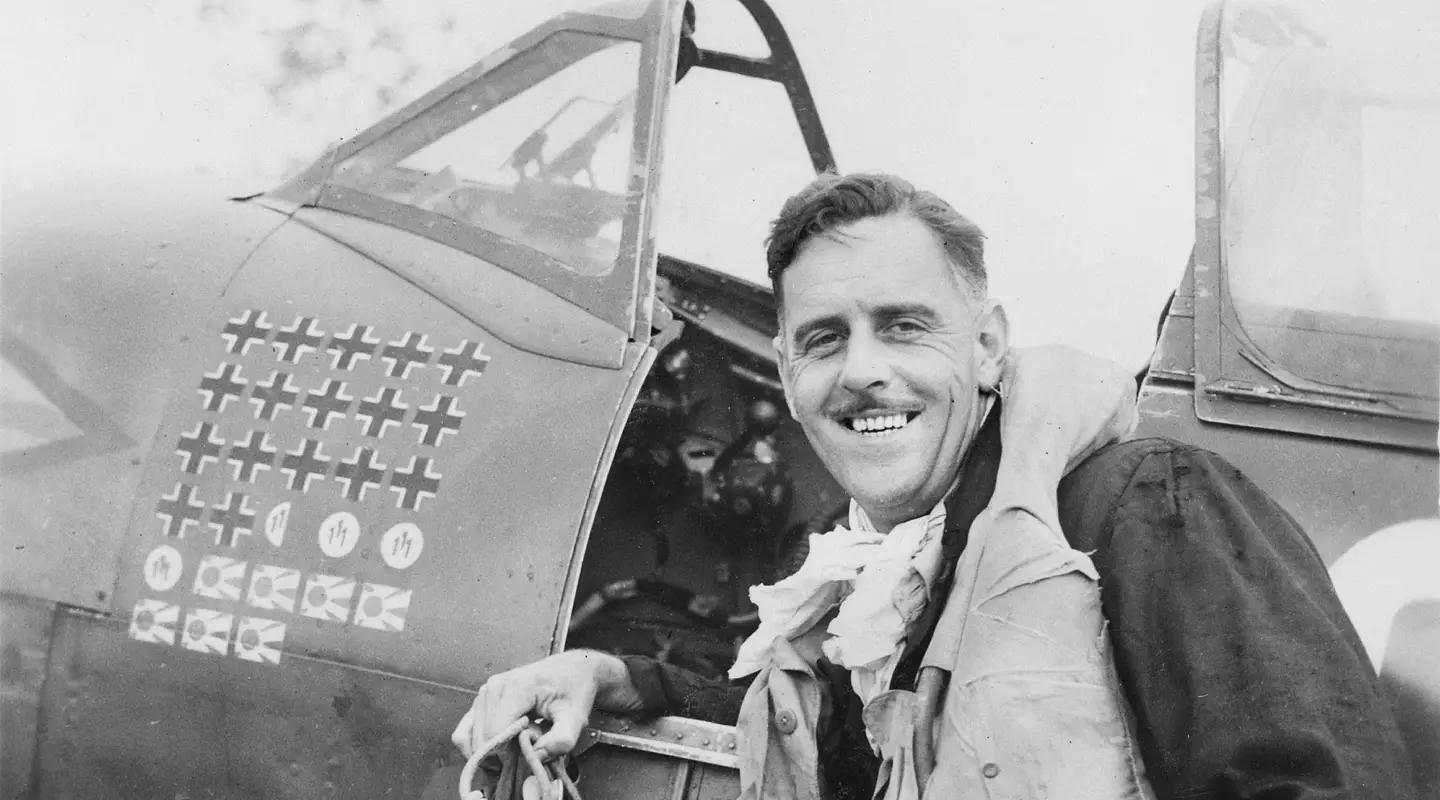
Group Captain Clive Caldwell with his Supermarine Spitfire MK VIII, marked with his victories against German, Italian and Japanese aircraft. Photo: John Harrison.
Arthur and Ranger debated ways in which they could correct the state of affairs, but realised they had to enlist the support of others. Knowing Caldwell’s firm opinions, they decided their best chance of success was to involve him. Accepting their invitation, Caldwell suggested they also approach Wing Commander Robert Gibbes, Squadron Leader Douglas Vanderfield, and Squadron Leader Bert Grace. Vanderfield then recommended Squadron Leader John Waddy. All believed their operational duties were of no significance; that pilots and aircraft were needlessly endangered; and that “the RAAF is not doing its job as it should”. The like-minded officers agreed to take a joint stand.
Meanwhile, Caldwell’s discontent grew. Although his posting was due to expire, Cobby told him he was to remain with First TAF until September. Caldwell was not happy, so aired his grievances and hopes for a more meaningful position to Air Vice-Marshal Jones. Cobby was also present. Caldwell said that if nothing fitting for his talents could be found, he wanted to be released from the RAAF.
He also revealed that his pilots were “brassed off” because they could not get a “worthwhile job to do”. Jones and Cobby told Caldwell that the air component of Oboe would bring more interesting work. Caldwell, however, was not convinced.
By this stage, Caldwell’s alcohol stock had grown so large he could not give it away, trade it or sell it all himself. Some junior personnel asked if they could dispose of a few bottles for him. Two were apprehended by service police and Caldwell was questioned on 2 April. He denied the men were selling liquor on his behalf. The Deputy Assistant Provost Marshal then conducted a search and found Caldwell’s hidden alcohol supply. Later that day, Cobby notified Caldwell that, as a result of the investigation into his alleged liquor trading, he was suspended from duty.
Conspiring
Despite the investigation and suspension, Caldwell felt there was still a place for him in whatever action Arthur and their fellow officers decided to take. They agreed. The conspirators convened again on 6 April in Squadron Leader Stuart Harpham’s quarters, as it was the most central venue. Arthur had not earlier approached Harpham but he was sympathetic to the group’s views and decided to lend his support.
Arthur, Ranger and Caldwell led the discussion. Arthur covered First TAF’s operations and Ranger briefed them on Oboe’s administrative shortcomings. Caldwell urged immediate resignation of their commissions, despite there being no provision to do this in wartime. The majority, however, did not believe this was the right time for such dramatic action. The meeting broke up with nothing conclusive planned.
The Deputy Assistant Provost Marshal interviewed Caldwell again. Caldwell admitted he had supplied alcohol to junior personnel on a number of occasions. On 9 April, he submitted a statement to Cobby detailing his liquor transactions. In an attempt to indicate that liquor transactions were condoned in First TAF, he declared that:
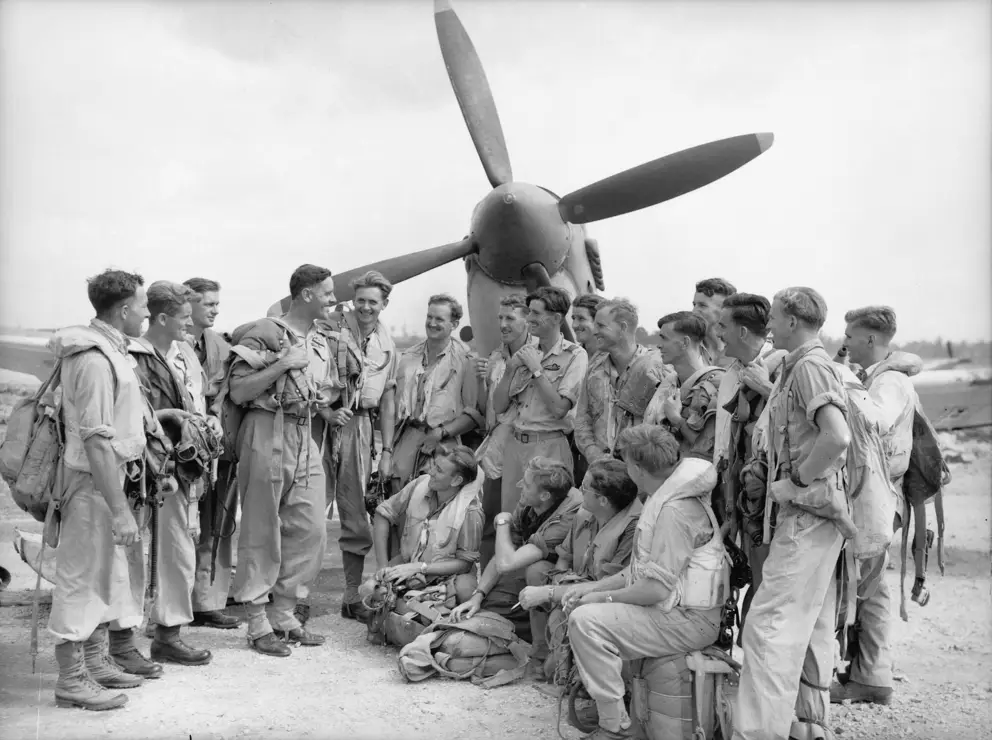
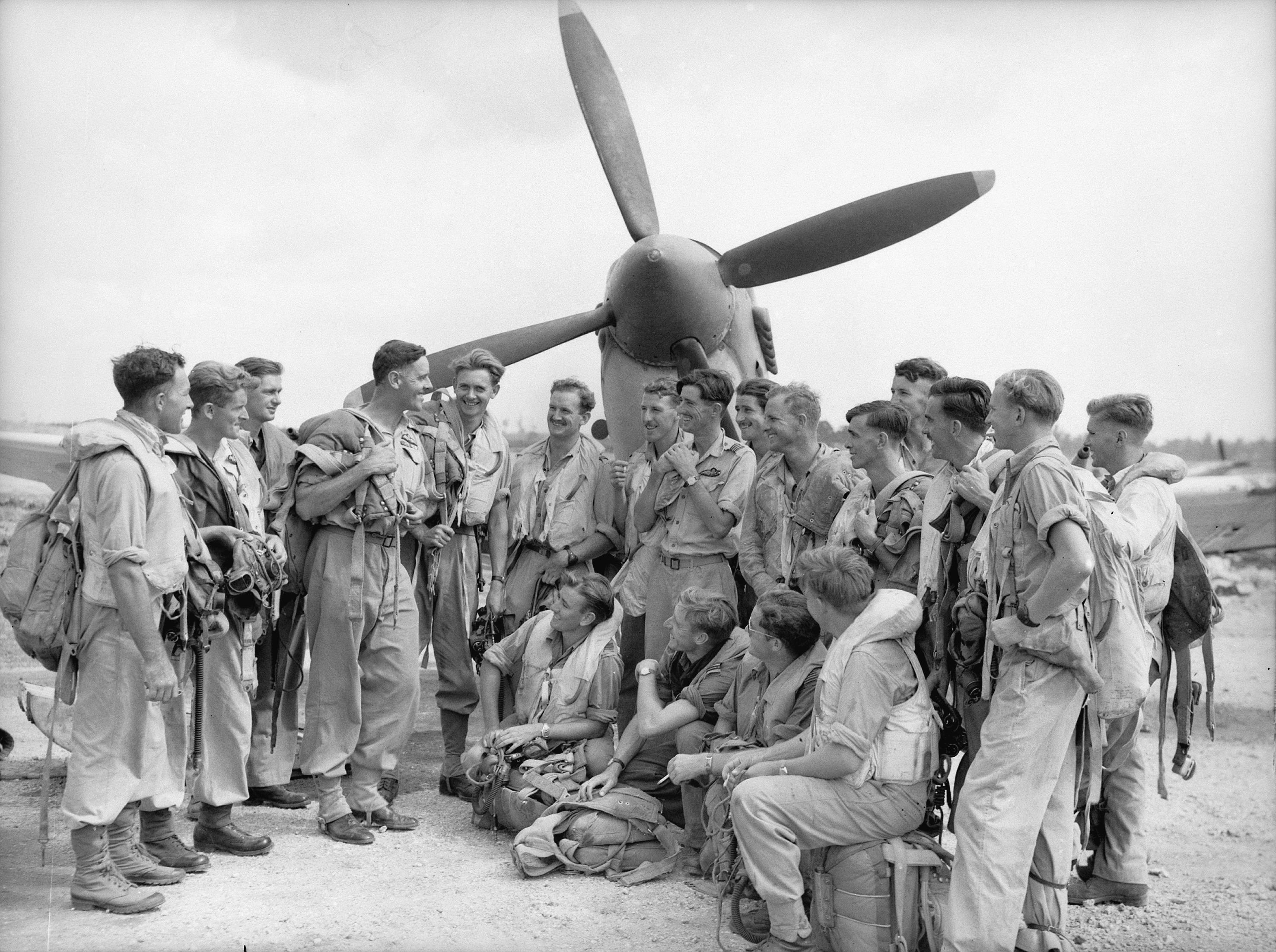
Caldwell (fourth from left) talking to No. 452 Squadron Spitfire pilots at Morotai in January 1945.
He also requested that his commission be terminated. The next day, Caldwell was charged on five counts of “Conduct to the prejudice of good order and Air Force discipline” because of his liquor transactions. His court-martial, convened for 18 April, was deferred as his legal defence could not attend. Cobby formally required Caldwell to provide details of his allegations. On 13 April, Caldwell named high ranking officers, including Cobby, who had imported or traded liquor, or witnessed such transactions.
Oboe was due to open on 1 May. Caldwell, Arthur and their fellow officers met again on 14 April to settle on a course of action before the “mutineers” split up. Those participating in Oboe would need to prepare, including Arthur, who was to lead the air component, so they did not want to “spring the trap” until after Oboe. While they feared their actions might be tainted by associations with the “liquor business” (Gibbes was also facing court-martial because of trading), the group agreed that, as Caldwell still expected to be posted from the area, he should sound out the Minister for Air, Arthur Drakeford. If Drakeford supported their concerns, the eight would simultaneously submit requests to resign their commissions. Although they knew Caldwell had already tabled his, none considered this should exclude him from the joint action. They then arranged to meet again in five days.
Resignation
Arthur and his fellow officers were becoming anxious. Rather than wait until Caldwell had spoken with Drakeford, they decided to act immediately. Caldwell’s legal counsel had arrived on Morotai earlier on the 19th so they invited him to join their discussion. He made it clear the officers could not resign their commissions in wartime.
After determining they were not acting frivolously, he drafted identically worded applications which deftly skirted around the inability to resign: “I hereby respectfully make application that I be permitted to resign my Commission as an officer in the Royal Australian Air Force, forthwith.” The men decided to use the word “forthwith” because they believed anything less precise would enable the RAAF to ignore the matter. Even so, they knew it would be some time before anyone dealt with the applications – which meant that those participating in Oboe could still do so. The eight officers jointly submitted the documents the next day.
Cobby was surprised at this unprecedented action. He interviewed everyone but Caldwell, omitting him because of his impending court-martial and liquor trading allegations. Cobby could not discover why the seven wanted to resign their commissions.
Given that Arthur had been appointed to lead Oboe’s air component, Cobby advised Air Vice-Marshal Bostock of the joint action. Bostock interviewed all but Caldwell on 21 April. Keen to resolve the issue, Bostock tried to dissuade the “mutineers” from applying to resign. He laid the documents on the table and invited Arthur and the “mutineers” to take them away. If they did so, he suggested, reference to the matter would be expunged from air force records. Nothing more would be heard about it. Bostock emphasised that, if they did not take their applications away, a public inquiry might ensue. This was exactly what Arthur wanted. No one rescinded his request. The officers did, however, amend the applications to take effect “at the end of current operations”.
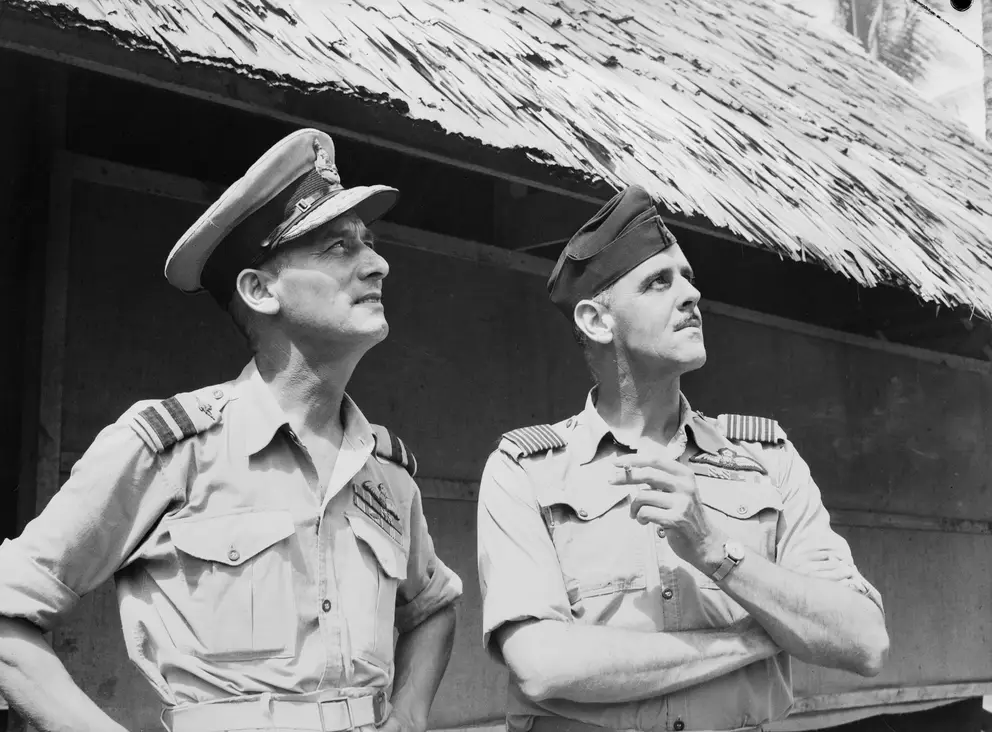
Air Commodore Arthur Cobby (left, with Clive Caldwell on Morotai in January 1945) was relieved
of his command following the Morotai Mutiny. Photo: John Harrison.
Air Vice-Marshal Bostock sent a signal to RAAF Headquarters advising that morale throughout First TAF was “at a dangerously low level” and that seven officers had asked for permission to resign their commissions. He also stated that there was a general belief that First TAF senior staff were “incompetent, arrogant to a degree”, and “generally unhelpful”. Bostock then requested that Cobby and his staff be replaced.
Air Vice-Marshal Jones also interviewed the “mutineers”. Again Caldwell was left out. Jones reported to Arthur Drakeford, the Minister for Air, that he agreed with Bostock’s request to replace Cobby and his staff. Meanwhile, Caldwell returned to Australia, and the Department of Air moved to establish an inquiry under national security regulations to investigate Caldwell’s allegations.
Details of Caldwell’s suspension from duty were revealed in the press. Public reaction was tepid, but interest heightened when the first stories appeared about the joint resignations and Caldwell’s involvement. An open inquiry was demanded. Because one based on Caldwell’s allegations was already in train, Drakeford appeared to bow to parliamentary and public pressure.
On 15 May, he announced that Caldwell’s court-martial had been put on hold, and that John Barry KC had been appointed to inquire into the allegations implicating other RAAF personnel. Drakeford also stated that “Mr Barry will commence his Inquiry immediately upon terms of reference sufficiently wide to embrace any matters in issue or anything reasonably incidental to them.” While the press took this to mean that Barry’s investigations would focus on the resignations, eight of its nine terms of reference referred to liquor trading and importation. One covered the eight officers’ requests to resign their commissions, but only as they related to Caldwell’s actions and First TAF operations. Despite calls for an open inquiry, it was closed to the public, as it would discuss current operational matters.
The inquiry
The inquiry opened on 16 May. At no time before, during or immediately after the inquiry was the affair referred to as the “Morotai Mutiny”. Arthur had coined the term when he entitled his balance sheet “Morotai Mutiny?”, though he later crossed out “Morotai”. During the inquiry, Barry asked Arthur why he had used the phrase. Arthur admitted that the alliteration appealed, and the question mark reflected his speculation that the affair might become known as a mutiny. Because the inquiry was closed, the term never gained currency. The affair has only become known as the “Morotai Mutiny” in recent decades.
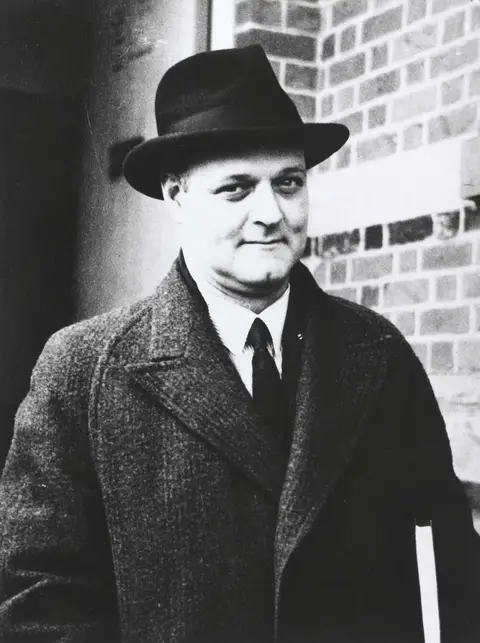
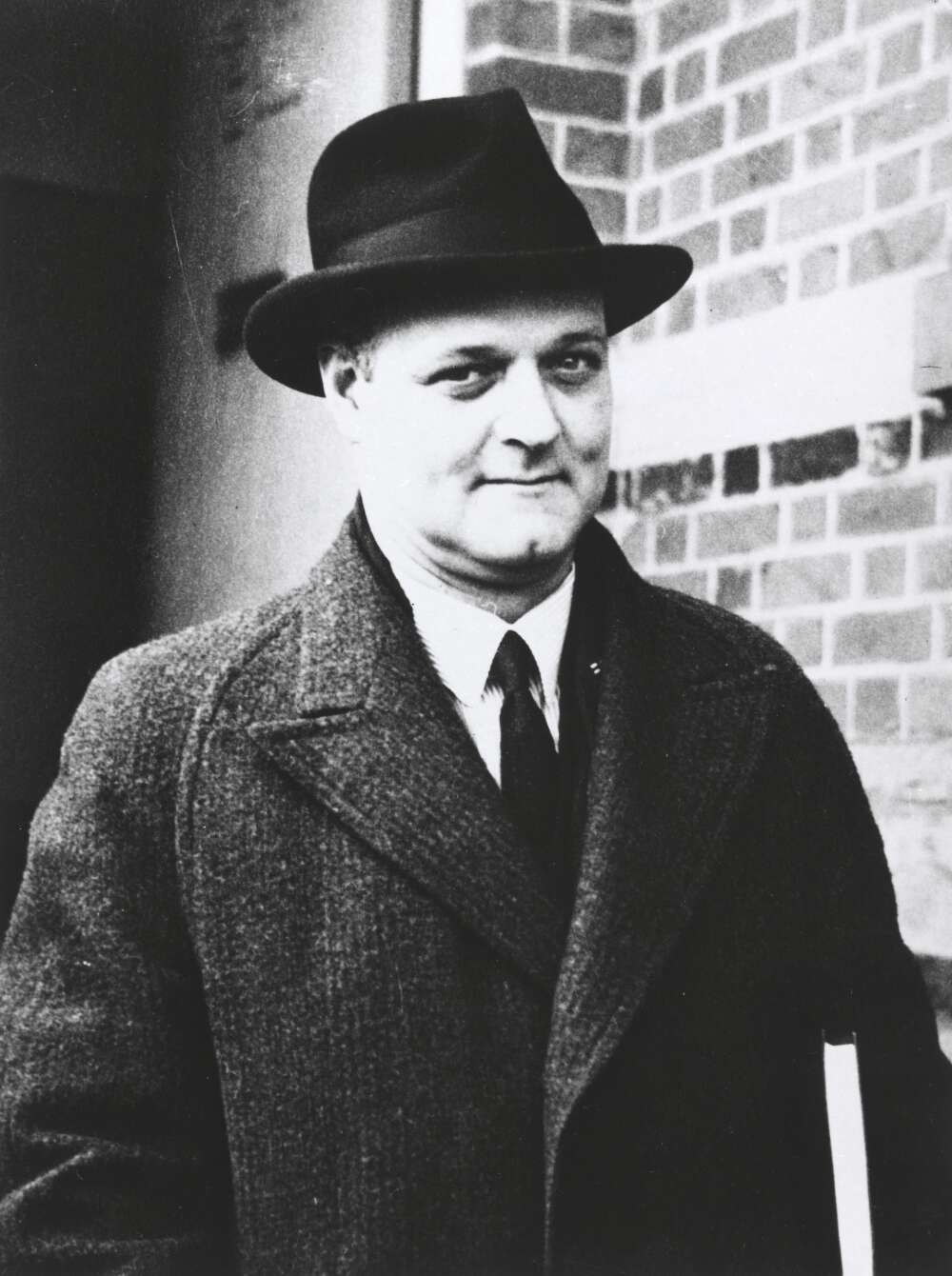
John Vincent Barry conducted the government inquiry into the incident. Image courtesy from the National Library of Australia 2652237.
Barry completed his report on 14 September. A summary was released to the public on 19 October. Barry found that practically every First TAF officer, including Air Commodore Cobby and other senior officers who had been called as witnesses, admitted to bringing liquor into the SWPA. He recognised this was a general practice but was satisfied the alcohol was for personal consumption or that of friends. Only Caldwell and Gibbes had sold their stocks. Barry also found that Cobby had been aware after the fact that his staff had brought liquor into the area, and had taken no disciplinary steps, despite multiple contraventions of air force orders.
Barry acknowledged that frustration with First TAF’s operations was the impetus for the “mutiny”. He agreed there was a genuine “feeling of being in a backwater … far removed from the progress of the Pacific war”. He had “no doubt that a considerable amount of effort was expended … on useless targets”. Barry concluded that, as discontent had developed without Cobby’s knowledge, he had failed to maintain proper control of his command. This satisfied Barry that the actions of Arthur, Ranger, Gibbes, Waddy, Grace, Vanderfield and Harpham were not connected with disciplinary proceedings against Caldwell.
In Caldwell’s case, however, Barry determined that the pending courtmartial precipitated his two requests to resign his commission. While accepting that Caldwell genuinely thought First TAF’s operations were risky, wasteful and of no great value, Barry concluded that he was motivated by disappointment at the absence of any personal opportunities for real operational service.
Drakeford requested that Air Board review Barry’s report and recommend disciplinary action. Air Board decided Caldwell’s court-martial should proceed. The appointments of Cobby and his staff were terminated. Despite Barry highlighting conditions within First TAF and the RAAF, including the unsettling effect of Jones’ and Bostock’s poisonous relationship, Air Board did not consider it necessary to conduct reviews of either First TAF or the RAAF.
As the inquiry had not been held in public, and only a summary was provided to the press, debate on the state of the RAAF was not fuelled until 1946 when, after his forced retirement, Bostock published a series of highly critical articles about the air force. Barry’s full report was released in response. By that stage it was too late to address the RAAF’s wartime failings.
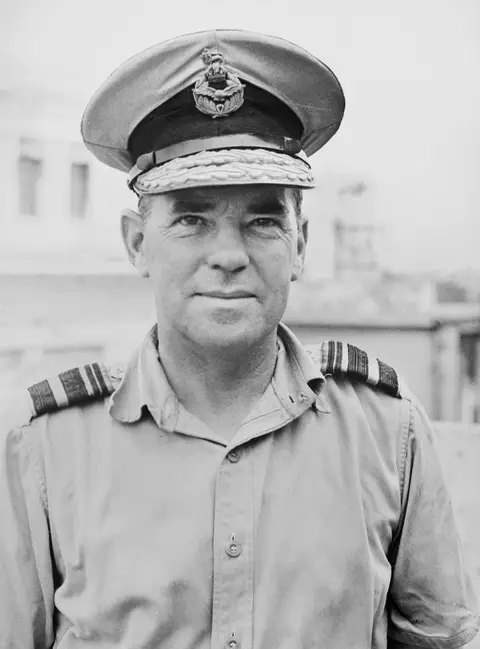
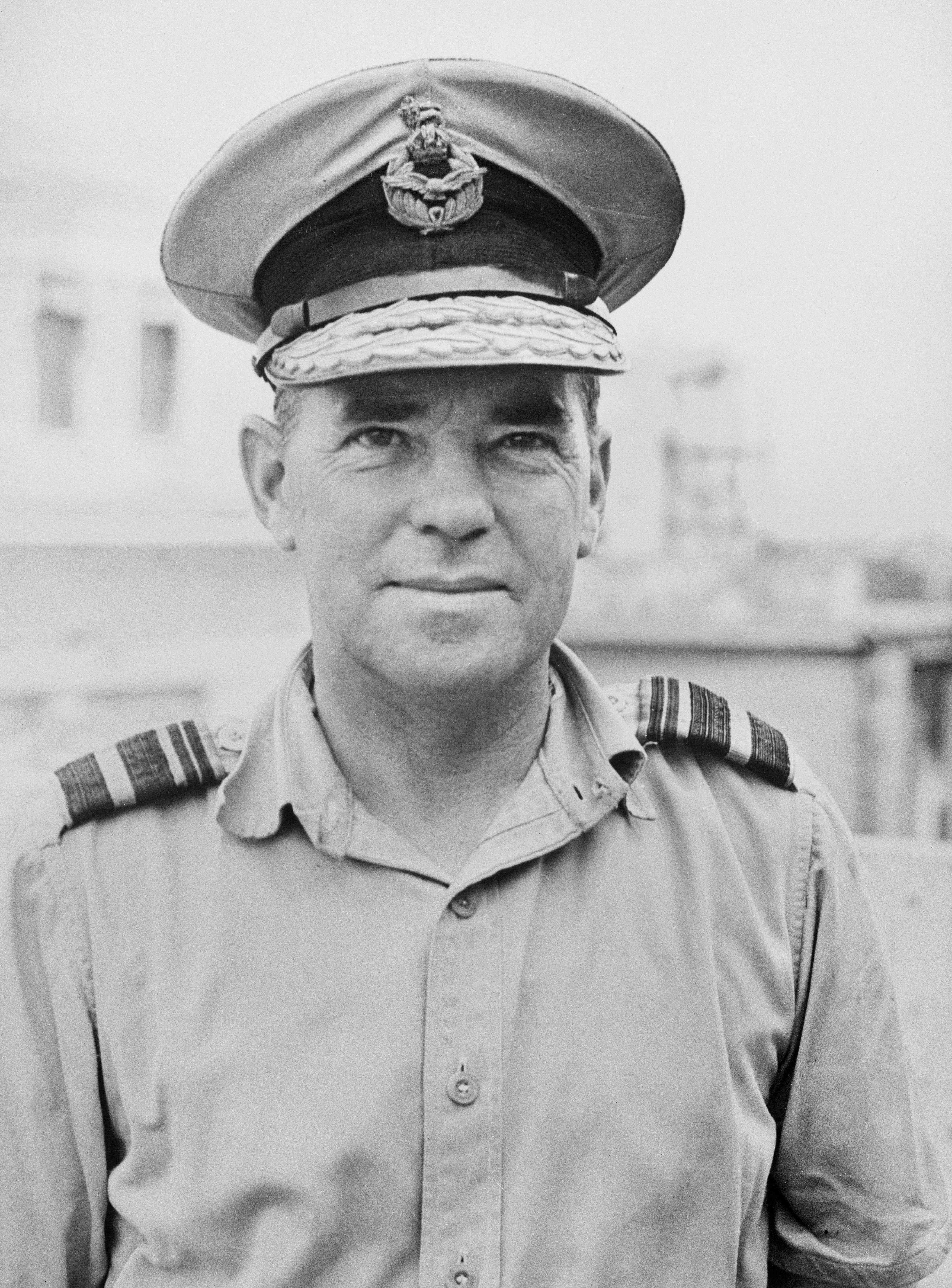
Informal portrait of Air Vice Marshal W. D. Bostock, Chief of RAAF Operational Command.
Morale in the SWPA may have been low and operations suspect but, “Without [Arthur’s] intensity of purpose,” Barry stated in his report, “I do not think the other seven would have moved as they did.” Caldwell’s involvement was equally significant.
He urged the resignations, but, more importantly, there would have been no inquiry without his liquor trading and allegations of similar transactions by senior RAAF personnel.
Barry’s investigation went part of the way to achieving the eight officers’ aims. He vindicated their stance by determining that seven had been entitled to conclude that the operations upon which they were engaged were wasteful and unnecessary. The removal of Cobby and his staff gave clear official recognition that there had been serious problems within First TAF. Caldwell, too, thought his actions had been justified because Barry found that most of his allegations had a firm basis. As far as the “mutineers” were concerned, the “mutiny” was a success.
Arthur, then posted to 78 Wing, had competently led Oboe’s air component in the days before Barry’s inquiry opened. He took his discharge from the RAAF in February 1946. His remaining air force career and future life were untainted by his potentially mutinous stance, which, as Barry recognised, was a “sincere” action, springing “from a high sense of duty”.
Caldwell, too, applied for discharge but on 31 October he was handed a charge sheet. His court-martial for liquor trading was convened in January 1946. He was found guilty of conduct to the prejudice of good order and air force discipline because of his liquor trading, and was demoted to flight lieutenant. His service with the RAAF was terminated on 5 March 1946. It was an ignominious end to a stellar career as a fighter pilot. Caldwell’s involvement in liquor trading and the “Morotai Mutiny”, however, are now largely forgotten. His status as one of the RAAF’s most decorated pilots and Australia’s highest-scoring ace of the Second World War remains undiminished.

About the author
Dr Kristen Alexander
Kristen is a writer and researcher with a deep passion for Australia's aviation history. She is a visiting fellow at UNSW Canberra and her research focuses on Second World War Australian airmen, prisoners of war, and their families.