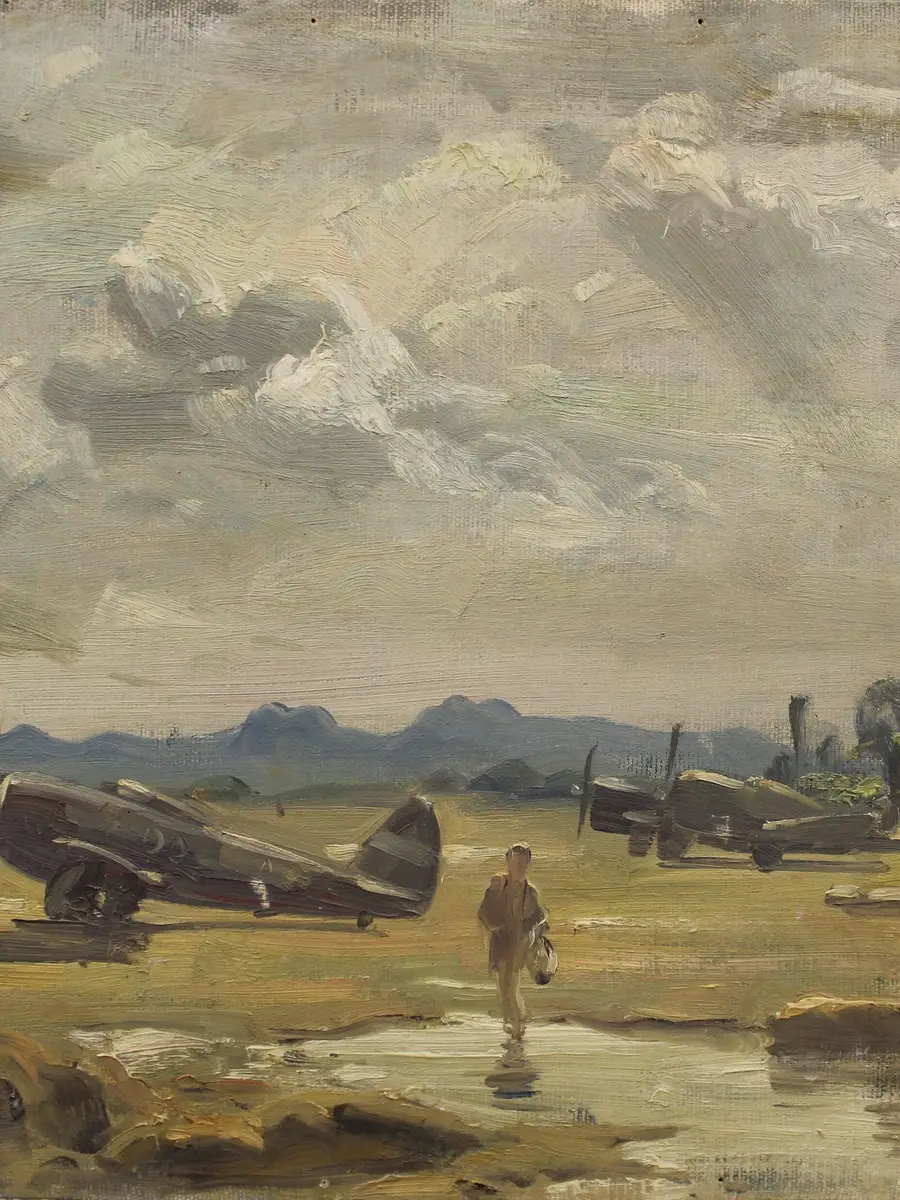
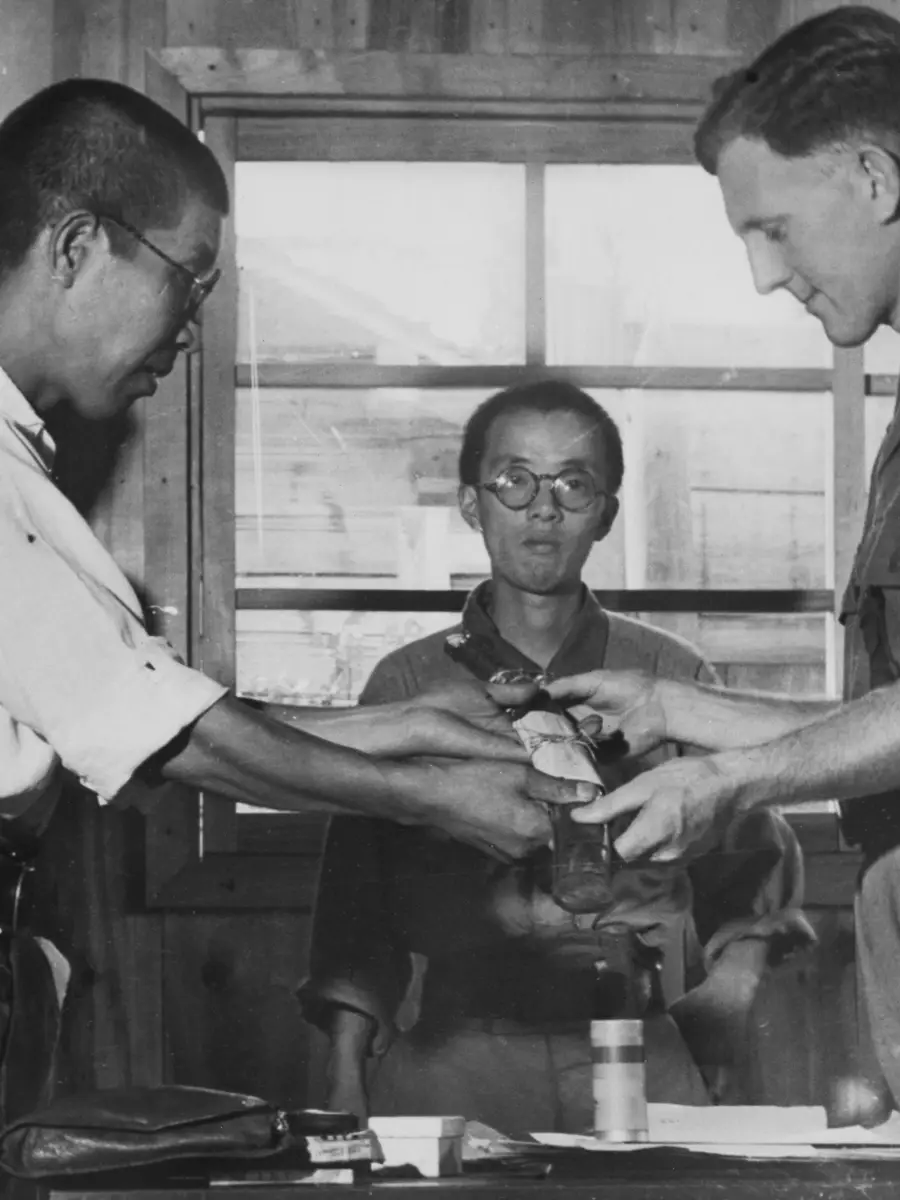
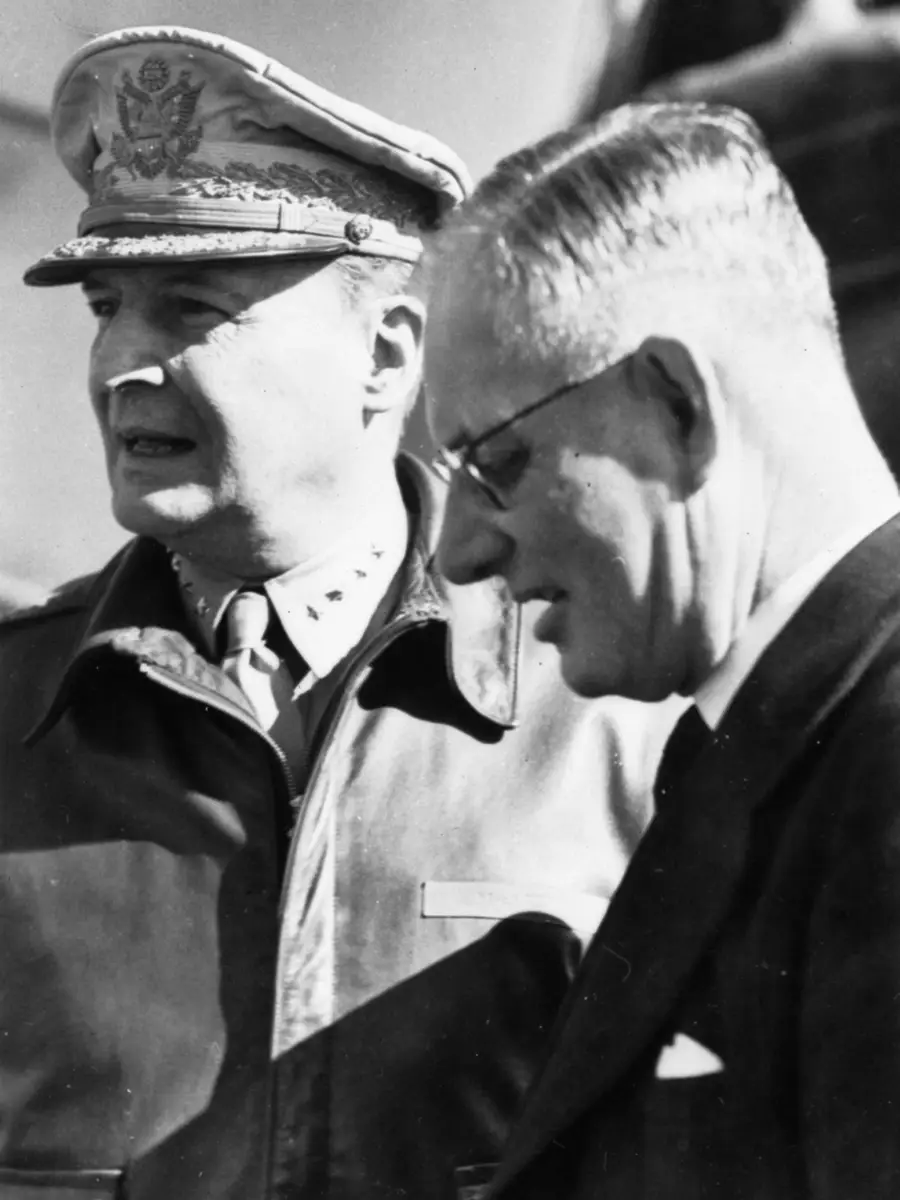
Australia’s role in the Burma Campaign is often overlooked, yet war art has played a vital role in preserving this chapter of history.
Australian forces played a significant role in the Burma Campaign and their experience was recorded by official war artists such as Roy Hodgkinson.
In this video, Senior Curator Alex Torrens takes a deep dive into Supremo (Admiral Lord Louis Mountbatten), unpacking the subject, symbolism and significance of this powerful wartime portrait.
Hodgkinson, deployed to Burma as an official war artist, produced works that captured both senior leadership and the realities of everyday service. Together, these artworks offer valuable insight into a lesser-known campaign involving Australian forces.
Discover how Supremo helps us better understand the Burma campaign, the role of art in wartime, and why war art remains an important historical record.
This portrait is of the Supremo, which was kind of the nickname that the Australian troops gave to Lord Admiral Louis Mountbatten, who was then the Supreme Allied Commander of the forces in the Southeast Asia Command region. And at the time in 1945, when the artist drew his picture, over a million men and women were serving under him, including hundreds of Australians.
When we think of war art and portraiture in particular, I think the portraits that come to mind are those really formal paintings of military leaders.
They're often heavily controlled images, really. And this portrait instead is counter to this, I suppose, in many ways. It's spontaneous, it's informal.
Looking at it, this is a portrait of Lord Admiral Mountbatten at work. But for me, part of the story of the portrait is how it came about.
Roy Hodgkinson was one of many Second World War official war artists.
He was born in Sydney, he studied art in Sydney, and by the time the war broke out, he had already embarked on what would go on to be a very successful career in journalism.
In 1941, he'd enlisted in the Army and served as a trooper in the Armoured Division. By 1942, 43, he was actually called up to be an official war artist.
At the end of 1944, he was sent to Burma to cover the Burma campaigns. He had all the skills, I think. Someone who could go out into the field, who could draw really quickly from life, capture movement, dynamism.
His audience was always the veterans. So what was it that was going to be something that they would want to remember, to show their families, or something from their experiences that they would want to reminisce with mates about when they came back.
He's managed to capture this sort of double portrait on a single sheet, which really captures two sides to Mountbatten.
We have this portrait showing him doing his work, and then this sort of more informal head study of him, kind of showing a bit of a more stoic, retrospective side, and perhaps some of the responsibility of leadership.
One of the unique things about this portrait is that it's also signed here by the sitter. And I think that's another little detail that potentially Hodgkinson couldn't resist, because that's evidence, in a way, that it actually happened, that he was actually in the room and spent the day with Mountbatten.
So when Australians think of the Second World War, we really think of other campaigns that are more in our memory today. For instance, the POW experience on the Thai-Burma railway, or the Kokoda Trail.
Yet Burma at the time was a very significant Allied campaign, and control of that region was really key to keeping up communications during the wartime between the Northern and Southern Hemispheres.
So the significance, really, of portraits like this is this unique visual record of a very often underlooked and underknown aspect of Australian Second World War experience.