Content notice: This article discusses conflict, genocide, displacement, trauma, and human rights abuses. It includes personal accounts from survivors and affected communities. Some readers may find this content distressing or confronting.
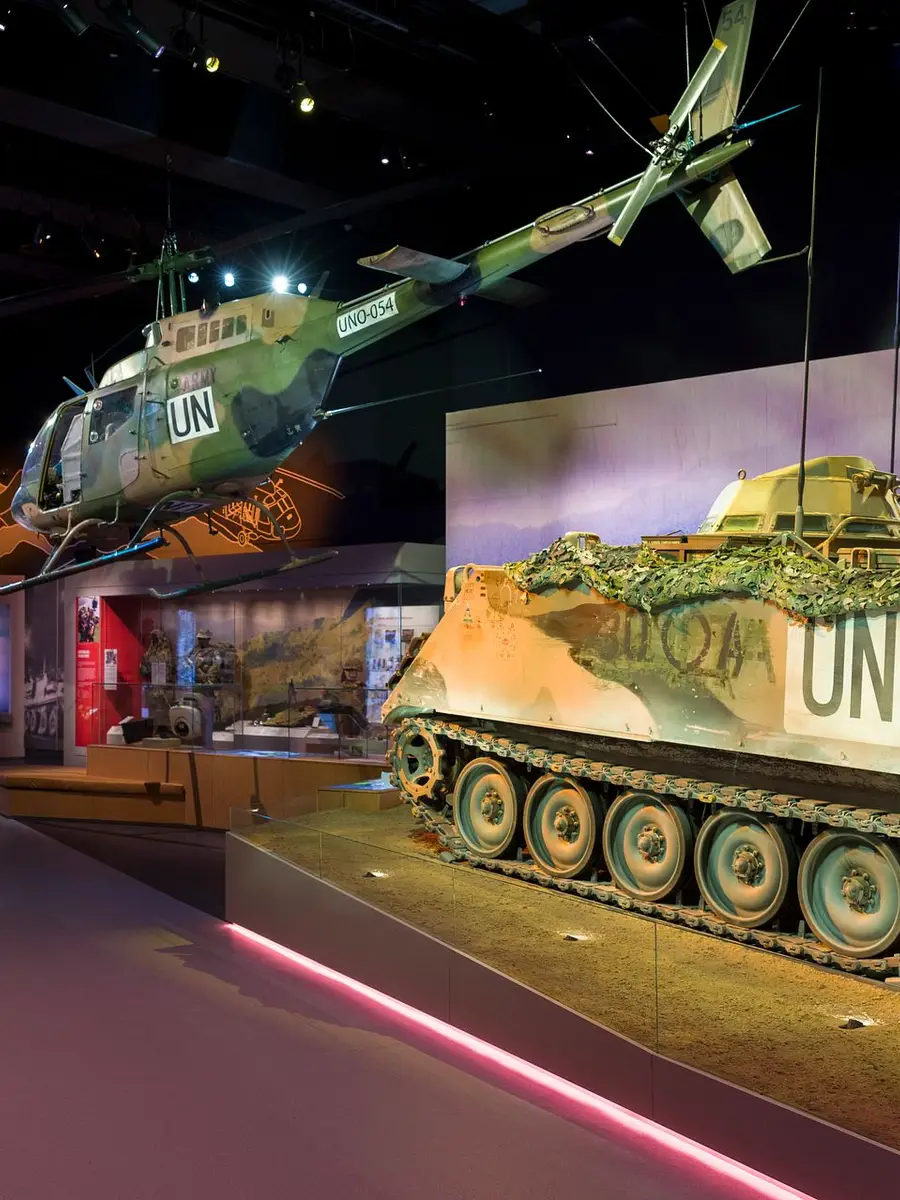
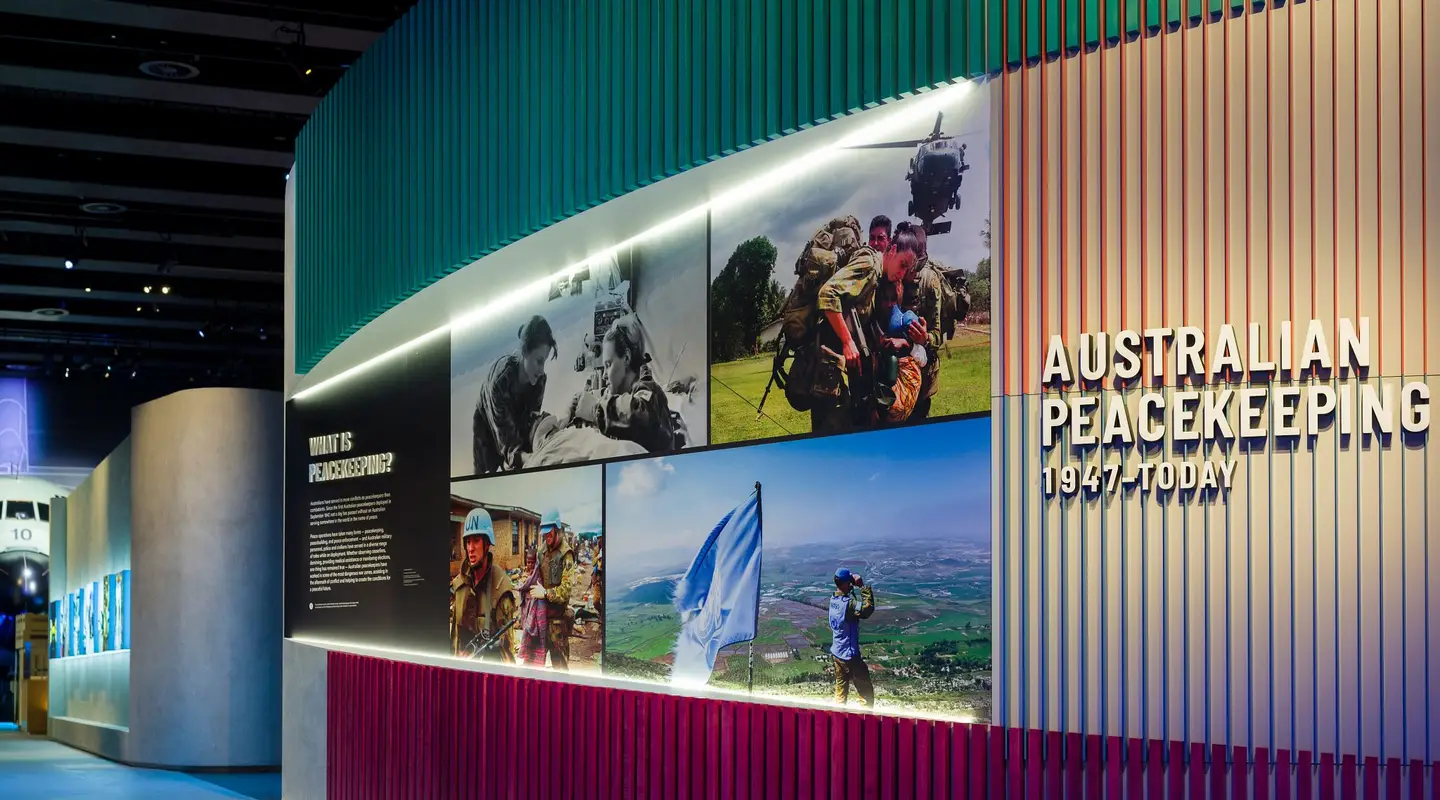
On the lower level of the new Anzac Hall, the Memorial has unveiled its largest and most comprehensive exhibition about Australian peacekeeping operations.
It is a story that spans decades and several continents, and involves more than 60,000 individual deployments to regions experiencing some of the most intractable conflicts and human tragedies of the 20th and 21st centuries.
From the beginning, the curatorial team adopted a simple philosophy: peacekeeping is about people.
This approach required grappling with some key questions — how has the Memorial interpreted these operations in the past, and who has it represented? Whose point of view has been dominant? Who is involved in the process of creating peace?
Previous coverage of peacekeeping at the Memorial presented displays that were constricted by tight floorspaces. They had depicted these events primarily from the point of view of personnel in the Australian Defence Force and civilian police. Modern peacekeeping depends on expertise beyond uniformed forces, including genuine and vital contributions from the communities experiencing the conflict.
With additional floorspace, the curatorial team had an opportunity to increase the scope of storytelling. In the new galleries, the histories traditionally told at the Memorial — of Australians at war and on operations — are accompanied by the views of those affected by conflict.

The central multimedia installation, featuring Sokha Sras, in the Peacekeeping exhibition. The installation presents multiple points of view on experiencing conflict. AWM26.PR.085._C5A6743
Building relationships
Over the decades, the Memorial had been developing its collection to reflect the experiences of peacekeepers from different walks of professional life. Australian diplomats, staff from the Australian Electoral Commission and Australian civilian police were all represented in the collection, and these collections continue to be developed.
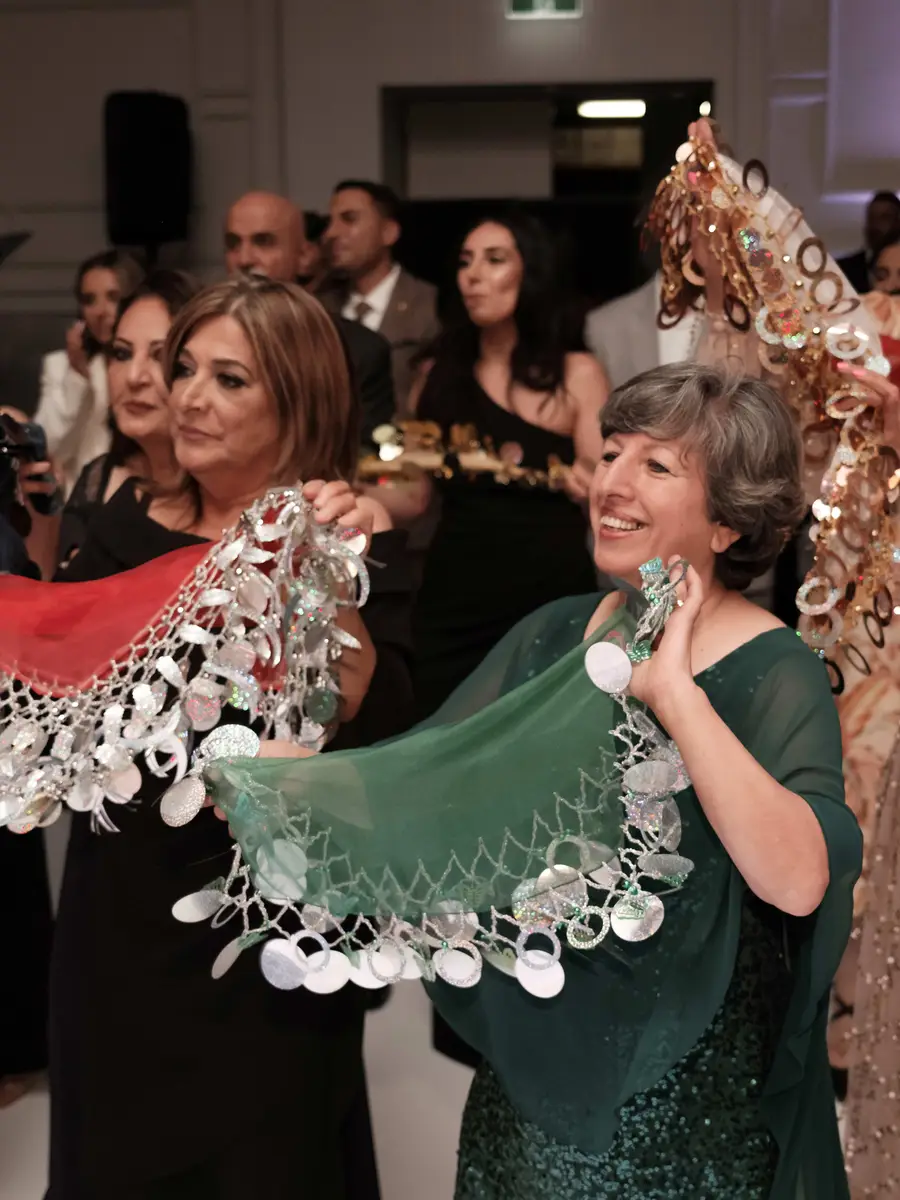
We aimed to include collections that reflect the experiences of the people who had lived through and fled the conflicts that are covered in the exhibition. This meant connecting with diaspora communities in Australia for all three modern conflict galleries, including the Middle East and Afghanistan galleries in Anzac Hall. The Memorial brought together a group of community leaders whose expertise, cultural knowledge, community connections and generosity shaped the new galleries.
The Peacekeeping advisory group representatives included Aunty Sana (Susan) Balai, a museum curator and elder from the Hakö peoples of Buka Island on Bougainville; Katie Fono, Secretary of the Solomon Islands community in Brisbane; Nasteha Mohamud, an emerging multicultural leader from the Somali community in Melbourne; Gil Santos, whose music with band the Dili Allstars shares Timorese stories of struggle and political resistance; and Sokha (Lisa) Nagatsuka (née Sras), whose family fled the Pol Pot regime to settle in Sydney, where she has worked to preserve Khmer dance traditions for a new generation.
Preserving cultural traditions — Cambodia
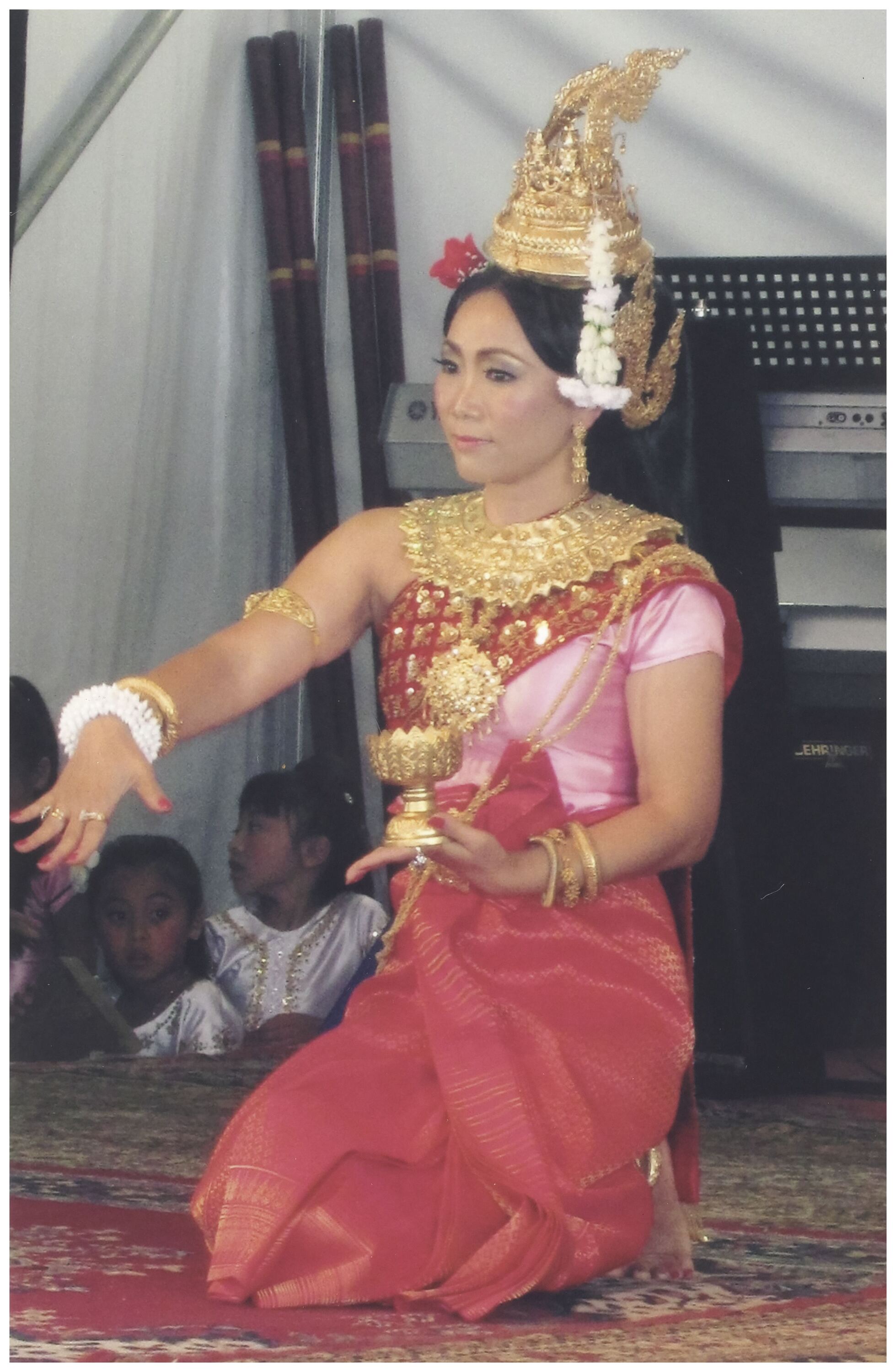
Sokha (Lisa) Sras was three years old when her family was forced into the deadly labour camps run by the Khmer Rouge regime. After the Vietnamese invasion in 1978, the family fled to refugee camps along the Thai–Cambodian border. She emigrated to Australia with her family in 1983, returning to Cambodia in 1994 to study classical dance.
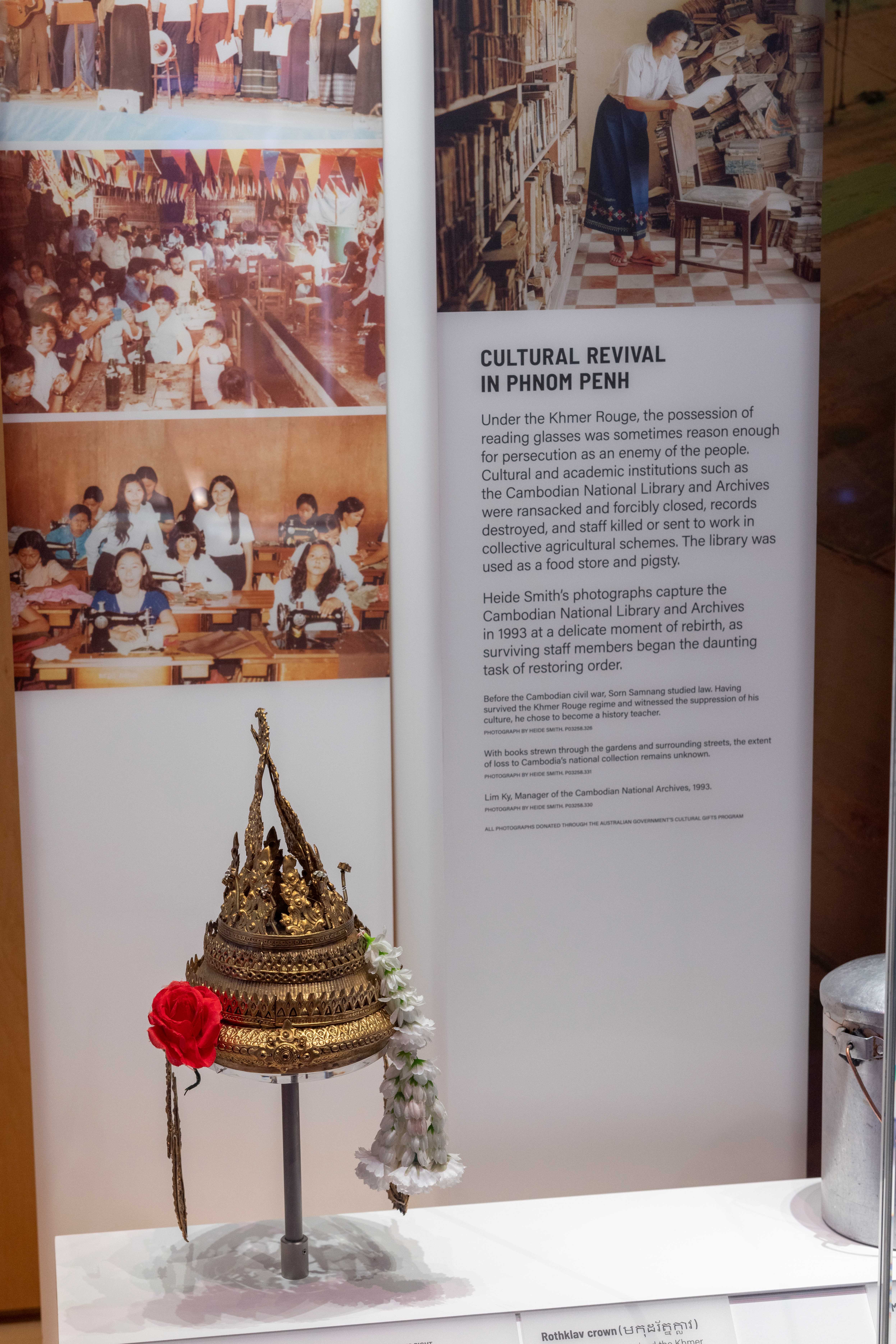
She now teaches these Khmer dance and cultural traditions to a new generation living in Australia, a story represented by the display of her Rothclav dance crown. It was presented to her family in 1995 by Princess Norodom Buppha Devi, in recognition of their efforts to revive and maintain Khmer dance traditions which had been nearly eradicated under the Khmer Rouge.

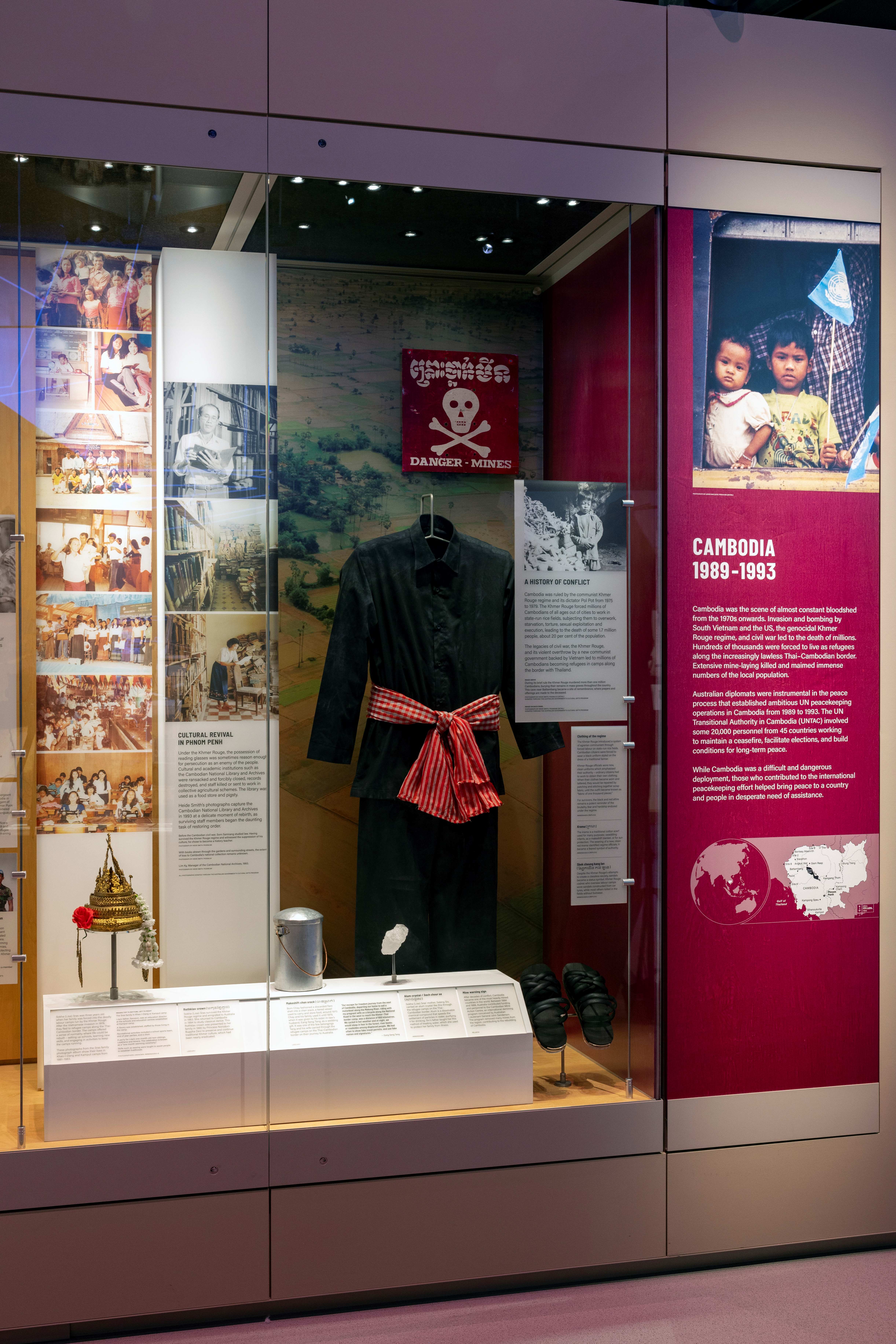
The Cambodia showcase, featuring a dance crown belonging to Sokha (Lisa) Nagatsuka (née Sras). AWM26.PR.085._C5A6805
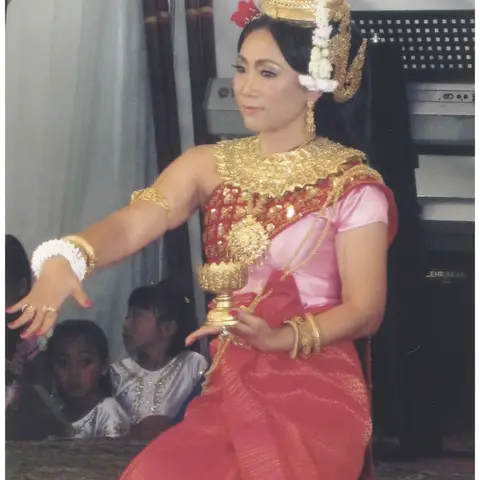
Sokha (Lisa) Sras wearing the Rothklav crown, c. 1995. AWM2024.654.10
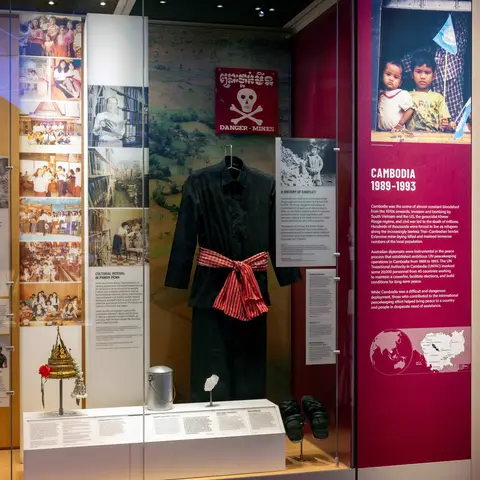
The Cambodia showcase, featuring a dance crown belonging to Sokha (Lisa) Nagatsuka (née Sras).
Honestly acknowledging Cambodia’s difficult national history was strongly supported by the community; it influenced the gallery narrative and the choice of collections to be displayed. There is no more potent symbol of this traumatic history than the black ‘pyjama style’ uniform imposed by the Khmer Rouge on Cambodian citizens. At the request of the community, a carefully–fabricated replica (in the absence of an authentic example) was made in Cambodia for the exhibition.
It represents the thousands of citizens who were forced to work in the rice fields to satisfy the regime’s ambition to impose agrarian communism, while officials wore new, clean uniforms. When their clothing became worn and tattered, it was repaired by patching and stitching together scraps of fabric; these outfits became known as ‘fabric of one thousand pieces.’
For survivors, the black attire remains a potent reminder of the brutality, fear and hardship endured under the regime.
Notices outside each gallery prepare visitors for objects and stories that they may find confronting.
The power of cultural identity — Somalia
Representing peacekeeping in Somalia involved tracing decades of famine, political unrest, oppression and violence fuelled by competing warlords. Our advisory group noted the need to balance representations of conflict with positive representations of the communities of these nations: their strength, their efforts and successes in building peace, and their rich and long-standing cultural traditions and identity.
We visited representatives from the Somali diaspora in Melbourne. This forum led to the acquisition of a large collection of traditional Somali everyday items, selected by the community to express their connected social structures, rituals and way of life.
The display of these vibrant objects provides a clear and necessary contrast to the weapons and military objects that are reminders of the civil war and the deployment of peacekeepers to Mogadishu and the Baidoa region in 1993. Displays such as the guntiino — a traditional handwoven cotton garment originally worn by women — bring into focus the power and presence of women not only within Somali society, but in peacebuilding generally.
The representation of women and peacebuilding is a refrain throughout the exhibition, including in the multimedia installation in the centre of the gallery, which features interviews with those connected in some way to Australia’s many peacekeeping operations.
Nasteha Mohamud speaks to the experience of having a homeland torn apart by war, and the pride and meaning she has found in celebrating and maintaining her culture for future generations.
History told by those who have lived it — Rwanda
In 1994, at the height of the Rwandan Genocide against the Tutsi, 14-year-old Frida Umuhoza was lined up, along with 15 members of her family, at the edge of a pit grave in her home village and clubbed on the back of her head. She passed out and was buried alive, but somehow survived and escaped. She was the only member of her family to survive the genocide.
She now lives in Australia, where she works tirelessly to keep alive the memory of the past, to honour those killed, and to educate others about how genocide can grow from intolerance.
When the peacekeeping curatorial team spoke to her about how they might represent the Rwandan Genocide against the Tutsi in the gallery, she pointed out that when she visited the Memorial years before to see the small display on Australia’s United Nations Assistance Mission for Rwanda (UNAMIR), she was surprised that it did not include a single Rwandan voice. This was not so much a criticism as an observation, but she was excited by the prospect of having the Rwandan story told with greater nuance, humanity, and respect.
Content warning
This film contains graphic content that may be distressing. Viewer discretion is recommended.
Frida's story now features in a short film at the heart of the Rwanda display, in which she recounts her story of survival and her hopes for a future free from genocide.
Forms of kinship — Solomon Islands and Timor-Leste
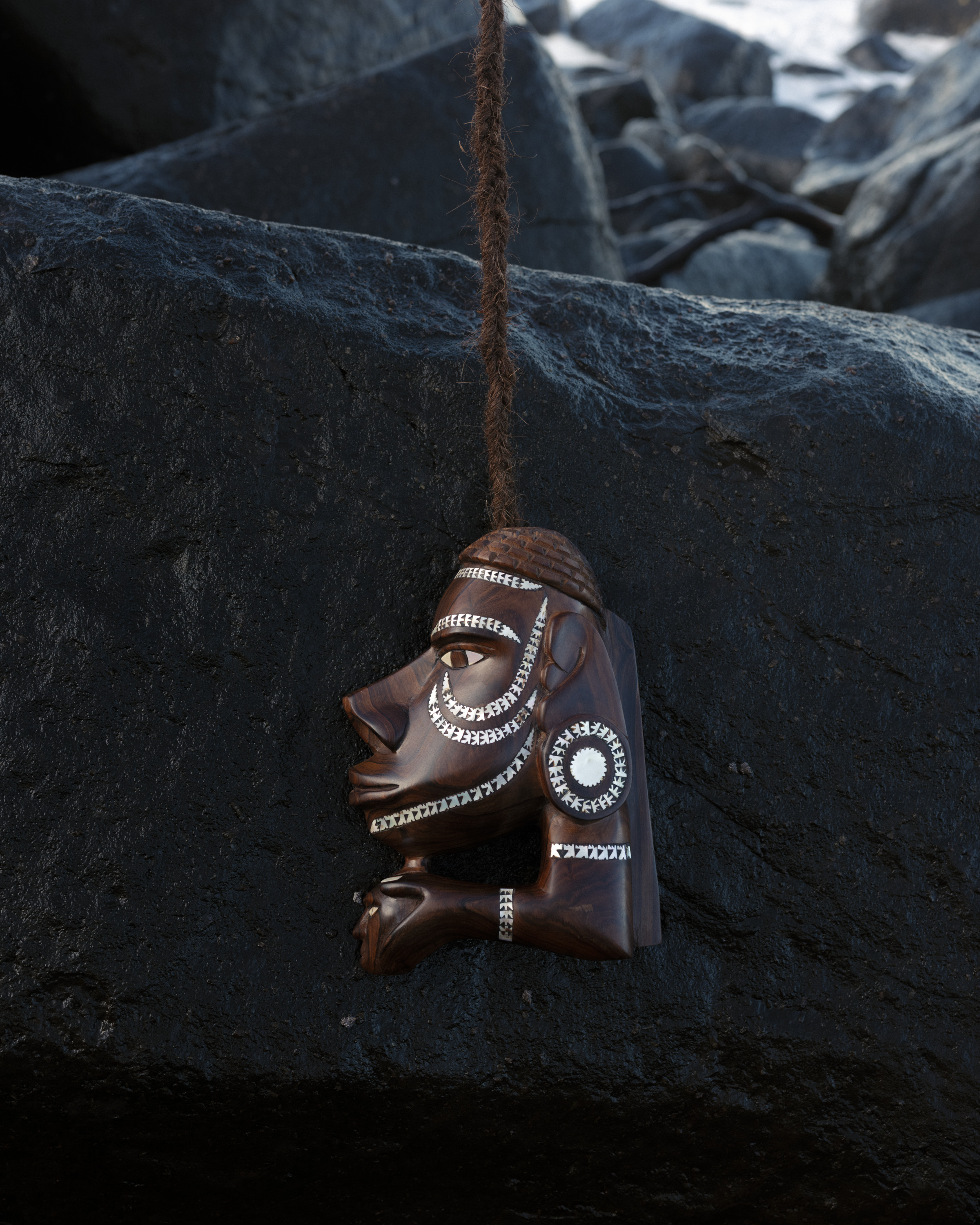
In the Solomon Islands theme of the exhibition, photographer Buzz Gardiner’s work Frayed threads still bind explores the challenges faced by wantok (one talk) — a form of kinship based on shared language. During ‘the Tensions’, these traditional relationships were tested and strained by conflict, division and displacement.
Gardiner’s work includes images of the Solomon Islands and south-east Queensland (where he photographed Solomon Islanders who had experienced the Tensions as children); nguzu nguzu, figureheads traditionally attached to Solomon Islands canoes; and coconut fibre braids, cut and under pressure, but refusing to break. Wantok continues to hold communities together — frayed threads still bind.
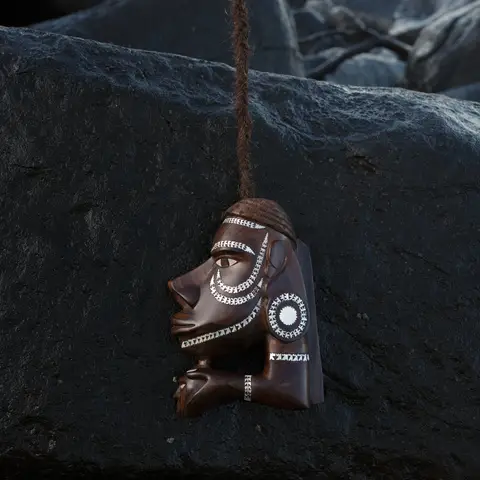
Nguzu nguzu suspended over a rock formation at Burleigh Point by coconut fibre rope braided by the artist. Buzz Gardiner, Frayed threads still bind. AWM2025.110.3

Siemma Kent and her daughters. Buzz Gardiner, Frayed threads still bind. AWM2025.110.6
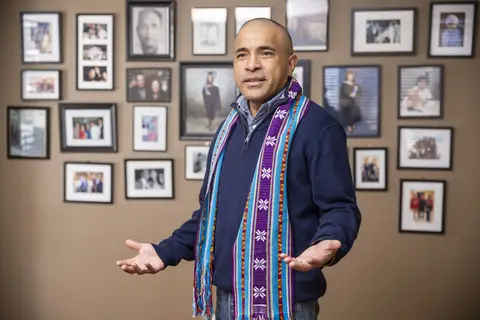
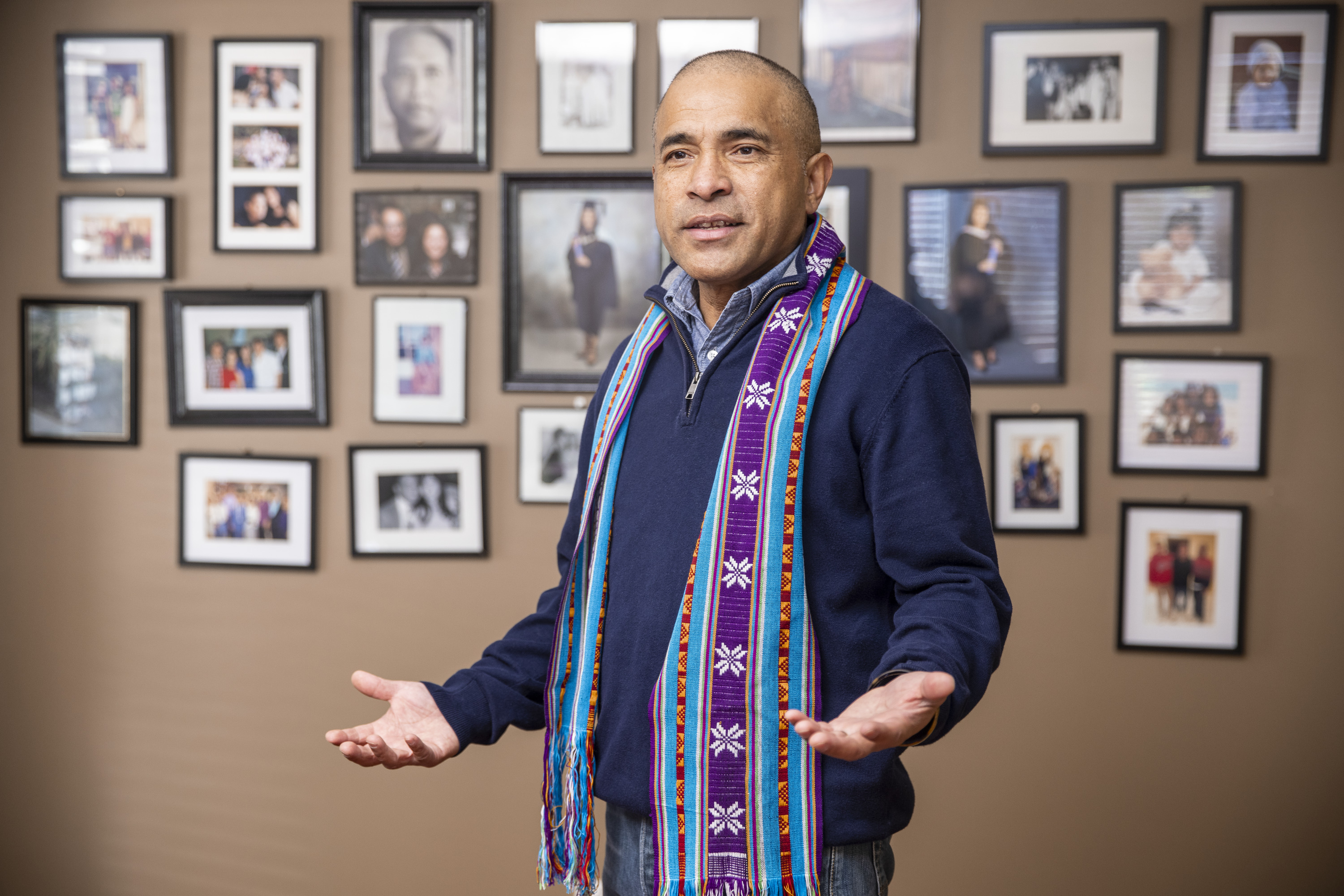
Portrait of Jorge de Araujo. AWM2025.109.4
Melbourne photographer Jorge de Araujo also focuses on the impacts of conflict on diaspora communities in Australia. He captures the portraits and stories of members of his close Melbourne‑Timorese community, who share their experiences of “exile, survival and resilience”. Through inviting intergenerational conversations with youth who were born after the occupation of East Timor in 1975, he considers these stories as lived memories that “breathe life into our present, shaping culture, identity, and the renewal of what it means to belong across generations.”

Photographs of Timorese community members in Melbourne, by Jorge de Araujo. AWM26.PR066.C5A5139
Complex histories and legacies — Bougainville
Sana Balai spent 13 years working in the research laboratories of mining companies in Bougainville and Papua New Guinea. The Panguna copper mine is known as the catalyst for the 10-year Bougainville conflict which brought the intervention of Australian and New Zealand peacekeepers in 1994, and from 1997 to 2002. As a curator in Melbourne, Sana Balai was instrumental in acquiring the work of Taloi Havini, an Australian artist with Bougainville heritage, for the National Gallery of Victoria.
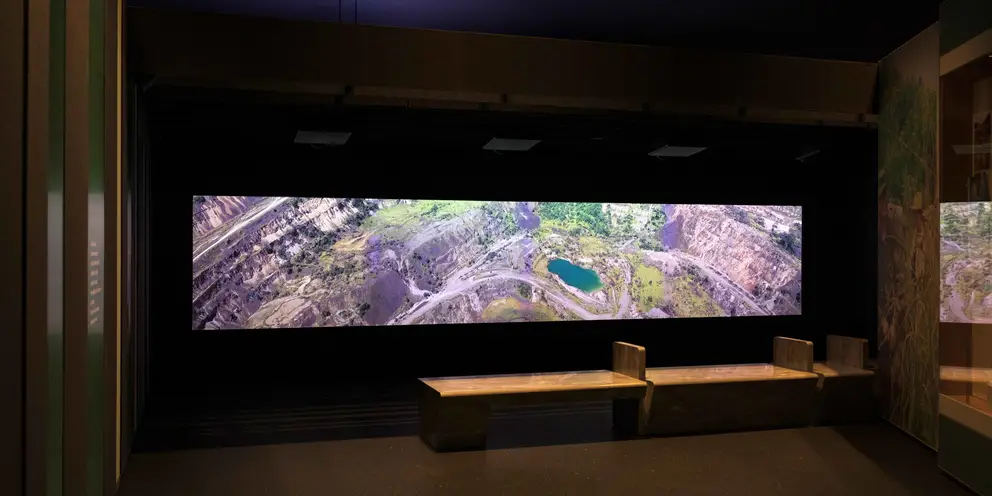
Habitat 2018–19 by Taloi Havini. AWM2023.764.1 AWM26.PR.085._C5A6707
When visitors enter the section of the peacekeeping gallery focussing on the Pacific, they encounter a monumental 4-channel video installation by Havini, titled Habitat 2018–19. The sweeping panoramas and aerial footage show the green-blue landscapes of Bougainville, which appear both pristine and scarred by mining. As a child, Havini was exiled from Bougainville to Sydney with her family amid the rising tensions. Habitat weaves together archival footage of prospecting and mining negotiations, family archives documenting human rights abuses, scenes of environmental devastation caused by the mine, and her own clan maintaining an enduring connection with their ancestral lands.
By including voices such as Frida’s (and all involved in the exhibition), the gallery is now able to represent difficult histories in full richness: from the perspectives of the Australian peacekeepers who deployed, and the civilians who experienced conflict on the ground.
About the author
Dr David Sutton
Dr David Sutton is a Senior Historian at the Australian War Memorial.