WAAAF photographers aided reconnaissance, mapping, and Allied intelligence in the Second World War.
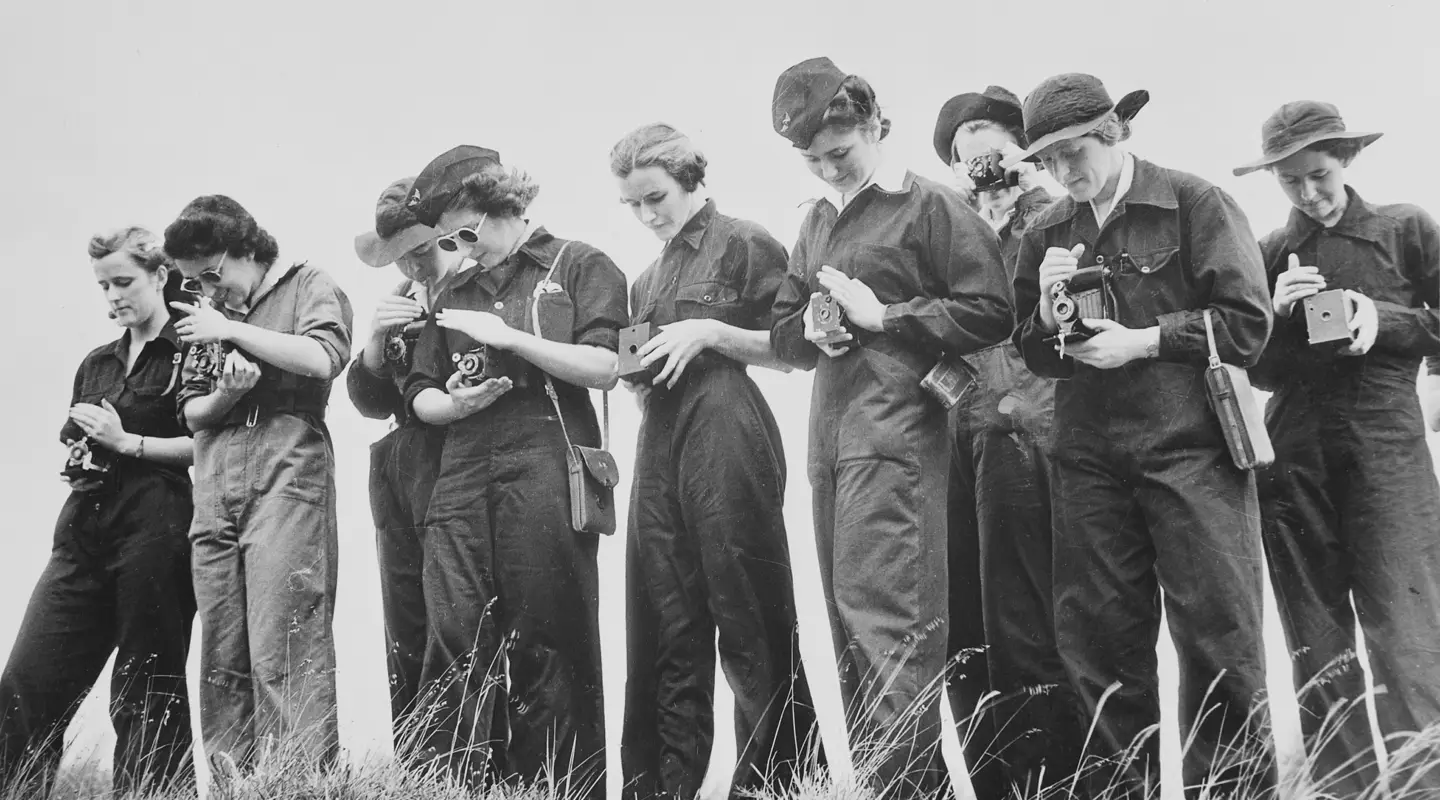
After the establishment of the Women’s Auxiliary Australian Air Force (WAAAF) in March 1941, one of the many important roles undertaken by women who joined the service was that of photographer or photographic technician. Some came to the role having previously worked in photographic labs, but many were trained on the job or while members of the Women’s Air Training Corps (WATC). Most WAAAF photographers did not fly, but their work was vital in supporting the aerial reconnaissance and photography undertaken by RAAF pilots and photographers, and in the production of maps and intelligence used by Allied forces to identify strike targets.
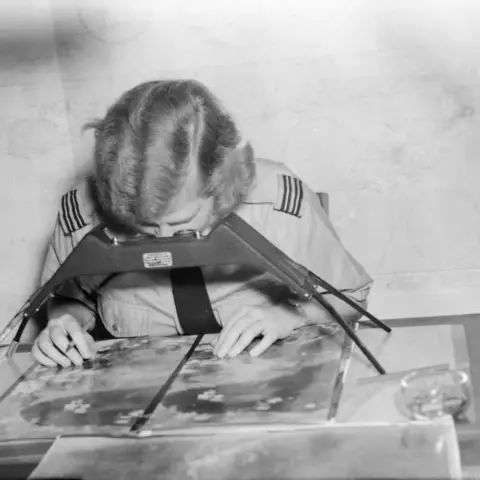
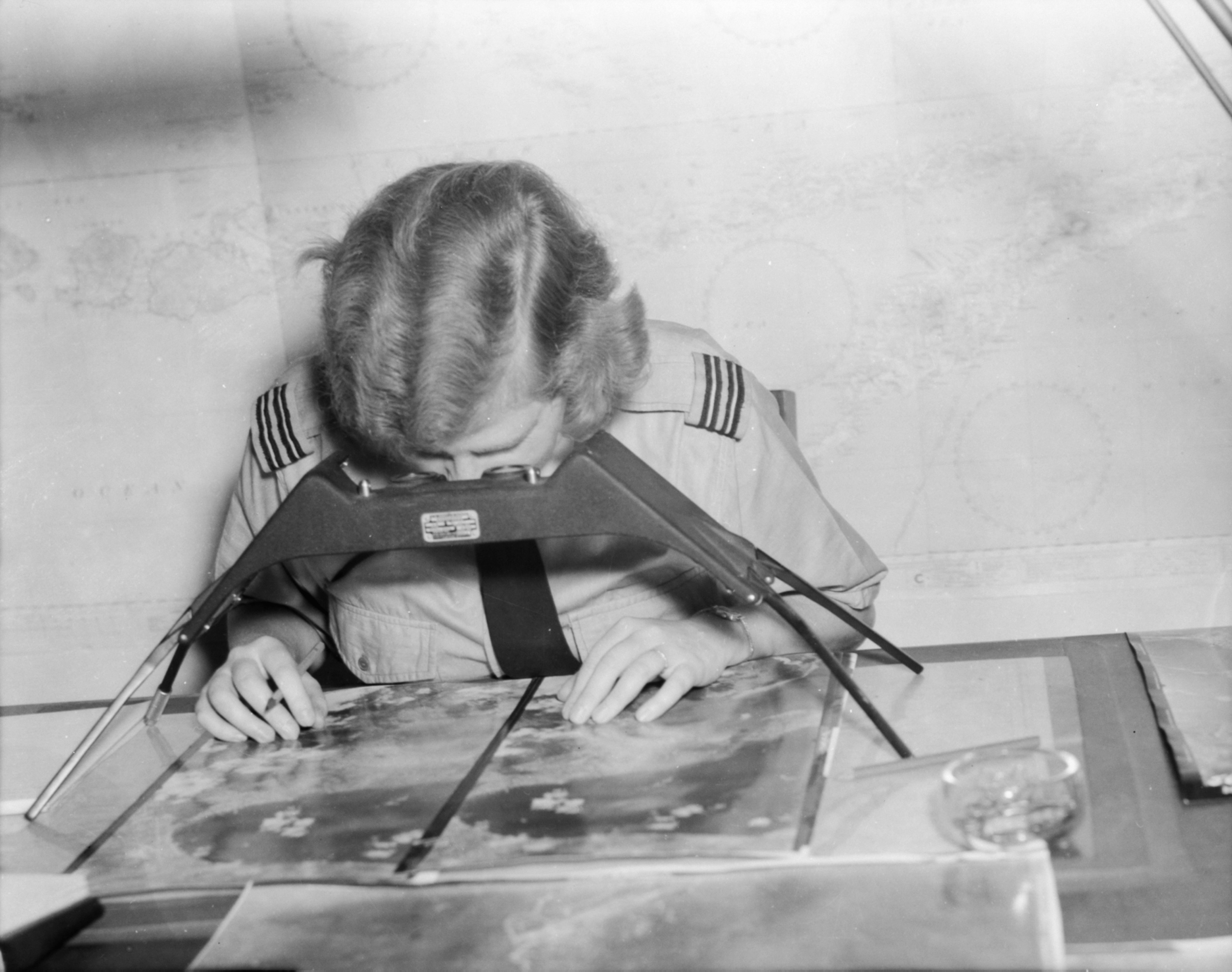
A WAAAF Officer engaged in photographic interpretation at the Allied Intelligence Headquarters peers through a stereoscope at aerial photographs.
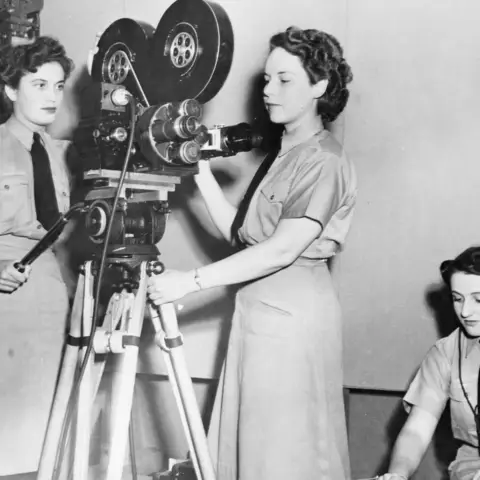
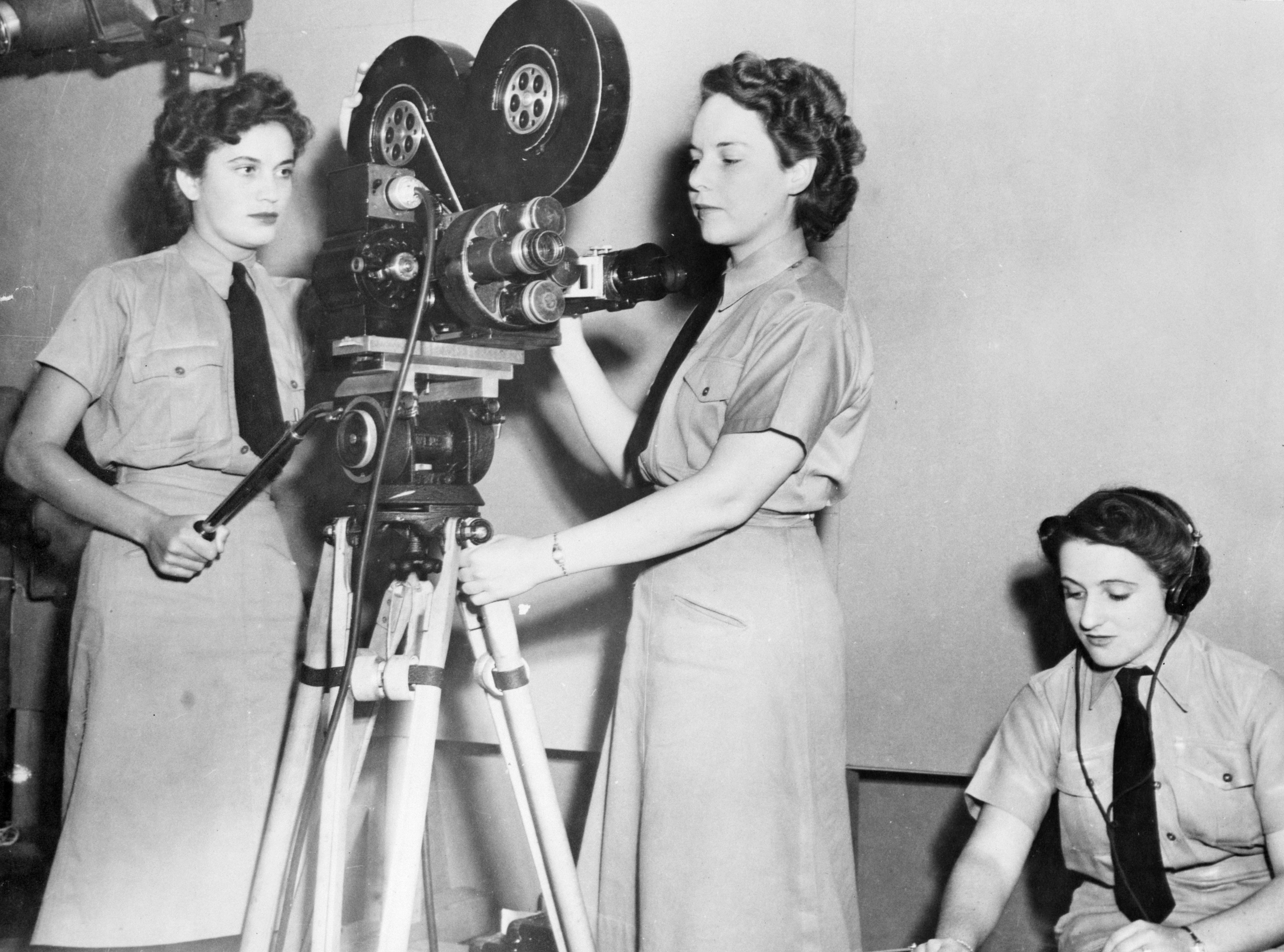
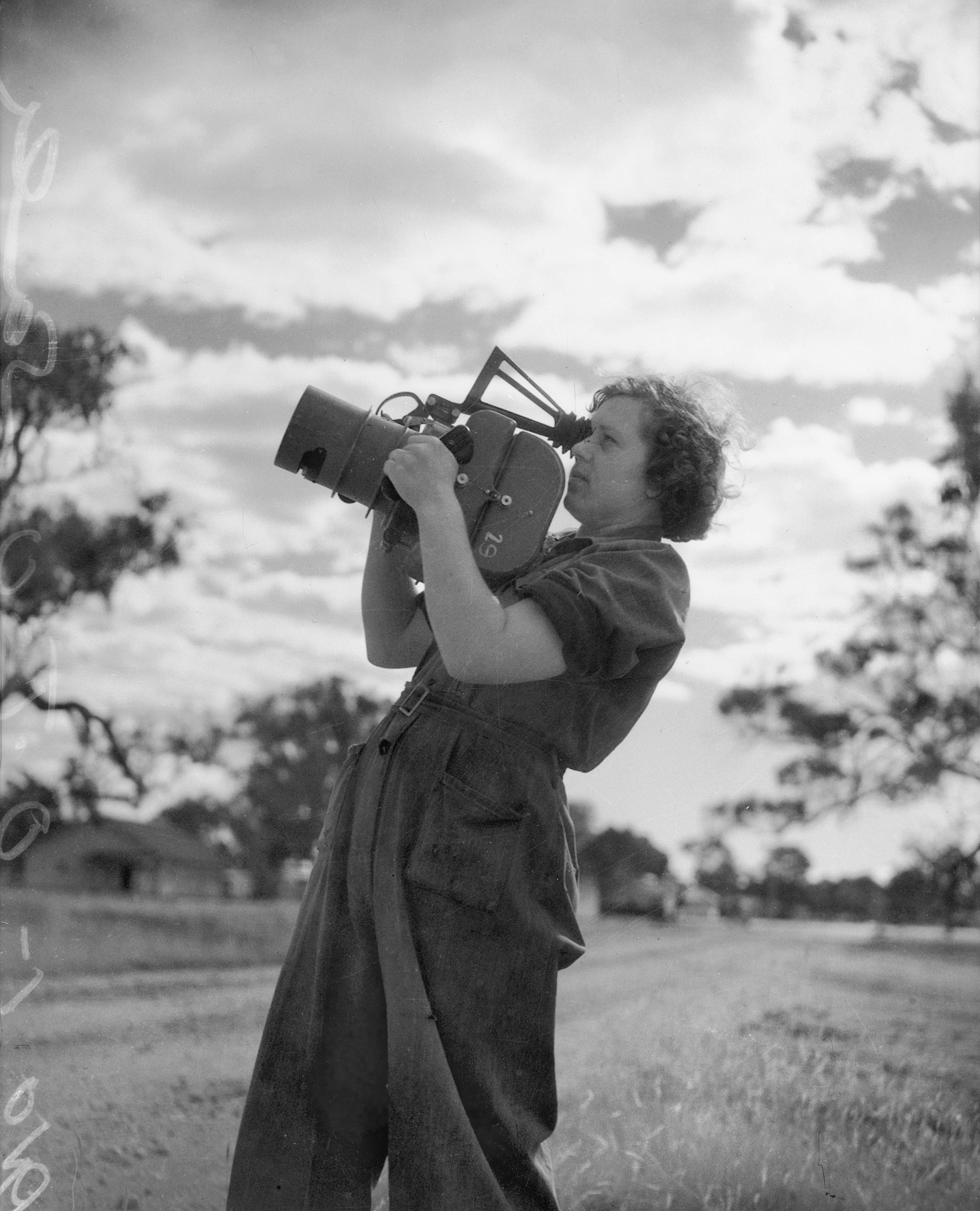
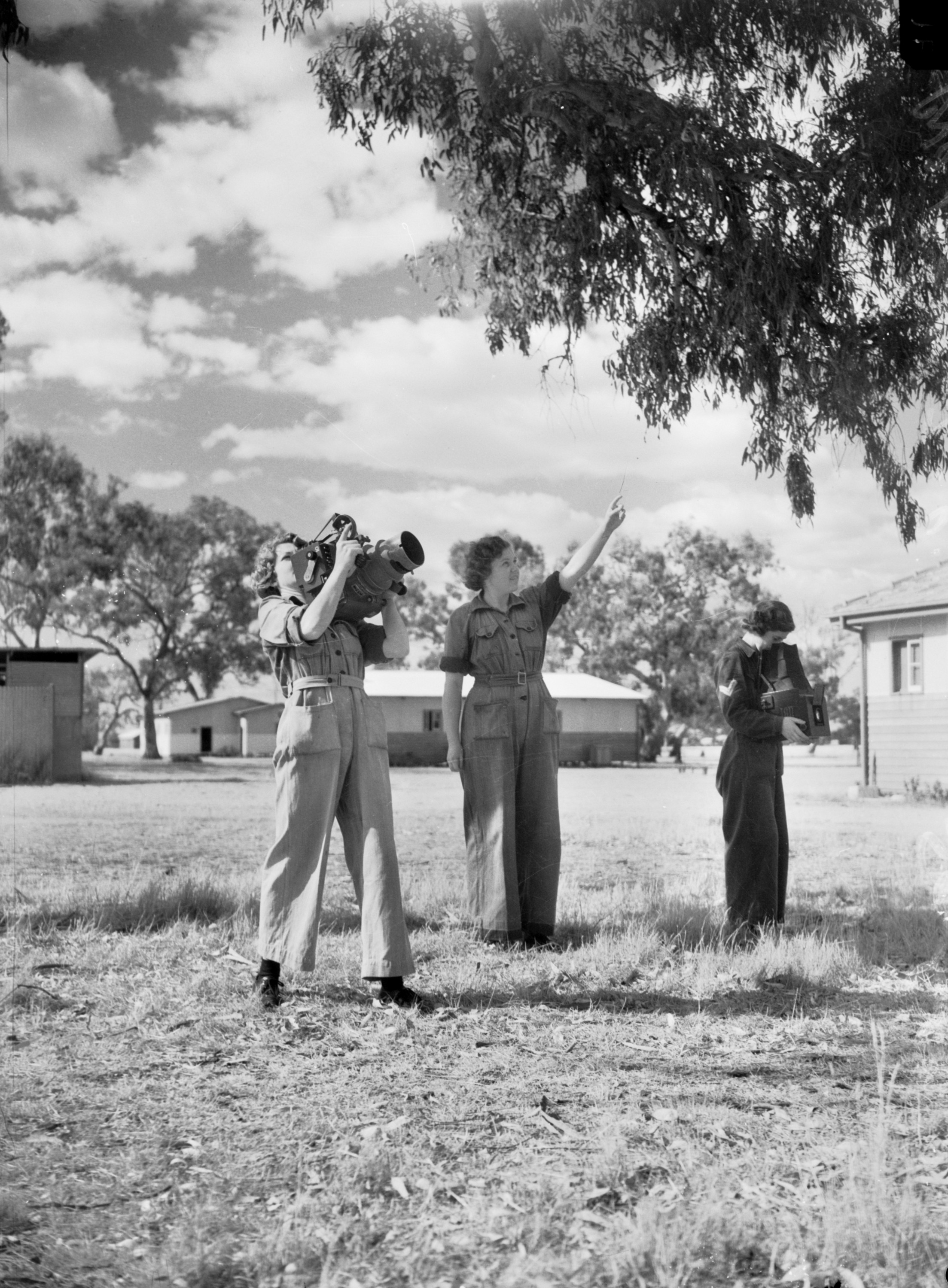
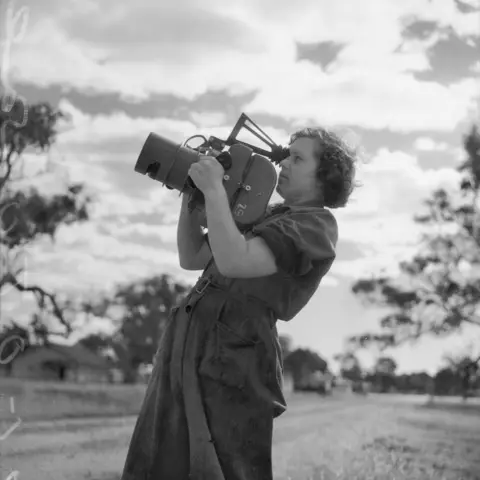
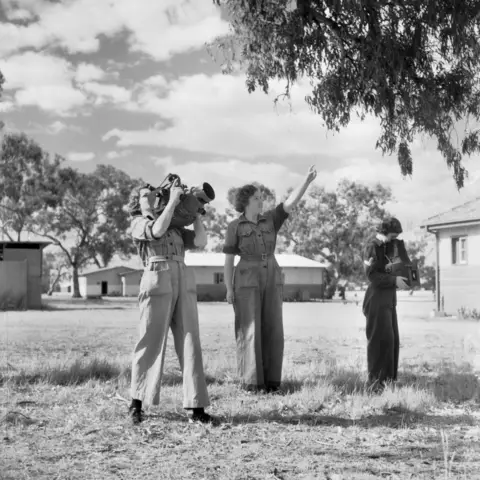
Two unidentified Women's Australian Auxiliary Air Force (WAAAF) photographers operate a motion picture (movie) camera.
Classified as ground crew, the WAAAF airwomen performed the same mechanical and technical work on the aircraft and cameras as RAAF airmen. They were responsible for everything from repairing, calibrating, testing, and installing aerial cameras onto aircraft, to processing and printing film in the darkroom.
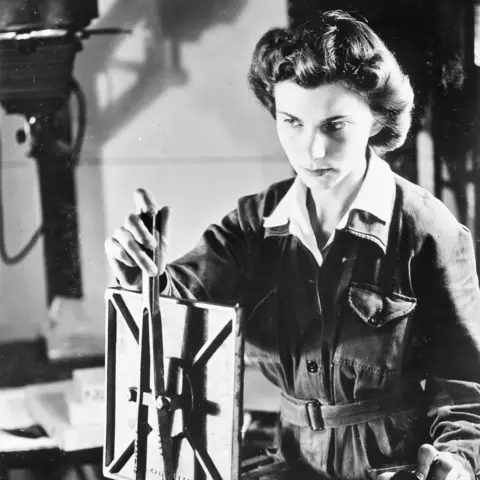
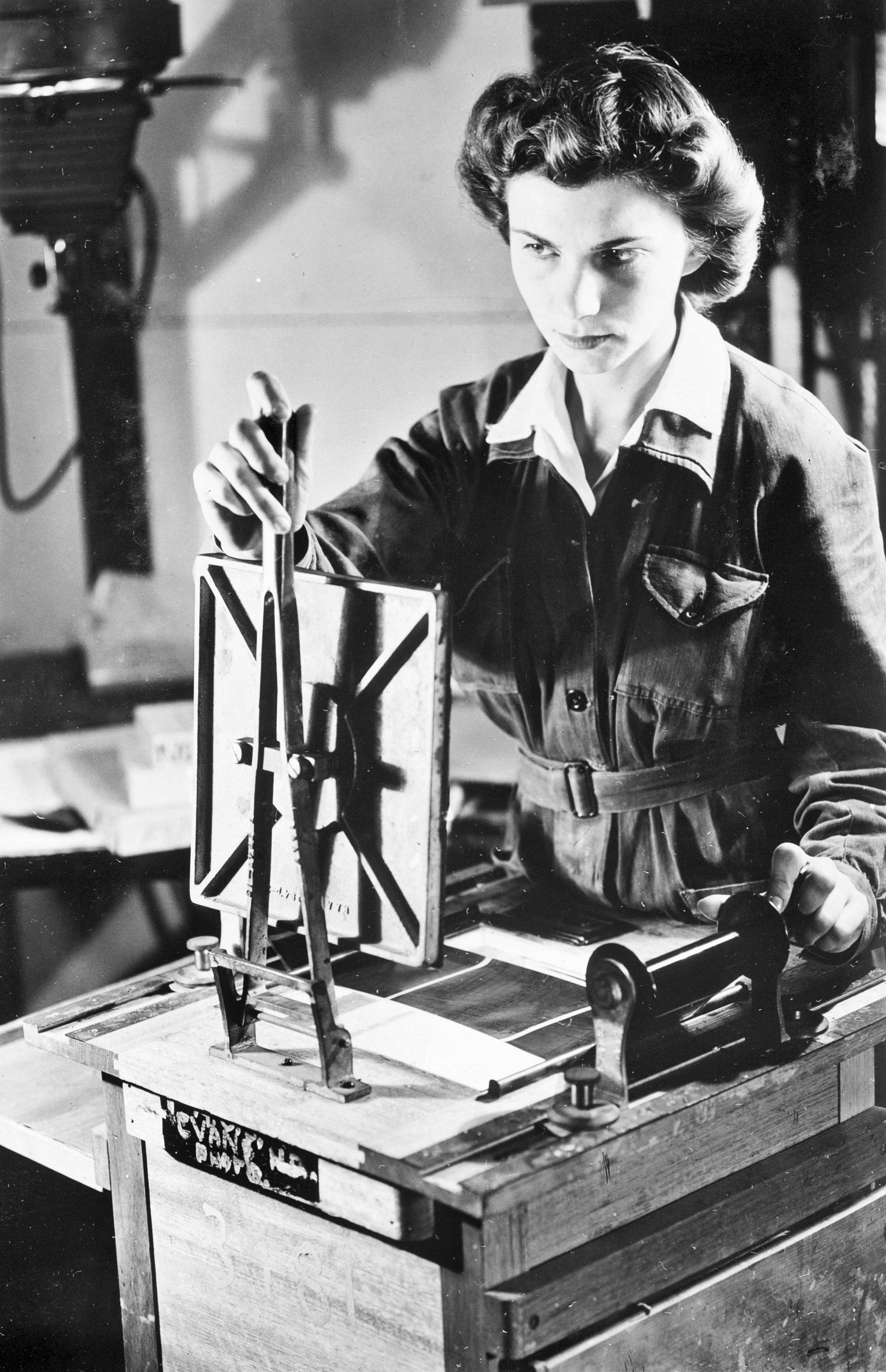
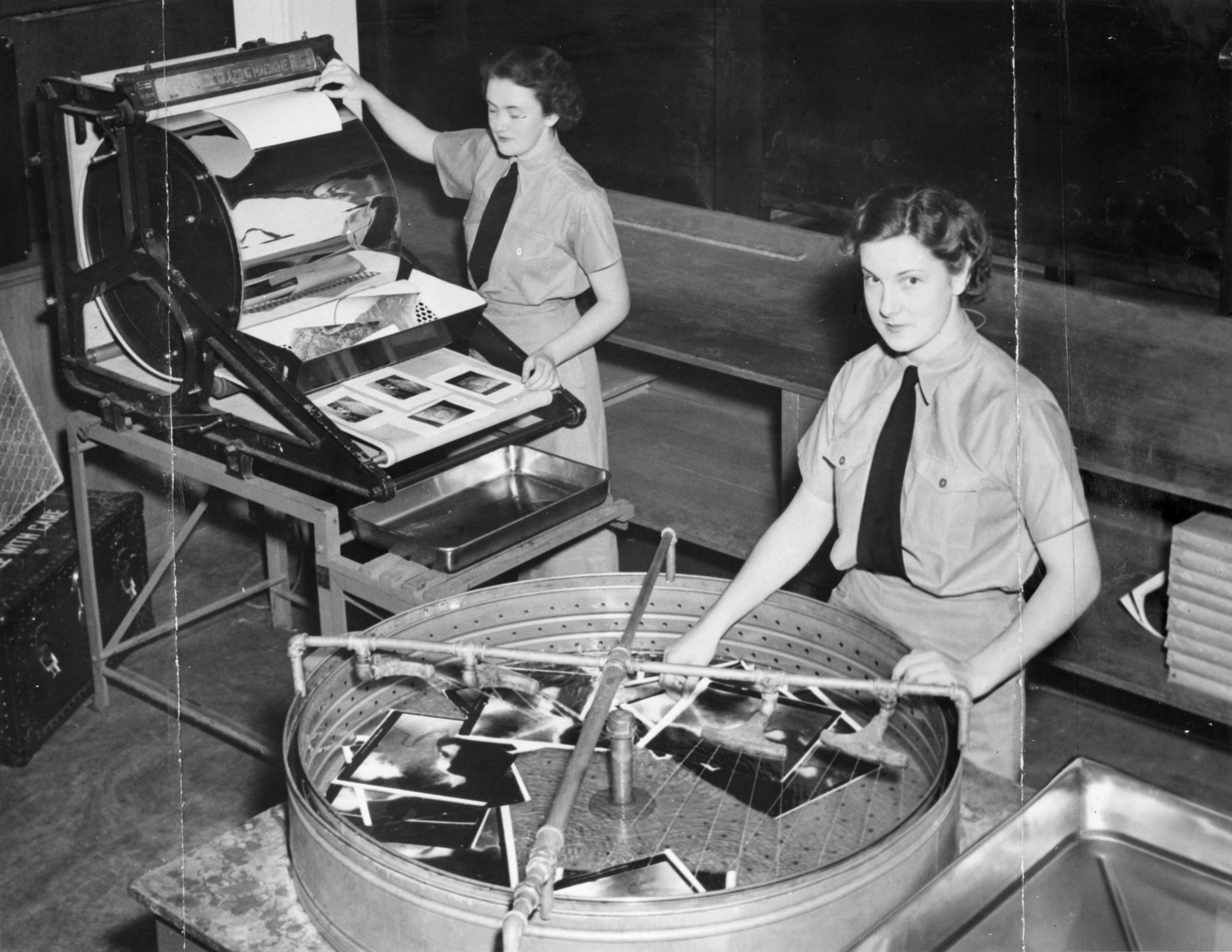
WAAAF photographer 98193 Aircraftwoman B. Lister making contact prints from developed aerial film at Central Photographic Establishment RAAF Station Laverton.
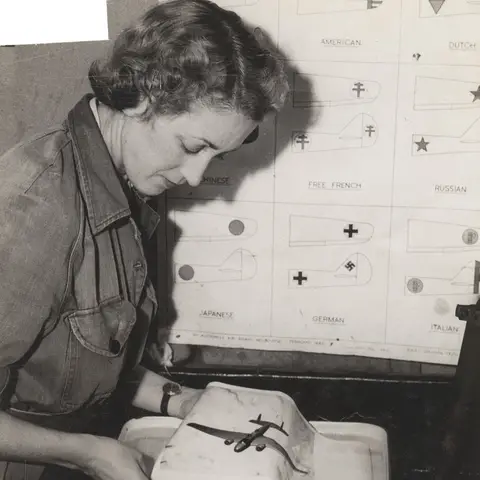
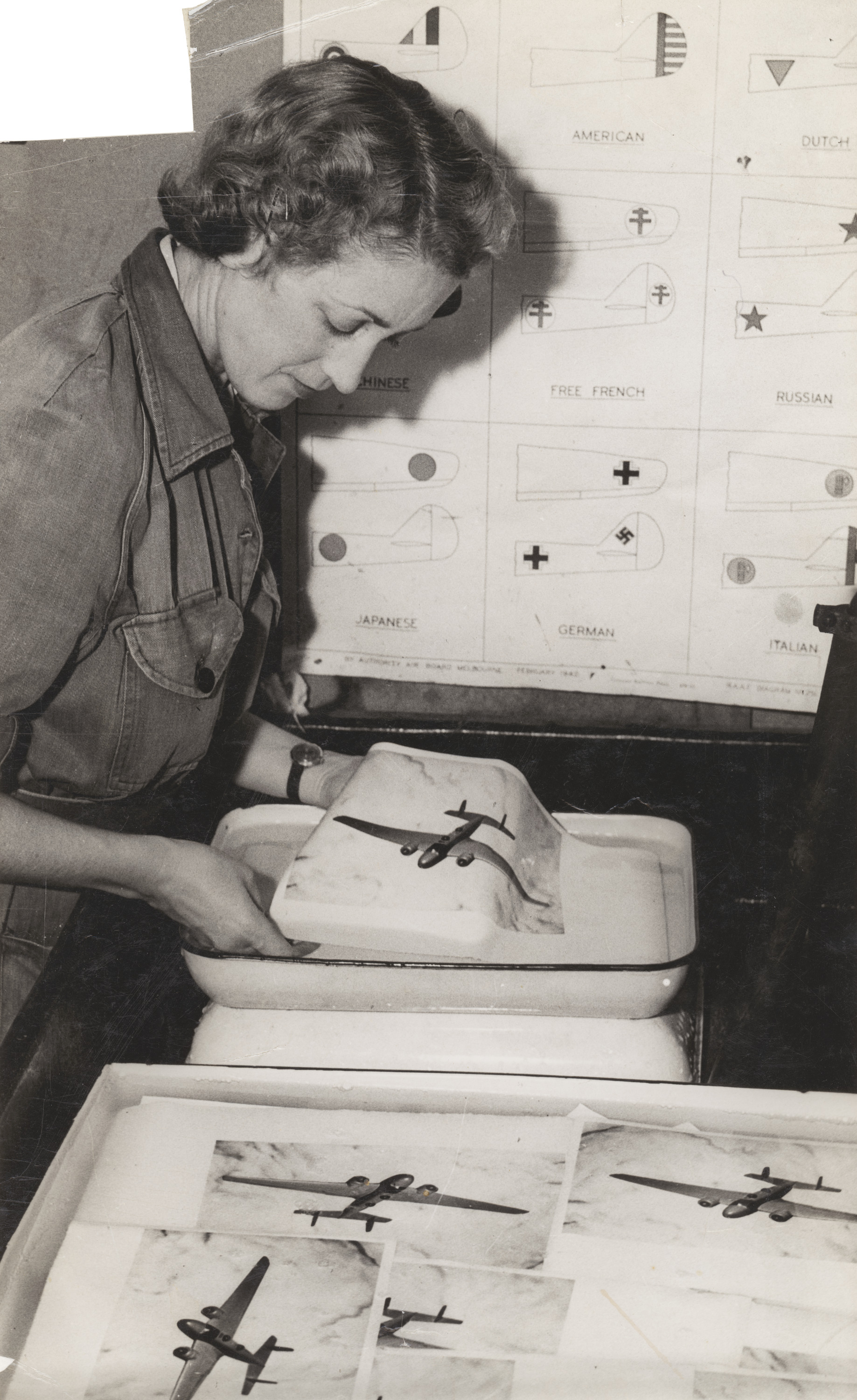
A member of the Women's Auxiliary Australian Air Force (WAAAF) develops photographic prints in a tray.
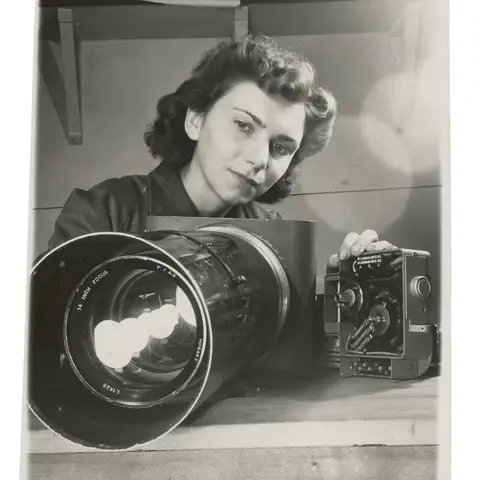
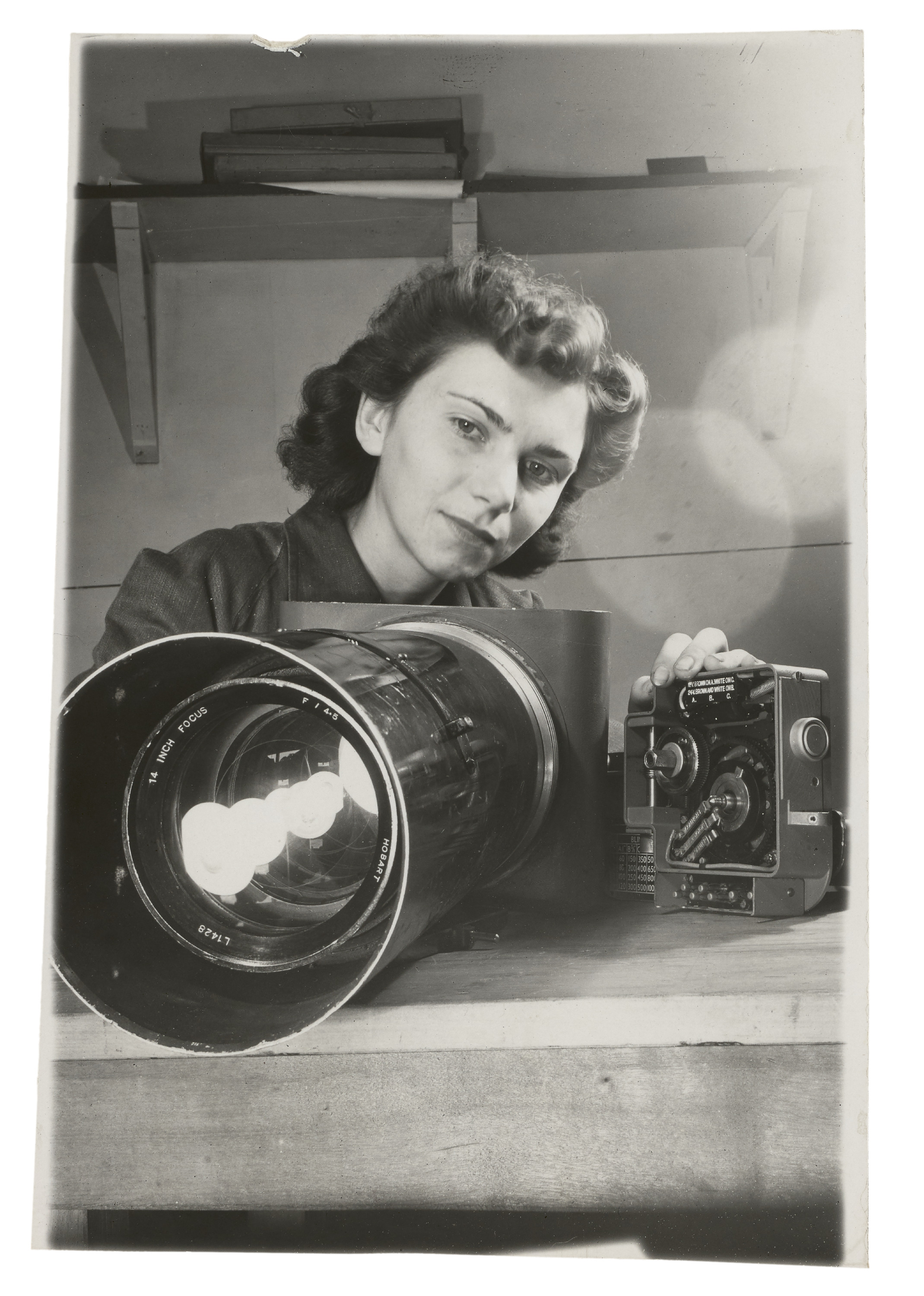
A WAAAF photographer checking an aerial camera prior to final assembly at Central Photographic Establishment RAAF Station Laverton
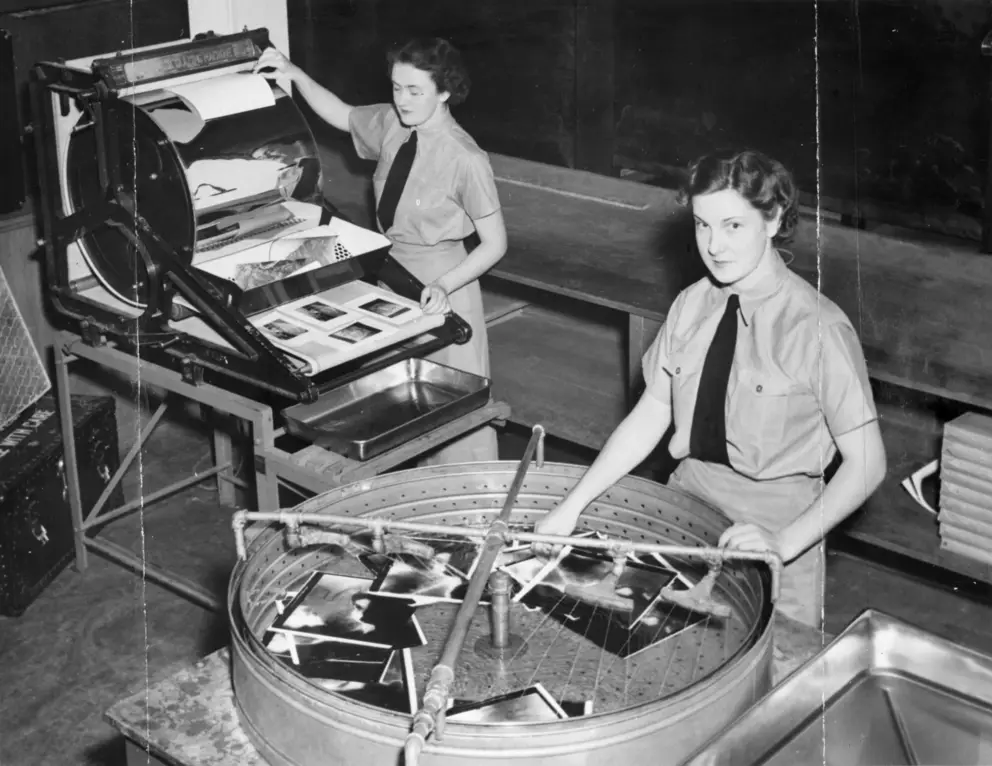
WAAAF officers print and treat photographs in a darkroom.
The majority of aerial photographic work was undertaken out of the Central Photographic Establishment, at RAAF Station Laverton, as part of the No. 1 Operational Training Unit; and the No. 5 Operational Training Unit in South Australia.
Their work was vital in the production of maps and intelligence to identify targets.
Testing an aerial camera after it has been overhauled in the workshop of No. 1 Operational Training Unit, RAAF.
Testing an aerial camera after it has been overhauled in the workshop of No. 1 Operational Training Unit, RAAF.
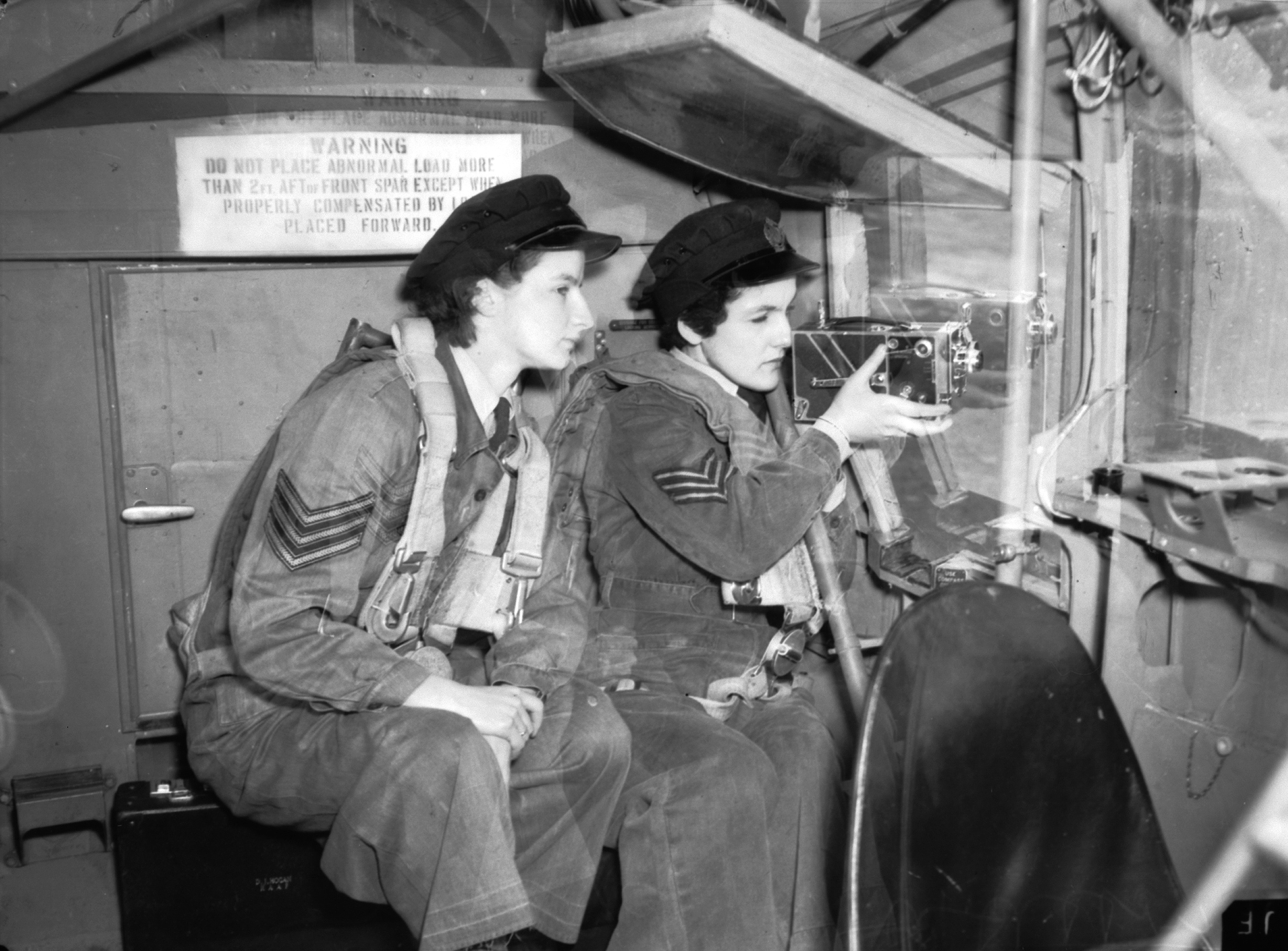
Two WAAAF photographers who regularly flew were Sergeants Hilary Benn and Glen Morton. In the air they were responsible for filming map reading trips, other aircraft in the air for recognition training, and fighter attack and bombing missions. On the ground they made technical films (films they cut and edited) to aid in training RAAF recruits in everything from mechanical maintenance to medical and dental procedures – which they cut and edited before these were shown during their training.
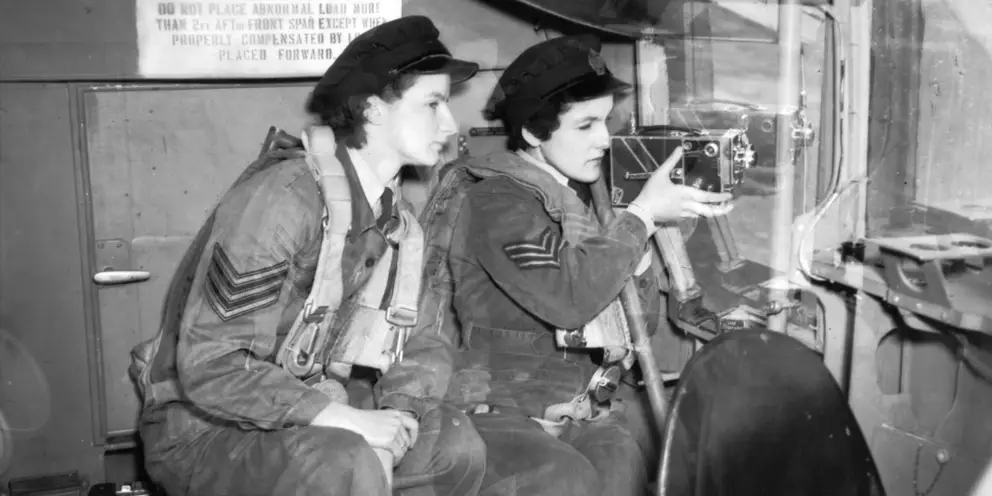
Cinematographers Sergeant Hilary Benn (right) testing her high speed aircraft camera in the cockpit of a RAAF Avro Anson aircraft watched by Sergeant Glen Morton of the Women's Auxiliary Australian Air Force (WAAAF).
![Movie still from They serve that men may fly [AWM F10244]](/sites/default/files/styles/rollup/public/images/2025-03/40-f10244-00-22-55-23.jpg.webp?itok=w0JfYzKH)