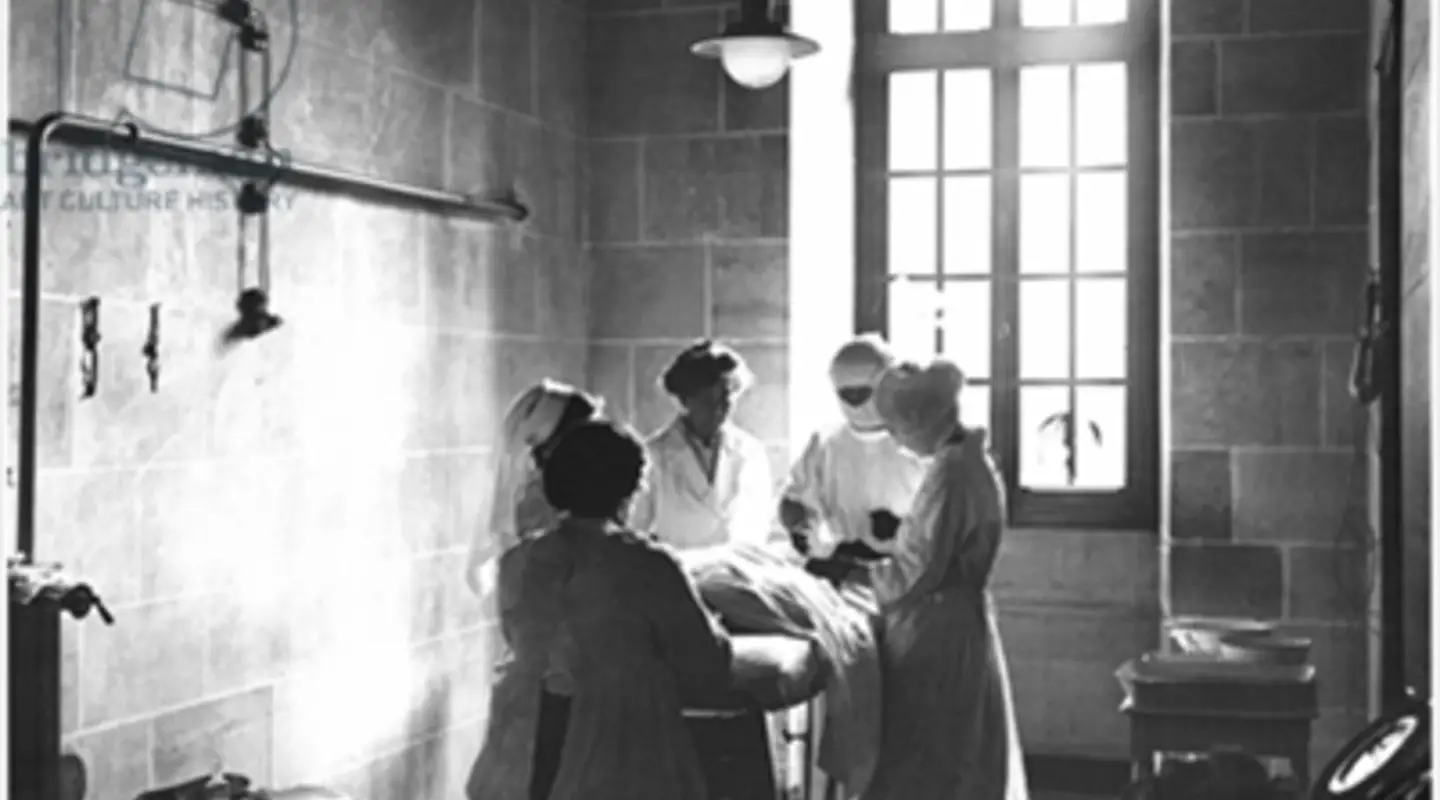
Dr. Susan Neuhaus has served in war zones from Cambodia to Afghanistan, but her latest mission is discovering the untold stories of Australian women doctors who served during the First World War.
In conversation with Dr Karl James, she shares the inspiration behind her new novel, the extraordinary real-life figures who shaped it, and why their courage still matters today.
Congratulations on this new book it was published in April this year in April 2025 it's a fantastic achievement. Can you just tell us a little bit about it, who's it about and what happens in the in the work?
I suppose my interest in these women really came about because during the 20 something years that I was in uniform I certainly didn't know anything about these incredible Australian women who served during the First World War and it wasn't until I left the army that I started to learn about them and I became just so fascinated with them that I spent more and more time researching their stories.
The novel is basically about a young woman who is a doctor at the outbreak of war in the First World War who sees her male colleagues going off to war and she wants to be able to do the same. She tried to sign up to the army and the army rejected her much as it did the real women at the time but nonetheless she found her way to England and then to France and she worked with the Scottish Women's Hospitals for Foreign Service which is where this novel is based. So Royaumont Abbey is actually a real hospital or was a real hospital during the war. It was the largest of the voluntary hospitals and that's where my character is based and she is a fascinating young woman who has to learn many lessons, many the hard way about the realities of war surgery particularly during the First World War.
Did you find your lived experience that helped inform you as an author as a writer?
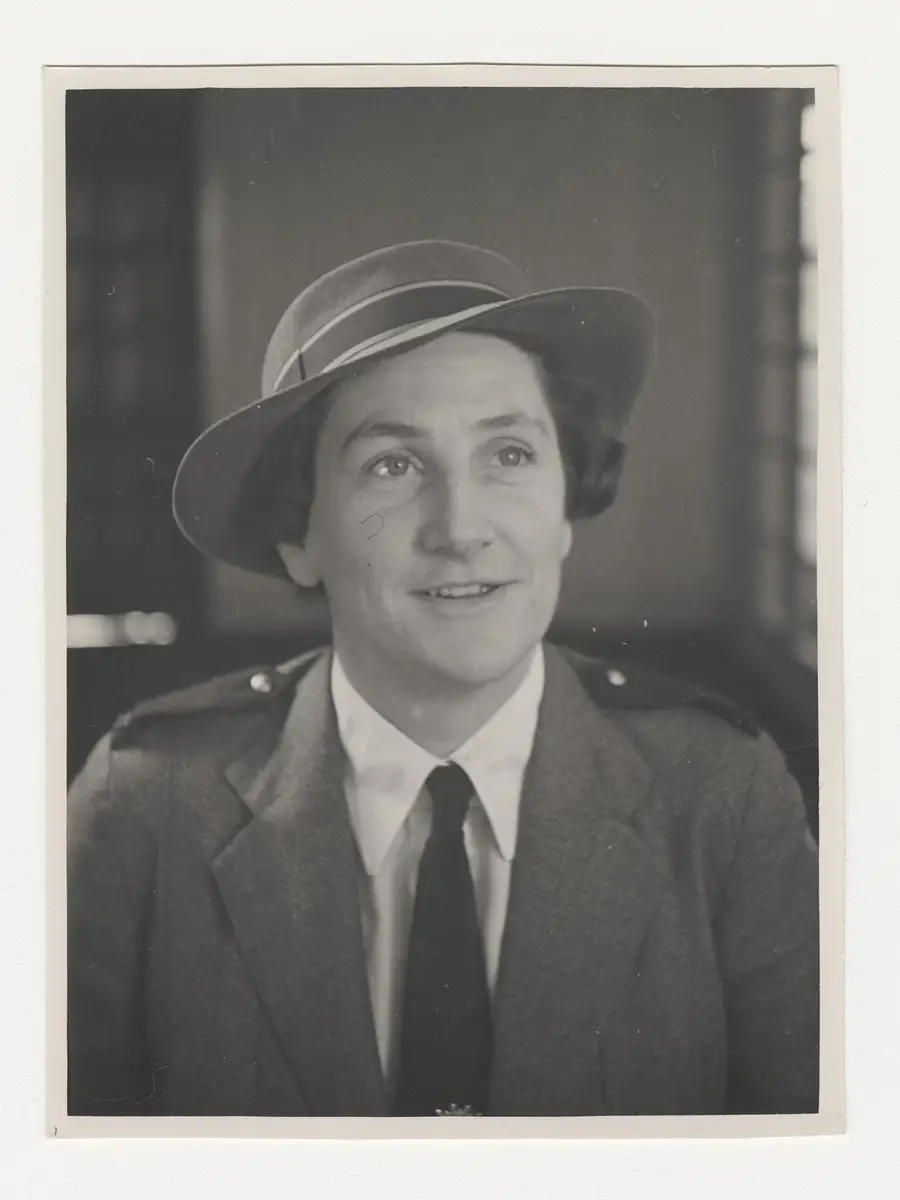
Yes I suspect there's a part of me in this as well. I think it's probably impossible to write without including or incorporating some of your own experiences but it is very much based on the historical reality of these women so I was very fortunate. Clara who is my main character is a bit of a composite. She's based on a number of them sort of collaged together. So one of those women was Vera Scantlebury Brown who was a young woman from Victoria and she was 28 years old at the outbreak of the war.
She served not in France but in England at Endell Street Military Hospital which was a hospital run entirely by women. All of the doctors the surgeons etc were all women and she left behind some 19 volumes of diary notes which are in Melbourne and they are just exquisite. They really talk through her journey from being a young, naive slightly over confident young surgeon to just having to deal with the realities of war surgery and if we think back the First World War these were injuries that really nobody had ever seen before so trying to navigate her way through that.
Now as a historian I have to ask, you have an amazing real-life character oh sorry a real-life person as well as those diaries, why novel then? Why not just do a more conventional biography?
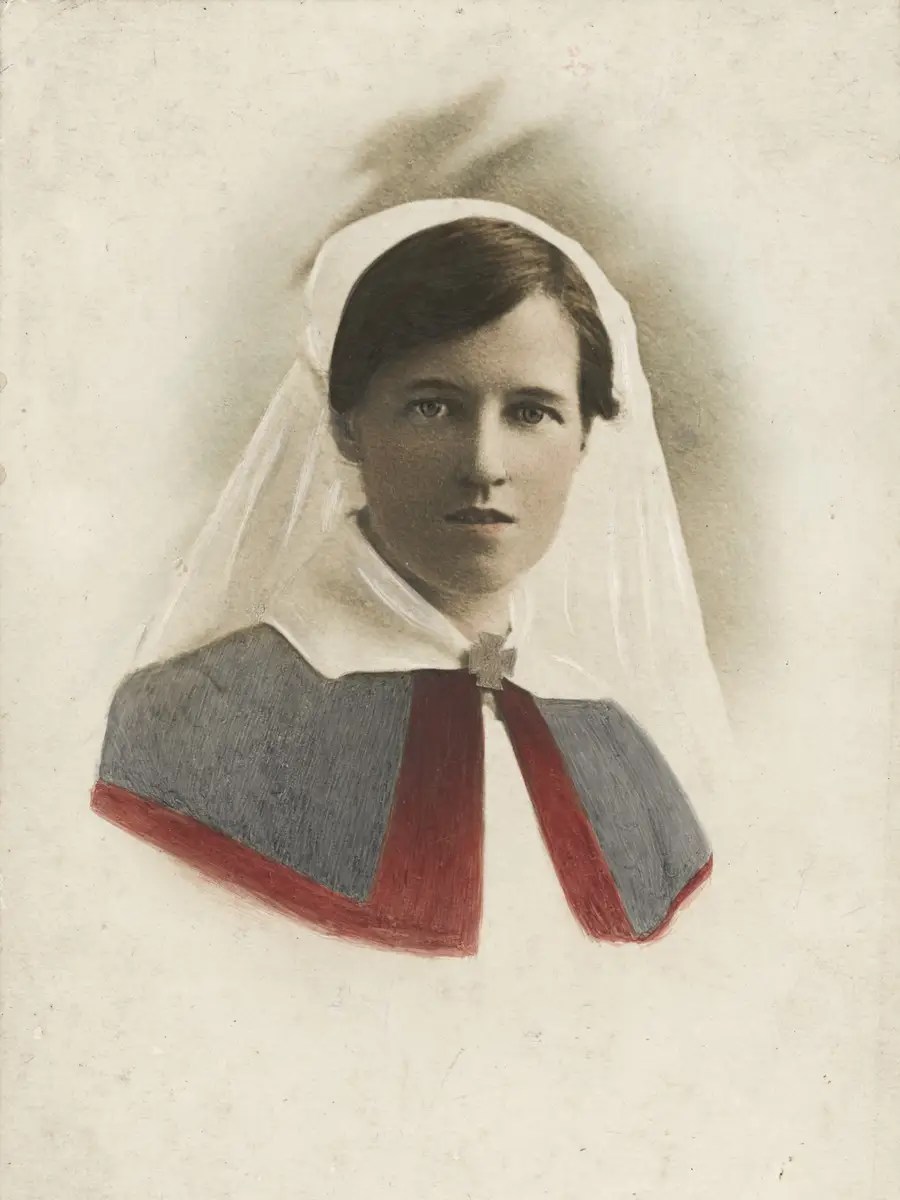
Well I think it's a very interesting question but then who do you choose? I think all of these women were quite remarkable in their own way and I would have really struggled to choose one of them. If I had chosen one it possibly would have been Lilian Violet Cooper who served in the Eastern Front under some of the most exceptional conditions and I think for me that's part of the story too which is as I say having spent some 20 years in the military I didn't know anything about these women's stories and there's certainly nothing that I've done in my military career that could even come close to the real conditions that these women worked under during the First World War. So yes some of the characters are real in the book as a historian you would appreciate Elsie Dalyell who was one of the Australian doctors who worked at Royaumont and she was involved in the early gas gangrene experiments with the Pasteur Institute which at the time which is before antibiotics was quite groundbreaking work. Of course we take antibiotics for granted these days but Elsie was there and Miss Ivens who is one of the characters in the book was also a real character quite a remarkable woman.
Another real-life person who was at Royaumont was Millicent Armstrong who was she?
Well Millicent's a fascinating character because I had learned of Millicent when I was writing the non-fiction which informed a lot of the work for this but I really didn't know a lot about her but I was keen to include a story about the VADs the voluntary aides that worked in the hospitals so they were quite a remarkable group.
And they're not nurses.
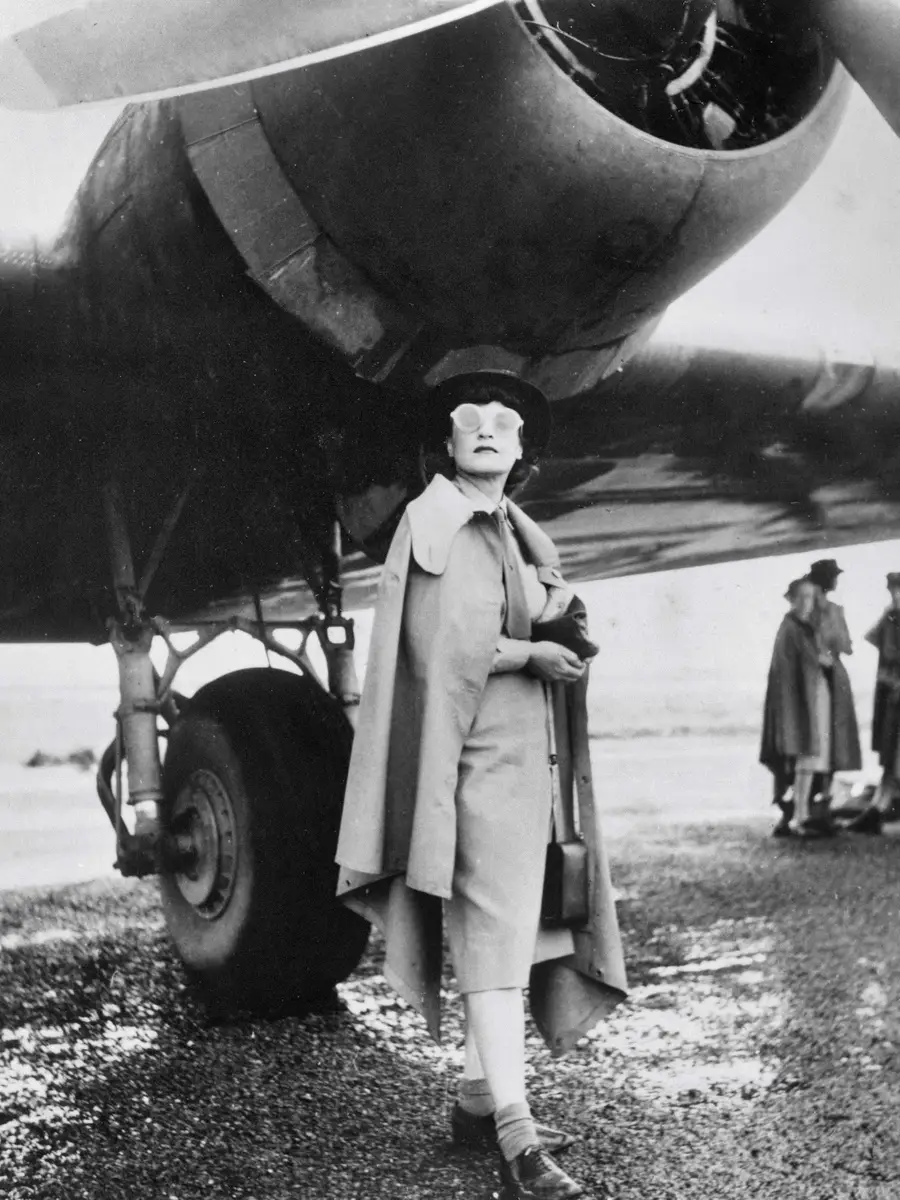
And they're not nurses. They're quite a remarkable group of women who largely were unpaid, who went and served in auxiliary roles so sometimes they got nursing duties they're often confused as being nurses but they didn't have any particular nursing training but they did everything from scholarly duties, to helping the nurses, to administrative tasks etc. Some of them did some physiotherapy which has informed one of the one of my characters Cicely but Millicent worked at an outpost of Royaumont Abbey Hospital at a place called Villers-Cotterêts and she was awarded the Croix de Guerre.
It was a French army auxiliary hospital and she was part of a pretty brutal last week or so at the hospital before it was overrun by the Germans and she was a remarkable character. She was working in London at the outbreak of the war as an editor for the women's pages of a newspaper and she found her way to France and she worked there with the team at Royaumont but as I say I really didn't know much about her until funnily enough after this book was published when her family got in touch with me and they have shared with me her story which is just even slightly more remarkable than Cicely I would have to say.
You'll need to write a sequel. Has any of her words survived? Do we here have a sense of who she is as a person from her own experience?
Well I thought there wasn't much that had survived. I knew that she had written some plays but her wartime plays are said to have not survived. She wrote some plays after the war which are in the National Archives but her family showed me a letter that she wrote or that's been transcribed from her writings in what I suspect is around June of 1917 and it is an absolutely extraordinary letter which details particularly that last week when they were evacuated from the outpost hospital.
One of the things I find remarkable about the way that she writes is that classic sense of understatement and in many ways it resonates with the real world the real words of Elsie Dalyell for example or of Vera Scantlebury Brown in her diaries but oh what shall I choose? It's a bit, it's quite a long letter I'd have to say.
So this is basically set when she's talking about Tuesday May the 29th and she says here, I could never tell you what a hellish thing this fighting is. At present I don't feel as if life would ever be worth living again after the ghastly suffering we've seen. It seems to me there is only one spark of divinity left on earth and that is human courage.
A dying man shot to pieces whom I was holding apologised for tiring me. I mean it is just, it is just extraordinary. She was evacuated from a place that she described as a little chapter of hell but she goes on to talk about where the team were operating under candlelight, there were bombs dropping, it was clearly quite chaotic and there's a particularly sad phrase that I find really, it really just creates the environment that she was in when she says, the chief was operating by candlelight. It's a horrible thing to record but when the girls went to remove the amputated limbs the bundle was too heavy for them to lift. One just scrambled around in the semi-darkness giving a drink here, undressing a man there. The only thing about such a situation is that one has not the time to be alarmed.
It's just extraordinary and the team were evacuated, most of them on foot, back to Royaumont Abbey. She remained behind and then eventually got back to the Abbey at about midnight but then, believe it or not, went back. She sort of mentions that her adventures were far from over and she went back to try and retrieve some of their very valuable equipment and some other things but of course when she goes back she comes under bombardment with herself and her chauffeur who was another woman and there are some passages here that describe what it felt like to be in that bombardment.
They escaped across to a field and was stuck under a tree for about four and a half hours and she and the chauffeur were just holding hands waiting for it to stop. It is really quite incredible and it is extremely evocative and I feel very grateful to the family for reaching out and sharing this with me.
It's always a privilege when families open up and share these experiences, these long forgotten stories, particularly have the words from the people who were there at the time. Simple question then, we just lived through the centenary of the First World War, how are we still discovering these remarkable stories of Australians from the Great War? Why do we not know them already?
Well I guess that speaks to the fact that history is complex, that there are many overlooked narratives and the narratives of women in particular have often been overlooked as have many other narratives and it's just so important that we do find these stories and that we remember people because it's one thing to stop in front of monuments and reflect but we really honour people when we remember their stories and when we share their stories and it's wonderful that people are now turning their minds to uncover the stories that we have overlooked and to bring potentially a breath of life back into these individuals and there's so much we can learn from them, from what they did, from how they did it, how they survived and I really would just encourage people who've got shoeboxes full of potentially great, great, great aunts things to have another look and see what's there.
Well I always feel that looking for stories and then sharing them, that's a very much an active form of commemoration, it's not just that sombre reflection but telling these stories and their name lives on for a little bit more. So thank you Susan, thank you and congratulations on your publication, thank you for talking to us today.
Thank you Karl.
 +
+
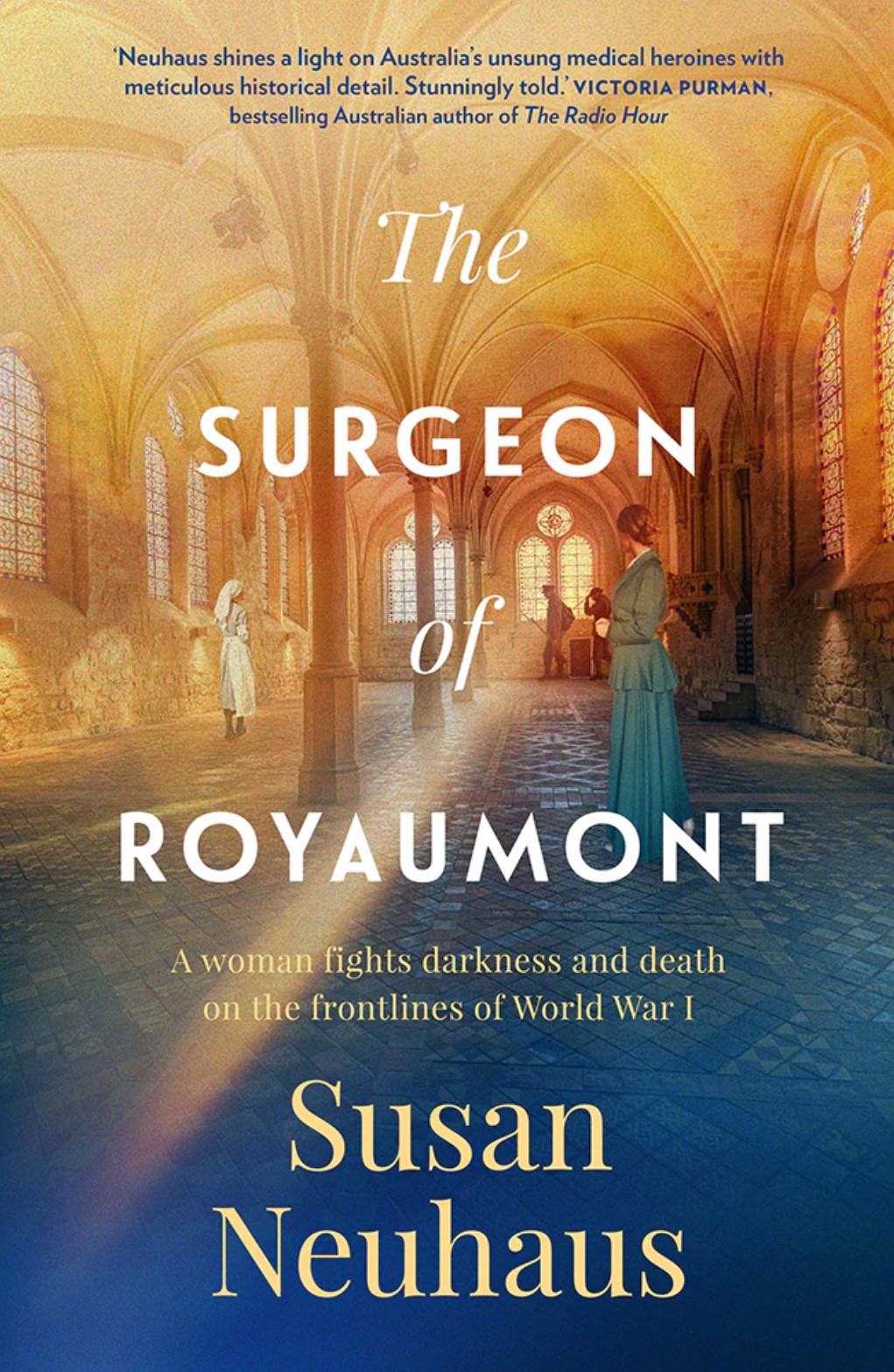
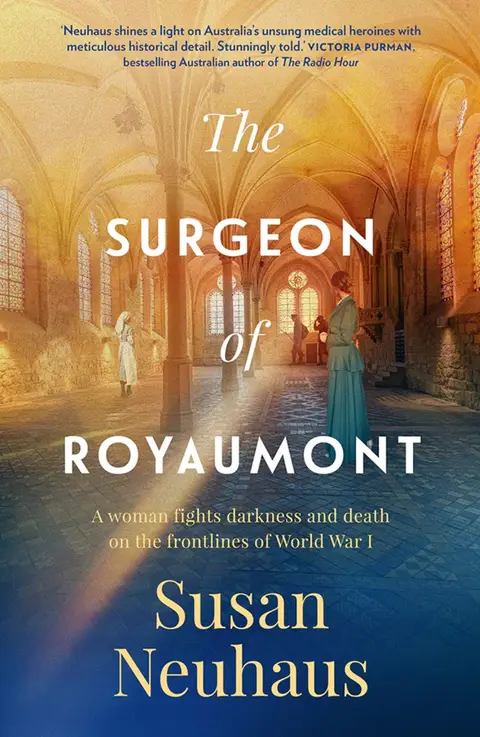
The Surgeon of Royaumont
By Dr Susan J. Neuhaus
Details: Fiction, published 2025.
Format: Soft cover, 384 pages.
A young Australian woman on the battlefields of World War I finds her calling through her work as a surgeon - and her legacy in compassion. Based on real-life characters and events this thought-provoking novel is a testament to the resilience of the human spirit amidst the ravages of war.
As one of only a handful of female medical graduates working at the Prince Alfred Hospital in Sydney, Clara Heywood refuses to be denied the chance to become a surgeon because of her sex. As her male colleagues, including her unofficial fiance Edward, head off to war, Clara grapples with a sense of her own unfulfilled purpose. In defiance of her own family and all convention, she leaves for France to work at the Scottish Women's Hospital at Royaumont Abbey, a hospital managed entirely by women on the Western Front.
There, under the tutelage of Miss Frances Ivens, Clara is thrust into the brutal realities of war, the technical intricacies of surgery and the profound ethical and emotional toll it exacts. Surgery tests not only her skills but her values and Clara discovers that her greatest adversaries are not the wounds of war but the internal conflicts that shape her understanding of humanity, and the heavy burden of her own ambition.
Clara's journey transcends the confines of history, embodying the timeless struggle for identity, purpose, and humanity amidst the horrors of war, and bringing to light the courage and sacrifice of women.