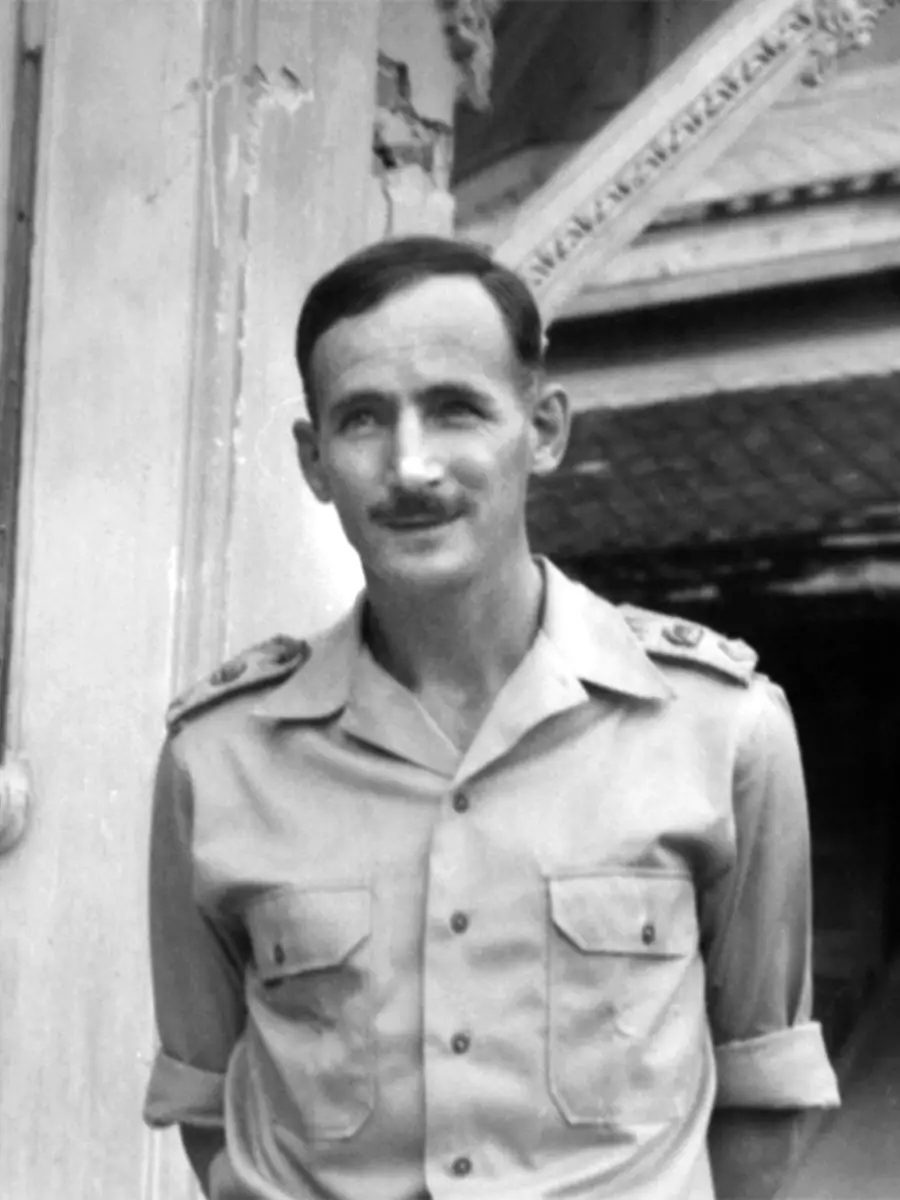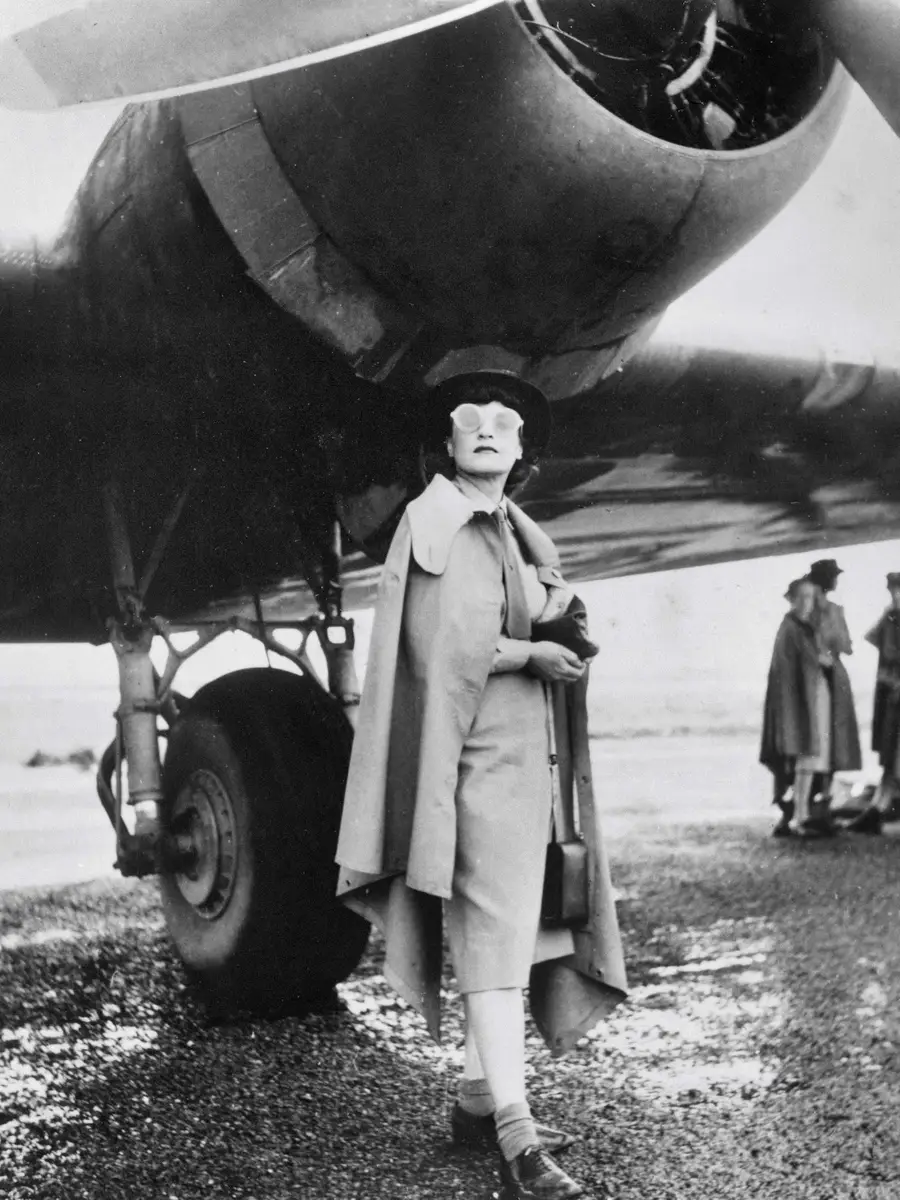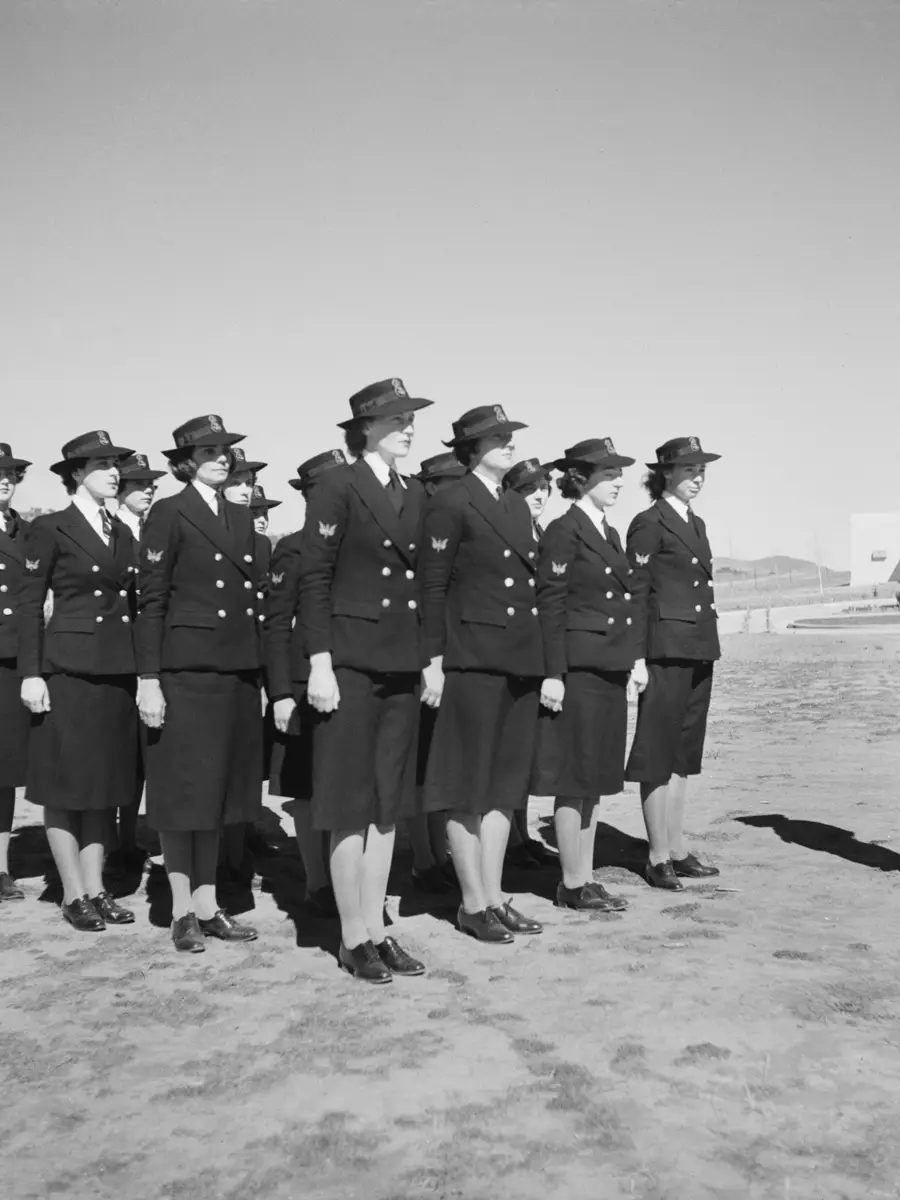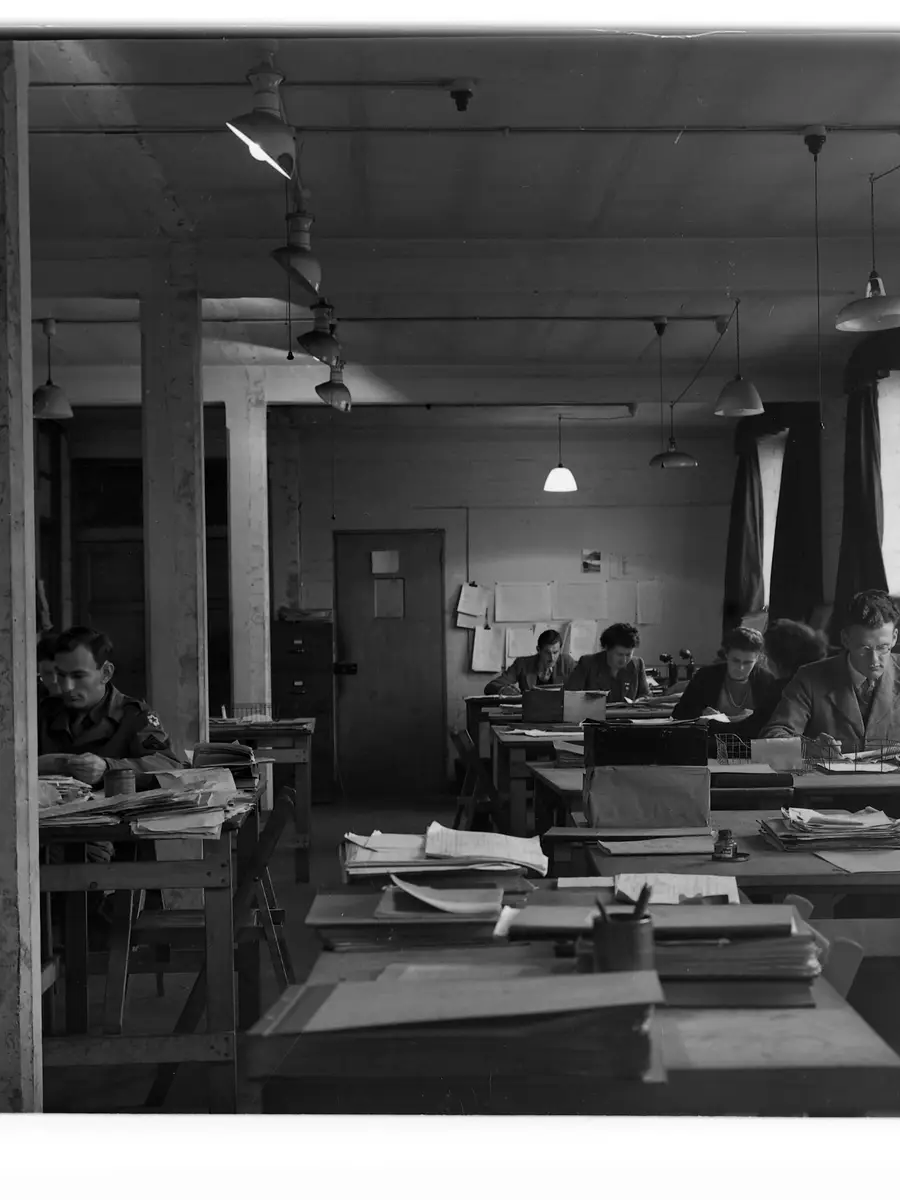
From Vietnam to Afghanistan, hear Australian women who served: a young nurse, a war artist, an engineer and an Army pilot. Through archival recordings and firsthand accounts, discover the moments that shaped a century of military service.
This episode was brought to you by Leidos Australia.
An Australian War Memorial Official Podcast.
John Barrington:
Through Their Eyes shares real life experiences of war, some of which may involve sensitive or distressing subject matter. Themes may include violence, death, trauma, and loss. We aim to share these stories with care and respect, but please take your well-being into account while listening. If you need support at any time, visit our show notes for resources.
The Australian War Memorial acknowledges the traditional custodians of country throughout Australia. We recognise their continuing connection to land, sea, and waters. We pay our respect to elders past and present. We also acknowledge the veterans who have served, those that are still serving and the families that love and support them.
Through Their Eyes is made through the support of Leidos Australia.
Historical Collection Excerpt:
Rescue 161, Air Force Sydney. Copy. Standby.
John Barrington:
Inside the cavernous belly of a Hercules was never quiet. Engines thundered, the metal floor vibrated beneath your feet, and wounded soldiers lined to the length of the aircraft. Within these aircraft, young nurses were preparing for work that would test them in ways they never expected.
Medevac Nurse 1:
First of all, you had medicals and psychological assessments, et cetera. And if they were successful, then you were seen before a board, an interview board.
Medevac Nurse 2:
But it was voluntary.
Medevac Nurse 1:
But it was, yes. It was voluntary. No, well, the first couple of times I prayed all the way.
Medevac Nurse 3:
Oh, the first few times I was terrified.
John Barrington:
In conditions that were layout, chaotic, and exhausting, nurses moved constantly between patients trying to keep wounded soldiers alive as they were flown from a war zone to home. Many were women volunteering for work that carried enormous responsibility.
Medevac Nurse 3:
I'm probably frightened of the responsibility.
Medevac Nurse 1:
I was always worried for my patients that I may not have taken something that I needed to take.
Medevac Nurse 2:
You felt terribly, terribly responsible.
Medevac Nurse 1:
Yes. Yes.
Medevac Nurse 3:
There was a lot of noise on board, et cetera, but really they didn't care. All they kept saying was RTA and that was returning to Australia. That's what they wanted.
John Barrington:
The voices you just heard were those of Viki Fox, Noelle Leonard, and Stephanie Millhouse, former Royal Australian Air Force Nursing Sisters. They were reflecting on their time aboard medical evacuation flights during the Vietnam War. Among the nurses serving on these evacuation flights was Patricia Furbank. She started flying at 26 years of age and went on to fly 84 of these missions, bringing the wounded home during a period of the Vietnam War and beyond.
Patricia's story is only one part of a much longer history. By the time she was doing this work, women were trusted with lives, volunteered and worked in war zones, completing difficult tasks under extreme circumstances, but it hadn't always been that way. For decades, women have been part of conflicts often without recognition, sometimes without a place at all.
I'm John Barrington, and these are the stories of women whose service spanned hospitals, cockpits, ship decks, and front lines. Welcome to Through Their Eyes.
Long before women were officially embedded within Australia's military services, many were finding their own way into war service. One of these women was Olive May Kelso King. By early 1915, she was doing something remarkable.
Australian War Memorial Assistant Curator Rachel Vaughan has spent years researching and sharing the stories of women in conflict. Working within the Memorial's private records collection, many of the stories she encounters are varied, deeply personal, and often largely unheard.
Rachel Vaughan:
This is the story of a woman serving outside of the military ranks and her mighty little truck. Driving quite literally her own path was Olive May Kelso King, the second daughter of Sir George Kelso King and his first wife, Lady Irene. They were a well-off family from Sydney and Olive had a great education and many opportunities because of her family's position. Growing up, Olive was very close with her dad and her older sister.
But when she was only a teenager, her mom passed away. We know Olive was adventurous. She enjoyed travelling and she was overseas in England at the outbreak of the First World War. At this time, the only official roles for women in the military were as nurses. Olive was used to a life of independence, so signing up for military orders and fixed routines seemed out of the question.
Instead, Olive chose to do something incredible. She travelled to the Western Front with her own ambulance. Converting an old truck, Olive independently volunteers her services to ferry patients and medical supplies in her ambulance affectionately named Ella the Elephant due to its size. After a few weeks with the Scottish Women's Hospital, Olive and Ella were tasked with a new challenge.
Sent to Salonika, now known as Thessaloniki in Northern Greece, the pair drove in support of the allied forces on the Balkan Front, navigating treacherous mountain roads and harsh weather conditions. Olive performed her own repairs often roadside. In a letter home, she wrote, "Ella is in hospital again. Poor darling. She broke four springs this morning and I had to take her up to the garage this afternoon. It's an awful nuisance.
"Olive and Ella began serving with the Royal Serbian Army, quickly picking up the language and growing her reputation as a dependable duo. She wrote of the long hours required to manage the high casualty numbers. All the hospitals have become simply clearing stations, taking in and evacuating as fast as possible.
"We're evacuating 106 tomorrow, but we'll be full up again by evening. You can hardly walk along with stretchers between the beds and everywhere on the floor. I'm getting up at 3:30 to help." If her wartime experiences weren't chaotic enough, Olive and Ella were present during the Great Fire at Salonika in August 1917, where one-third of the city burnt down. In a letter to her father, Olive described the scenes.
"As we came down the hill, it seemed as if every building in town were burning. Looking up there, a wall of fire with the frenzied pushing people and a crash of falling buildings was something Dante might have described, but certainly I couldn't." Over the following days, Olive and her ambulance drove frantically, rescuing distressed civilians from blazing streets and protecting their precious medical supplies.
For her efforts during the fire, she received the Serbian Medal for Bravery. Olive wanted to make a difference for the less fortunate people that she encountered in the region. She raised funds from Australian donors, including her own family, and established a series of canteens for displaced Serbians. When the war concluded in November of 1918, Olive stayed on and she continued her humanitarian work for another few years.
And with many miles and rough roads behind her, Ella the Ambulance was finally retired. After years abroad, Olive returned to Sydney in 1920 and she reunited with her dad. She held leadership roles with the Girl Guides Association, continued her love of travel, and she put her mechanical skills to good use as an aircraft examiner during the Second World War.
John Barrington:
Olive's handwritten letters home were donated to the Memorial by her family for safekeeping. Women like Olive King stepped into war at a time when there was no clear space for them. They drove ambulances, worked near front lines, cared for the wounded, and carried enormous responsibility. By the Second World War, that had started to change. Women were beginning to enter military life more officially and their contributions were becoming more visible. But being allowed in did not always mean being treated equally.
For artist Nora Heysen, the war became a constant negotiation between what she wanted to do and what she was permitted to do.
This episode is brought to you by Leidos Australia. As we explore the human experiences of conflict, we're reminded that people remain at the heart of every mission. Leidos Australia is proud to support those who help keep Australians safe through technology, innovation, and expertise. More than 50 years after the war, Nora Heysen sat down with the Australian War Memorial to reflect on her time as Australia's first female official war artist.
Nora Heysen:
I wanted to get to more where the action was and he wanted to keep me from the action. So that was the war between us.
John Barrington:
Throughout the war, she painted nurses, wounded soldiers, and hospital camps across New Guinea, documenting a sight of conflict often missing from official histories. According to Australian War Memorial Art Curator Alex Torrens, Nora's story is really about something bigger.
Alex Torrens:
Nora wasn't trying to become a feminist icon. She simply believed she could do the same work as the men around her. By the time war broke out, Nora was 28 and already one of Australia's best known young artists. She'd become the first woman to win the Archibald Prize. And like many people during the war, she was searching for some way to contribute.
Nora Heysen:
I was looking for some way that I could help the war.
Alex Torrens:
At first, she tried volunteering, serving in a canteen at Rushcutters Bay.
Nora Heysen:
I tried making sandwiches for the Navy down at Rushcutters Bay, but they dismissed me because I put too much butter and filling on the sandwiches.
Alex Torrens:
So instead, she decided to use the thing she knew she excelled at, painting. Seeing the work of war photographers Damien Parer and George Silk convinced Nora that artists had a role to play in documenting war too.
Nora Heysen:
And it dawned on me that I should use my talent to draw and record some of the aspects of war.
Alex Torrens:
But becoming an official war artist wasn't simple. There were long delays while military officials tried to work out where Nora fit within the system, what status she would hold, and whether a woman should even be sent into operational areas.
Nora Heysen:
Well, it was all together about six months, I suppose, before I actually got my papers and got on my way. It was the first time I'd flown in my life.
Alex Torrens:
Eventually in 1943, Nora was deployed to New Guinea alongside Australian nurses working in casualty clearing stations and almost immediately she began pushing against the limitations placed on her. Nora believed that if she was going to paint war honestly, she needed to be close to it, but the military and sometimes the Memorial itself kept trying to steer her towards subjects considered more appropriate for women. The Memorial's director, John Treloar, often encouraged Nora toward quieter subjects, while Nora herself wanted greater access to operational areas and the broader realities of war.
Nora Heysen:
I thought I could overcome this and I'd get my own way.
Alex Torrens:
That stubbornness becomes one of the defining attributes of Nora's commission. Military life didn't suit her personality at all. She later described it as a very strange experience. She disliked the formality, the saluting, the hierarchy, and she definitely didn't enjoy being told what to do.
Nora Heysen:
I wasn't used to being given orders anyway.
Alex Torrens:
At times, that caused real tension. Nora constantly pushed against expectations and restrictions being placed on her as a woman.
Nora Heysen:
They were going to court martial me for disobeying orders, you weren’t supposed to do that.
Alex Torrens:
Part of the issue was that Nora refused to quietly stay in the role people had imagined for her. She wanted to travel further north where the medical units were, believing that was the only way she could properly understand and paint the war, but military officials saw her as someone who needed protecting.
Nora Heysen:
But of course, I couldn't do that as a woman.
Alex Torrens:
And while Nora could be incredibly determined, the reality of New Guinea shocked her too. The conditions were brutal. Heat, humidity, mosquitoes, tropical disease. Her art supplies didn't even arrive for almost a month after she did. And she became seriously ill herself, developing painful tropical skin diseases that affected her hands and ability to paint.
Nora Heysen:
There were plenty of those dying of malaria and hepatitis.
Alex Torrens:
She was surrounded constantly by sickness, exhaustion, and wounded soldiers returning from the front. What emerges in Nora's New Guinea works wasn't combat itself, but the human aftermath surrounding it, waiting rooms, hospital tents, exhaustion, fear.
Nora Heysen:
But a lot of the war up there was just waiting. You'll see it in my drawings, a lot of people just waiting with their bags for a plane or transport or something.
Alex Torrens:
And unlike many of the male war artists painting battle scenes in military action, Nora painted recovery, illness and survival, nurses treating patients, men recovering in hospital beds, and people trying to survive physically and emotionally. In many ways, her perspective changed what wartime art could look like.
Today, the Memorial holds more than 170 of Nora Heysen's wartime works, including portraits, paintings, and sketchbooks documenting the human experience of war in the Pacific. And despite the resistance she faced, Nora remained deeply proud of what she'd achieved.
Nora Heysen:
Well, I was allowed to do my duty. I was able to do what I could with my talent.
Alex Torrens:
Even in later life, Nora reflected on how difficult it had been for women artists to receive recognition at all.
Nora Heysen:
At the struggle to get any recognition at all, you've got to be strong to survive.
Alex Torrens:
She absolutely understood that she'd helped to change something for the women who came after her.
Nora Heysen:
I just want fair play between the sexes.
John Barrington:
Nora Heysen spent much of the war pushing against the limits placed on women. Over the decades that followed, those limits slowly shifted. Women moved from hospital tents and support roles into cockpits, command positions, engineering spaces, and operational deployments around the world. For Royal Australian Navy Weapons Electrical Engineering Officer Felicity Petrie, service would look very different.
CMDR Felicity Petrie:
And one morning the valve inside the coffee machine let go so it just kind of made this hissing, whistling noise. I just remember jumping out of bed and like running to the door before I realised that it wasn't something on the ship that had broken. It was actually...
Emily Hyles:
And you were in fact on the land at home.
CMDR Felicity Petrie:
I was on land at home.
John Barrington:
Life inside Navy ships can be intense, technical and all consuming. Long deployments, little privacy, high pressure environments operating around the clock, but it can also be deeply social and unlike almost anything most Australians will ever experience. Emily Hyles, assistant curator of private records in the research centre at the Australian War Memorial, sits down with Felicity to explore the realities of operational Navy life, from the pressure and responsibility of technical service at sea to the chaos and camaraderie that come with living inside those environments.
Emily Hyles:
What drew you towards the Navy in the first place? Can you remember?
CMDR Felicity Petrie:
I grew up in country, Tasmania, right on the coast. So the ocean was always a big part of my life. Not necessarily the Navy straightaway, but I did explore a lot of options around the ocean and ocean-based science and technology. So the thing that really connected me to the Navy specifically was Navy Cadets, which I was a part of for a few years at the end of school.
Emily Hyles:
What are your overarching memories of cadets in the Navy Cadets? What did you do?
CMDR Felicity Petrie:
I just remember it being really fun. So I'd done a lot of study to get into STEM subjects and I just found it was a really good break from that in a lot of ways, excursions and go on camps and meet people from all over the state. They showed us how to do maintenance of the boats, repairing the engines. Some of them were very old. I know now how old they were, World War vintage boats and stuff like that. They got us changing the oil and doing repairs and stuff like that. So it was just fun and interesting.
Emily Hyles:
And tell me, you finished school and you'd applied to ADFA. How soon after school did you find out that you'd been accepted? Do you remember?
CMDR Felicity Petrie:
It was right up to time when I had to accept for another uni place, and this will tell how old I am. I was about to fax in my acceptance to biomedical science or something, I think, and literally the phone on the fax machine rang as I was about to dial the number.
Emily Hyles:
Wow! And it was ADFA.
CMDR Felicity Petrie:
And it was the recruiter saying, "A position has come. You've got 24 hours to let us know if you can be in Hobart in five days time and on a plane to the Defence Academy." So it was kind of last minute.
Emily Hyles:
Wow! What a sliding doors moment.
CMDR Felicity Petrie:
Yeah, it was. It was such a sliding doors moment and then almost straight into our training.
Emily Hyles:
It's very busy, I understand.
CMDR Felicity Petrie:
Yeah, yeah.
Emily Hyles:
Studying and learning your new role. In terms of that role, were you certain even then that it was going to be something technical?
CMDR Felicity Petrie:
I had kind of always had an affinity for the sciences and stuff. Nothing else really stood out as quite so interesting to me. I think I've always wanted to know how everything works.
Emily Hyles:
So you studied engineering at ADFA?
CMDR Felicity Petrie:
I did, yeah. You learn a lot in a very short period of time across a really broad range of subjects in engineering and it can be quite intensive, but it's also like a phenomenal curriculum to get your head around.
Emily Hyles:
And tell us what happened when you graduated. Where was your first posting to?
CMDR Felicity Petrie:
As a Navy engineer, my first posting was quite a short one. They send us to Cerberus for what they call an application course. I think it was four months when I did it, basically teaching you how to translate. It's like the BabelFish of translating your engineering knowledge into how that works in the Navy and on ships. And then from there, they send you out to a ship to put all that into practise for a year or so.
Emily Hyles:
So that's it. You're finally on a ship. You've got all this newfound knowledge that you're bursting to use. And what was it like?
CMDR Felicity Petrie:
I got on a plane, got off a plane, put my stuff down, jumped on a ship, and then basically deployed. I think we were in and out for a few weeks of the port in Western Australia and then we went away for about five months to Southeast Asia. And those weeks coming in and out was what you would call the system qualification trials. So really heavy technical for my department.
I'd never been on a warship apart from like a little walk around tour and we were straight into like we sailed and we were testing the ship to see if it worked. And I was straight into the operations room with my checklist checking off the things that were supposed to happen as we sailed. I was like kind of terrifying, but it was also kind of cool. You had no time to worry about it.
Emily Hyles:
Because it was all happening.
CMDR Felicity Petrie:
It was all just happening and people were super helpful as well.
Emily Hyles:
Was it some of the time of your life when you reflect on it?
CMDR Felicity Petrie:
Yeah, it was. It was also really hard. And I think that's the whole thing with the Navy is you dig in, but then the rewards are amazing, right? I would probably never have been to so many places in such a short period of time.
Emily Hyles:
And learnt a lot.
CMDR Felicity Petrie:
I learnt a lot. I had never been overseas before I joined the Navy.
Emily Hyles:
As a junior officer on that first ship, your room, did you share it? Was it a private room, your food, bathroom facilities?
CMDR Felicity Petrie:
Yeah. I served on Anzac Class frigates, and they've gone through a couple of upgrades now as well. So probably a little bit different. Anzacs were considered fairly luxurious back then. Myself and the other junior engineer were both women so we got to share our engineering cabin together. So two of us together, two beds stacked above each other with some little cupboards underneath, a fold down desk that had your work computer that you had to share.
Work and home are very ingrained in each other. It was also your office during the day. As engineers, we both had spaces within the ship that we had to work in. But if we were typing anything up or whatever, you did it in the office. And my bunk mate was a watchkeeper, so she could be awake from midnight until 4:00 on watch and then come back and need to sleep and then I would be up.
And so you get really, really good at considering other people's needs around sleep and around being quiet. Bathrooms on the Anzac ships I was on were shared facility between offices and there was taps. So that was considered luxurious because some previous ships had a push button with a timer. So we could have what they called Hollywood showers because the showers could go for more than three minutes.
Emily Hyles:
Wow! As opposed to the bird bath showers that submariners are famous for having to endure.
CMDR Felicity Petrie:
Yes. Yes. So there's always a little bit of healthy competition between who got the most luxurious kind of ship. And one of the things as well as your core role, it's really important to understand that you never do one thing on a ship. You actually get to go around the departments and you have to sign off a little comp log to say you've done it. So you get to spend some time in the galley with the chefs. You get to spend some time with all the different departments on board to understand how the ship works.
Emily Hyles:
And what was the ship's company roughly in size and that type of ship?
CMDR Felicity Petrie:
Around about 200, depending on what you were doing and who was on board. It was quite a quirky little trip in hindsight. We had a little band on board. We had like a little ceremonial band. That's completely unusual. There's a core crew and then there's add-ons like the band or sometimes you might bring more medical people on.
Emily Hyles:
Now, as an engineer, what sort of things did you need to engineer or fix?
CMDR Felicity Petrie:
So I worked with the combat weapons and communication systems. So there's a couple of kinds of engineers. We have the weapons engineers, which is my background. The marine engineers, they do propulsion, what we call hotel services. It sounds very glamorous, but those things that are essential for life, so food, systems, water, sewage, waste, those kind of things, as well as the engines and the propulsion system.
And then if we have a flight embarked, we also usually have an aviation engineering department, little bit smaller and they work with the airframe with the helicopter. So yeah, mine was around the weapons, all the sensors, the communications, and then the navigation systems, like the things that help the ship get to where it needs to go in the world.
Emily Hyles:
Were there many women in that type of role?
CMDR Felicity Petrie:
I think we sit now around about 25% women in the whole Navy and it's a lot less in the technical trades, but I think in my department we actually had five or six female technicians, which was a lot.
Emily Hyles:
And Felicity, you told me earlier that women had only been allowed to go to sea not so very long before you went.
CMDR Felicity Petrie:
I think when I joined up, it seemed like that had happened forever ago, but now with a little bit of time behind me, I realise that I think it was probably about 10 or 15 years before I joined that women were allowed to be in sea going roles at all. The Women's Royal Australian Navy, the WRANS, is a separate service was only disbanded and incorporated into the Navy a few years after I was born and submarine service only opened up to women around the time I joined the Navy.
I remember they got all the girls and wheeled us in and showed us this cool video about being a submariner and went, "Guess what? You can do this now. Who's in?" And we're all kind of a bit sort of shellshocked because it's like it hadn't been open to us before we joined. So it was kind of a new thing.
Emily Hyles:
So after that first posting, perhaps you could give us an overview of what happened next over the next 10 years or so.
CMDR Felicity Petrie:
Yeah. I've had a career in two halves, which is unusual in some ways and not in others. So I spent the first part of my career in Western Australia primarily, what we would say waterfront roles, so either on ships or indirect support of ships. Again, a little unusually for a weapons engineer. I've done some roles that are directly related to what we would call maintenance availabilities.
So, when they take the ship, put it alongside, whether that's actually into a dock out of the water or whether it's alongside and do a programme of maintenance on the ship, which is deeply complex. And I have done a lot of work in that space mainly for the Anzac ships, but also for what was at the time our fleet tanker, so HMS Sirius, which was such a great role because there was only one of that ship.
So the ship's company and the support side, we worked really closely together and we were preparing for the 10-year docking of the ship, which is a really big event. You take this massive fuel tanker, empty it out, sail it to a dockyard, pump all the water out and do this huge body of work on all of the systems on board.
Emily Hyles:
So, every 10 years that happens.
CMDR Felicity Petrie:
Every 10 years. Yeah. But I think the big ones are every 10 years and they do a smaller one every five years. If you think about an enormous ship carrying tanks full of fuel around, you want that to be really safe and really well looked after. That was kind of something an engineer of my category wouldn't normally get to do.
Emily Hyles:
Not meant to sound like a silly question.
CMDR Felicity Petrie:
No.
Emily Hyles:
Did you ever get seasick?
CMDR Felicity Petrie:
Yes. Yes. I know people who never get seasick and I know people who always get seasick. I'm luckily in the middle, kind of feel a bit yuck for the first couple of days and then I'm okay. The one exception I think was really, really high sea states, like crossing Bass Strait was one, and very, very many people on the ship were very sick at that point in time. We got in a storm.
And then another one was on that first deployment. A big typhoon came through and we kind of had to duck off and hide from the storm, which is a normal thing for ships to have to do. But even when you're hiding from a typhoon, the waves are huge and the weather system comes through. And I was so unreasonably unwell I think for about three days.
Emily Hyles:
Oh gosh, it's a terrible feeling.
CMDR Felicity Petrie:
It is. It is.
Emily Hyles:
Have you experienced frightening seas, frightening weather?
CMDR Felicity Petrie:
That was pretty frightening. And I think the other time that was quite terrifying was the Bass Strait crossing we did. Ships move quickly but maybe not as quickly as you would imagine. The ship going flat out is about I think 40 kilometres an hour. So if you imagine driving along the highway at 40 kilometres an hour and a thunderstorm is chasing you, you haven't got all that many places to go to get away from it.
And in that Bass Strait crossing, it was literally if you're trying to be upright, the ship would be dropping out from underneath you. While you're walking along, the waves were washing over. I think it actually washed some of the equipment, pulled a door open and we had to like pull the door closed and tie it. That happens so rarely, but it was quite terrifying. And the ship doesn't drive itself. So there were people on the bridge and in the operations room through that the whole time. Kudos to them.
Emily Hyles:
Apart from terrifying high seas, there must be moments of amazing beauty at sea and weather and perhaps you've seen sea creatures.
CMDR Felicity Petrie:
Oh, so often you get dolphins playing in the bow wave. I've seen whales. It sounds ridiculous, but it's like too numerous to... Sailing around the top of Australia, you quite often get dolphins and things come and play, and the water is crystal clear and shallow. On one of the ships was if we could go and get like a brew, a cuppa, and go and stand out on the forecastle, which is the front part of the ship, and watch the sunset in a different part of the world every day, watching the sun set over the ocean, quite often steaming along, it's just really evocative.
It's like something out of a movie. One of the other cool things was when I was head of department and the commanding officers come up to the bridge, I'm like, "Oh no, what's broken?" He's like, "Check it out. You can see Australia and another country," because we were sailing between In the tip of Australia. And he's like, "Look at this."
Emily Hyles:
When you are at sea and need to listen to what's happening with your people, did you ever find yourself in a really challenging position when someone had received news from home and they really needed to get back or they're very, very distracted by what's happening to them in their personal lives off the ship?
CMDR Felicity Petrie:
I think it's important to understand the ship is a microcosm of society. And just because you might sail away over the horizon, things keep happening at home. And one of the privileges of being an officer and a leader is that you get to walk alongside people for these enormous events in their lives.
Some of them are deeply traumatic and distressing. Some of them are amazing. People getting engaged, people adopting a child, the death of a grandparent, a terminal diagnosis of a close family member, the loss of a beloved pet. And it just helps you really understand the breadth of the human condition.
Emily Hyles:
Felicity, when you're thinking about your time at sea, what sounds or sights or memories take you back there straight away?
CMDR Felicity Petrie:
Being by the ocean and the sound and the smell of the sea, any kind of wharf space. And ships have a smell. It's not good or bad. It's a mixture of air conditioning and diesel fuel, and it's just really evocative of that whole experience.
Emily Hyles:
Yeah, no, I can really imagine.
CMDR Felicity Petrie:
Sometimes even like moving around the War Memorial and particularly out at Mitchell where there's objects and stuff, like some of those objects are a real... This is true for everybody who has a history of service who comes, an object can be so evocative of a time and place as well, which is one of the lovely parts about the War Memorial as well.
John Barrington:
Felicity's story feels modern, technical, operational, long stretches at sea, systems failing at strange hours, tight-knit crews working and living together inside environments that never really switch off. And for generations, women have served in roles that evolved alongside changing military needs and societal expectations. Today they represent almost 20% of Australian Defence Force personnel.
Decades before Felicity's service, another generation of women were learning to operate inside one of the loudest, busiest, and emotionally confronting environments. During the Vietnam War, young nurses, including Patricia Furbank, were training for aeromedical evacuation work with the Royal Australian Air Force Nursing Service, a totally new space for women to be a part of.
Historical Collection Excerpt:
Some wounds or sickness can mean an end to a soldier's tour of beauty in Vietnam.
John Barrington:
During the war, the Directorate of Public Relations recorded films like the one you just heard, documenting the methods used to evacuate wounded Australian soldiers in Vietnam.
Historical Collection Excerpt:
And the journey to Australia begins in especially equipped air conditioned bus. In Australia, the patients will be disembarked at Richmond RAAF based near Sydney for on movement to hospitals in their home state. At the Air Force Base at Vung Tau, RAAF teams await their arrival ready to transfer the patients into a giant C-130 Hercules transport plane.
John Barrington:
I want to pause here for a moment and suggest that if you've never seen a C-130 Hercules before, it's worth taking a look at the images linked in our show notes. These aircraft were enormous, loud, vibrating air ambulances capable of carrying up to 74 stretcher patients at a time as wounded soldiers were flown home.
Much of Patricia Furbank's service was spent inside these aircraft. Although she volunteered to work in the hospital as an assistant nurse, monitoring wounded patients in Vietnam, ordering special equipment and drugs, her service was built on being an RAAF nurse on board a Hercules.
Historical Collection Excerpt:
Casualty loading techniques are highly developed to provide rapid and comfortable transfer of patients. They're loaded in a set order according to their individual in-flight nursing requirements. The speed of the medical dust off combined with the first class facilities at the first Australian field hospital Vung Tau have saved the lives of many Australian soldiers in Vietnam.
John Barrington:
The official films make it sound smooth and procedural, and in many ways it was, but inside the Hercules, Patricia and the other nurses were working in exhausting, emotionally intense conditions, monitoring patients for hours at a time as the aircraft crossed between Vietnam, Malaysia, the Philippines, and Australia. For many of these wounded men on board, these flights meant one thing, they finally got to go home.
But this story isn't really about those men on board this aircraft. This is about the women that cared for them. In a tough industrial town tucked into the mountains west of Sydney, Patricia Ann Furbank was born. It was March 1942 and the Second World War was still unfolding across the Pacific. The town of Lithgow was shaped by coal mines, railway workers, and factories.
Smoke hung over the valley, trains moved constantly through town, and wartime industry influenced daily life. Years later, Patricia would leave those mountains behind to train as a nurse at Lithgow District Hospital, beginning a career that would eventually take her far beyond regional New South Wales into the skies above the Vietnam War. By her mid-20s, she'd already worked across many different hospitals, quickly earning promotions and leadership responsibilities.
And in 1968, at 26 years old, Patricia made a decision that changed the direction of her life entirely. She joined the Royal Australian Air Force Nursing Service. Her world shifted from hospital wards to military aircraft, sea rescue exercises, and aeromedical evacuation training. At Point Cook and later Richmond RAAF Base, Patricia learned how to operate inside transport aircraft carrying wounded soldiers.
It was a completely new kind of nursing, loud, fast moving, and operational. By 1969, Patricia had become one of the first nurses trained through the newly established medical operation support unit programme, preparing RAAF nurses for evacuation work connected to the Vietnam War. Her first medevac flight took place in January of 1970. By then, the war in Vietnam had already been going on for more than a decade and hundred of wounded soldiers needed evacuating across an enormous international medical network.
Many of these soldiers were first flown to Malaysia for treatment before later making the long flight home to Australia once well enough. And these flights were physically and emotionally exhausting for the nurses on board, like Patricia. Before the aircraft even left the ground, the nurses were already preparing for hours of work ahead. Every stretcher, every piece of medical equipment, every patient on board had to be checked and prepared before take-off.
RAAF Medevac Nurse:
You would get up in the morning about 11:00 and then you'd go and reconfigure the aircraft. You'd check on all your equipment. You'd check on all your rations. You had to ensure everything was there. Because once you're on board, that was it.
John Barrington:
Once the Hercules was in the air, there was no pulling over, no quick resupply. The nurses were responsible for monitoring dozens of wounded patients for the entire journey home.
RAAF Medevac Nurse:
When you took off, you had to ensure that all the patients were right and you didn't have to do anything to them for 20 minutes because you went straight up in the air. Yes. So, you had to ensure that their equipment, their resuscitation equipment, everything, IV therapy, everything was functioning well.
John Barrington:
And these weren't short trips. Some evacuation flights stretched across the entire night.
RAAF Medevac Nurse:
You would usually leave, if I remember rightly, it was about half past 6:00 at night, and it was a 13-hour flight.
John Barrington:
The physical exhaustion built quickly. The aircraft were loud, cramped, and constantly vibrating, and the nurses remained alert for hours at a time, knowing patients could deteriorate without warning.
RAAF Medevac Nurse:
I used to get a bit nervous of bouncing up and down sometimes. When we hit bad weather, I'd reassure the patients that we were right. And every morning I'd be so exhausted because I'd been awake for so long living on my nervous energy.
John Barrington:
Even experienced nurses struggled with the pressure.
RAAF Medevac Nurse:
And after we'd made tests for the 32 patients of 36, I'd go and vomit in the bathroom and then I'd be right for the rest of the time.
John Barrington:
Not many flights carried doctors, so much of the responsibility for the patients rested with the nurses on board. Patricia completed 84 aeromedical evacuation flights in total throughout Australia and overseas, both during and after the Vietnam War. In 1980, Patricia was awarded the Royal Red Cross Second Class for her service as a military nurse. She left the Royal Australian Air Force a few years later in 1983, but nursing remained a huge part of her life long after Vietnam.
And in many ways, Patricia's story is only one piece of a much larger history. Hundreds of Australian military and civilian nurses became connected to the Vietnam War through hospitals, evacuation flights, and medical support roles across the region. Some worked on board aircraft like Patricia, others served in wards, operating theatres, and field hospitals, caring for wounded soldiers under intense and often exhausting conditions.
Their experiences were all different, but together, these women quietly reformed what military service could look like in Australia. But the story doesn't end in Vietnam. Decades later, another generation of women would find themselves navigating conflict in entirely new operational environments. If you enjoyed the stories we explore here, you might also like WM, the official magazine of the Australian War Memorial, featuring personal accounts, expert insights, and behind the scenes stories from the Memorial's collection.
WM is the home of well-researched and thought-provoking stories about Australia's military history. Today, women serve across technical, operational, and leadership roles that earlier generations could barely have imagined. For former Australian Army Chinook pilot Naomi Shephard, service meant flying massive military helicopters through Afghanistan during Australia's longest war.
Naomi never planned on becoming a pilot. It wasn't until an army aviation presentation at a corps selection day that she saw a future in flying. She started flight training in Tamworth in 2004, moved on to helicopter training at Okie the following year and quickly discovered she'd found her passion. After learning to fly Kiowa and Iroquois helicopters and posting to Townsville, Naomi deployed to the Solomon Islands in 2006. Then came a rare opportunity.
In 2007, she became the only Australian selected for an elite Chinook conversion course in the United States. Training took her from Alabama to Papua New Guinea and the UK before she deployed to Afghanistan in early 2008 as part of C Squadron's rotary wing group at just 25 years old. Dust, heat, pressure, split second decision-making, and the constant responsibility of carrying troops in and out of dangerous environments soon became routine.
Emily Hyles joins us again sitting down with Naomi to talk about service in Afghanistan, life inside the cockpit of a Chinook helicopter, and how women's experiences of military service continue to evolve.
Emily Hyles:
You started at ADFA, the Australian Defence Force Academy, at the age of 17. What prompted that decision?
Naomi Shephard:
Yeah, I had just turned 17, finished high school, just wanted more of an adventure. All my friends were going off to university. I wasn't interested in just doing that. In hindsight, I had absolutely no idea what I was doing, but I'll never regret the decision. That's for sure. And it was during my time at Duntroon that I decided to give pilot selection a go.
Emily Hyles:
So at Duntroon, which company were you in?
Naomi Shephard:
I was in Gallipoli Company.
Emily Hyles:
So corps selection day comes and your head is turned by army aviation and you pass all the selection tests and off you go.
Naomi Shephard:
Yeah, it was surprised to me. At the time I was the very last class of general service officers at Duntroon that did not undergo flight screening. So we did aptitude testing and a selection board. And I felt when I started pilot training, it was so foreign and difficult to me that my brain was constantly saturated almost.
I was the first person on my course to require remedial training and I think that was a turning point for me. I hated to fail things. Even from the beginning, I gave it my all, but that point of remedial training was like as though I just needed a little bit extra at the start and then I never failed a single flight on pilots training again.
Emily Hyles:
And am I right in remembering that you flew the Iroquois?
Naomi Shephard:
I did, yes. After my helicopter training, I was allocated to Iroquois for about two years. And at the time all I wanted to be was a Tiger pilot and I was allocated to Iroquois. I think I embraced it with open arms and I was very happy to be there.
Emily Hyles:
That's amazing though. You'd be one of the last generation of rotary wing aircraft in Australia to have flown that platform. Is that about right?
Naomi Shephard:
Yeah. So I left in December 2006. I left the Iroquois Squadron and I think by September 2007 was its last flight.
Emily Hyles:
Wow. What about the journey into Chinook? Such a big helicopter and I imagine handles so differently than something like a Kiowa.
Naomi Shephard:
Yeah. From sitting in the cockpit perspective, it was much the same, almost easier, except that you had a lot of aircraft behind you that required additional eyes than what you could physically see.
Emily Hyles:
That there's no reversing cameras in Chinook, right?
Naomi Shephard:
No, there are not.
Emily Hyles:
Yeah. Do you have a reverse gear?
Naomi Shephard:
No, but you can reverse taxi and you bring it up onto its half wheels and taxi backwards.
Emily Hyles:
I was always surprised that an aircraft as big as the Chinook flies really, really fast because it looks to me as if it would lumber along slowly.
Naomi Shephard:
It certainly does. Even fully loaded in Afghanistan, we would often fly in multi-type formations. So that would see either a Black Hawk with us and often Apaches and we would have to slow down for them to be able to keep up with us.
Emily Hyles:
Wow. At 25 years old, you get your orders and you're going to deploy to Afghanistan. Can you remember how you felt when you found that out?
Naomi Shephard:
Yes, 25, brain is still not fully developed, right? So maybe it didn't fully understand what it was in for either. I remember, so we had already deployed to Afghanistan, 2006-'07, which I knew was happening. When I was offered a place on a Chinook course, I knew that that would come with future deployments to Afghanistan.
So that was a deliberate decision to accept that aircraft type. I felt excited by the journey and the possibility of being able to go on ops and do my job. I'm sure it came with a level of fear, which maybe just subdued a bit, but yet it was predominantly excitement and I really wanted to get after it.
Emily Hyles:
Can you remember arriving in Afghanistan that first time?
Naomi Shephard:
Yes, I can. And I remember boarding the C-130 to fly into country. And you knew you were crossing the border because that C-130 went from flight level, whatever it was at, down to the weeds. And that happened very fast and they from that point on flew tactically to get us into each of the respective airfields. And when we landed and floated, I just remember being on an air base, which I knew that's where I was going, but it was quite surreal to see how well-built up and the infrastructure that was already there.
Emily Hyles:
This is Kandahar?
Naomi Shephard:
In Kandahar, yeah. But it had a very distinct smell, which went on to know and love for three tours to come.
Emily Hyles:
Are you able to describe the smell?
Naomi Shephard:
Yeah. So depending on the prevailing winds, obviously sewerage had to go somewhere.
Emily Hyles:
There's a certain infamy about the Kandahar stinky ponds.
Naomi Shephard:
Yep.
Emily Hyles:
I think there's a t-shirt on display.
Naomi Shephard:
Yes, there is. Absolutely. Yeah. Bit of an oasis in the middle of Afghanistan and it really was. We did hard missions, we did hard things, but we were coming home at night to Tim Horton's and TGI Fridays and Pizza Hut.
Emily Hyles:
It's a real parallel.
Naomi Shephard:
It's a parallel world, yes.
Emily Hyles:
So those hard things, you're 25 years old, you've just checked out on this aircraft type. Can you tell us about some of the different types of missions you undertook?
Naomi Shephard:
Generally, on our first deployment, it was definitely that crawl, walk, run type exposure. I was very blessed to have Jason Otter as my flying instructors on that first tour. He would take myself and the other new copilot on missions with him to introduce us to the environment and to what our role was. On subsequent tours, step up to do more complex, more complicated missions.
By my third tour, I was in command of the troop and able to be on all of the mission types. There was predominantly combat service support where we would do resupply missions. Depending on where we were resupplying, we would stage out of one of the larger forward operating bases, Tarin Kowt, for example, which was had a refuel point, and we would provide cargo and whatever was required to each of those forward operating bases to resupply them.
Combat service support was a large portion of our role and that's because that is what the Chinook is. It is a workhorse who can move more cargo than it weighs.
Emily Hyles:
There's multiple stops. Is that right?
Naomi Shephard:
Yes.
Emily Hyles:
And the stops tend to be very brief?
Naomi Shephard:
Yes. It depends on the security at each of those forward operating bases. Some were tiny outposts where we would still land on the dust. There'd be high terrain all around you, made you very susceptible to enemy threat, and we would absolutely minimise the time on the ground there by rolling off the cargo and getting out of there.
Emily Hyles:
Right. So no time to get out and stretch your legs and take a walk.
Naomi Shephard:
No. No.
Emily Hyles:
I'm sure it was a controlled, if you felt it, but a controlled type of fear when you flew out.
Naomi Shephard:
I honestly think that I never strapped into the aircraft anytime and thought, "I wonder if today is the day." And I think that was okay. For me, that was my way of accepting the threat, but also not becoming complacent about it because that's the first thing that's going to kill you is being complacent about what is out there, particularly the environment, which was probably more of a threat to us than the enemy itself.
Emily Hyles:
Can you explain that? I know that Afghanistan's a mountainous country and it's full of dust.
Naomi Shephard:
By day operations were not too bad. Landing was always a challenge with the Chinook, the downwash that it creates even on a built-up surface like asphalt or something, you're still susceptible to browning out or losing visual reference out in front of the aircraft.
Browning out on landing means on our final approach to our landing site, the dust would start at the ramp of the aircraft. And as the aircraft slowed, the dust would move forward and engulf the entire aircraft, whereby looking out the front of the helicopter, we couldn't physically see anything and that was brown because of the dust.
Emily Hyles:
Even on asphalt.
Naomi Shephard:
Yeah, even on some gravelly asphalt stuff because the place is just dusty. It's everywhere.
Emily Hyles:
Gosh, and then you have to wait for it to settle, but all the while the rotor is still turning?
Naomi Shephard:
Yeah.
Emily Hyles:
I know that the Afghanistan climate is extreme. Did your deployments fall over the winter?
Naomi Shephard:
My deployments were the first half of the year every time I went into June, which is yes, the start of summer there. The outside air temp sometimes would get up to high 40s. There is no air conditioning in a Chinook, so they were difficult conditions. And we were approved to be in the aircraft for up to 10 hours. We are wearing a flight suit, which is a fire retardant, so it's quite unbreathable.
Over the top of that, we wore a cooling vest. It had sort of like a fluid line that ran over this vest, plugged into the power of the aircraft and the aircraft power would cool the fluid within this vest. We then wore body armour on top of that, which had a forward and after plate, and then we wore on top of that our air warrior system and we had ammunition in. We also had survival equipment within that.
So it was quite a lot of bulky equipment on the front of us when we flew, obviously helmet as well. You're not getting that airflow through the top of your head or anything. Yeah, it was quite hard to fly in close to 50 degrees with all of that equipment on.
Emily Hyles:
In a 10-hour day in the middle of summer, you're obviously going to get thirsty. So how do you manage the inevitable when you've drunk lots of water to stay hydrated?
Naomi Shephard:
I didn't. So I called it my controlled dehydration technique. Our air crewmen had that ability when we would land on to step off the back of the ramp and stay well hydrated and do what they need to do. I absolutely did not have that option. I'm sure they would have made it work for me if I had to. Control dehydrate myself so that I did not get out of that cockpit. And I pride myself on not one single mission in Afghanistan from whoa to go did I step out of the cockpit.
Emily Hyles:
You were always the only woman in the crew and the aircrewman in the back?
Naomi Shephard:
On my third deployment to Afghanistan, there was two of us on that deployment, so Shane Gallop, and we did often crew the aircraft together, which is pretty special.
Emily Hyles:
Did you experience special treatment, different treatment as a woman in a really male dominated environment, not just the Chinook, but in a war zone at Kandahar Air Base?
Naomi Shephard:
I do get asked this question a lot and I personally don't feel like I did. I came to C Squadron with people that had already deployed to Afghanistan and they welcomed me with open arms like another one of their new pilots. I also don't think they ever had to make any accommodations for me. I was often put in front of a camera to do media when that arose, but I reflect on that now as a positive thing that hopefully somebody or some young ladies out there saw that and believed in themselves as well.
Emily Hyles:
It is pretty extraordinary that you were doing these things at such a young age. You did your first deployment at 25 and then two further deployments.
Naomi Shephard:
I do recall that time. I knew I was going in 2007 on my Chinook course. I would shortly thereafter return from that and I would do pre-deployment training. And then my next three years was already published for me. It meant half years deployment in Afghanistan, return for a short leave break, and it would be pre-deployment training again towards the end of the year, and that was rinse and repeat for three years straight.
Emily Hyles:
Gosh. When you get back from a deployment in between times, do people ask you what it was like?
Naomi Shephard:
Definitely family wanted to know what it was like. They also sat on the fence of not asking too much sometimes. I think in particular my parents who probably felt like knowing less was better.
Emily Hyles:
Right.
Naomi Shephard:
Yeah. But I did feel during that time, yeah, my life was sort of on hold. I was dedicated to this service meeting people or having children was certainly on hold. Yeah, my friends were at that point getting engaged and doing wonderful things and I was single and living half of my life in Afghanistan.
Emily Hyles:
It must have been an odd time.
Naomi Shephard:
It was, but yeah, one that's definitely shaped me to who I am today and I'll never want to give it up. First deployment, I was a co-pilot, which saw me stepping up from those combat service support missions to more combat related missions. On my second deployment, I was the troop second-in-command where I was an aircraft captain and had that additional responsibility. And then on my third deployment, I was a troop commander.
I obviously had the responsibility of Australian troop, but often found ourselves... We were two Chinooks within a U.S. task force of many Chinooks. I don't know how many they were now. There would have been at least 30, and I'd like to say it's based on our skills. We were always appointed as the air mission commander of those packets, which would see 27, 28 leading a multinational, multi-platform aircraft formations in Afghanistan.
Emily Hyles:
It's amazing. I've certainly heard it over and over again that the Australian Chinook contingent at Kandahar was punching well above its weight and in any one of those three deployments where you experienced something of really heightened proportion.
Naomi Shephard:
Many joyful things, many joyful experiences. Homesick, yes, but there are some missions which definitely heightened for me. I think about regularly now we were the third Chinook in a formation doing a deliberate action onto a village in the Helmand River, which is quite a hotspot for Taliban activity. We had a 72-hour planning cycle with this U.S. task force. We had three Chinooks, two Apaches support overhead looking on the target. It was probably the darkest night I ever flew in Afghanistan.
And when we were turning onto the final direction onto the target, I turned onto what I thought was the exhaust flume of the Chinook in front of me and I wasn't. I turned onto what was the exhaust, what was a part of the Apache that was in support of us, who was flying towards us. They were supposed to be at above 1,500 foot. However, they had come down without advising us. And I was the closest I have ever been to having a head-on collision over the Helmand River in Afghanistan.
Emily Hyles:
On a deliberate action.
Naomi Shephard:
On a deliberate action, which saw us segregated at that point from the rest of the formation and saw us more exposed by landing within a minute or two afterwards where those guys are already on the ground with their troops exiting the aircraft. So that was probably the worst mission I'd been on because it was our own planning and our own fault within the group. Yeah, I often reflect on it. It causes me some anxieties with night vision flight to this day.
Emily Hyles:
Sounds terrifying. Inserting troops into a really contested environment like that, you're obviously not wishing to hang around for too long.
Naomi Shephard:
Correct. Yeah.
Emily Hyles:
But how many troops would you have in the back, like dozens or?
Naomi Shephard:
Yeah, we could seat up to 30 in the back.
Emily Hyles:
And how long would you have to get them off in a very contested bit of space?
Naomi Shephard:
Given the configuration of a Chinook, it's quite quick to offload. Often I think they would have their seat belts probably undone before we even landed. That's how quickly they wanted to get off the aircraft. Probably no more than 30 seconds on the ground and we would be out of there.
Emily Hyles:
Wow. Gosh, I have my heart in my mouth just thinking about the situation you just described and I can imagine that would linger in your memory. I'm sorry to use the word pioneer because I'm sure you've heard it before, but it's really one that springs to mind with you, this young woman in charge of really important missions in a war. Did you think about that at the time? Did you ever think, "Oh gosh, here I am, this is my life?"
Naomi Shephard:
Yeah, no, I never I thought of myself like that. Not long after becoming qualified on the Chinook, I was joined by two other females, one of which became the officer commanding of the squadron. I feel like we were well represented. I never felt like a pioneer, that's for sure. I was just doing the same job that the people beside me were.
Emily Hyles:
And what are you doing now?
Naomi Shephard:
Now I am flying again, flying search and rescue in Perth. I'm flying the Agusta 139.
Emily Hyles:
Well, thank you so much for talking to us today about your experience as the first Australian woman to fly a Chinook. It's a real privilege to have you here and we're so, so glad that we could put you into the galleries, show films to visitors of you talking about your experiences, how to land a Chinook in a very dusty country.
It's people like you that make our exhibitions real because we don't have published sources to draw on for a war as recent as Afghanistan and we weren't there and you were. So it's by these types of conversations that we can try and interpret something as big and important as Australia's role in that war. So thanks very much for coming in.
Naomi Shephard:
Well, thank you very much for having me and thank you for the passion that you've put into making our legacy part of history forever.
John Barrington:
From a 17-year-old looking for her place in the army to flying Chinooks on operations in Afghanistan, Naomi's journey is a story of seizing opportunities, embracing challenges, and taking flight in more ways than one. For much of history, women's experiences of war were left out of the stories we told about conflict, but throughout this episode we've heard something different.
Women driving ambulances in the First World War, painting from the front lines of New Guinea, serving at sea for long periods, flying wounded soldiers home from Vietnam, flying helicopters through Afghanistan, different conflicts, different generations, different fields of service. And yet across all of these stories is something that remains shared, adaptability, responsibility, resilience.
Many of the women we've spoken about didn't set out to become symbols or trailblazers. They were simply doing their jobs, navigating environments that were constantly changing around them. And in doing so, they helped redefine what military service in Australia could look like for the generations that followed. This episode was researched and produced at the Australian War Memorial by Emily Hyles and Eliza Baker.
It featured memorial staff, Rachel Vaughan, Alex Torrens, and Emily Hyles. Our guests were Naomi Shephard and Felicity Petrie. Through Their Eyes is made through the support of Leidos Australia. If you'd like to explore any of these stories further to listen to the full oral histories, read letters or view objects from the Memorial's collection, you can find links in our show notes.
Collection items and related stories
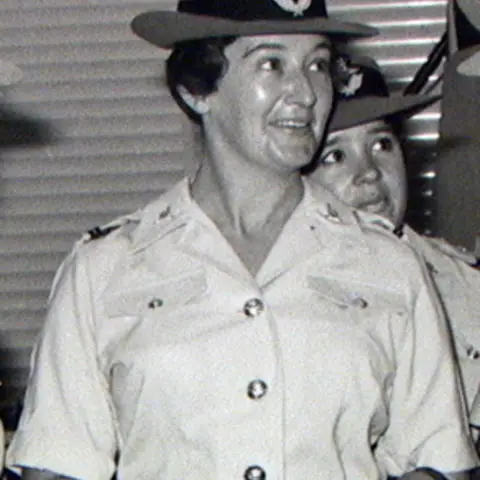
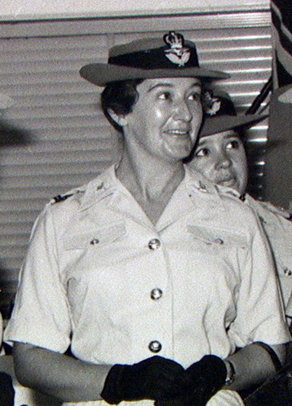
Patricia Furbank. Image courtesy UNSW Canberra
Explore Patricia Furbank's story
- Listen to the oral history interview from Vietnam-era RAAF Nursing Sisters
- View inside a Hercules aeromedical evacuation aircraft, in Vung Tau and Saigon
- Explore Patricia's service uniform in the national collection
- Watch methods of casualty aeromedical evacuation footage in Vietnam
- Watch RAAF Transport Flight Vietnam in 1965
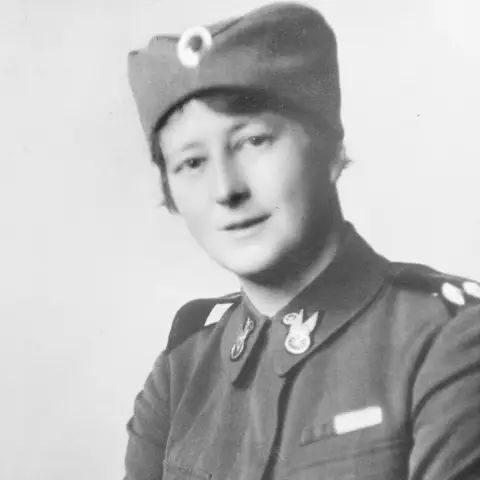
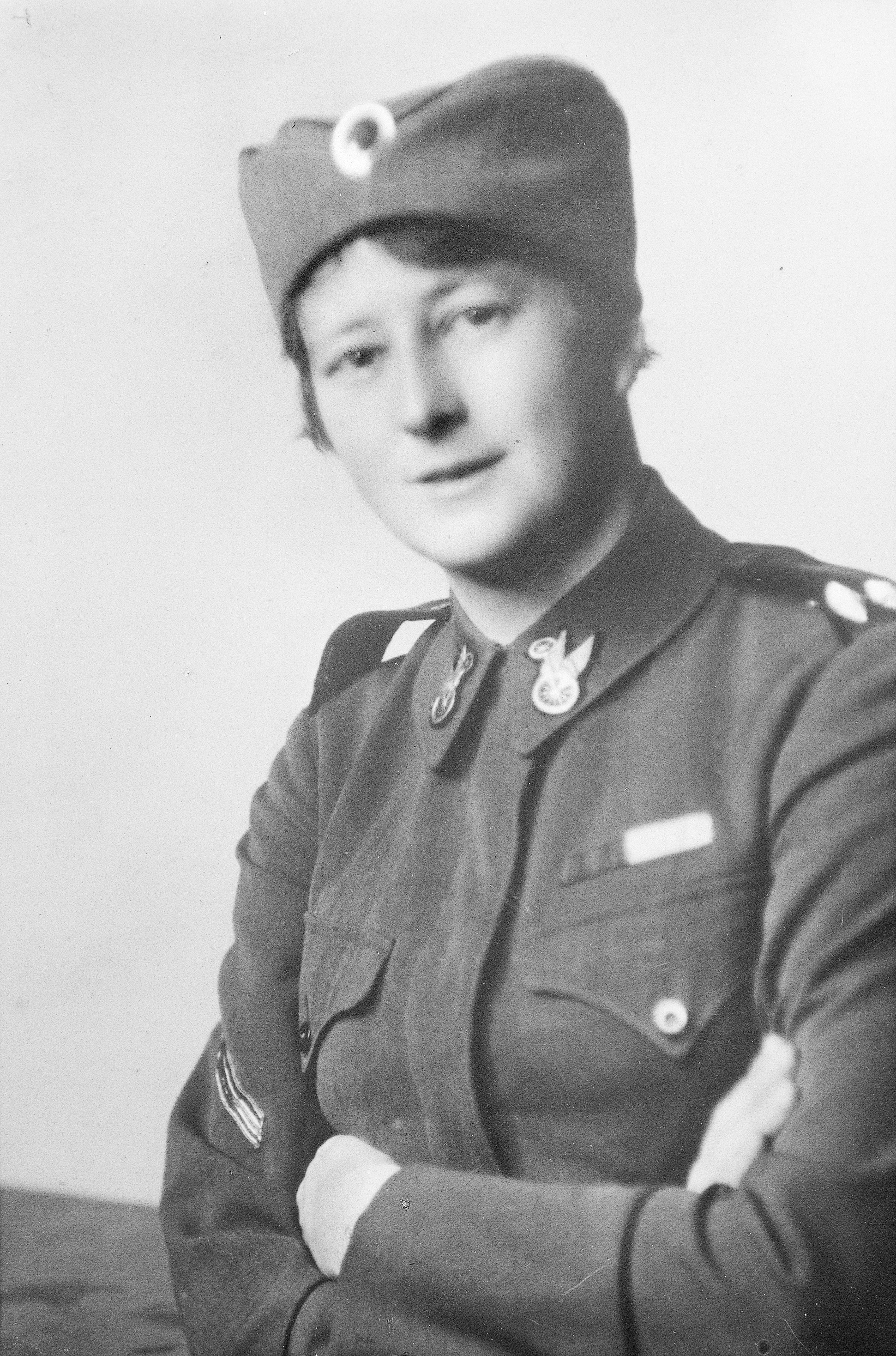
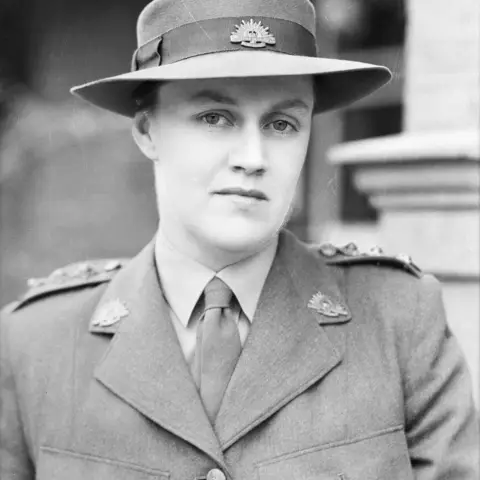
Studio portrait of Olive May (Kelso) King.
Explore Olive King's story
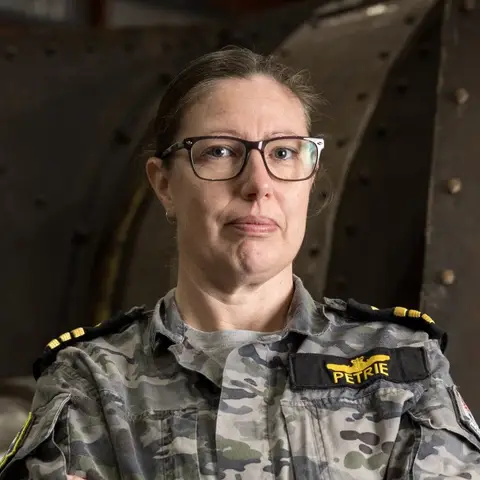
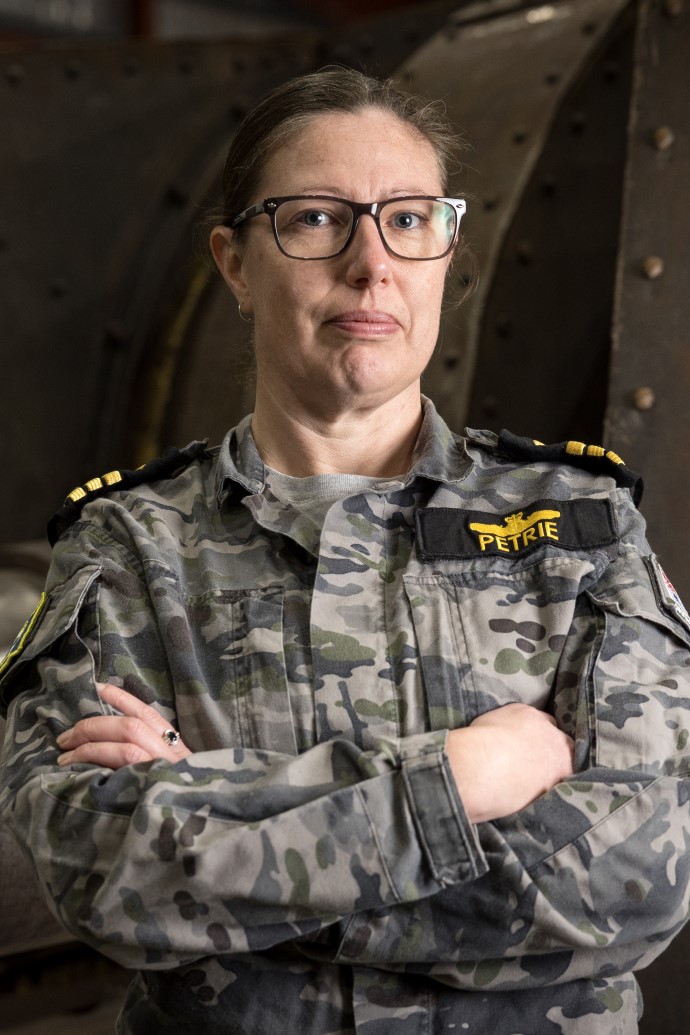
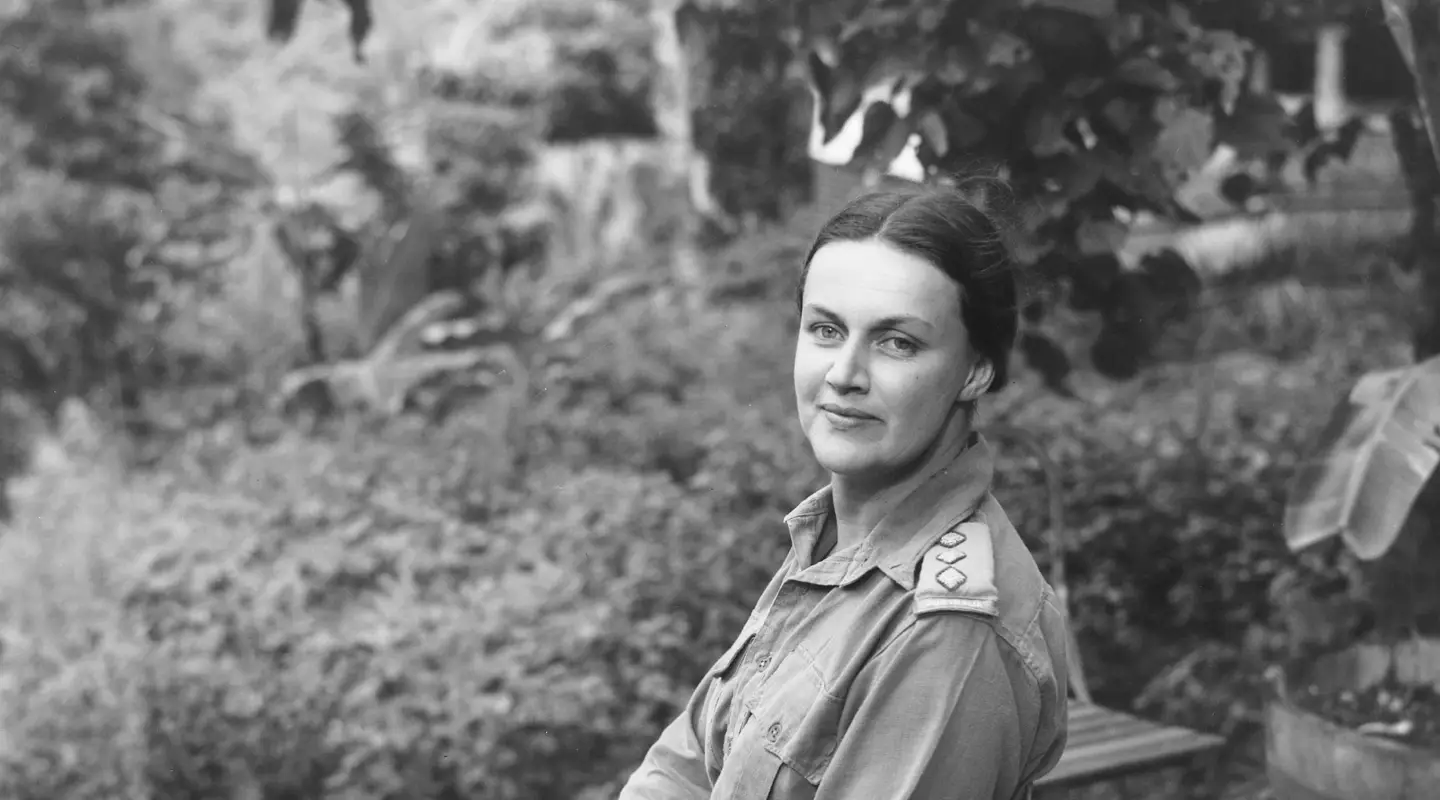
Commander Felicity Petrie. Photo courtesy from Royal Australian Navy.
Explore Commander Felicity Petrie's story
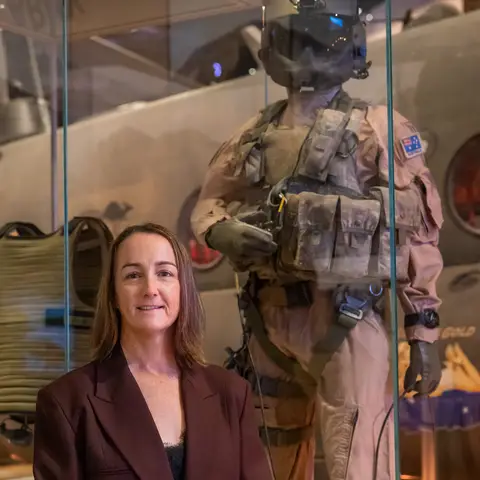
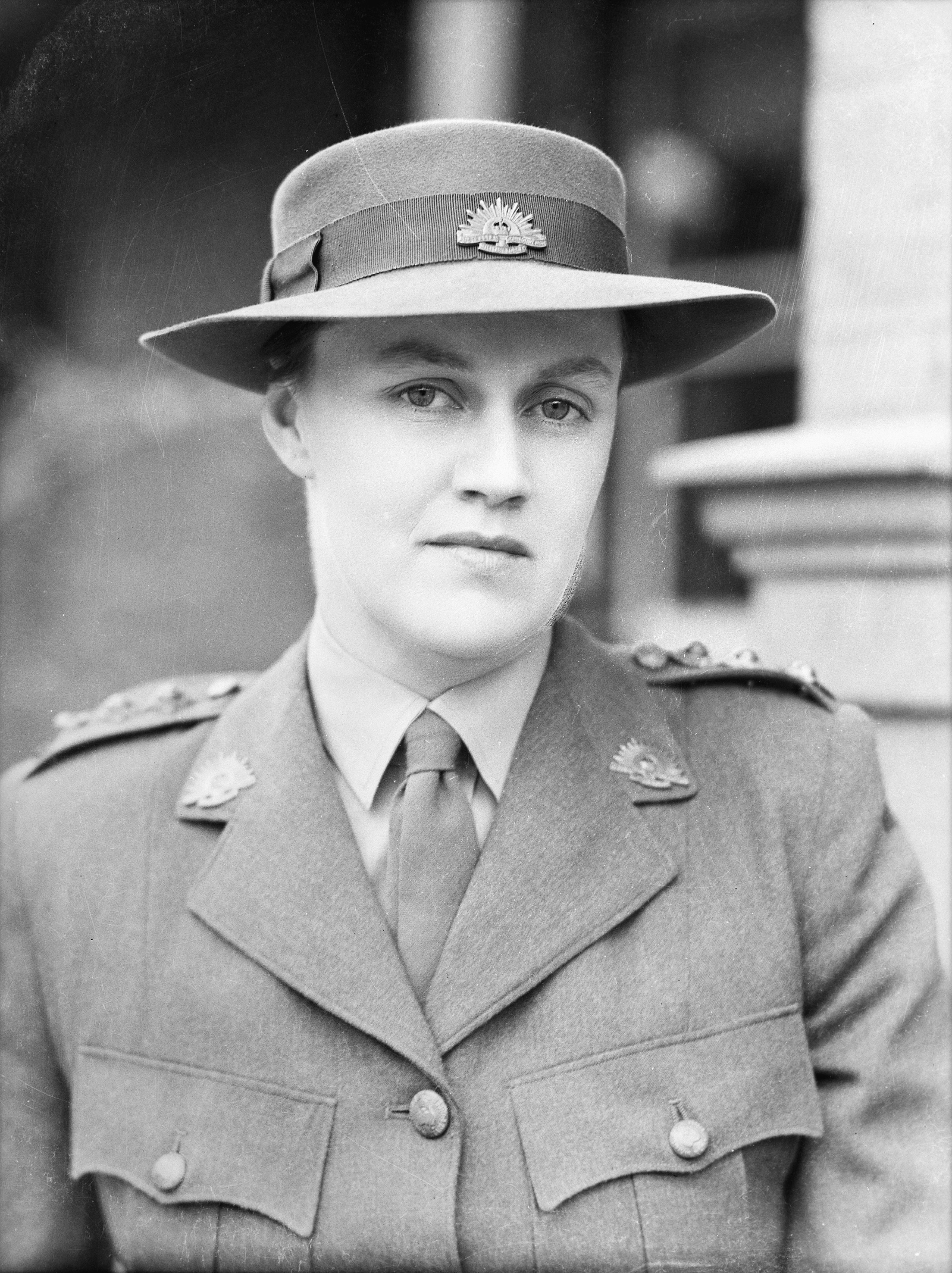
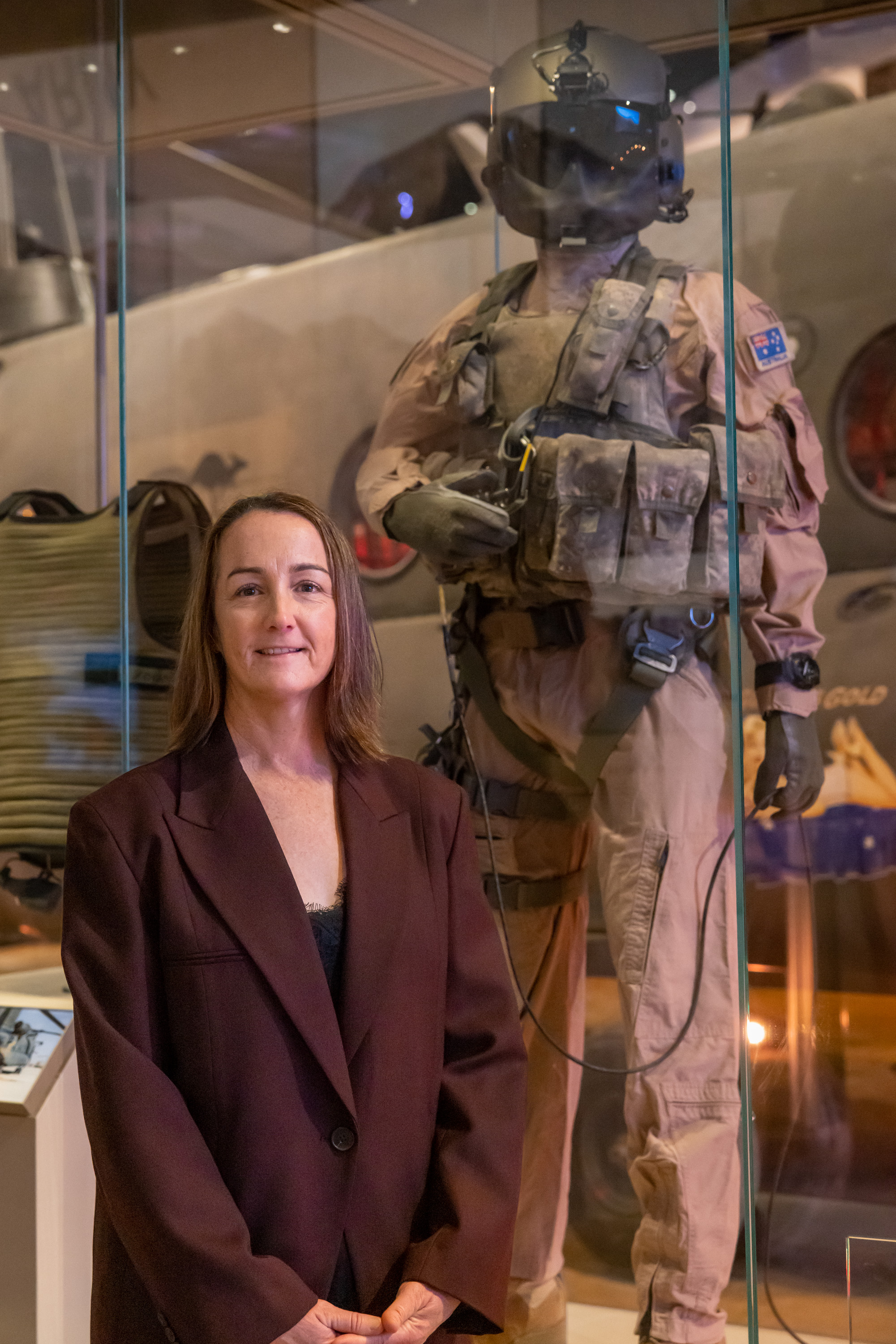
Naomi Shephard standing in front of her uniform display in the Afghanistan gallery. AWM26.PR.070
Explore Captain Naomi Shephard's story
Voices
- Emily Hyles
Assistant Curator, Private Records, Research Centre, Australian War Memorial - Rachel Vaughan
Assistant Curator, Private Records, Research Centre, Australian War Memorial - Alex Torrens
Curator of Art, Art, Australian War Memorial - Commander Felicity Petrie
Weapons Electrical Engineer Officer, Royal Australian Navy - Captain Naomi "Narmz" Shephard
Former Chinook Pilot

About the host
John Barrington
John is the host of Through Their Eyes. Drawing on his experience presenting and reporting for 3RRR Melbourne, Good Shout Stories, triple j HACK, ABC Radio and The Project, he brings a fresh perspective to Australian War Memorial storytelling, connecting you with the people and experiences behind Australia’s military history, inspired by his father's Second World War service. As your guide through the podcast, John helps reveal the human stories and overlooked perspectives, making history accessible and relevant.