Looking back at the origins of the conflict and the roles of Australian forces there.
In late 2026 it will be a quarter of a century since the start of Australia’s involvement in the Afghanistan War, where about 40,000 Australians served. In 2001, Nokia phones like the 5110 or the 3310, with 3G and a colour screen, were the peak of mobile technology. Since then, Blackberries and Apple iPods have come and gone, and iPhones and Android phones have proliferated, along with social media.
On the 1st of January 2001, Australia began its celebration of the centenary of Federation with a dawn ceremony at Uluru. By the end of the year, Australian Defence Force personnel had been deployed to Afghanistan, with the first Special Air Services Squadron operating in the desert south of Khandahar.
2001 was a tumultuous year for Australia, and so much has occurred over the course of such a long war, it can be hard to remember the original reasons for Australian involvement, and how they evolved over time.
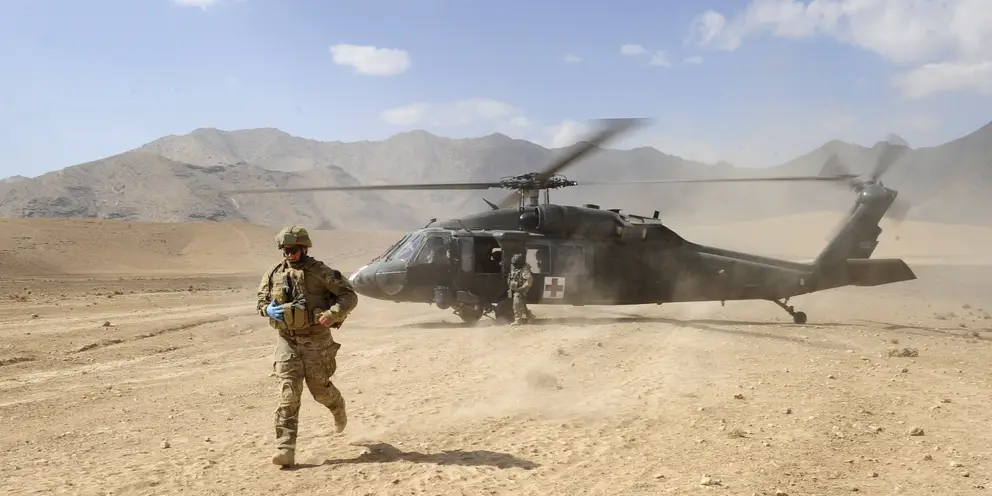
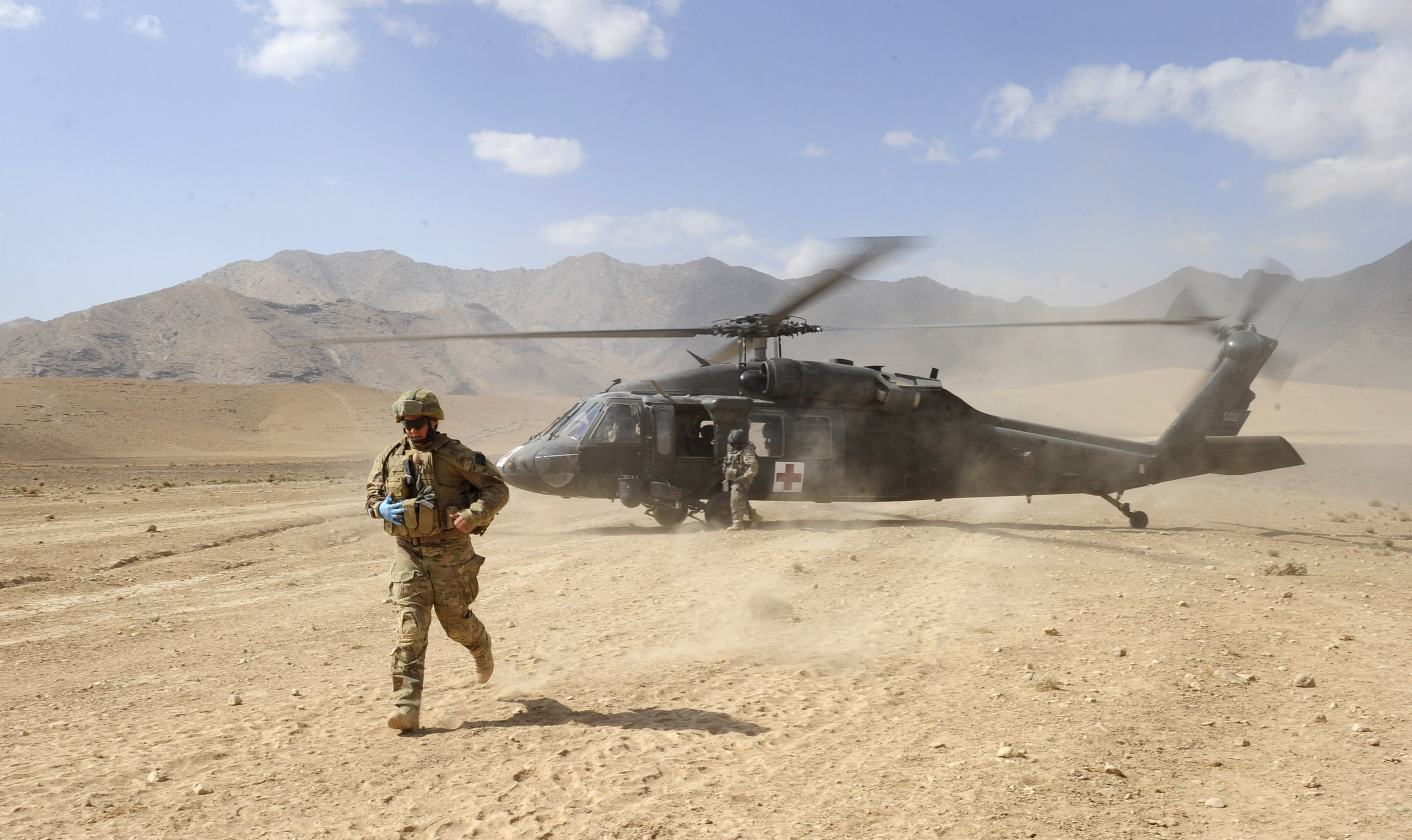
Aeromedical evacuation from the Chora Valley after an attack using an improvised explosive device.
Defence - 20110923adf8114832_100
Why was Australia there?
The simplest answer is that the Australian government considered the September 11 terrorist attacks on the World Trade Center in New York sufficient to invoke the ANZUS Treaty and to respond in support of a treaty ally. NATO similarly invoked Article 5 of its charter as the basis for its response.
There is, however, more to the story.
The Islamic terrorist group al-Qaeda, initially based in Sudan, moved to Taliban-controlled Afghanistan in 1996. From there it planned and executed a number of terrorist attacks, mostly against the United States. The September 11 attacks were shocking, causing death and destruction on a scale more akin to an act of war than what was understood to be a terrorist act.
The presence of Prime Minister John Howard in Washington for the 50th anniversary of ANZUS, meant the most senior leadership of the Australian government had direct, personal experience of the physical and psychological impact of the attacks. The day before the attacks, he and President George Bush had been together at commemorative events, exchanging gifts and expressions of goodwill.
Within 24 hours, the Prime Minister was sheltering in the basement of the Australian Embassy and the President was heading to a secure bunker.
The Australian government’s initial purpose, as part of support to a treaty ally, was to assist in the defeat of al-Qaeda in Afghanistan so that they could no longer pose a threat to the United States or any other nation. Prime Minister Howard speaking in October 2001 said:
The immediate goal is to seek out and destroy Al Qaida and ensure that Afghanistan can never again serve as a base from which terrorists can operate … Whilst the destruction of the Al Qaida network must be our first priority, the long-term aim of this campaign is to demonstrate that organised, international, state-sanctioned terrorism will not be tolerated by the world community.
John Howard
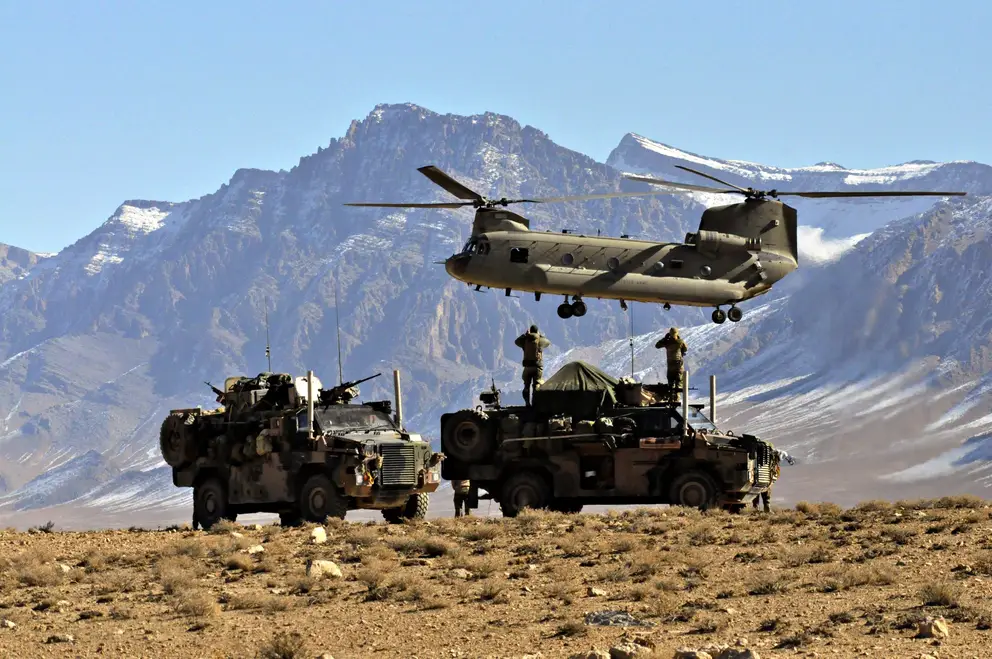
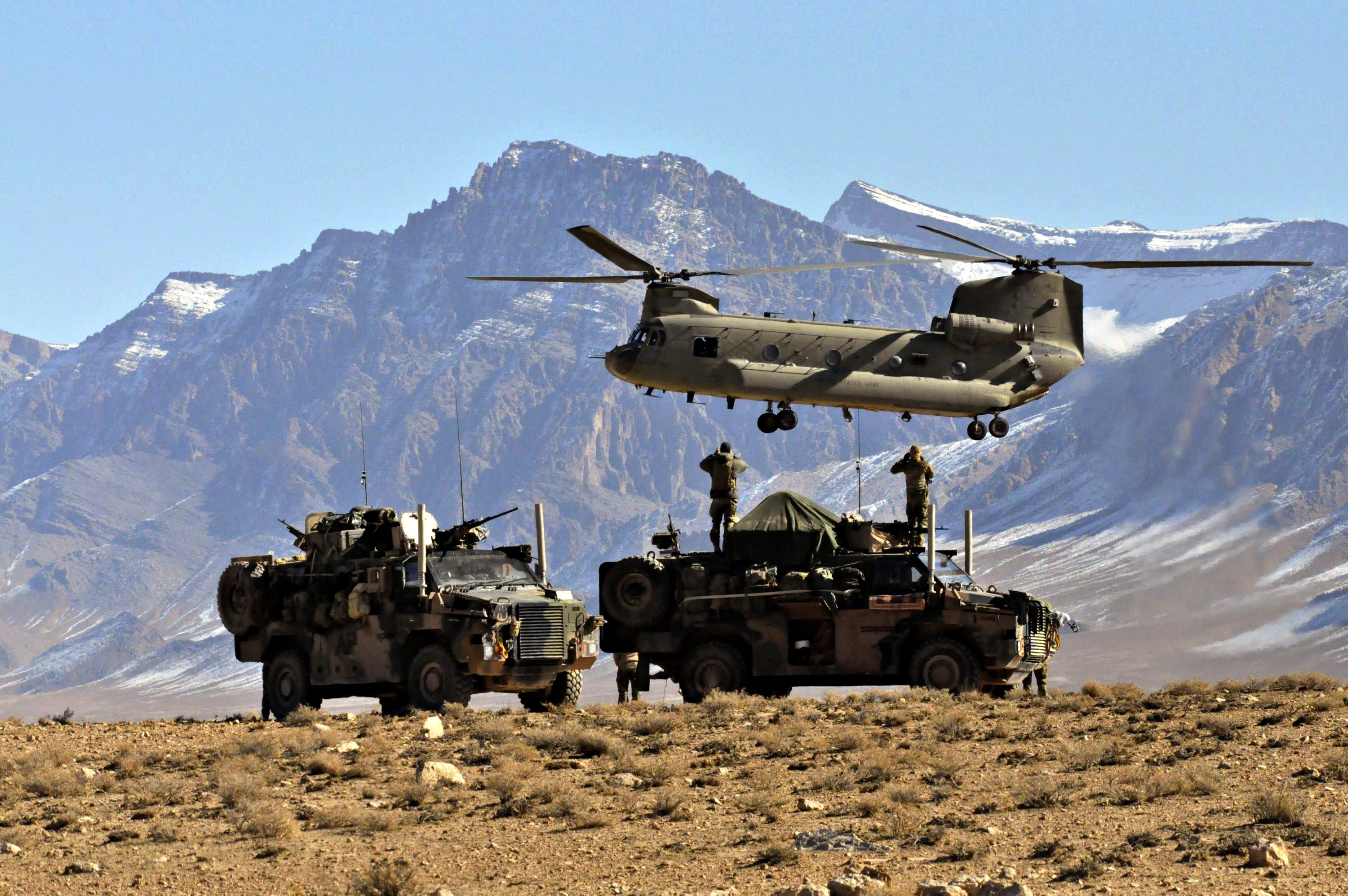
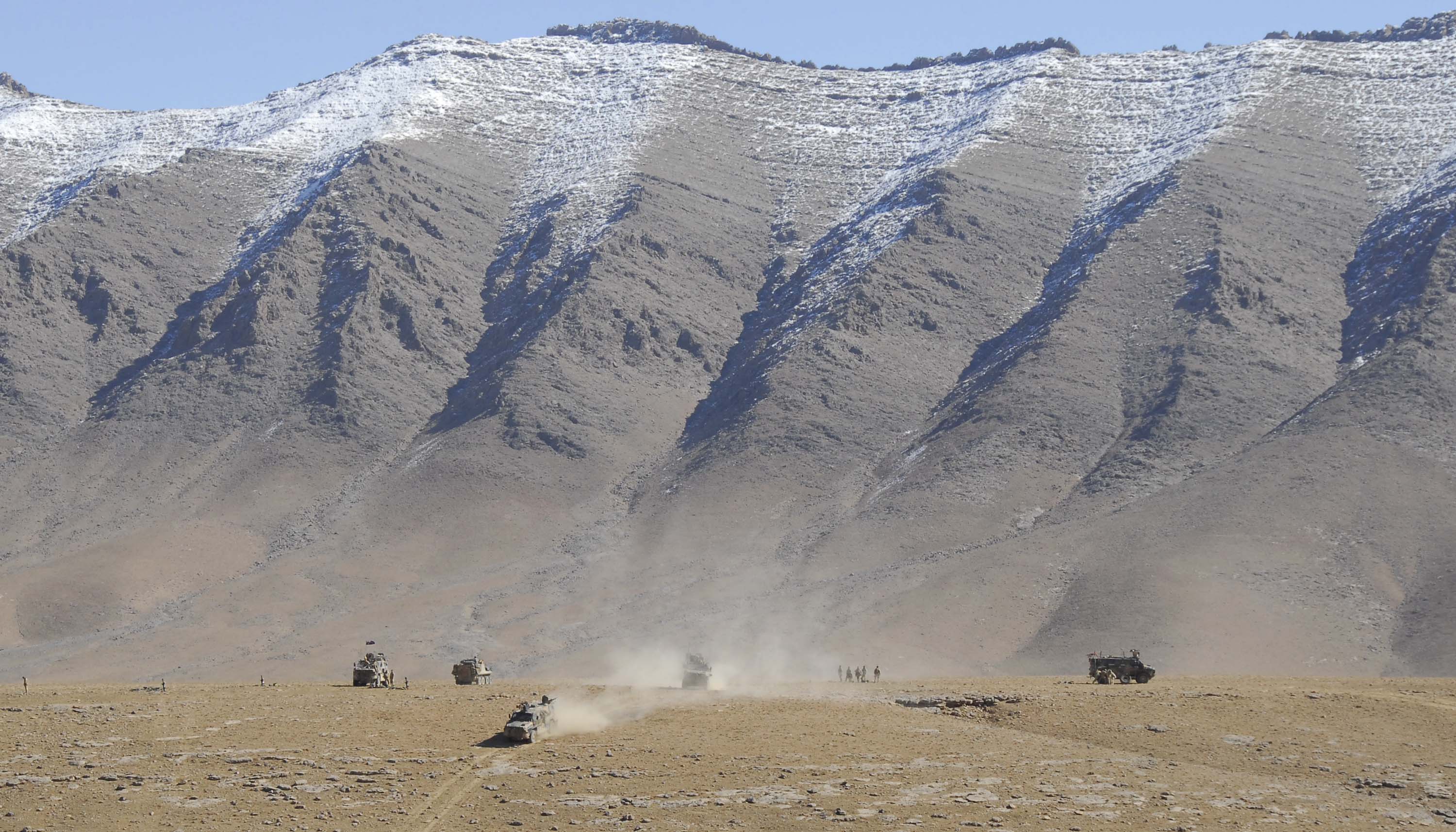
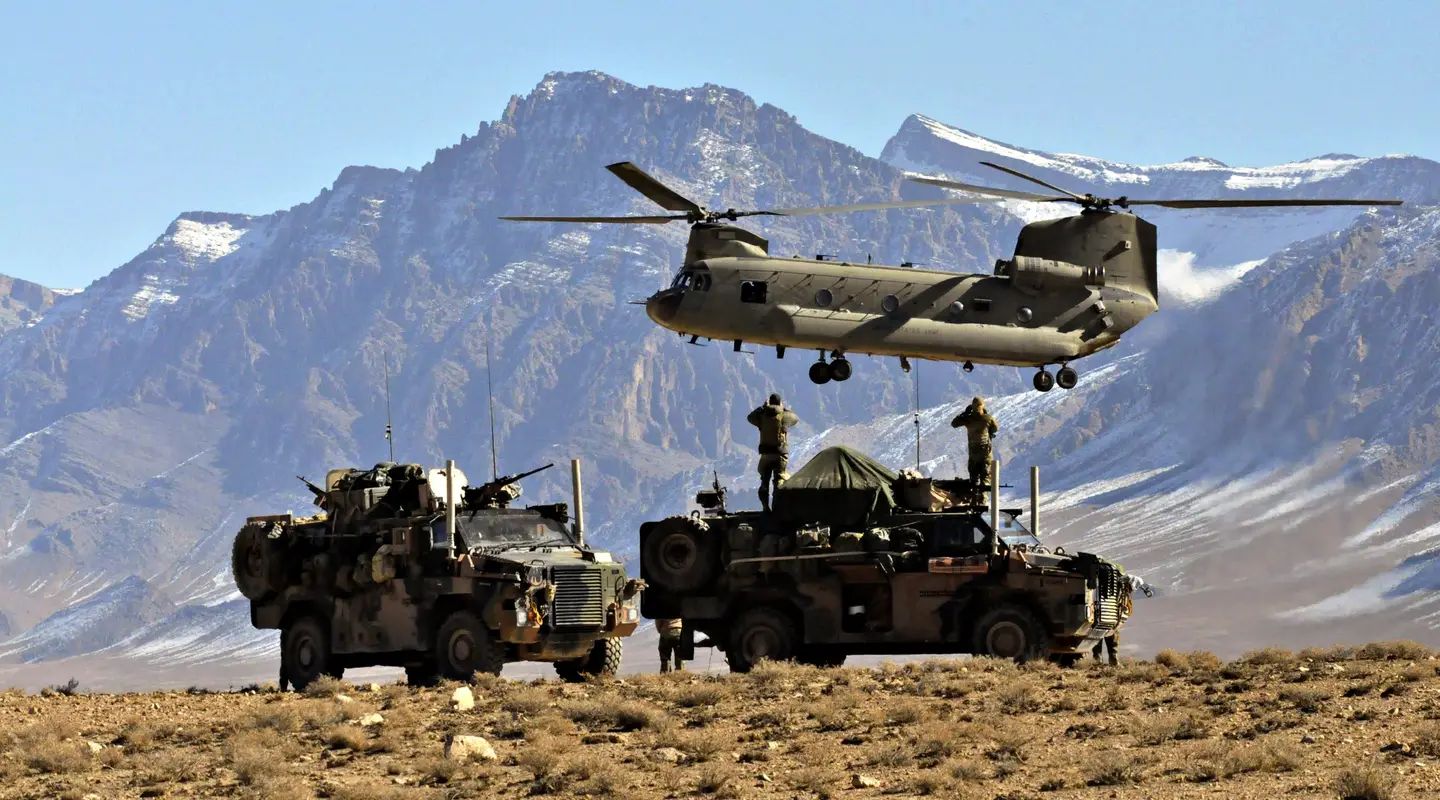
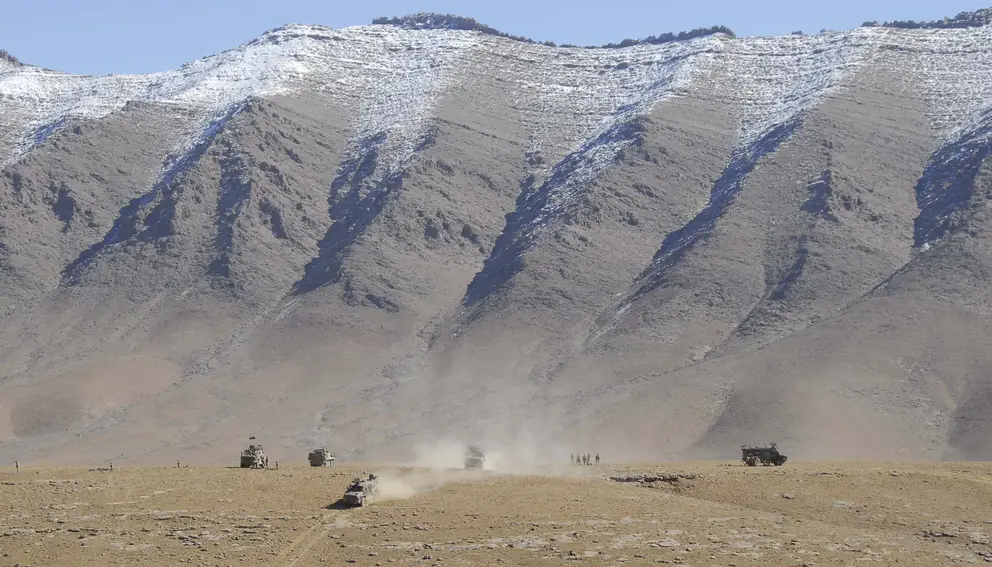
Australian forces operated in difficult terrain to locate and attack terrorist and insurgent groups in Afghanistan. Photographer unknown. Defence. 20110124_TF66_8940
Thus the rationale for Australia’s involvement in the Afghan War had two elements: support for alliances and defeat of terrorist groups.
This idea of defeating terrorism remained central to Australia’s rationale, but it did however become more diffuse, more clouded, as the war progressed. Initially Australia deployed special operations troops to find or kill terrorists: difficult operations to conduct, but with a clear purpose.
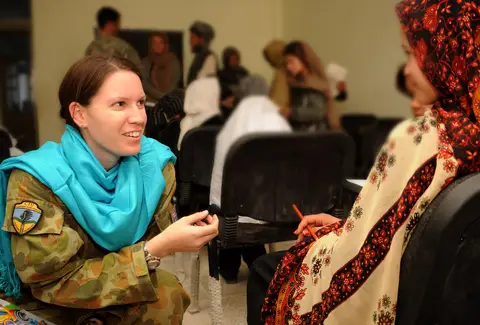
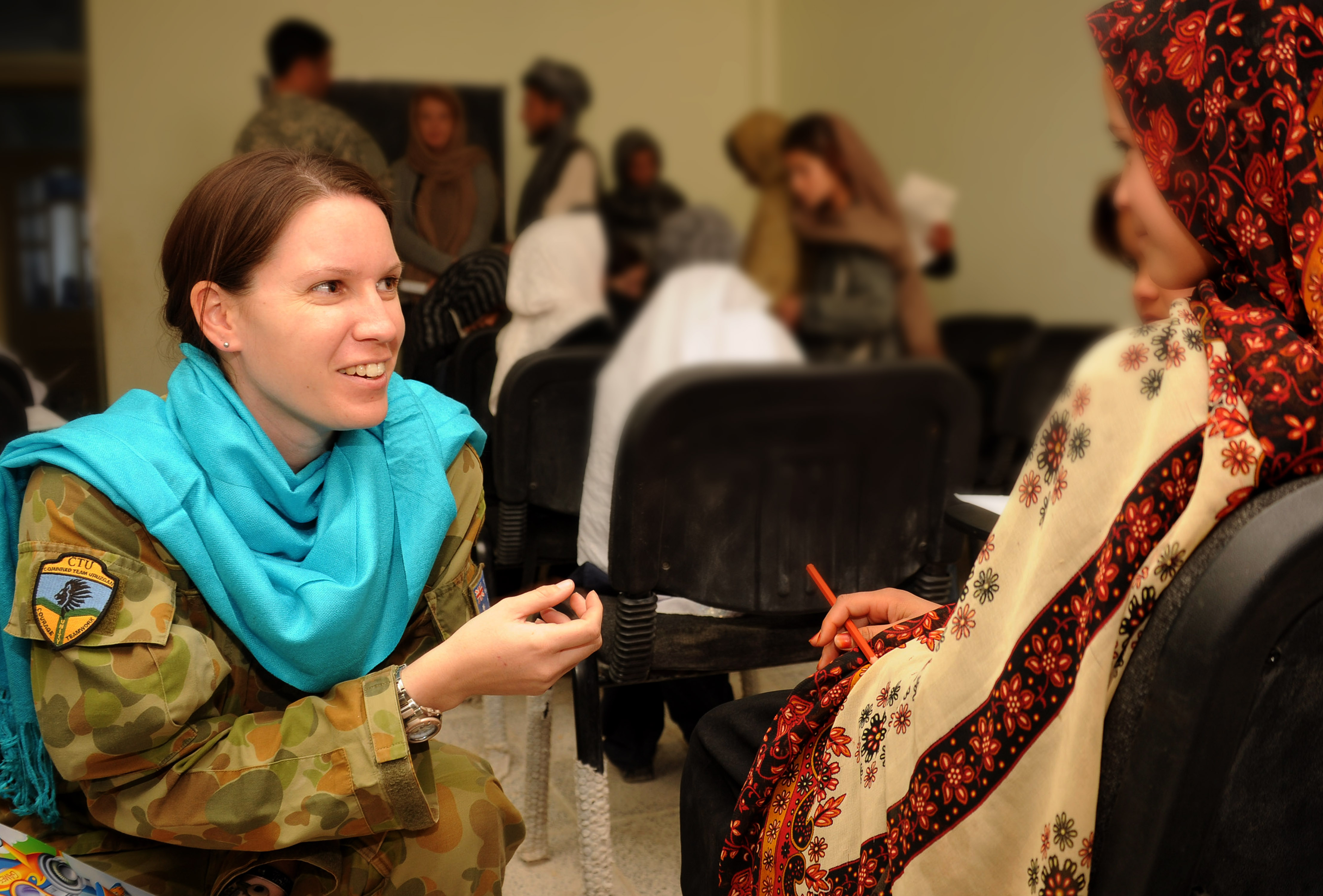
Australian personnel worked to enable a better life for Afghanis as part of the counter-insurgency strategy. Defence - 20111121adf8114832_012
As the war progressed, Australian operations evolved to building the capacity of Aghan governments to suppress and defeat terrorism. This involved supporting infrastructure development, mentoring Aghan military forces, and attempts to stop the funding of terrorist activities through drug sales.
While those certainly have a place in what was by then a counter-insurgency campaign, the linkages between those operations and the desired outcome – defeat of terrorist groups – were clear in theory, but long and much less clear in practice.
The second element of Australia’s rationale for involvement, support for alliances with the US and NATO, was very clear in the immediate aftermath of the attacks. As the war progressed over years, that rationale was not so prominent in Australian public discourse.
Mixed views over the cause and conduct of the 2003 Iraq War – combined with the difficult and slow progress in counter-insurgency, and natural concern over the deaths of Australian personnel – all combined to make less palatable the idea of supporting the Afghan war in order to honour Australian alliance commitments. But having made the case for doing just that, Australia was effectively committed to continuing involvement its the alliance partners were; to do otherwise would have been to undercut the original support for the alliances.
In public discussion, such reasoning gave way to support for counter-insurgency-inspired efforts to improve the lives of Afghans in Uruzgan Province, where Australian units were deployed alongside Dutch partners. These efforts were carried out in good faith and to the best of the abilities of the Australian forces involved. It is important to note these were whole-of-government efforts, not just ADF.
Similarly, the ongoing efforts to find, kill or capture terrorists were carried out with skill and determination. And all of this was conducted in a difficult and dangerous environment.
Looking back
It is worth reflecting on these activities. At one level, mainly tactical, there is much for which Australian service personnel should be very proud of their service. The overwhelming majority conducted themselves in the finest traditions of the Navy, Army and Air Force.
Yet for some, perhaps for many, there will be questions about the larger purpose of their service and whether it created enduring benefits for the people of Afghanistan. Because the benefits to the Aghan people were often put forward as the reason for being there, it is also the measure by which people make judgements or that they use to anchor their understanding.
With the benefit of hindsight, it is apparent that the lives of Afghans have not been improved to the extent that everyone wished – but that does not diminish the efforts of those who tried to do so. Similarly, terrorist groups have been suppressed rather than defeated, but that perhaps should have been the more realistic expectation from the start.
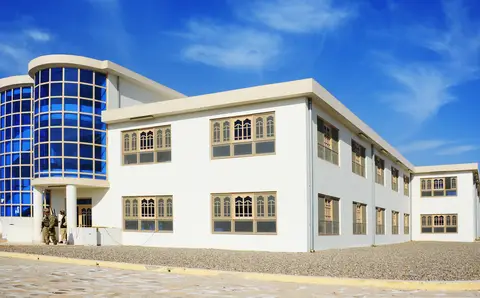
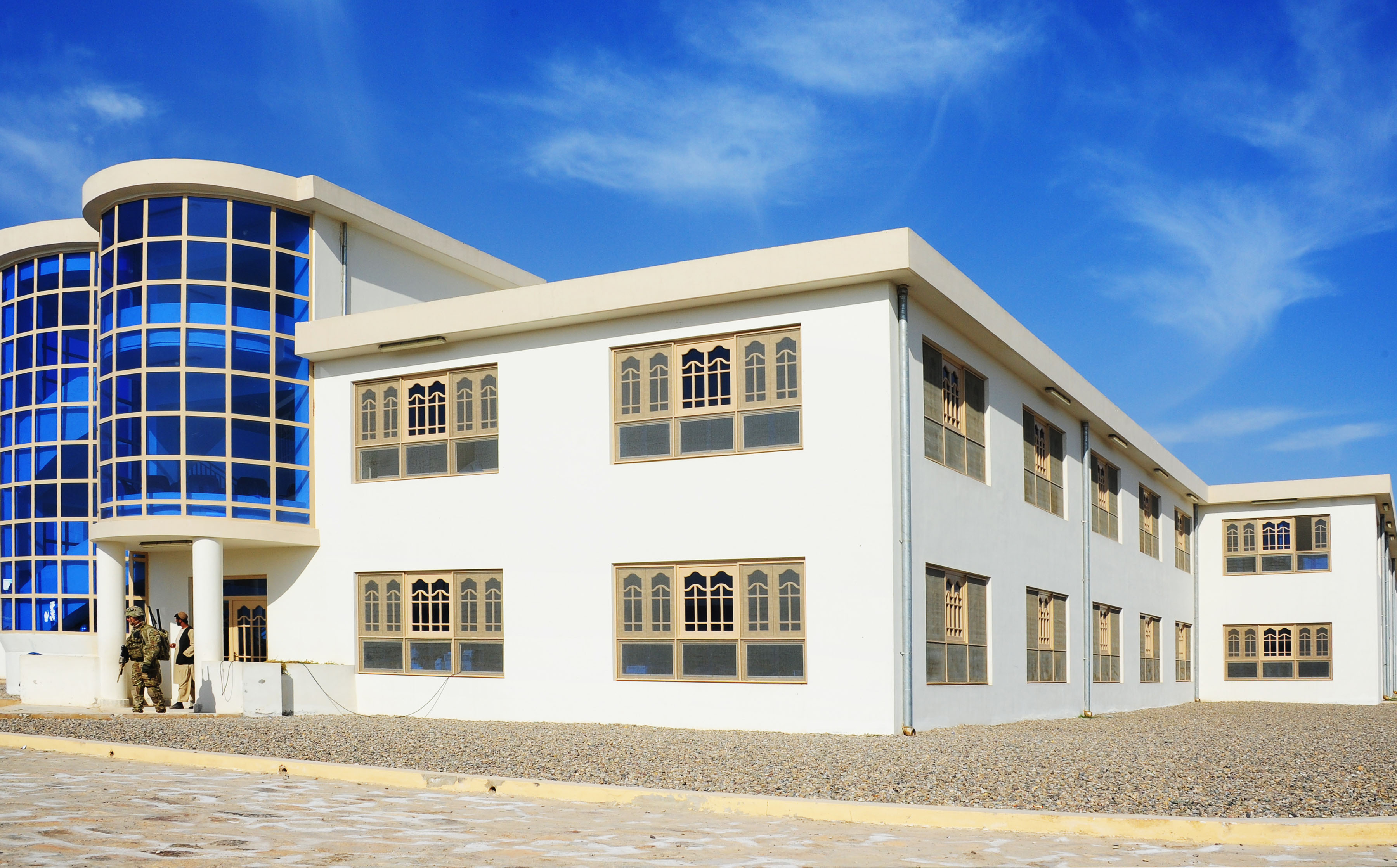
The Malalai Girls School helped improve women’s education in Tarin Kot. Photographer: CAPT Jesse Platz. Defence, 20130212adf8556530_062
In any event, in making judgements about what happened in the past, it is important to understand the choices that were then available. Were there courses of action available to decision makers at all levels, that were clearly better than the ones they took?
In some cases, particularly at the higher levels of decision making, there are areas where alternative paths probably should have been considered; the repeated deployment of some small sections of the ADF is one example. But for the majority of decisions, there were no clearly better alternatives.
In 2001, ignoring the threats posed by al-Qaeda was not really viable, nor was rejecting the idea of helping the United States.
Moreover, the number and scale of terrorist attacks in the early 2000s contributed to an ongoing perception of threat and the need to do something about it. Almost immediately after the September 11 attacks, there was the attempt to bring down a passenger aircraft in the middle of the Atlantic. It was the work of an al-Qaeda terrorist, Richard Reid, the ‘shoe bomber’; it is the direct cause of having to remove one’s shoes while going through airport security.
In 2002, 202 people, including 88 Australians, died in the Kuta Beach bombings in Bali. In 2004 the Australian Embassy in Jakarta was bombed. In 2005 there were more bombings in Bali, with more Australian casualties. Also on 7 July 2005 there were terrorist bombings on the London Underground and buses, known as the 7/7 attacks.
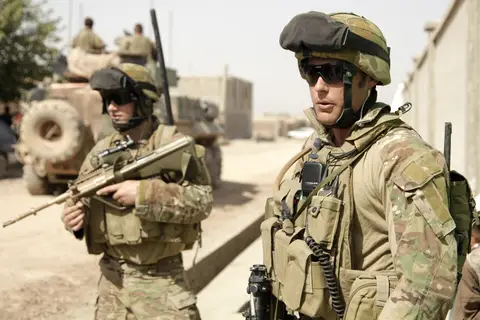
Australian soldiers conduct a security patrol outside the Australian funded Malalai Girls School in Tarin Kot in 2011. Photographer: ABIS Jo Dilorenzo, Defence - 20110726adf8114832_006
It was not just in western nations that terrorist actions were taking place; in 2002 in Moscow, Chechnyan rebels took hostage more than 900 people in the Dubrovka Theatre. More than 100 died in the subsequent rescue operation.
All through this period there was also an Islamist terrorist campaign or insurgency on the South Philippines, which preceded and continued throughout most of the Afghan War. Alongside the Bali and Jakarta attacks, events such as the sinking of Superferry 14 in 2004 by the Abu Sayyaf Group contributed to the very reasonable belief in Australia that terrorist attacks were a lot closer and more threatening to Australia and Australians than just those sponsored from Afghanistan.
Deploying Australian units
Australia’s initial deployment to Afghanistan consisted of Special Air Service (SAS) units, Royal Australian Air Force Boeing 707 refuelling aircraft and C-130 Hercules transport aircraft. The Navy frigates, initially HMAS Anzac, and Air Force P-3C Orion aircraft deployed in the Middle East were also wrapped up in what was designated Operation Slipper. This first phase went from October 2001 to December 2002.
In 2005 Australian forces returned to Afghanistan, this time in partnership with Dutch units who led International Security Assistance Force (ISAF) operations in Uruzgan province in the south of the country. Task Force Uruzgan was based in Tarin Kowt (Camp Russell and Camp Holland on the north-eastern side of the runway at Tarin Kowt airfield) and Dah Rehwood. SAS units were once again involved, then with more of a focus on capturing or killing terrorists operating in Uruzgan.
From 2006 a Reconstruction Task Force was deployed to help build schools, bridges and other infrastructure. And from 2008 this became the Mentoring and Reconstruction Task Force, with the additional responsibility of building the capability of the Afghan forces such that they could conduct the operations against terrorists.
Examples of infrastructure projects to which the Task Forces contributed include the Tarin Kowt Waste Management Facility; the Sorgh Morghab Mosque; the Malalai Girls’ School; the Tarin Kot Boys’ School; the Ministry of Energy & Water Compound; the Dorofshan Basic Health Care Centre; the Eastern Causeway; Sajawul Crossing and Zabul Bridges.1
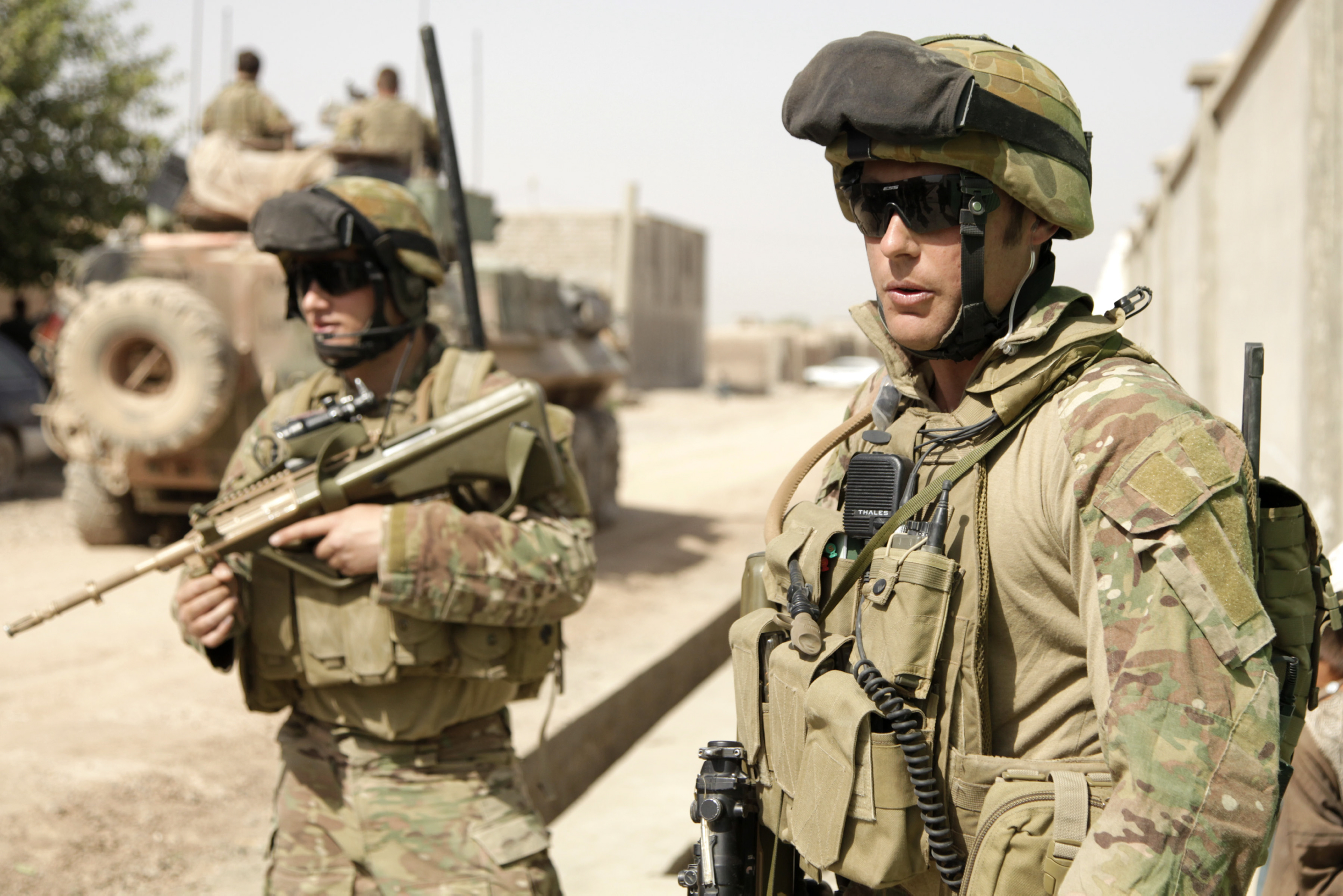
Australian soldiers from the Reconstruction Task Force on patrol in the Chora Region in 2008. Photographer: CPL Hamish Paterson, Defence, 20080130adf8248214_060
What was the environment like? Retired Major General Mick Ryan summarised the social, physical and meteorological environment facing Australian personnel, particularly those in the mentoring and reconstruction task forces. He describes Uruzgan as
… [a] complex tableau of ethnic and tribal affiliations, political allegiances and government agencies, local and foreign adversary forces, criminal/drug groups … Sources of conflict were never clear-cut: it was rarely a simple matter of Taliban versus Coalition forces. Likewise, the linkages between different actors, some of whom the RTF was required to interact with regularly, were far from apparent.
The area in which the RTF conducted operations was notable for the striking disparity between the ‘green zones’ along the rivers and the harsh and arid desert that dominated the remainder of the province. The green zones represented a significant physical obstacle - a complicated amalgam of irrigation channels, orchards, small villages and wadis that contained the major concentrations of people and also provided perfect concealment for the insurgent. The basin in which the RTF primarily worked was surrounded by high mountains: rocky, sheer and totally devoid of vegetation.
From May through to November, the weather is searingly hot and dry, with dust storms a constant hazard. The beginning of the year, however, saw the arrival of rains that, while dampening the dust, bedevilled operations by clogging the transport of goods into the area. The onset of winter brought extreme cold weather (down to minus 15 degrees Centigrade) … this was a harsh and hostile climate in which to work.2
While the physical environment is the most imposing in appearance, it was the social environment which was the most complex and difficult. Navigating it required language and cultural skills which took time to develop across the task group and in individuals. Overlaid across the whole of Australian operations was the threat from Taliban insurgents, mostly in the form of Improvised Explosive Devices (IEDs) and rocket attacks.
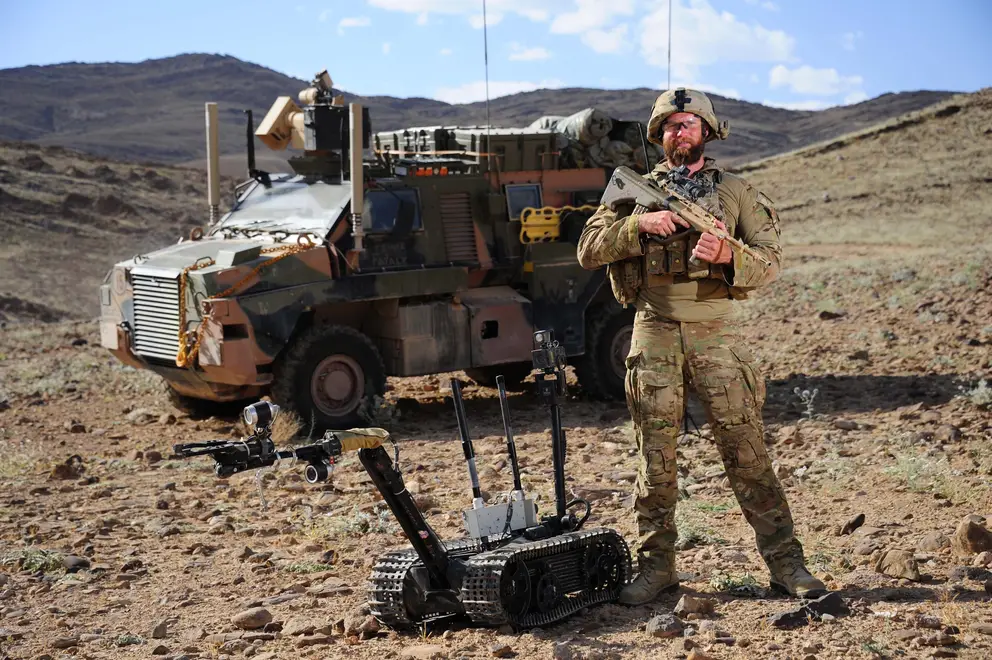
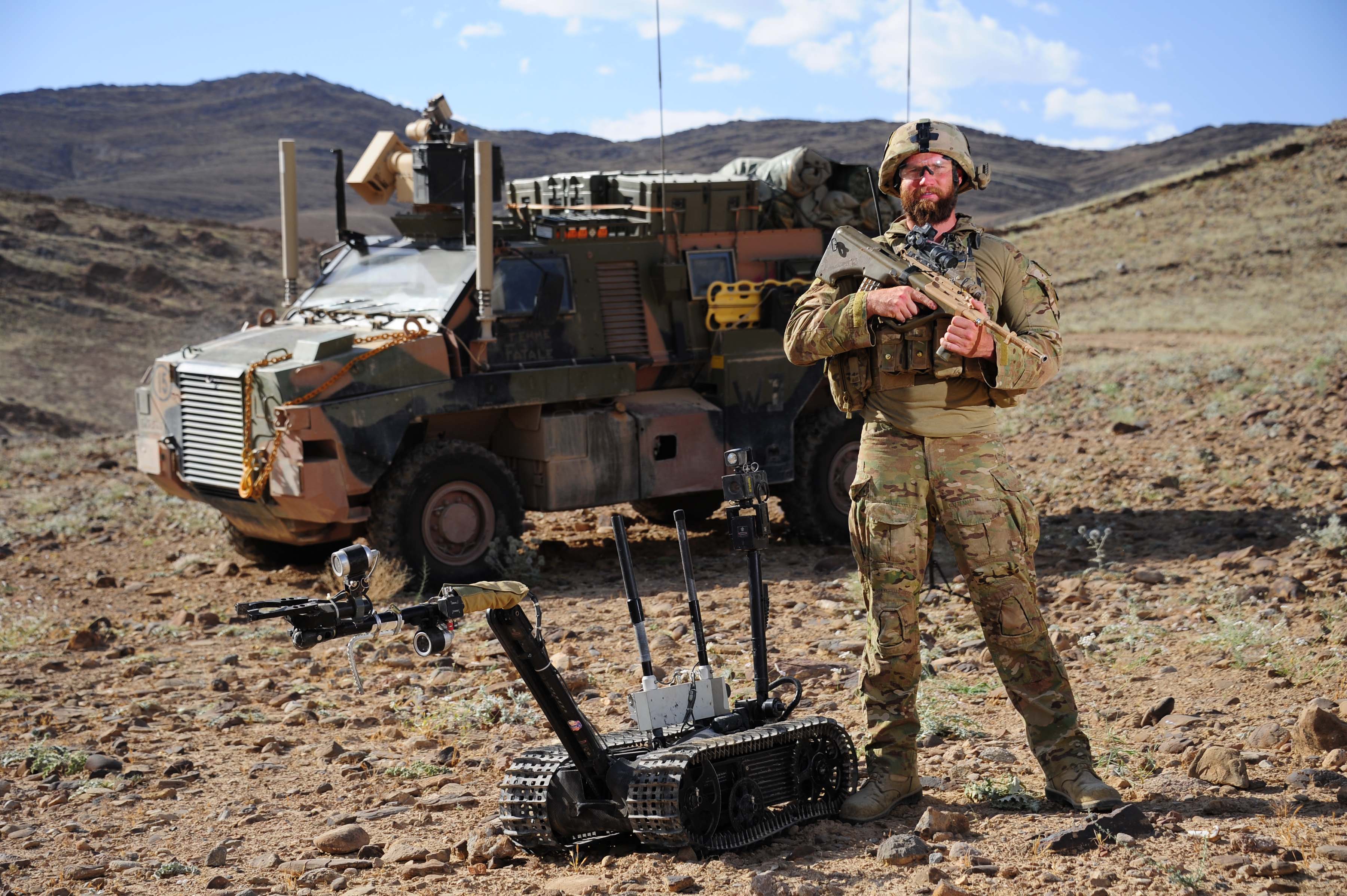
Explosive Ordnance Disposal skills were in high demand in Afghanistan, involving Navy Clearance Divers as well as Army engineers. Photographer unknown: Defence, 20120614adf8248214_087
In 2013 Australia formally concluded combat operations in Afghanistan and its operations entered a new phase focused on advisory and training roles. Most personnel were withdrawn by 2020, with a small number remaining until the fall of Kabul to the Taliban in 2021.
The named operations were Slipper (Middle East Area of Operations or MEAO) from 2001 to 2014, Highroad (Afghanistan) from 2014 to 2021, Manitou (maritime MEAO) from 2014 and Accordion (MEAO ashore) from 2014 to 2021.
One aspect of service in Afghanistan is that the units Australia deployed were specifically formed task groups, particularly in the land and air environments: Mentoring Task Groups one and two, special operations task groups, rotary wing groups, force level logistics assets. Once their deployments were completed, these units were effectively dissolved and their personnel returned to their parent units.
It will be interesting to see how this affects our memory of these events and how it influences the identity of the parent units, which did not deploy as such, but whose people were so intimately involved. There will not be a memory like the one we have of 3RAR at Kapyong and Maryang San, of 6RAR at Long Tan or 1 and 3 RAR at Coral-Balmoral. Or 77 Squadron in the Korean War.
Twenty-five years after Australia deployed to Afghanistan, our memories of the reasons for the conflict and its conduct have in many ways been submerged beneath the war crimes allegations against a small number of special forces soldiers and the chaotic final evacuation of Kabul.
While allegations of war crimes must never be ignored, they should also not dominate the sound reasons for Australian involvement, nor the professional and skilful conduct of the overwhelming majority of the more than 40,000 Australians who served over that quarter of a century.

About the author
Captain Alastair Cooper
Captain Alastair Cooper joined the Royal Australian Navy in 1988. A Maritime Warfare Officer, he served at sea in HMA Ships Canberra (II), Melbourne (III) and Fremantle (II), and ashore as Director of the Sea Power Centre – Australia, Commanding Officer Navy Headquarters South Australia (now HMAS Encounter), the research officer to the Chief of Navy and in Navy Capability Division.