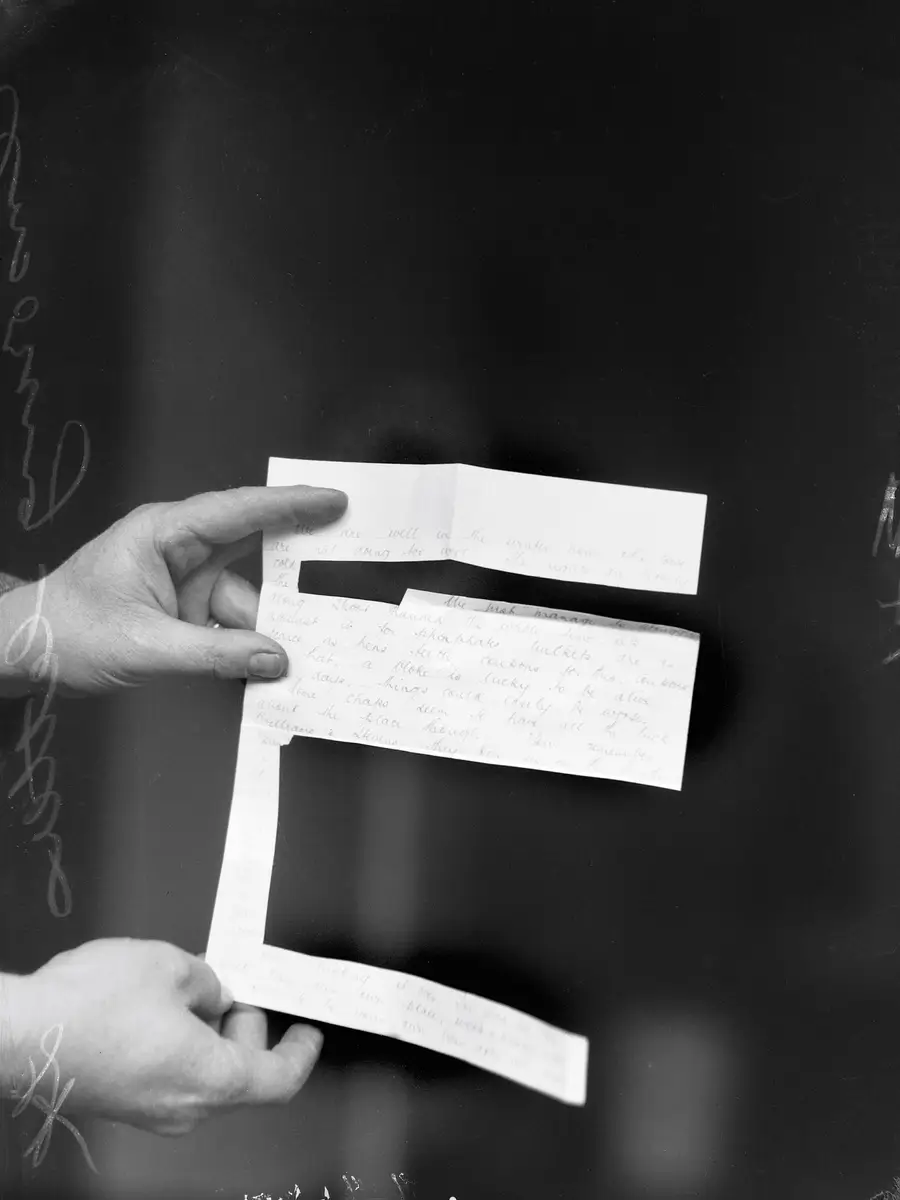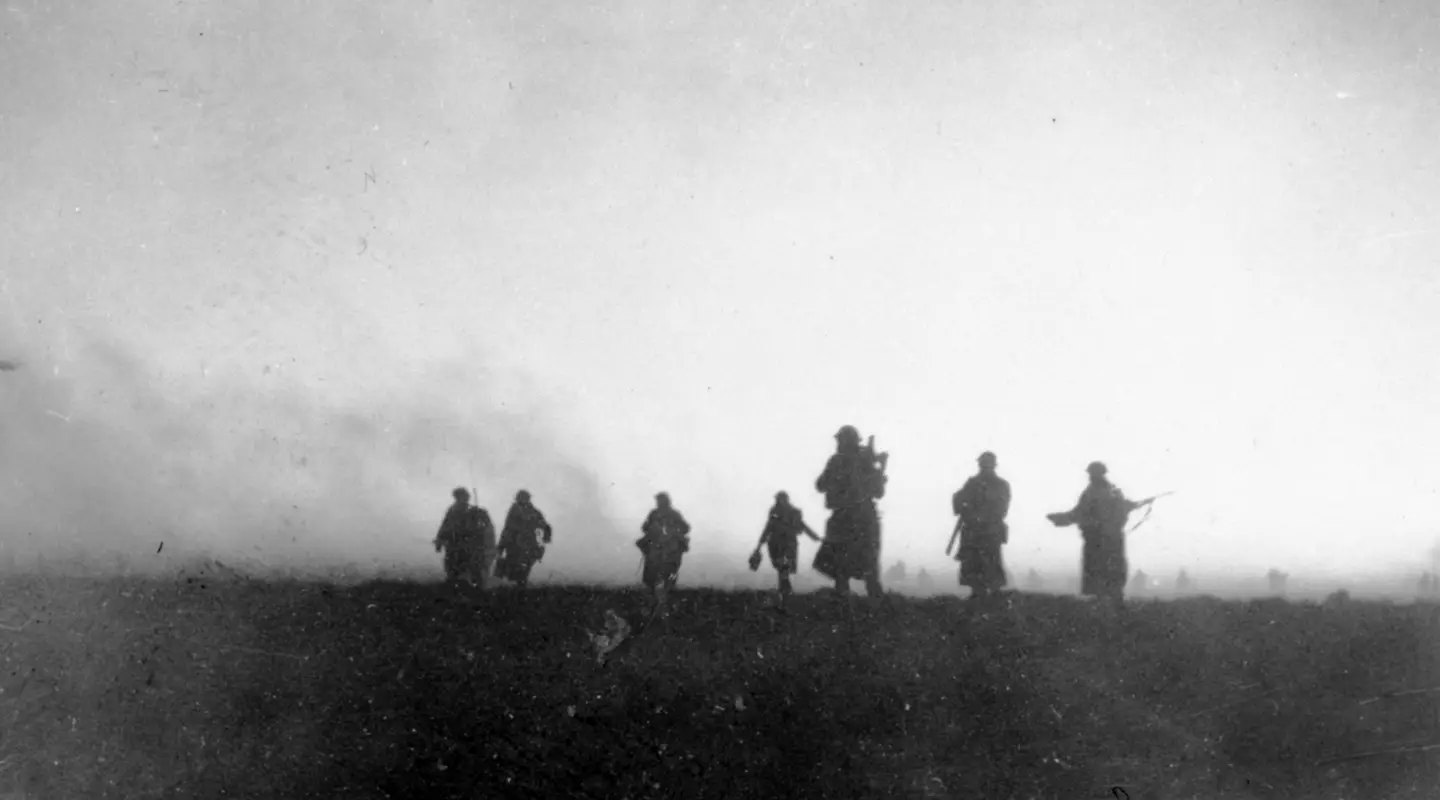
A letter by Dr Tom Selby gives an insight into the human side of the Australian victory at Bardia.
Dr Clive Herbert “Tom” Selby was a children’s surgeon who enlisted in the Second AIF immediately after it was formed. He was appointed the Regimental Medical Officer (RMO) of 2/1st Australian Infantry Battalion and served alongside them during the Libyan campaigns.
The 16th Infantry Brigade arrived in the Middle East in February 1940 and was encamped in Palestine for training. Selby saw to camp inspections and conducted and oversaw investigations into health-related disciplinary matters, such as arresting men who drank from unauthorised wells, or charging men who washed themselves in the same creek as their plates. On manoeuvres he trained stretcher-bearers in their duties, such as digging a Regimental Aid Post (RAP), first aid and organising the evacuation of (imaginary) wounded.
Tom’s letter begins with their movement from Egypt across the border to Libya before reaching Bardia. It was written in the days following the action; it was addressed to his youngest brother, Benn, in order to protect their mother from too many distressing details.
Jennifer Selby
I am writing a sort of commentary on the show as I do not know how much is fit for the Old Lady. I don’t think it is censorable as the thing is over and has probably been in the papers by now.
I am sitting in the truck and there is just the odd sniper to be cleaned up in this show, so in spite of no sleep for five nights and a flight of bombers which has just dropped some eggs, but some distance from here, what I want to do is write all I can remember of what happened before I forget.
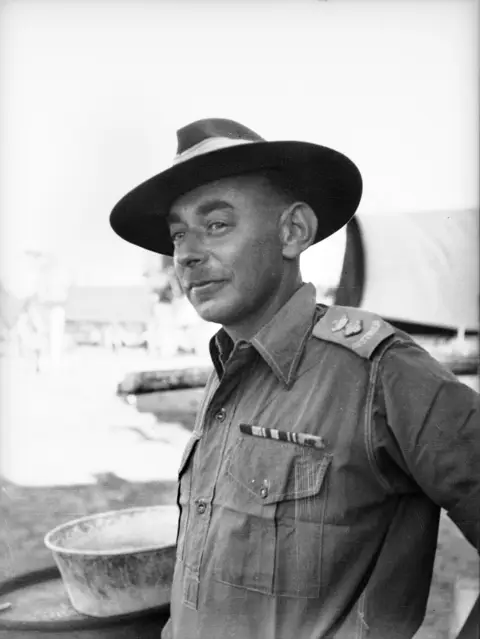
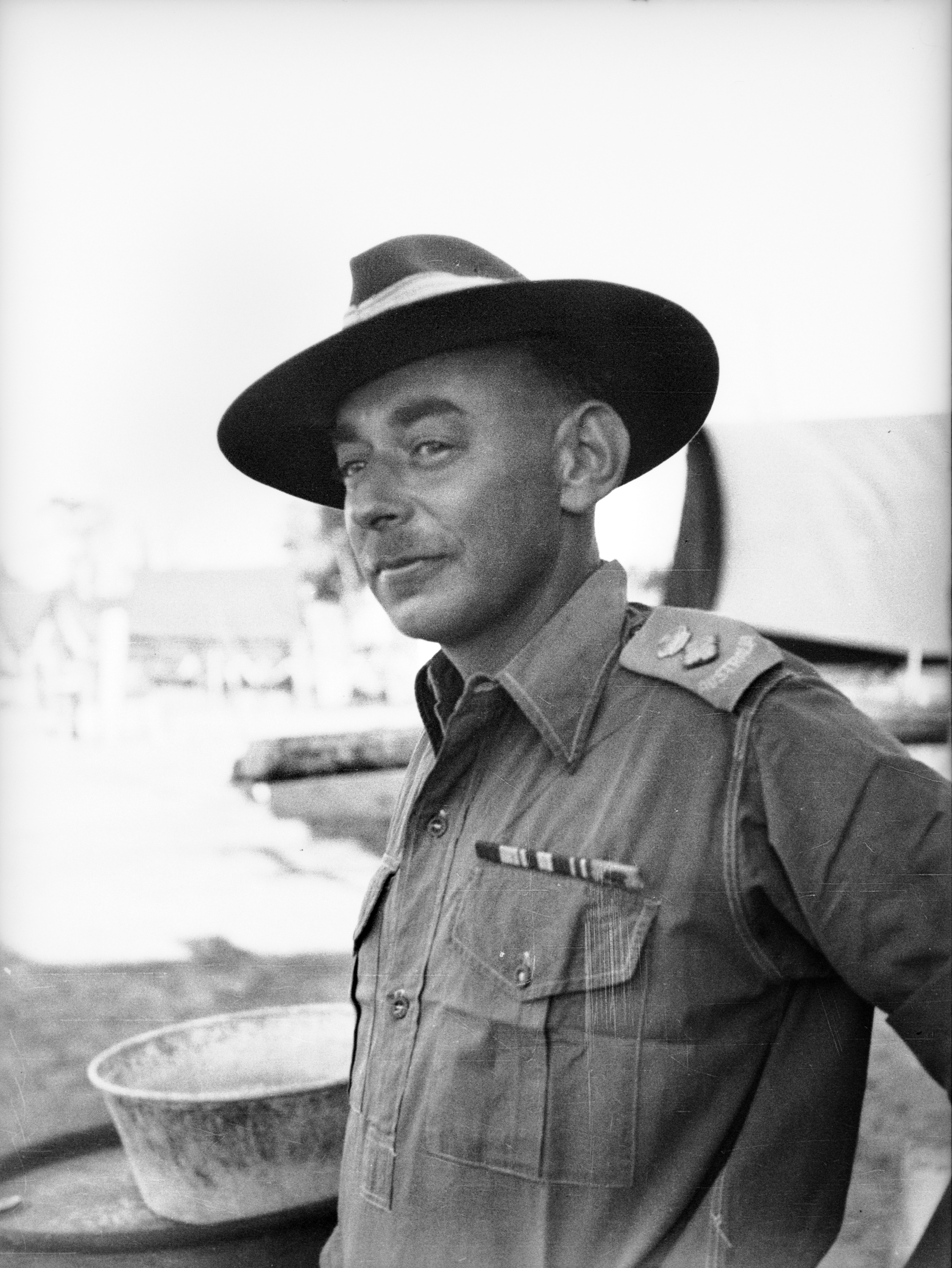
Lieutenant Colonel Tom Selby, Commanding officer of the 2/7th Field Ambulance in New Guinea 1945
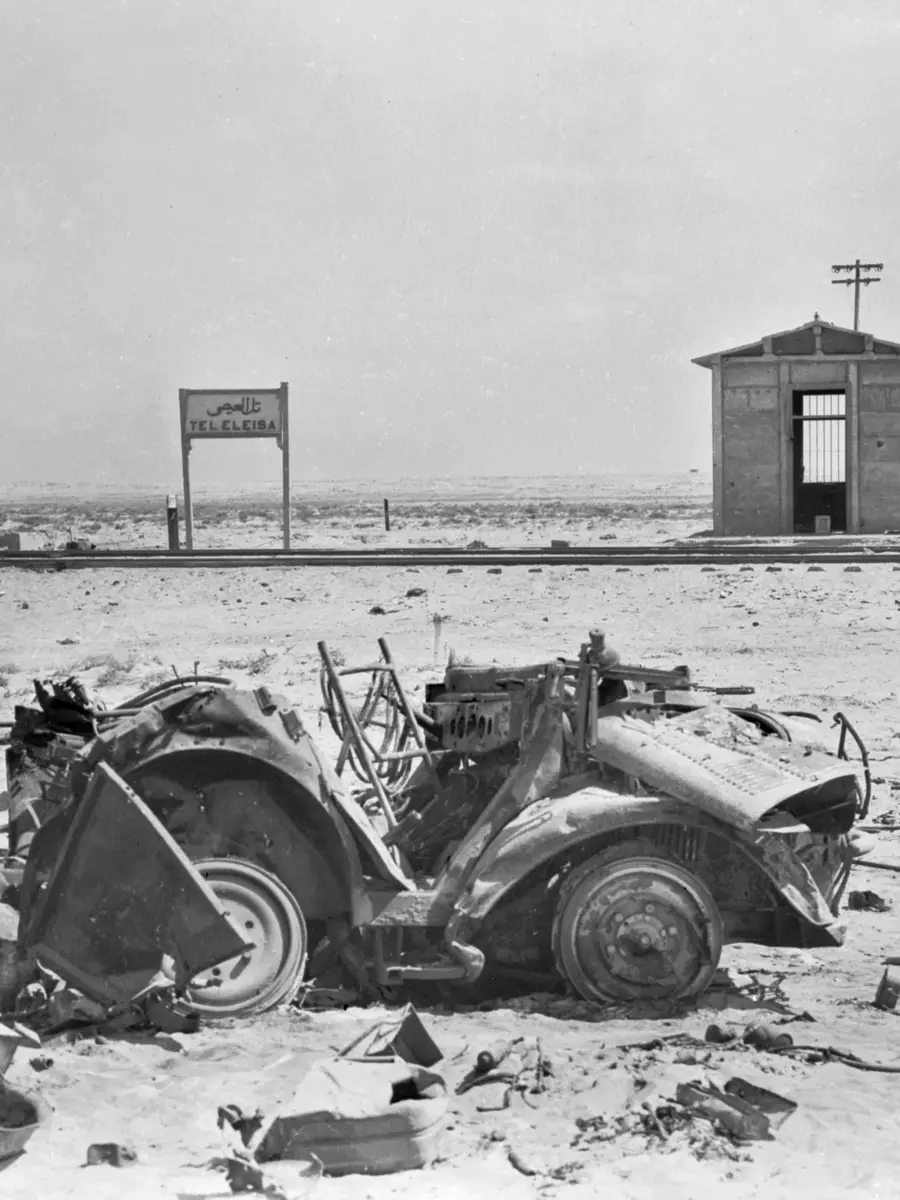
We went to Sidi Barrani by truck and stayed the night. Uneventful. Next day to Solium. While I was standing alongside a truck talking to Major Oram, who had his back to the hill out of Solium, I had my first experience of shellfire. They shelled the top of the hill, and the next landed halfway between me and the hill, on the town where we had been ten minutes before. I thought the next lot would be on us, but they stopped.
That evening I heard the biggest noise 1 had ever heard, before or since, because of the hills echoing - a terrific bombing raid to try and hit the navy. No bombs landed nearer than 400 yards from our battalion.
Next night, the boys marched over the Pass and I went in Jenny (Morris 30 cwt [6-tonne] truck). It was freezing and at the top we could hear hell being shelled out of Solium. We had missed them again. But that night they were circling over us, but we had as great dispersion of transport as was possible in the desert without getting lost (100 yards or so between trucks).
The map of this sector was white with only squares on it. Good navigation was essential. Next day we were bombed a bit, but no casualties.
The morale, owing to the cold, caused me a bit of a worry with the youngsters and I had kids with strained backs etc. But after they had had a hot meal at the RAP (Regimental Aid Post Truck) they would say, “Of course, I'm only 18, you know” etc. (I had found a bag of rice and some Italian tinned tomatoes and had a hot meal made on a primus, or sand which had been soaked with petrol in an open metal ammunition box.) I fixed most of these coves with talking and Luminal [a sedative] but it was a bit of a mental strain.
Next night, the poor troops marched twenty miles, freezing again, and we could hear the place we had vacated being bombed. It was a wonderful sight, dozens of guns going forward and troops dispersed. (I believe there were 400 guns, mostly British.)
Next day we dug slit trenches but could only dig about 18 inches owing to the stones, and there were terrific bombing raids, but they all missed us. The only excitement was a truck which had suddenly caught fire when it was going (it had run over a small booby trap called a Thennos Bomb.) I ran across, thinking I would have to drag the blokes out, but when I was a hundred yards away the coves got out and rolled themselves on the ground to put themselves out. Was I glad to see them! As by this time, small arms ammunition was whizzing about. The truck was loaded with ammunition, including mortar bombs.
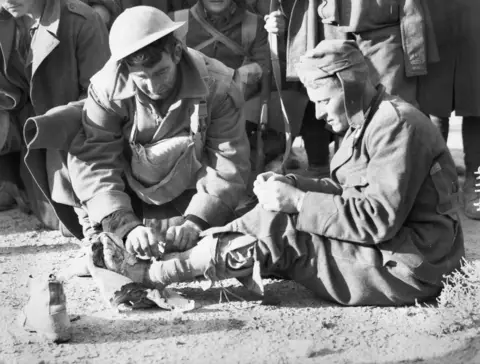
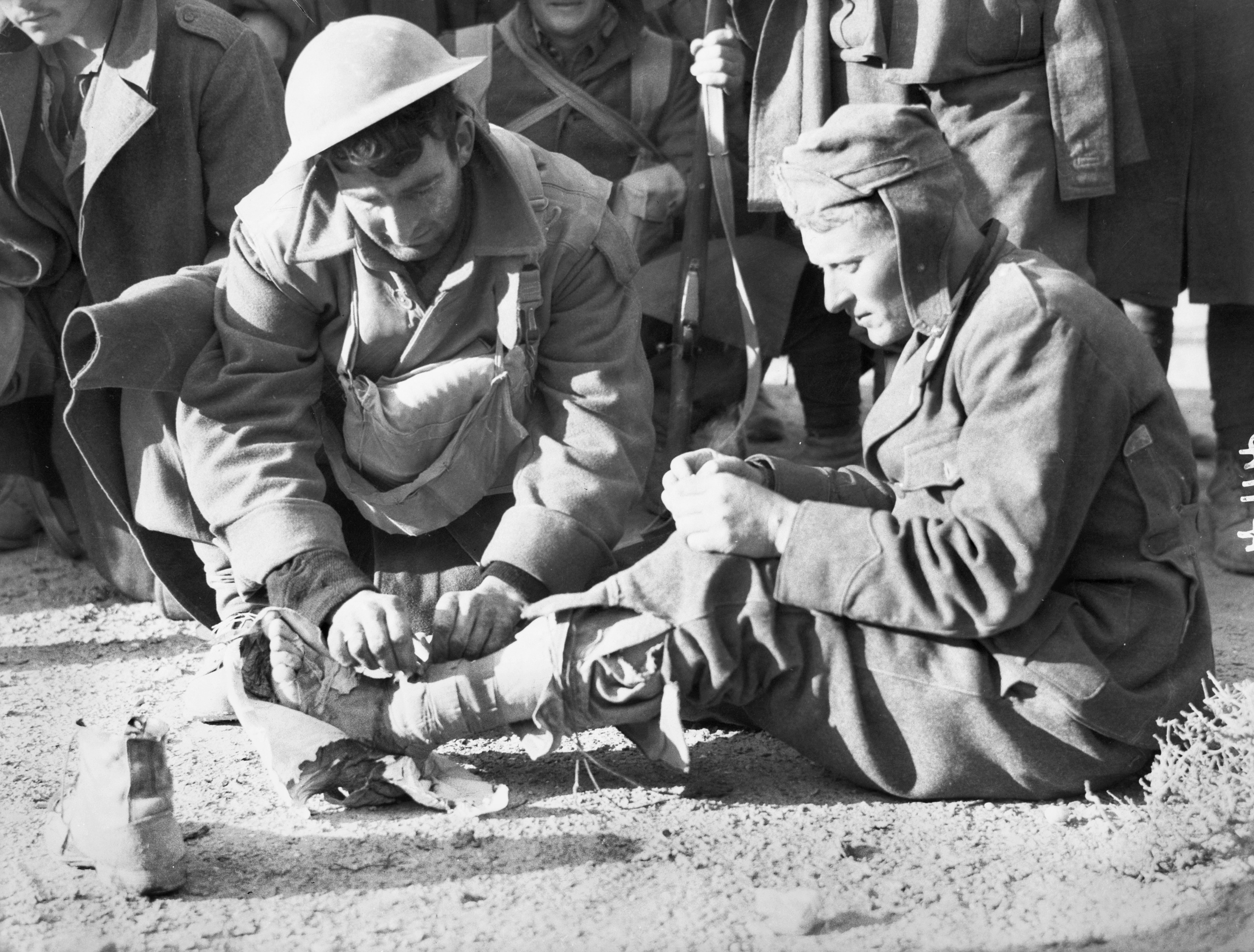
An Italian prisoner captured near Bardia receives medical treatment from an Australian soldier of the 2/1 st Battalion in January 1941.
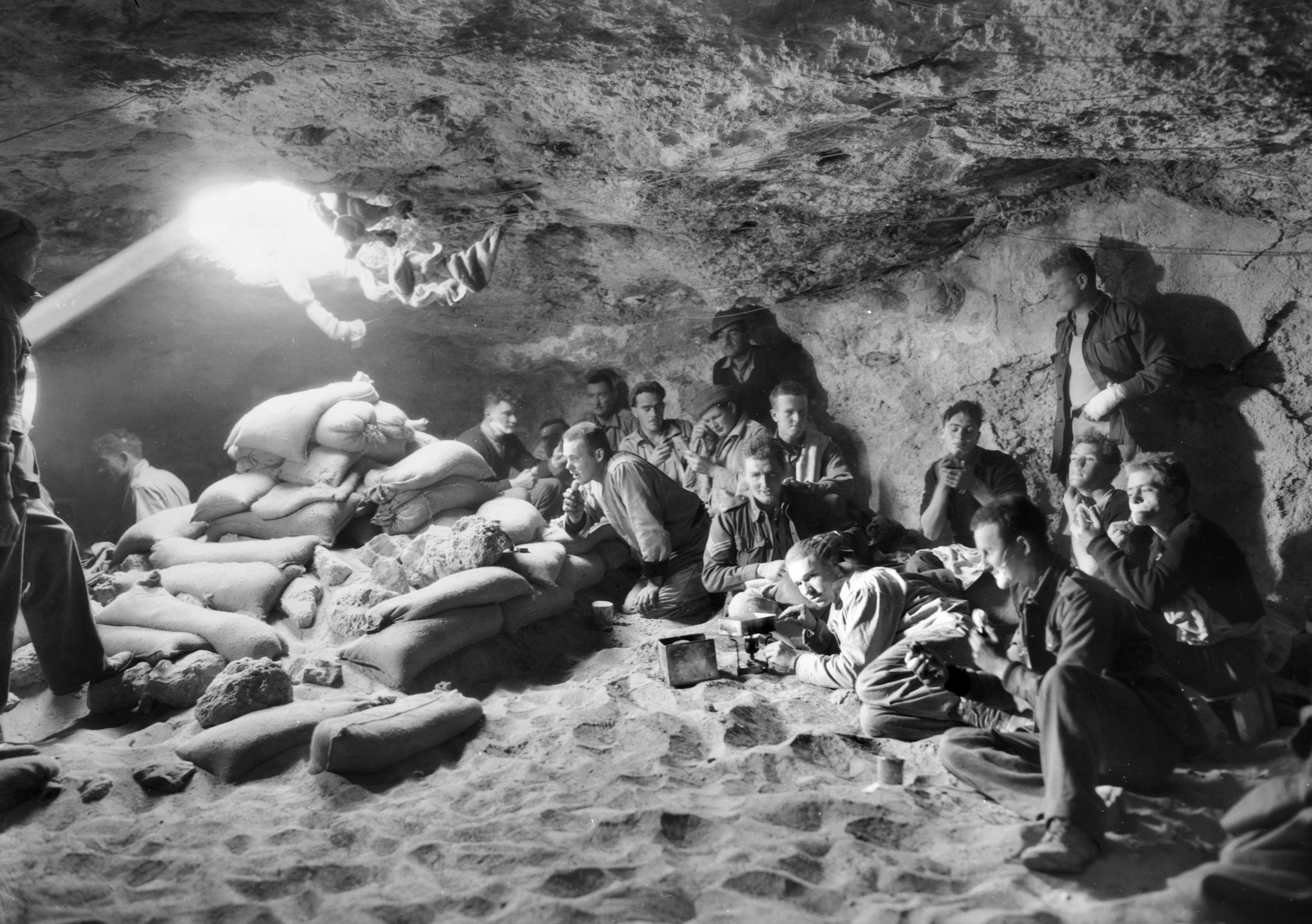
From there we moved to a big Troglodyte house where we lived for ten days. Bloody cold and dusty but we had dug trenches in the cave and we had Jenny to sit in at “stand to” in the mornings. (These stony outcrops, with small openings leading to quite spacious foyers, were said to have been used as granaries.) We saw one Australian tackle about thirty Italian planes and bring down a bomber in flames. The bomber dived about 7,000 feet and flattened out to let three coves bale out. One parachute failed to open (it was horrible to see him tearing past the others in his fall). It was a great sight and it felt as though it was going to fall on us. The pilot was burned.
Later we gave thought to this and agreed what a brave man the pilot must have been, to flatten out and let his crew escape from a burning, spinning plane - and we remonstrated with some British troops who came to our cave for cocoa. They said they had machine-gunned the airmen with parachutes. Their answer: “The lookers shoot at us with explosive bullets."
From there we moved to the open and dug trenches again. Got a few bombs but were out of shell reach of Bardia. Stayed three days.
It was horrible to see him tearing past the others in his fall
Now starts the fun. We knew that we were going to attack, as our artillery used to shell them every day and night. I took a chance and slept, or tried to, in Jenny as it was only new moon. (We imagined that it was a bad light for bombers.) I was in a panic because I had lost my pay book. I searched everywhere and finally found it down my sleeve - my shirt had not been off for three days as there was practically no water for washing anything other than hands and feet.
I got some orders at 11 am and had a roast dinner cooked by George Hoopers batman in a kerosene tin. At dusk we left for the assembly area. I had to march carrying a terrific load, including blankets (and stretchers) as we left our beloved Jenny behind. We followed closely to the others as we had no compass. There were shortages and so the Medical Officer had no phone or compass, and a truck only shortly before moving up. I used to walk on all the manoeuvres.
Stopped at assembly area and bedded down. At 2 am we had stew and rum (I had whisky). At 4 am we moved off to the start line following a tape, and at 4.30 our barrage started. (This tape had been placed at night, almost up to the enemy lines, by Ian Campbell, the Brigade Major.) It wasn’t nearly as noisy as I had expected, but the shells just seemed to miss one’s head and as they went past sparks flew out of them and they made a sharp crack.
We didn’t have a death in the Battalion since its formation till we got fifty yards from the wire - which I put down partly to the way I have shooed flies and poked my stick down thousands of drains.
In the tank ditches were some funny lights going past, which we discovered afterwards were explosive anti-tank bullets and machine-guns firing exactly down the ditch. By this time it was almost light and I had my first cigarette and another spot of whisky.
The tanks (British Matildas) came up and the first one faltered and had to go back and fill [the ditch] and then crashed over. This was the most dramatic moment and, oh boy, what a relief! I got my stretcher-bearers to break the Geneva Convention Rules and help the engineers to fill the ditch to let the tanks get in. When the second one went over my stretcher-bearers followed me out of the ditch and through the wire without faltering.
I left some stretcher-bearers behind in the ditch, to establish an RAP. I found some wounded just through the wire and fixed them up and the stretcher-bearers, except two, took them back.
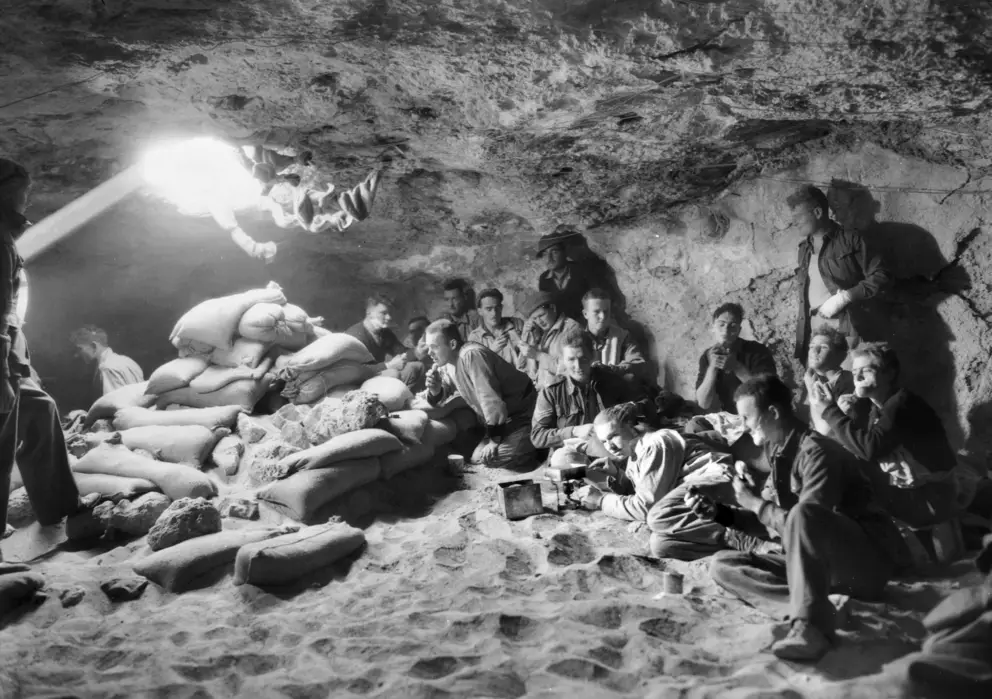
The troglodyte life: the 2/1st Field Regiment near Bardia, December 1940
The Battalion had gone on and I went to see if they wanted an aid post further forward. At this time we were in the centre of the enemy’s defensive barrage and I can only say it is incredible the way one can walk through the stuff and not get hurt. I actually sheltered behind a thing which I found out later was their aiming mark (a wooden tower observation post). I went on and took cover in their second line of defences and met George Hooper, looking for Battalion Headquarters.
It all looked very different from the map. While we were there I got word of someone wounded down a gully (wadi) and we were definitely machine-gunned getting there. I had the breeze up but the two coves who had come for me used to say “You bastards!” every time a bullet whizzed past, and we actually laughed. When I got to the little dug-out I found a shell had landed on some of our chaps. They were dropping everywhere around. An Italian doctor had stopped the bleeding and couldn’t do enough for them. Poor Sergeant Meredith, the Intelligence Sergeant, had a hand almost off and I stopped and treated him for some time. He is a grand cove and still alive, I believe.
I went back and got caught in another barrage on the way to the RAP and found my stretcher-bearers and Corporal Kelly had done marvellous work in the tank ditch, and by this time ambulances had come up and taken some wounded away.
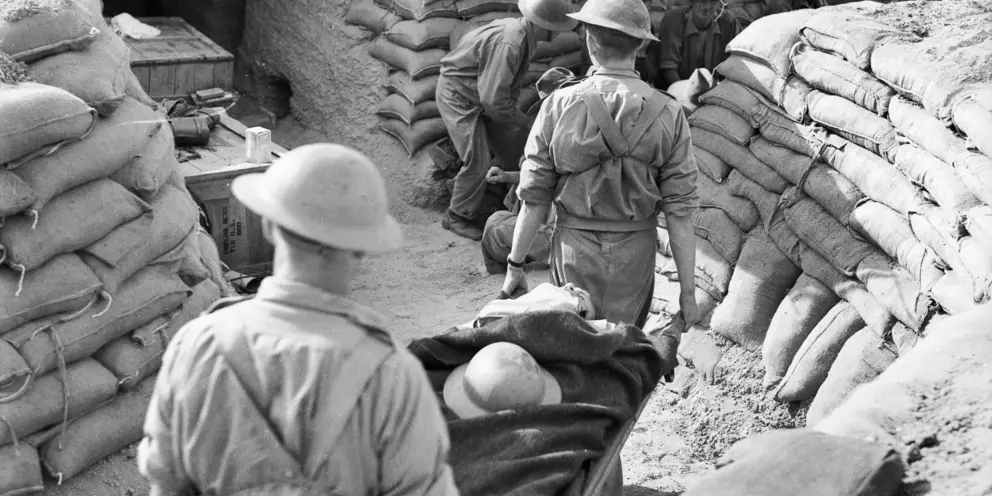
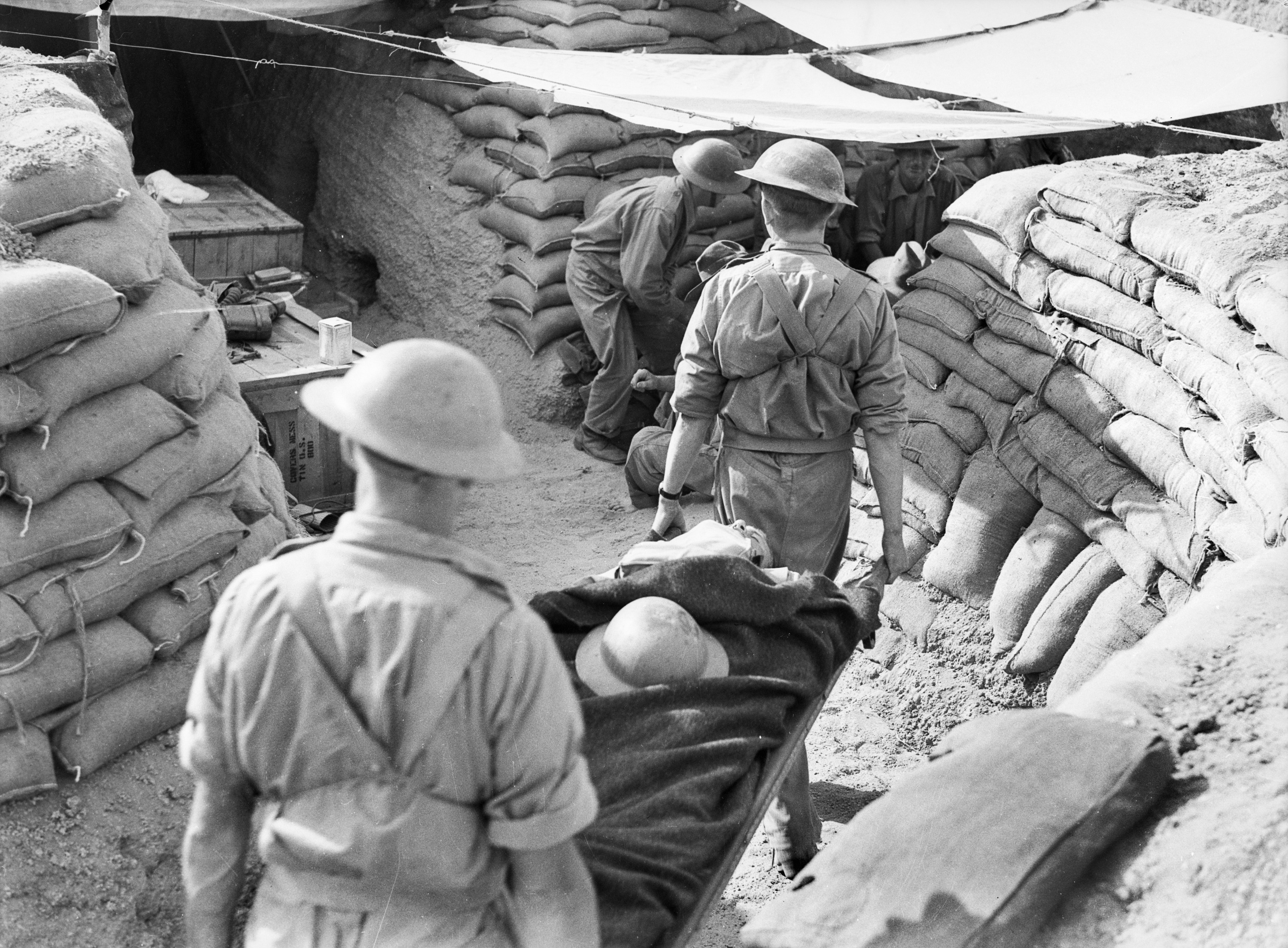
An Australian RAP in the Middle East campaign. AWM 001585
We worked there for a while and then Strutt, my driver, drove Jenny almost down the ravine (wadi) to the dug-out and we got some wounded out of the hole with some difficulty. I think that this time they respected my Red Cross armband as I was not fired on; but when they found the dug-out was full of men, a sniper with a Breda gun kept popping bursts over the entrance. At this stage my batman, Dainer, had found me and offered immediately to go and get the tanks to shut up the sniper. We didn’t let him go but after it quietened down, Jim Miller and he went out, but wouldn’t let me go.
Later I got Meredith out and evacuated from the RAP. We worked then in the ditch and got two Italian doctors and stretcher-bearers to fix the hundreds of Italians wounded. We were shelled badly but the Field Ambulance stretcher-bearers got Italian trucks and evacuated all except about one hundred, who had to stay in the ditch all night. We got rid of all the Aussies, though. It was hard work putting on dressings in dug-outs and trucks, sometimes in the dark.
I ate a bit of bully beef and turned in, leaving the Italian doctors to look after their own. They worked marvellously. Dr Trucca, who was so good to Meredith and said that he had been a surgeon - when I thanked him - burst into tears and said, “Doctors, the same everywhere.” (We talked in French.) I sent him back to the ambulance (with a note saying he was a good chap and had been kind to our wounded). I heard later that he wanted to come on to Tobruk and didn’t mind whether he attended Italian or our wounded.
Next morning we moved a thousand yards to a concrete strong point and were fairly busy. In the afternoon I got a message that a shell had landed fair in the middle of a pit in which there was one of our mortars.
Three chaps were blown up, and when I got there young Bannister was already putting dressings on the others. This kid was marvellous. I seldom beat him to a case.
We fixed them up and the bearers took them back and I went down a gully (wadi) with Sergeant Craske - “Crackers” - a most loveable and bright cove from the anti-tank company. One of our guides called out, “It’s all right here”, but Craske called back, “Yes, but is it all right for the doctor?”
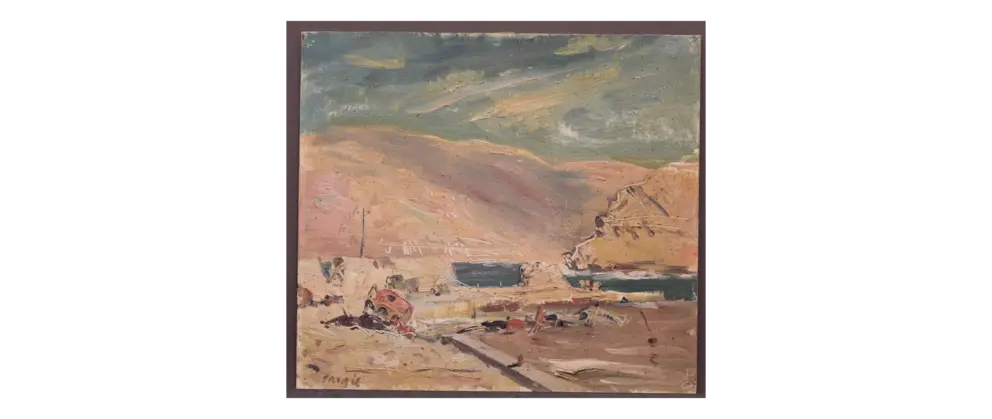
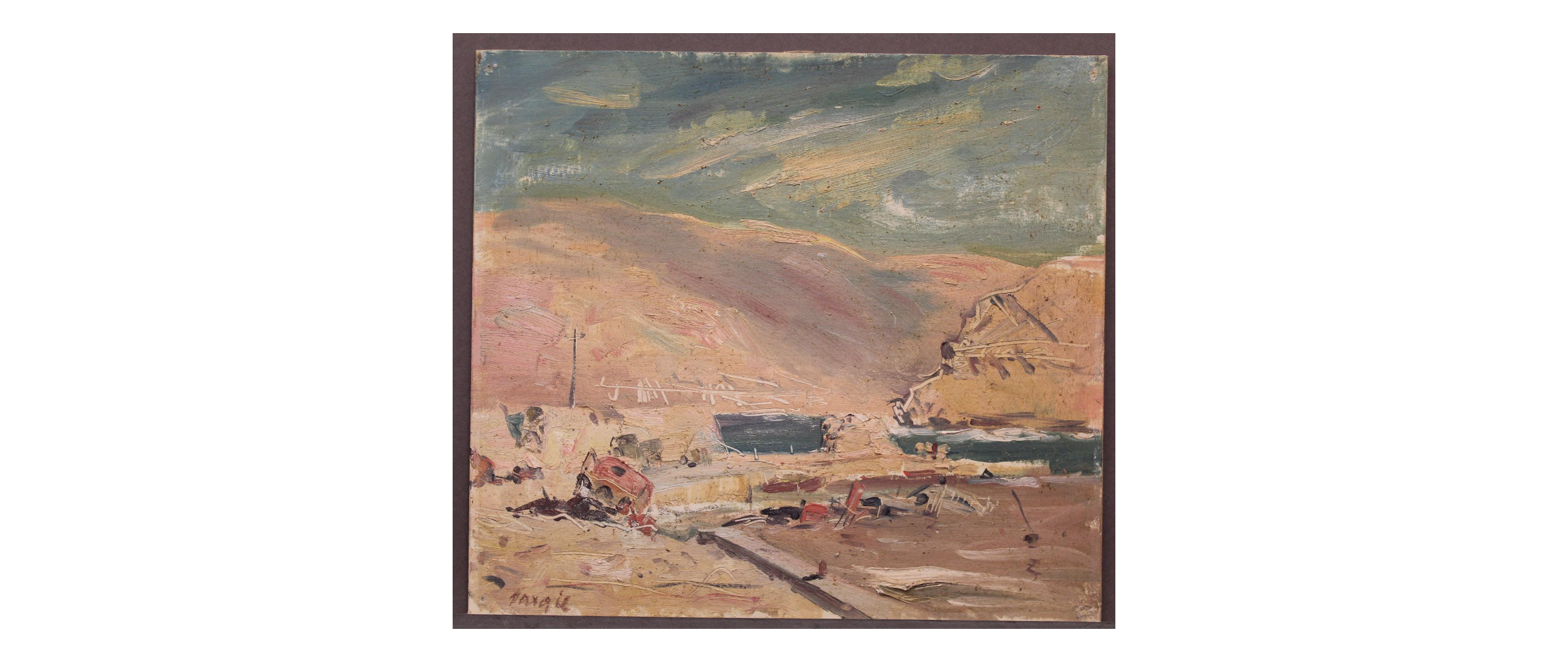
The mole, Bardia, Libya, 1942. William Dargie
We were just below a hill where a Breda sniper was popping off. We met Major Oram who showed us a safe way down. We fixed up the cove as best we could. The trip up the gully, one hundred feet deep, was very hard, even with six men carrying the stretcher, including myself.
By Gee, I was tired when we got back, but as soon as I got back to the RAP my driver handed me a cup of tea. I’ve just remembered that at another stage he handed me a glass of brandy. Things were fairly quiet until we stopped a direct hit on the RAP. It was concrete and we all happened to be in the deep part, but it was a funny feeling. Was I scared! That morning a dud shell landed ten feet from me!
After tea that night, they got me out to see “Crackers”, whom some bastard of a sniper had got, coming up the gorge where they had accounted for some tanks. He had just died in the ambulance and I confess I was so tired I had a bit of a weep in the dark part of the dug-out (but the kind eyelids of night hid my tears).
My driver and I had then to go and cheer up Dick Digby, the Mortar Officer, who was blown up with his men, but not hurt, only terribly shocked. That was the most difficult part of the whole show.
I then brought in the two “Itie” doctors and gave them a meal. That night I couldn’t sleep. I had to get up and treat more Italians, and after that some men from another battalion arrived and we had to make cocoa and give them treatment until morning. Next day I went to another post and cleaned out the hand grenades, but unfortunately left the fleas. And the boys had found a lot of cognac, which interfered with my sleep. I didn’t have any!
The most touching part was today. I had to work and didn’t get any breakfast till 12 o’clock, treating a lot of chaps who had wounds and sores but didn’t let on during the action. The coves kept bringing me presents — two fowls, a barometer, an automatic (pistol), surgical instruments etc.
One cove brought me something and shook hands, and my driver said later, “I don’t think you realise what a compliment was paid to you this morning, Sir. That chap so-and-so never had much time for you in camp.” I won’t describe the war in detail...
There the letter ends. Tom went on to serve in Greece, Crete and Papua, and after the war worked as a GP in Sydney.