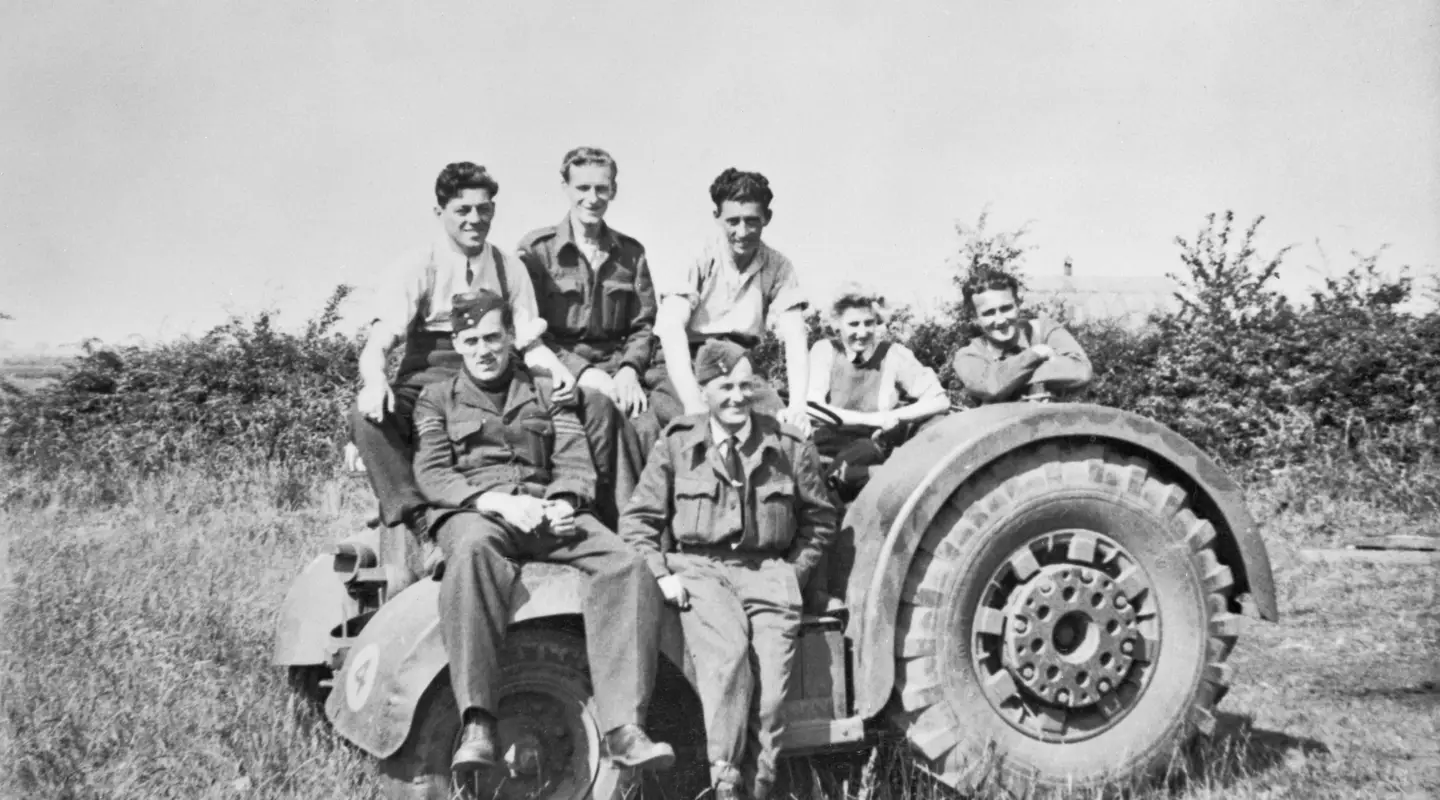
Behind every bomber crew was a much larger team keeping the operation running.
From mechanics and fitters to radar operators and communicators, members of the Women’s Auxiliary Air Force (WAAF) and ground crew performed hundreds of vital roles that kept aircraft flying and missions moving. Their work was integral to operations, yet their stories have often received less recognition than those of the aircrew.
A typical bomber station was serviced by 2,500 personnel, only 10% of whom were aircrew. Everyone shared in the squadron’s fortunes, and casualties weighed heavily on the entire station.
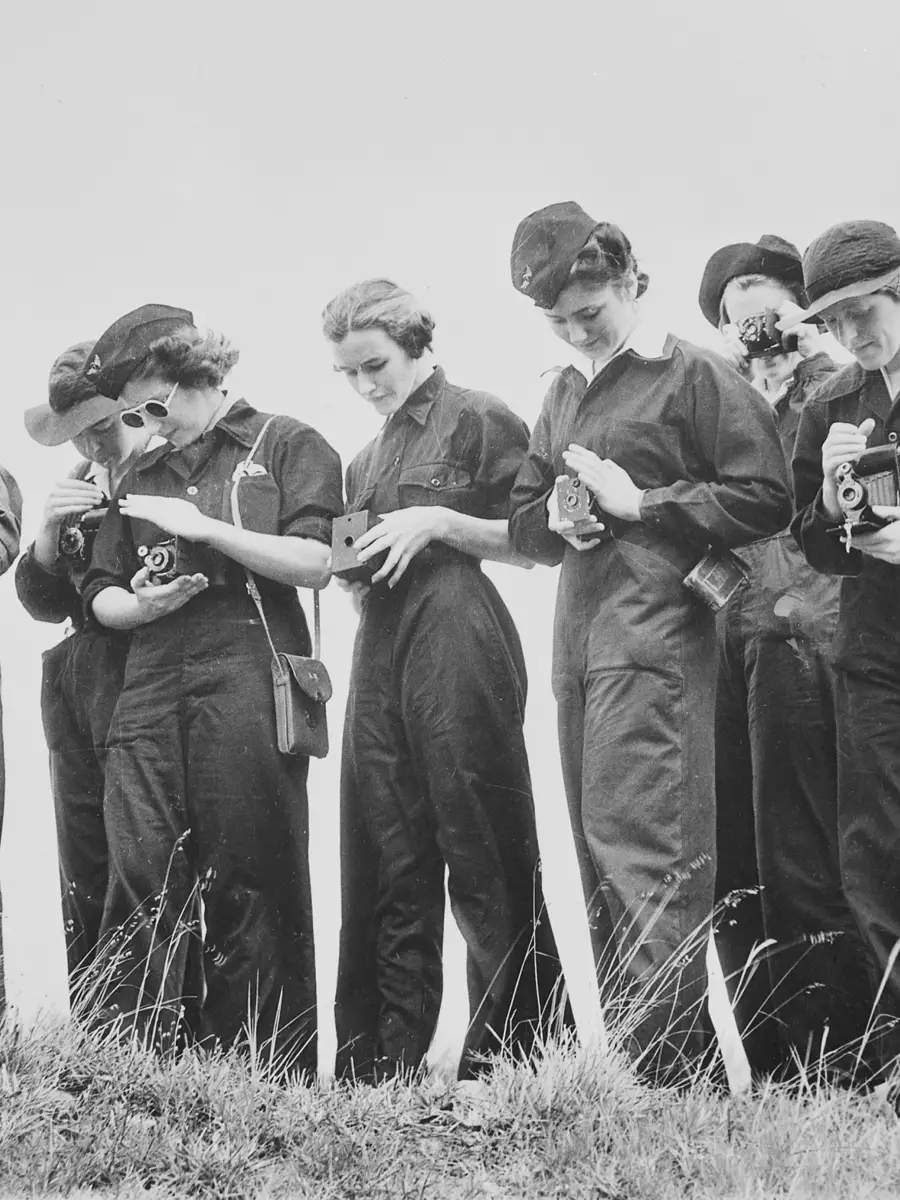
At its peak in 1943, more than 180,000 women were serving in the WAAF. Members performed the duties of more than 100 trades, including communications, meteorology, radar and operational research. They issued aircrew parachutes, drove them to aircraft and conducted debriefings. A WAAF’s voice was the last thing aircrew heard over the radio when departing for a mission, and the first thing they heard while coming home.
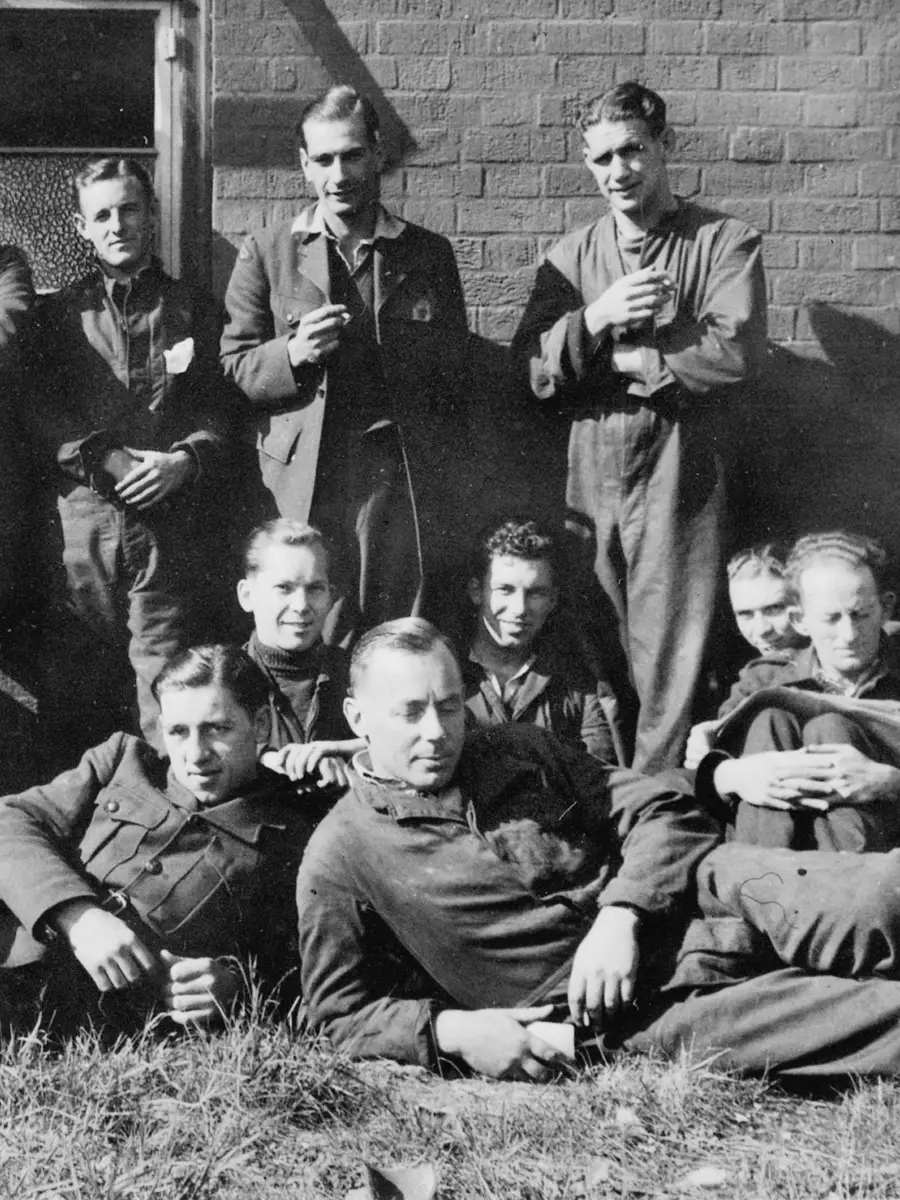
Groundcrew formed special bonds with the aircraft they were responsible for. They worked long hours – often on cold, windswept airfields – to keep the squadron operational, starting at dawn to ensure aircraft were ready for operations by dusk. Each day was a race against the clock.
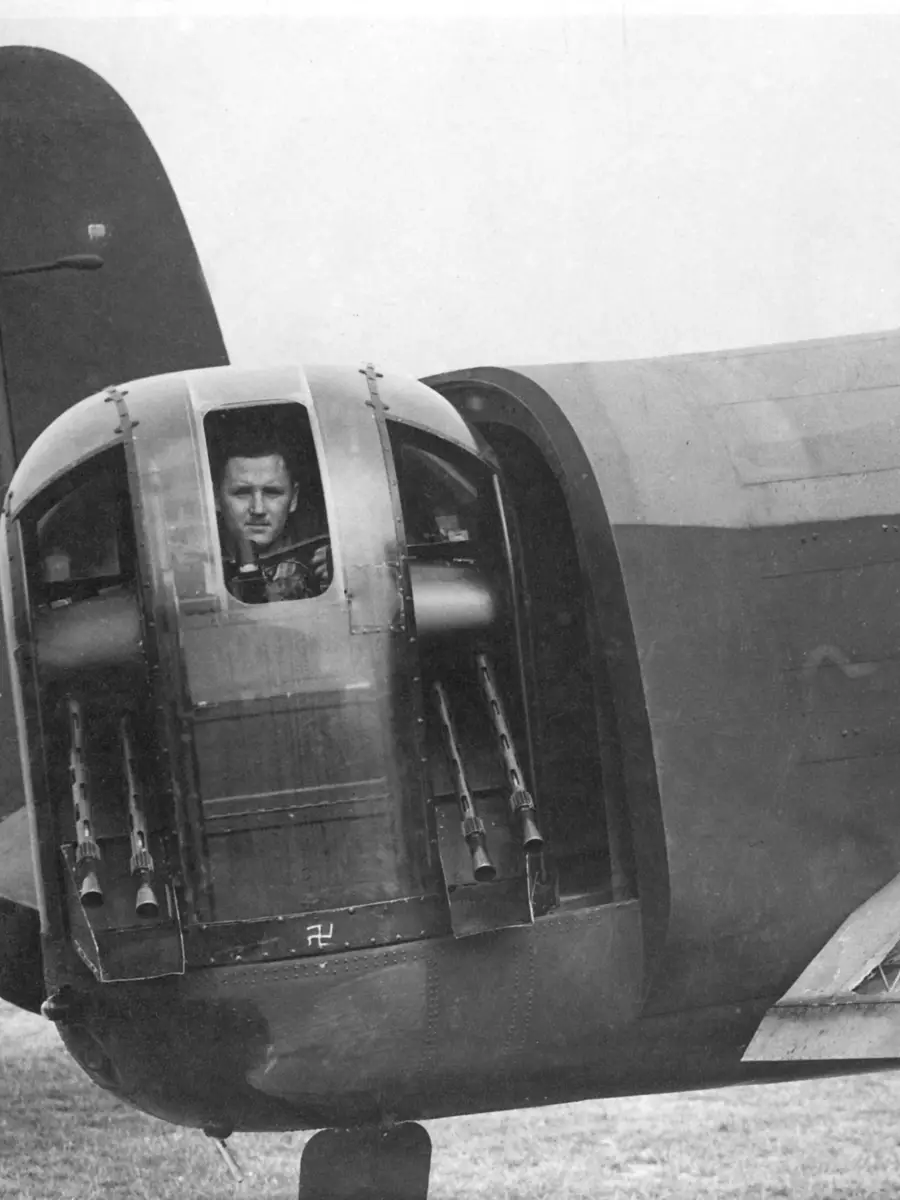
Fitters checked engines and replaced damaged or faulty parts. Replacing an entire engine could take five hours. Riggers checked the aircraft’s controls, hydraulic and pneumatic systems. Armourers serviced and mounted machine-guns and loaded ammunition belts. Electricians, radio mechanics and camera technicians maintained and tested equipment.
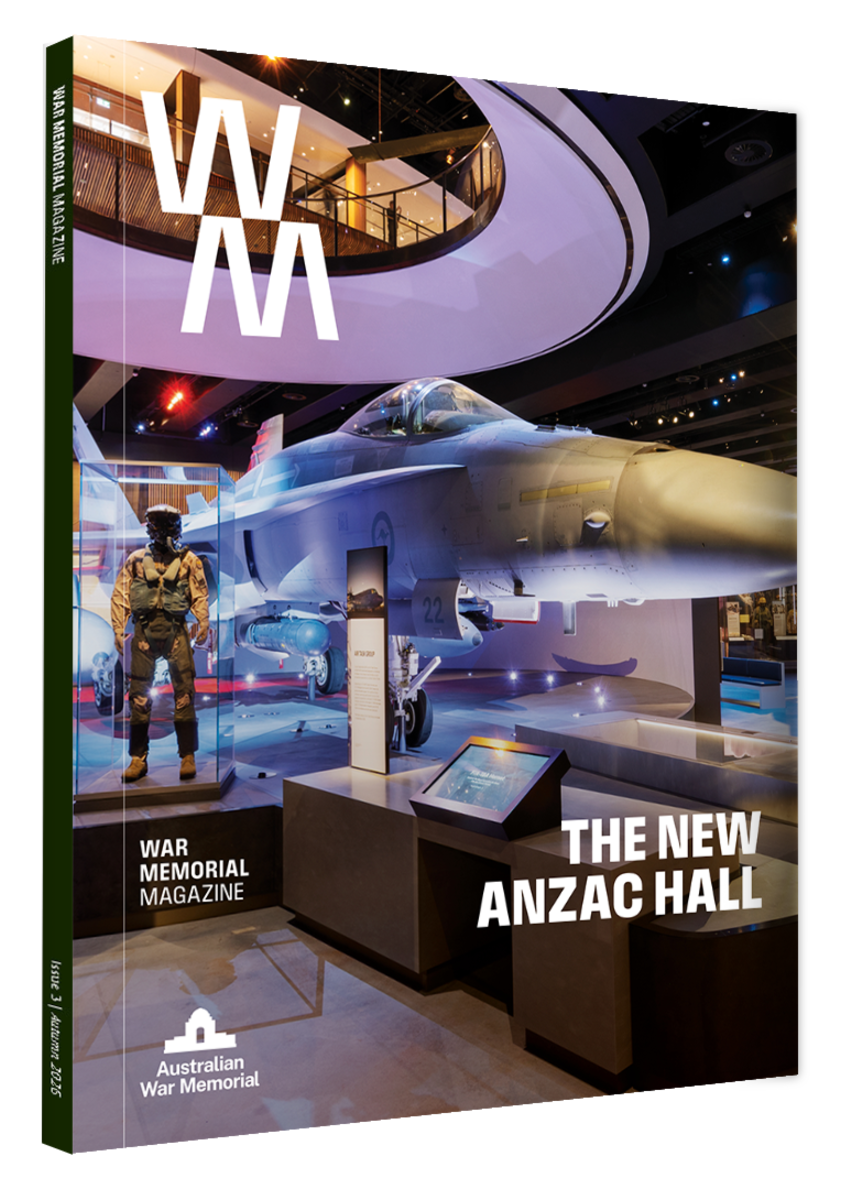
Many of these stories, and the objects that tell them, are now on display for the first time in the Memorial’s new Australians in Bomber Command gallery.
Watch now
Hear from senior historian Lachlan Grant about the experiences of the WAAF and groundcrew, the vital work they performed, and the important role they played in keeping Bomber Command’s operations moving.