Before a battle was won, someone had to uncover the enemy's secrets. From Nancy Wake to the Coastwatchers, codebreakers and spies, discover the remarkable people who fought the Second World War from the shadows.
This episode was brought to you by Leidos Australia.
An Australian War Memorial Official Podcast.
John Barrington:
Through Their Eyes shares real-life experiences of war, some of which may involve sensitive or distressing subject matter. Themes may include violence, death, trauma and loss.
We aim to share these stories with care and respect, but please take your wellbeing into account while listening. If you need support at any time, visit our show notes for resources.
The Australian War Memorial acknowledges the traditional custodians of Country throughout Australia. We recognise their continuing connection to land, sea and waters. We pay our respect to Elders past and present.
We also acknowledge the veterans who have served, those that are still serving; and the families that love and support them.
This episode is brought to you by Leidos Australia.
Nancy Wake:
I never for one moment believed that we would lose the war. We, being the Allies. I never, never, never, never. I used to argue the choice with anybody. I said, yes, it will be bad, but we will win.
John Barrington:
Before an army moved, before a battle was fought, before a single shot was fired, someone had to know what the enemy was planning.
The Second World War wasn't only fought on beaches, in jungles or in the skies. It was also fought in hidden rooms, over crackling radios, and through secrets that could never be spoken aloud.
Nancy Wake:
We were issued with false identity cards. And we had to imagine that England was occupied and we were going to this particular spot to form a resistance movement.
John Barrington:
When we think of spies, we tend to think of fiction. Hidden gadgets, secret identities, maybe James Bond. But the reality of espionage looks different. It could mean carrying messages through occupied territory, listening for signals, communicating in codes, passing information, and almost always meant living a life built on secrecy.
If you got caught by the enemy in 1943, there probably wasn’t anyone coming to save you. And in a war where information was everything, one message, one intercepted signal, or one mistake could mean the difference between victory and defeat.
Nancy Wake:
If I’d let her escape, we would have lost hundreds of men, and then I’d have had all the mothers after me. I said, no! They wouldn't have shot me; they’d have tortured me first. At least she had a clean death.
John Barrington:
The people of the secret war worked from many places; intelligence officers on remote islands, young women in hidden rooms filled with coded messages, and from deep inside occupied Europe. One of those voices you just heard, and for her, every movement carried extreme risk.
Nancy Wake:
You had a code to put into code, and then you put it in through your own code. Most people went for the Bible or Shakespeare, and I went for a little poem that I, when I was a kid, I thought was the height.
John Barrington:
Nancy Wake began the war as a journalist and ended it as one of the Allies’ most decorated resistance operatives, helping to wage a secret war against the Nazi occupation.
Nancy Wake:
I knew they were after me, but I didn't know I was the White Mouse. It was after the war that I knew that, that I was the White Mouse.
John Barrington:
She became one of the Gestapo's most wanted people, and she didn't even know it.
I'm John Barrington, and this is the story of the hidden war, and the remarkable people who fought it from the shadows. Welcome to Through Their Eyes.
John Barrington:
Before we meet the spies, codebreakers and resistance fighters of the Second World War, we need to understand why secret information is such a vital part of modern warfare.
Dr John Fahey is a former military intelligence officer and one of Australia’s leading historians of intelligence. John has spent decades researching the people and organisations that operated in secret.
He says Australia’s secret war didn’t begin in 1939. In fact, it started decades earlier.
Dr John Fahey:
It's always assumed that Australia didn't have much to do with any of this prior to, World War Two. The argument is necessity drove the developments. But in actual fact, Australia became one of the earliest participants in a British system of intercepting foreign communications and if we go back to the late 1800s, Brunel's Great Eastern was actually built to lay a cable, telegraphic cable under the oceans and the British government’s policy was where it went into the ocean, where it came out of the ocean had to be British territory. And the telegraph companies were required to provide the British government with copies of all encoded telegrams, so that they could undertake codebreaking activity. And that occurred in Australia, the Navy played a role in that. From that, Australian Commonwealth Naval Board that acted as the Admiralty’s intelligence agency in the Pacific and Indian Ocean areas, with Fremantle and Sydney being the two hubs.
And as a result of that, when World War One came along, if you sent a message from Berlin to New York, that message, some of the sky wave would come down around Melbourne. And so, Australia started right back in the day, setting up intercept stations down on the Mornington Peninsula, which copied communications and then that was forwarded by telegraph to the Admiralty in London for, codebreaking. So, we didn't actually involve ourselves in the codebreaking at that time. But certainly, the intercept operations were conducted in Australia.
John Barrington:
By the end of the First World War, Australia had become experienced at intercepting foreign communications. But as tensions grew across the Pacific during the years before the Second World War, attention increasingly turned towards Japan. The Royal Australian Navy began researching how to intercept Japanese radio communications in tropical waters, quietly building knowledge that would prove invaluable in the years ahead.
Dr John Fahey:
The Navy maintained its role in that sort of intercept operation but then started to understand the need for research, so the Australian Navy, sent the yacht Franklin, up into the tropical waters around Rabaul to see what they could intercept of Japanese communications.
John Barrington:
The Franklin wasn't searching for enemy ships. Its mission was to listen. Every intercepted transmission helped build a clearer picture of how the Japanese Navy operated, long before Australia was at war with Japan.
Dr John Fahey:
They learned a lot on that mission. They used the Dictaphone recording devices so that they could listen to the communication and listen to the transmissions in the raw, as it were.
John Barrington:
A Dictaphone was an early sound recording device, allowing operators to record radio transmissions and replay them later to study every detail.
Dr John Fahey:
So, from a technical perspective of getting operators to work within that environment was very important. That particular mission charted the bulk of the Japanese submarine squadron, as well as major units. They also discovered the fact that the Japanese operated system, where the lead ship communicated with the base and the other ships communicated with the lead ship. So, it meant that you sent the same message 3 or 4 times using 3 or 4 different operators and there was a risk of producing an error in the message. And those cumulative errors in the same message gave you your insights into what sort of cryptology they were using, how they were working. Really break open the messages. It's a very great weakness in their system.
John Barrington:
By the time the Second World War reached the Pacific, Australia had spent decades quietly learning how to intercept enemy communications. Now, those skills would be put to the test as Intelligence became one of the Allies' most valuable weapons.
Dr John Fahey:
The low-level tactical work that was conducted by both FRUMEL and by Central Bureau was certainly very useful at an operational military level.
John Barrington:
FRUMEL was the Fleet Radio Unit in Melbourne. Central Bureau was based in Brisbane. Together, these organisations became part of the Allied effort to intercept, analyse and act on Japanese communications across the Pacific.
But the real value of signals intelligence wasn’t always in reading every word. Sometimes, it was in working out who was speaking, where they were, and what they were likely to do next.
Dr John Fahey:
The Australians got far more into those ciphers than, they give them credit for. And they did it without the money and the resources of the US and the UK. It was about protecting Australia’s national effort.
John Barrington:
By the Second World War, information had become a weapon in its own right. But behind every intercepted signal and every broken code was a person, quietly doing work that could change the course of the war.
On a small island in the Pacific, where the jungle is dense and the air, heavy with humidity, hours pass in relative silence. Hidden beneath the rainforest canopy, a man is watching the coastline below when, on the horizon, a ship appears.
He lifts his binoculars into focus, studies the vessel, noting its course, estimating its speed, and carefully records every detail in a notebook.
Moments later, his radio crackles to life. Every message has to be accurate, and every transmission carries a risk.
Phil Chapman:
The Coast watching organisation organised by the Royal Australian Navy comprised 800 volunteers.
John Barrington:
Across Australia, New Guinea and the islands of the Pacific, more than 700 Coastwatchers quietly observed enemy movements, reporting on ships, aircraft and troop activity.
It could be lonely and dangerous work, often carried out deep behind enemy lines.
Phil Chapman:
Now, all those 800 volunteers, of course, were exposed to tremendous danger, particularly those in the very forward areas, not only from being attacked by the enemy. If the enemy suspected that they were passing on information. But if they were ever captured, could be beheaded or killed as a spy, executed as a spy.
John Barrington:
Author and historian Michael Veitch has spent years uncovering their stories. In his book, Australia’s Secret Army, Michael reveals the astonishing lives of these largely forgotten Australians. The Coastwatchers, and the local Indigenous people who worked alongside them, created an intelligence network that helped shape the war in the Pacific.
Michael sits down with Craig Tibbitts, senior historian with the military history section at the Australian War Memorial, to talk about their stories. Michael starts by telling us when, why and how the coast watching network was set up in Australia.
Michael Veitch:
It was discovered after the First World War, when German naval records were examined, that the German Navy was basically steaming up and down, particularly the west coast of Australia, and possibly even coming ashore and having a look about. And we didn't even know about it. Australia's enormous mass and being able to surveil that mass was realised as such an impossible task. And we'd been in a war. And if they'd been more aggressive, it could have got very nasty. So, they decided after the war to set something up.
And so, the nascent organisation came under the aegis of the Navy. They decided that, because there was no budget and no personnel and no kind of intelligence stations anywhere in Australian territory, they decided what they do was to use people who were already in situ, because Australia had picked up overnight all these huge expanses of territories that we picked up from the old German Empire that collapsed at the end of World War One. The Germans had called it Kaiser Wilhelm Land. Billy Hughes, Australian Prime Minister, went to Versailles and said, "Well, I'll have that, thanks very much."
In these former German territories that became parts of New Guinea and Ribault and all those islands were part of Papua New Guinea, New Ireland and places, all these odd tropical underdeveloped places. Australian adventurers went up looking for fame and fortune, set up lifestyles. They set up coffee plantations and cocoa and copra, and they became, very importantly, colonial administrators, colonial police and all those sorts of things. So, there was a nascent Australian population spread throughout these islands, and it was decided all we can do is use these people who were already there to just tell us what's going on, because we can't... there's no money for a naval base up there.
There were also people on the northern coast of Australia, but they didn't end up doing very much because the Japanese didn't get down that far, more or less.
So that's how it started. And it went through a couple of decades of basically doing nothing, where there was no funding. It was nearly cancelled at one stage. But when it came to the crunch, they had to get it going again because, even before the Japanese came in, they realised it was going to be a war in the Pacific. We need to use these people.
So sure enough, in the months before Pearl Harbor, at the end of 1941, the Coastwatchers organisation was sort of kickstarted in a great hurry. And the man who really got it going was a man called Eric Feldt, who's really the godfather of the Coastwatchers, who currently was a patrol officer in New Guinea and had been since the 1930s. So, he knew the place. He knew every jungle track.
In the few weeks before the Pacific War started, he basically did a lightning tour of the Australian territories, signing people up for the Coastwatchers, offering absolutely nothing. Offering no money, no protection, no military rank, and no legal obligation because they had to sign something.
He got together kind of a kit on how to do it. You know, rudimentary Morse code, how to identify ships, what to look out for, what not to look out for. He also had an extensive... and this is so important to the story... the native element, the utilisation of the Indigenous peoples throughout these islands, without whom the Coastwatchers simply couldn't have existed.
So, Eric Feldt, a remarkable man, realised the importance of it, went through, signed up as many people as he could. Completely unarmed. They were civilians. He was basically asking them to be spies. And we know what happens to civilian spies behind enemy lines if they're caught, they don’t last very long. In any war, in any period of history.
Their weapon of choice was nothing that could fire anything except radio signals, being the AWA teleradio Mark II radio, the weight and dimensions of a small family car, it was incredibly heavy, incredibly cumbersome. It came in about four parts. It was very robust. And that became the Coastwatchers' weapon of choice.
John Barrington:
Building the Coastwatcher network was one thing. Finding the right people was another. Eric Augustus Feldt was not looking for decorated soldiers or larger-than life heroes. The Coastwatchers came from different backgrounds and occupations, but all shared the qualities needed for the job.
Michael Veitch:
He looked for people who would be willing. He needed people that were robust, but not typically robust.
Perhaps the most famous Coastwatcher, a guy called Paul Mason, was 41. He was the most atypical hero you can imagine. He was short, he was bespectacled, had kind of a lisp, a funny kind of squeaky voice. He was rude. He had no personal skills whatsoever. He was the most unlikely hero. He wasn't particularly fit, but he'd been up in the islands working on a coffee plantation. And he decided, "Yep, I'll do it."
Other Coastwatchers, like Jack Read, were a bit younger. He was totally the opposite. He was like a Hollywood hero. He was incredibly handsome. He was suave. He was sophisticated. They worked together in the Bougainville part, where a lot of the Coastwatchers did a lot of their best work.
But you had to be incredibly brave, incredibly resilient and kind of calm.
John Barrington:
When many of these men volunteered, they thought they were signing up to quietly observe and report. But as the war spread across the Pacific, their role changed almost overnight.
Michael Veitch:
Before the war, it was relatively benign. Just keep an eye out on things. There was no suggestion that, in a few months, they would be operating behind the lines of Japanese-held territory, flipping them to active spies working against an incredibly vicious enemy, where their chance of surviving once being discovered was nil.
John Barrington:
As the fighting intensified, the Coastwatchers were quietly doing exactly what they'd been recruited to do. Watching, listening and reporting Japanese movements. Japanese attacks were losing the element of surprise, and relatively quickly, they realised why.
Michael Veitch:
They realised that there were these bloody Coastwatchers out in the jungle in their little eyries, with a radio set, being supported by a substrata of a native organisation. Some of the Coastwatchers were incredibly close to the Japanese. One of my favourites is another of these very quiet, unassuming fellows, a guy called Lee Vile, who was one of the earliest Coastwatchers, who observed the big Japanese airstrip at Lae, just over the hump of the Owen Stanleys from Port Moresby, on the north coast of New Guinea.
He went to Melbourne Grammar, came from a well-to-do Brighton family, and was doing a commerce course in Melbourne. Unbeknownst to anyone, including his family, he decided, "I don't want to be a bloody accountant. I want to go up to these new islands we've discovered." So, he became a patrol officer and loved it. He was there for years before the war.
He spied on the Lae airstrip. He got so close that, with binoculars, he could read the serial numbers of the Japanese aircraft taking off. So, he knew who was coming out and who was coming back.
He basically lived in a treehouse with his radio. And at one stage, he relocated because he said, "I've got to get closer." So, he came down within a few hundred metres of the runway and kept broadcasting. They knew he was out there, but they couldn't find him. At one point, some Japanese patrols were on walking paths under his tree.
He was desperately sick with malaria. He was terribly sick with scrub typhus and all those awful things. So, he was evacuated out and was regarded as a hero. He was dying to get back and was tragically killed.
John Barrington:
The Coastwatchers may have been the faces of the network, but they could not have operated alone. Behind almost every successful mission were local Indigenous men and women who carried supplies, passed messages, and risked their own lives to keep the network alive.
Michael Veitch:
The Japanese started to execute a lot of native people even suspected of even knowing the whereabouts of Coastwatchers up in the hills, let alone aiding them. Nonetheless, many remained loyal. Many remained loyal to the Australian, and a sprinkling of British and a sprinkling of even American Coastwatchers
John Barrington:
The Coastwatchers’ reports didn’t just influence military operations. Sometimes, they saved individual lives too. During the fighting in the Solomon Islands, small, fast American patrol torpedo boats, known as PT boats, patrolled the waters under the cover of darkness, searching for Japanese ships. One night in August1943, one of those PT boats, found itself in the wrong place, at the wrong time.
Michael Veitch:
There's one famous incident of one PT boat, PT-109, getting in the way of a Japanese destroyer. You saw at the last minute, and the Japanese captain swung his bow around to ram the PT boat, split it in half. The front part was more or less, bobbing in the water for a couple of days, until their captain rallied their men and swam to an island as it was sinking and, they were marooned on an island with nobody knowing that they were even there. It took a Coastwatcher, the next morning, as the light came up to notice something weird, and he'd seen all these firings and banging’s in the water a few miles off, and he got his telescope, and saw, now that’s a bit of a ship, I wonder what's it doing? Oh, I think something's happened.
And he got some of his Coastwatcher people and have a look around this. Something’shappened overnight, I don't know what. And then he started to pick up on the radio that the Americans had lost a couple of boats. The Americans had written this particular boat off saying, oh, it's gone, whatever. They didn’t even bother looking for it.
But one Reg Evans, a former Sydney accountant who became, for some reason, a Coastwatcher. He eventually discovered this group of soldiers after many adventures. After a few days, pretty much at their wits end on a desert island. And he had a letter for them from Reg Evans saying, glad we found you, we'll come and rescue you. A young Lieutenant stepped forward and shaking his head, took this letter and read it, realising he was saved and thatlieutenant was John Fitzgerald Kennedy.
John Barrington:
Yes, you heard that right; the same John F. Kennedy who would later become one of the most well-known Presidents of the United States. Reg Evans kept his role in this rescue mission a secret for nearly two decades, until his handwriting was identified from a greeting card. In 1961,JFK invited Reg to the White House, finally able to thank the man whose persistence had helped save his life.
The Coastwatchers proved that the secret war wasn't won by weapons alone. Sometimes, it came down to one person with a radio, a notebook, and the patience to watch, wait and report.
Nancy Wake:
Silent killing, wanna know more about that? I can still do it [laughter]. We called it silent killing, and that was a mild form of jujitsu. You give somebody a crack like that on the neck. It was a nasty way, but very handy.
John Barrington:
The men and women recruited into Britain’s Special Operations Executive, or S.O.E. needed to learn how to survive behind enemy lines, move unnoticed, sabotage enemy operations, and if it came to it, to kill.
Nancy Wake was one of those recruits. As we heard earlier, she was in Europe as a journalist at the outbreak of the Second World War. Born in New Zealand and raised in Sydney, she chose not to leave when the Nazi Regime came into power.
Instead, she joined the French Resistance. Few people became as famous, or highly decorated, as Nancy Wake.
Her family moved to Australia before she was two. When her father abandoned the family, Nancy’s mother was left to raise six children alone, Nancy being the youngest.
Author and researcher Ali Sharman has spent years studying Nancy’s life. In her biography Gestapo's Most Wanted: The White Mouse, Ali traces Nancy Wake’s extraordinary journey throughout her life.
Ali joins us from her home in the United Kingdom, where she starts by telling us about Nancy’s childhood.
Ali Sharman:
Nancy never felt as though she fit in with the rest of her siblings. They were happy to follow the prescribed path, particularly the girls in those days: attend a domestic school, get married and have a family of their own.
And Nancy, from an early age, exhibited these signs of fierce independence, and confidence and strength of character that meant she didn't fit into that mould that was expected of her. So she very much chafed against the restraints and rules at home, but also at school. And she ran away as a teenager.
She went to live in rural Australia. She talked her way into a job at a county hospital as a nurse that she was woefully underqualified for, but managed to convince them that she was not. It was quite a shrewd decision on her part. Young women, at the time, in 1920s Australia, that was the career path that was open for them, to go and work as a nurse.
She worked and lived there for a few years, relishing her independence. And then she was gifted some money by her aunt, which allowed her to go and travel, which is what she'd always really wanted to do.
So, at the age of 20, in 1932, she left Australia, boat-bound first for New York and then for London. She very much enjoyed her freedom and independence in these countries. It was really quite unusual in 1932 for a woman as young as Nancy to be striking out on her own, but that didn't faze Nancy one bit.
When she was in London, she made another impulsive, but also shrewd, decision and studied to be a journalist. She landed a job with her Herst publications in Paris.
So, in the early 1930s, she had this really exciting life working as a foreign correspondent and travelling across Europe as a journalist. Also just partying, enjoying life.
The 1930s in Europe was quite a dark place in some areas, but Paris was still a sort of joie de vivre and she was able to go on party dates and live in this whirlwind of excitement until she met Henri Fiocca, a wealthy industrialist on one of her trips down to Marseille.
They fell in love and they got married. So, she was still living in Paris. He was in Marseille. But it was quite an exciting adventure for Nancy, and also for Henri. He was so used to women falling at his feet because he was this wealthy, handsome man. And Nancy basically said, "You have to pursue me." And he did. He found her phone number, rang her up in Paris, and introduced her to this life of wealth and privilege that she'd never experienced before.
They stayed sort of long distance for a while, and then she moved down to Marseille on the promise of marriage. And then they got married in 1939.
With the turn of events in Europe and the outbreak of the war, she was living as Madame Fiocca in this very wealthy privileged position, and she would have had the excuse, or the right, to stay very much outside of what was happening with the politics.
Marseille was in the area of Vichy France, so technically an independent state, unlike the occupied north. So, being physically distanced from the front lines of the war, and being in this sort of privileged, economically distanced situation, she could have looked away. She could have stayed out of it, and many of her peers did so.
But Nancy had this really innate sense of justice, something that served her really well as a journalist. It made her a really successful correspondent, even though she didn't really have the schooling and the kind of writing skills to back it up. But her passion for finding out what was right, finding out the truth, was really important to her.
She had these couple of inciting incidents. When she was travelling as a foreign correspondent, she travelled to Berlin and she travelled to Vienna, and she witnessed firsthand a Nazi rally. She was really horrified by the fervour of the people around her and the way that they were kind of swept up into this frenzy over Nazism. She couldn't understand that, and she felt very horrified by what was happening around her.
She also witnessed an incident of brutality towards a Jewish shopkeeper. She saw Nazis beating people on the street. She saw this happen, and what she hated most about that, aside from the violence, was the fact that she was the only person who seemed to think it was wrong.
So, these moments that happened in the 1930s, the early 1930s for her, made her take thispersonal vow that she would not be the person to stand back. She would be the person who, when it came to it, and she really did think it was inevitable that Hitler would come into power, she would be the person who did something about it.
So, when the opportunity to join the Resistance arose, she grabbed it with both hands.
When she was living in Marseille, there was a meeting point in Marseille, a particular hotel that people would go to. Sort of wealthy, prominent people in the city, but also it was kind of a political meeting point as well.
One evening, when she was there waiting for her husband, she happened to meet, by chance, a lieutenant in the British Army, Lieutenant Ian Garrow. He was one of a number of trapped or downed servicemen who was stuck in France as a result of D-Day and the operations. And then they'd been imprisoned in a nearby fort, but the officers were given a measure of freedom in order to support the narrative of neutrality. So, Ian Garrow was actually allowed to leave the fort on occasion and go into Marseille, into the town.
He bumped into Nancy. After a brief conversation he realised how incredibly useful she could be within the French Resistance. He thought that she would be ideal in the role as a courier for the Resistance. She would travel up and down the south coast taking packages. She actually never asked what was in them. She never wanted to know. But we know from the historical record that there would have been secret messages, communication devices, weapons and ammunition parts, things like that. Even money was changing hands. She would take it along with her, either by train or foot or bicycle.
She was ideal for this role because she was so self-confident, almost to the point of being precocious at times. And she just went about her daily business as if she was doing nothing wrong. It was that ideal level of confidence that caused her never to be under suspicion at this point. And her husband was quite concerned about her adventures. She said, and she was quite right, as a woman she was subject to much less scrutiny than he would have been himself. She was incredibly successful doing so. If there was even a hint of being searched by one of the German soldiers, she would ask them for a light, or flirt with them and ask them what time they got off, or if they wanted to take her for a drink. And it worked. They were distracted by her beauty, by her confidence, by her glamour, and they just saw her as she wanted to be seen: this rich, privileged woman who had nothing better on her mind than smoking a cigarette and where she was going to go for dinner that evening.
Her next role with the Resistance which was to work, not as a courier for items, but as a courier for people. And she became involved with in what was known as the escape lines.
From Marseille, across through the mountains and out into Spain. She became really instrumental in helping servicemen and prisoners of war to escape. They basically decided, there were so many downed servicemen and trapped serviceman in the situation that Ian Garrow was, that they decided that they needed to have a way to actually help these people get out of Vichy France, or occupied France and then into Vichy France, and then out into neutral Spain, and back to join the war effort, that they needed a proper system.
And Ian Garrow was joined in the growing Resistance network by a man named Patrick O'Leary, who was an SOE agent. He was actually a Belgian man by the name of Albert Guérisse, but he went under the name Patrick O'Leary in order to protect his family. So, he actually was a spy. And he was really important in getting this Resistance network to the next level, and the escape line became known as the O'Leary Line.
Nancy would take groups of people from safe house to safe house, and they would kind of wind their way through the country, gradually ending up in the Pyrenees. They would cross the mountains. It's a really arduous journey, with guides. Then they would go into Spain, and there Patrick O’Leary’s contacts would arrange passage for them home, often by ship, back to the UK.
Before they were able to identify Nancy, the Gestapo were aware that there was a female agent operating in the southern areas very successfully. They'd kind of caught on to what Nancy had said to Henri about a woman being able to operate in a different way to a man and being able to escape suspicion. But they hadn't identified Nancy herself. In some of the reports, the Gestapo thinks she was a blonde woman. Nancy was dark-haired. They did take quite a while to get close to identifying her.
The crucial moment came when Nancy helped her friend, Lieutenant Ian Garrow, to escape. So, there had been an infiltration by a double agent into the Resistance network in Marseille. As a result, quite a few people were arrested, Ian Garrow included, and he was sent to a labour camp further north. And Nancy was very close to Garrow and wanted to help him. So, Nancy worked alongside Patrick O'Leary to help Garrow escape. She'd been seen in the town of Mauzac, where the prison was, she kind of caught the notice of the authorities. And when she returned to Marseille, she ensured that she threw a lavish party on the night that Garrow escaped so that people saw her, could give her alibis. But she had come onto people’s radar then, and it was around that time, where she was told she would need to leave France for her own safety because the Gestapo were going to identify her as the White Mouse. Which was a nickname that was given because they didn't know who she was. And Nancy was quite horrified by this nickname because the idea of being a white mouse, thinks of something so small and diminutive, she didn't find flattering in the slightest. But the idea of being the White Mouse suggested that she was able to sneak around, and evade them and stay under the radar. So Nancy had to utilise the very escape line that she had been helping to run across the Pyrenees to return to England.
By this point she had been identified and she wasn't able to use her own identity. She had to hide any time there was a hint of being stopped, detained or searched. And the worst part of her journey was actually getting from Marseille to the base camps for then crossing the Pyrenees.
She was actually arrested, not by the Gestapo, but by the Milice, the French secret police, that kind of performed a similar role in Vichy France. She was detained for several days. She was tortured and beaten. It was lucky that they didn't know she was the White Mouse. They actually thought she was somebody different. She was able to live through this ordeal, even though so many people like that were beaten to death or similarly executed.
Because of that independence and strength, as soon as she got to the stage when she was being interrogated that she thought she might start to reveal secrets, she would provoke her captors to the point that they would knock her unconscious. She would taunt them, she would spit at them, and they would get so angry.
Luckily, Patrick O'Leary was able to find where she was being held after a few days, orchestrate her release.
John Barrington:
Nancy's imprisonment by the Gestapo would be a turning point in her life. Rather than being dissuaded by the risk of further punishment, she was instead galvanized to continue doing her part in the war effort. Despite initially being rejected by the British Government, her persistence resulted in her acceptance into the SOE, where she formally trained as an operative.
Ali Sharman:
This is kind of the bit of her life which was kind of what gave her the reputation as a spy. So she learned tradecraft. She learned ammunitions, all sorts of physical combat skills as well. She said she learned how to kill someone with the back of her hand. So this is what transforms her from a woman with a sense of adventure who's brave and confident into somebody who actually has the skills to be an agent and to be a fighter.
Her sense of humour and her ability to drink pretty much anyone under the table did not escape the notice of the instructors in the SOE training. And some would love her; some would hate her. The report that she came out with at the end was quite interesting. They praised her confidence and her intelligence but also thought that she might be a liability, she was a bit of a loose canon.
So, in 1944, she parachutes back into France alongside another SOE agent and a radio operator. The SOE agent in that area had been arrested by the Gestapo. What the SOE was trying to do by implanting agents in these areas in rural southern France was to get the Resistance fighters and the Resistance network from small acts of sabotage into something that was much more organised, funded and well equipped.
So, Nancy and the radio operator's role was to be the eyes and ears in the Maquis, in the bands of fighters, and to then be the communication link with London, with thousands of men camping out in these forests in rural France. But she proved herself. They saw her as an equal, despite the fact that she's a woman, despite the fact that she was technically sent over there as a junior agent. She becomes an equal with the leader of the Maquis, and at one point their Maquis group was the largest, and Nancy was sort of a de facto leader of this group.
And this never would have happened in any other situation, to think that, in the 1940s, a woman was a really successful strategist and military leader.
John Barrington:
Through the rest of the war, Nancy continued to prove herself, demonstrating a knack for her savvy decisions and brave actions under pressure. On one occasion, after their communications had been destroyed, she personally volunteered to cycle hundreds of kilometres to acquire equipment to keep the resistance fighting.
Ali Sharman:
I think about what bikes would have been like in the 1940s. You know, she's not got gears. She's not got things to help her along. They were heavy, with just like a mesh bag over the handlebars so that she looked like any other French housewife.
And she had to kind of keep stopping and reapplying lipstick and fixing her hair, like she'd come from the nearest village rather than hundreds of kilometres to the south.
At one point, they were searching everybody and asking everybody for papers. When she was waiting in line, she spotted that there was a man nearby her that she could recognise from his uniform was quite high up in the German Army. And so, she struck up a conversation with this man and flirted with him, and they crossed the border together, and no one asked her for papers. So, it was really quite a smart, brave, but also very risky thing to do. And then basically got back and said she needed a very large drink because her legs were very sore.
But in only 36 hours, this incredible feat of exercise, but also strength of character.
John Barrington:
In the final months of the war, Nancy and the Resistance continued disrupting German supply lines and carrying out raids across occupied France. When liberation finally came, the Resistance quietly disbanded and many people returned home to their families. But for Nancy, the personal cost of the war was only just beginning to emerge.
Ali Sharman:
She then returned to Marseille to find that her apartment had been completely trashed, her belongings all gone, her husband gone.
She discovered that he'd been murdered by the Gestapo. Probably because they were torturing him for information about Nancy.
So, after she'd been involved in this incredibly exciting time of raids and battles, there was a real personal cost to her.
John Barrington:
Nancy was awarded some of the highest honours from Australia, Britain, France and the United States for her exceptional service during the war. But despite that recognition, life after the conflict was not easy. The experiences that made her a hero also left a lasting mark, one that shaped the rest of her life.
To learn more about Nancy’s extraordinary life before, during and after the Second World War, including stories drawn from her own words, and extensive research, you’ll find a link to Ali Sharman’s biography, Gestapo's Most Wanted: The White Mouse, in the show notes.
Nancy Wake fought the secret war from inside occupied France. But across Europe and beyond, there were many other ways intelligence was gathered shared and used.
Every day, thousands of radio messages crossed the Mediterranean. To almost everyone, they were meaningless. But to a small group of codebreakers, they revealed where armies would move, where convoys would sail, and where the next battle would begin.
Military historian at the Memorial, Craig Tibbitts describes how ULTRA intelligence became one of the Allies greatest weapons, and the people behind it.
Craig Tibbitts:
Ultra was the name of a highly secret British operation during the Second World War, which distributed information from decoded high level enemy transmissions. This codebreaking effort mainly centred on Bletchley Park in England.
John Barrington:
Codebreaking was still in its early days. The Allies were learning not only how to unlock enemy messages, but how to use that intelligence without revealing the secret behind it.
Craig Tibbitts:
The codebreaking effort against the Germans and Italians was progressing well, but was still limited in its insights it could provide… the allies had not yet developed a secure system of distributing ultra intelligence to field commanders, and they were very wary to protect the secret. The enemy must not realize the allies had broken their codes and were effectively reading their mail.
John Barrington:
The first real test came in Greece. As German forces prepared to invade in 1941, ULTRA gave Allied commanders an unprecedented glimpse of the enemy's plans before the fighting had even begun.
Craig Tibbitts:
Ultra could provide a clear picture of German plans to invade Greece, including the buildup of forces, logistics and air force movements.
The date of the invasion was also discovered in advance, but it did not reveal all of the high level decision making, such as Hitler's late change of plan to capture and occupy all of Greece.
And in the end, even knowing enemy plans could not help the small Allied force in Greece stop the powerful German forces. British, Australian and New Zealand troops were soon in full retreat and mainland Greece was evacuated in three weeks.
During the campaign, the most notable accomplishment due to ULTRA intelligence was at sea. The Royal Navy's stunning victory at the Battle of Cape Matapan was due to ULTRA intelligence obtained from Italian naval Enigma signals. This averted disaster, where Allied ships carrying troops to Greece might have been sunk by the Italians. Instead, they turned the tables, sinking five Italian ships and damaging more."
John Barrington:
Greece had fallen, and the fighting moved to Crete. The Allies once again knew where the Germans planned to strike. This time, the challenge wasn't gathering the intelligence—it was using it effectively.
Craig Tibbitts:
After capturing mainland Greece. The Germans and Italians planned to complete the campaign by capturing the Greek island of Crete. Many Allied soldiers evacuated from the mainland were there. Once again ultra intelligence, provided the allies with plenty of information about enemy planes, movements, logistics, and when and where they would strike. The Battle of Crete was the first time the allies made significant use of intelligence from a decrypted German message, i.e. intelligence codenamed ULTRA.
This time, Allied forces on Crete had the upper hand in both numbers and tactical dispositions, but the Allied commander on the island, Major-General Freyberg VC, misinterpreted the intelligence provided. This meant he put too much emphasis on guarding against enemy invasion by sea, at the expense of guarding against an airborne attack, the main German effort. The opportunity to wipe out the German airborne forces before they could be reinforced by sea, was squandered. Another humiliating Allied defeat.
Australian troops had fought hard in Greece and Crete, all to no avail. Less well known is that Australian codebreakers had also been there. Men such as captain Jack Ryan and Lieutenant ‘Mic’ Sandford with No. 4 Special Wireless Section, worked tirelessly providing intelligence from code breaking enemy radio transmissions.
These early forays into codebreaking and the use of ultra intelligence in the field showed promise, despite the battle for Greece and Crete being lost. Greater intelligence breakthroughs would follow in the coming years.
John Barrington:
By 1942 in North Africa, intelligence was becoming a more powerful weapon in its own right. Both sides were listening, spying and trying to stay one step ahead of the other.
Craig Tibbitts:
Signals intelligence and espionage played a very important part in the North African campaign. Both sides employed radio intercept units to listen in on unencrypted transmissions. Much of this was routine, but it helped to build a picture of enemy activities with the occasional intelligence gem. One emerged for the Germans on the 7th of August, 1942, when they learned that the newly appointed British Eighth Army commander, Lieutenant General William Gott, would be flying from his desert headquarters to Cairo. German fighters intercepted his plane and Gott was killed. British radio security practices were sometimes lax, which gave their German counterparts the edge, notably through Rommel's chief long range signals intelligence unit, Company 621, led by Captain Alfred Seebohm.
John Barrington:
Rommel was the German commander leading the Axis campaign in North Africa. To outmanoeuvre the Allies, he depended on timely and accurate intelligence.
Craig Tibbitts:
In September 1941, an Italian operative in Rome secretly gained access to the US State Department Black Codes cipher keys, held in the US embassy to the Vatican. Colonel Bonner Feller's American military attaché in Cairo, used that code to send regular messages on the Allied situation to Washington and unawares, the enemy.
In mid-June 1942. They indicated Eighth Army was at its most vulnerable. So now was the time for Rommel to strike the knockout blow and reach the Suez Canal.
But in a few weeks things changed. First, the allies discovered the leak from the unwitting American attaché, and the codes were changed, drying up Rommel's good source of intelligence as he called it.
John Barrington:
Then, in an unexpected stroke of luck, Australian troops destroyed one of the Germans' key radio intercept units. Almost overnight, Rommel lost two of his greatest intelligence advantages. Now it was the Allies who held the advantage. Intelligence gathered through ULTRA wasn’t just revealing enemy plans, it was helping shape the outcome of the campaign.
Craig Tibbitts:
On the battlefield, Ultra provided German operational plans at key moments… more significantly, ultra provided intelligence that allowed the Royal Navy and the Desert Air Force to continually intercept and sink AXIS ships, bringing supplies for Rommel's army.
John Barrington:
The intelligence that shaped campaigns across Greece, Crete and North Africa didn’t arrive fully formed. Before any commander could act, or a codebreaker could unlock a message, someone had to receive it.
Thousands of kilometres from Greece, Crete and North Africa, some of the war’s most important work was taking place in the capital city of Australia, Canberra. Just across the lake, directly in line with the Australian War Memorial, a group of young women arrived at work each day, each sworn to secrecy about what they did while they were there.
Joining us is Sita Sargeant from She Shapes History, an organisation that uncovers and shares the stories of women who have shaped Australia’s past, through walking tours and online storytelling.
Sita Sargeant:
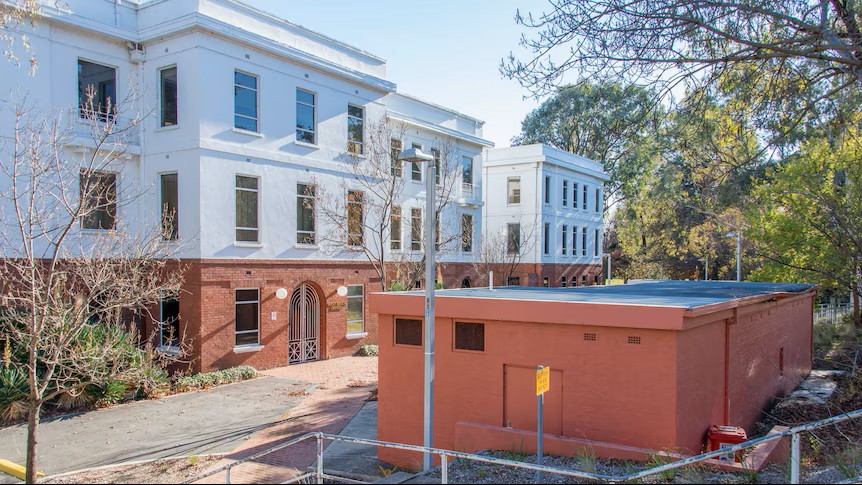
There's this building in Canberra that most people have walked past without even a second glance. It's tucked behind Old Parliament House and next to West Block. It's really small. It's unremarkable. And it's actually currently used as a bike shed. It is so easy to miss. And if you didn't know what was happening inside those walls during World War Two, you just wouldn't have any reason to stop. But I think that you should stop.
And it's because that building and the people who worked there called ‘The Bunker’ is one of the most significant sites in Canberra's wartime history. And the people who were working inside of it. They were a group of young women in their early 20s. Most of them were out at fresh out of business college, and they end up carrying some of the most sensitive secrets of the entire Second World War.
Their names are barely known. Their work was highly classified, and for decades they didn't breathe a word of what they were doing to anyone, not even their spouses. So, let's talk about them.
By early 1942, Australia was in a pretty terrifying position. Pearl Harbor had been bombed in December that year prior, and on the 10th of December the British warships HMAS Prince of Wales and HMAS Repulse were sunk by Japanese aircraft in one of the most significant naval losses of the Pacific War.
Singapore fell on the 15th of February. Darwin was attacked. And what most Australians don't realise, and what I honestly didn't realise until I actually went there, was that there were almost 100 subsequent aerial attacks on Australia's northern coast throughout 1942 and 1943. Bomb shelters and zigzag trenches were dug into the ground right next to Parliament House in Canberra. That is how real this fear of attack felt.
And in the middle of all of this, the Australian Government has this quite serious communications problem. The cables that were running through Singapore, the main route for encrypted communications between Australia and Britain, were gone, which meant that every high-level message between Prime Minister John Curtin and Prime Minister Winston Churchill had to be encrypted in Canberra, transmitted by high-frequency radio, and then decrypted in London. And the replies would come back the same way.
Someone had to do all of that encrypting and decrypting, and that someone ended up being the Cable Girls working out of ‘The Bunker’.
The machine at the centre of all of this was called the Typex. And the Typex was absolutely enormous, and it would take two quite strong people to lift it. It had a keyboard like a typewriter, five rotating cipher wheels called rotors, and two large printing heads. The Typex would print it onto a long paper tape, so it would take two operators: one that was typing and one that was pulling out the tape, cutting it into groups of five letters and gluing those strips onto the actual messages sheet using a bottle of Clag, a brush, the whole thing. And each of those rotors had an alphabet around its edge and electrical connections inside. Every time you pressed a key, all five of the rotors would shift at different rates, and an electrical current would travel a completely different path through the machine. And you could type the same letter 100 times and never get the same output twice.
The encryption was different for every single character, and every day the rotor settings changed. The whole system would reset, which meant that if anyone intercepted a transmission — and the Japanese and Germans were absolutely listening in — all they had was a string of random five-letter groups, that meant nothing unless you knew the day's settings.
And the stakes of this precision were just so extreme. And if you got one element wrong, the whole message became unreadable. That level of precision, which was repeated across, you know, dozens of high-level cables every day, was what the Cable Girls were doing down inside ‘The Bunker’.
And this is something that I think a lot of people don't realise, is that John Curtin, our Prime Minister, and Winston Churchill, the Prime Minister of the UK, were kind of low-key at war with each other, not just with the Axis powers.
And the relationship had kind of started pretty badly. In late 1941, our Prime Minister had publicly declared that Australia now looked to America, not Britain, for its security. And Churchill, I would say understandably so, given our history, was furious. And he told Curtin that he hadn't begun to feel the weight of this war, and Curtin would fire back in these precise and quite uncompromising terms.
The cables flying back and forth between those two men during that period are absolutely extraordinary documents. You have these two leaders who were separated by half a world, who were fighting over troops and strategy and sovereignty through these encrypted five-letter
groups transmitted by high-frequency radio, decoded in a small building with no windows in Canberra.
Those Cable Girls were reading every word. And I want to introduce you to one of them to kind of highlight how ordinary some of these women were, in the best way possible.
So, Nancy Ward came from Boorowa, which is a very, very small country town in New South Wales. She'd gone on to business college in Adelaide. She'd worked briefly for the Navy as a shorthand typist. And then she got offered a position in Canberra. She was in her early twenties. She didn't even know where Canberra actually was. It was such a new city.
And she ends up taking the train, which took her two nights and quite a few changes. She arrives to this — I'm not even going to call it a city — and she even says, and I quote, "It was all countryside, no big city." A young man met her at the station and took her to Goodwin House, which was a John Barringtonel specifically for young single women who were working in government during the war, and is now an arts centre.
Her first day on the job, she was taken upstairs to meet the head of her department, Mr Swan. He reached up and got a Bible, put it on the desk, and told her to put her hands on it and swear by Almighty God that she would not disclose anything about her position to anyone, ever. She said that she could just barely stagger back down the stairs afterwards.
And then she gets to work. She was eventually put in charge of the Typex operators, training new girls as this volume of cables just grew. She would organise rosters, and she personally handled the most secretive communications herself. Winston Churchill to John Curtin. John Curtin to Winston Churchill. Marked Most Secret. Marked Immediate. Sometimes marked both.
She read about the submarines in Sydney Harbour before most Australians knew. She processed the cables about the fall of Singapore. She encoded and decoded increasingly tense exchanges between two Prime Ministers who couldn't really stand each other. And Nancy's family thought that she was just a typist.
So Prime Minister John Curtin visited that apartment on the 11th of January 1943, and he ended up seeing the conditions that these women were working in. It was cramped. There were no windows. They were on shift work seven days a week. They were doing these really erratic hours, that made it really hard to get a meal. Afterwards, he ended up writing to the Minister of the Interior, describing the conditions, and I quote, as "most unhygienic", and advocating for proper rest facilities, staff rest rooms and meal provisions. He knew how vital this work was. And all of them would just never speak of it again.
The thing about the Cable Girls is that they weren't recruited because they were remarkable. They were recruited because they were competent, you know, discreet and available. They were young women from country towns and business colleges and Navy typing pools who found themselves, through this confluence of wartime circumstance and bureaucratic need, sitting at the centre of some of the most significant communications in our country's history.
I think that these weren't extraordinary women who got an extraordinary opportunity. They were ordinary women who ended up rising to meet this really extraordinary moment. And then they went home and never told anyone. And I just think these sorts of stories often end up being framed as a footnote to history. But I think that this is history. Those women carried some of the most significant secrets from Australia's wartime history. And they did it. And I think that, you know, the least that we can do now, even decades later, is just know what they did.
John Barrington:
The stories we tell don't begin in a recording studio. Many begin in the pages of the Australian War Memorials official magazine room, where historians, curators and researchers explore the stories and moments that have shaped Australia. If you'd like to go deeper into the research and personal accounts behind episodes like this one, visit wm.awm.gov.au.
In January 1941, eleven months before the attack on Pearl Harbor, a Japanese Army officer stepped ashore in Sydney, carrying little more than a suitcase and a notebook. For the next two months, he openly travelled across Australia, quietly recording what he saw. While Australian authorities followed his every move.
More than eighty years later, that notebook has become the centrepiece of one of Australia’s most remarkable espionage stories. Its owner was Major Sei Hashida, a middle ranking officer in the Imperial Japanese Army.
Author Craig Collie has spent years piecing together Major Hashida’s story. In his book titled, Major Hashida's Notebook, he draws on Hashida's own writings and archival records to piece together the mystery of his mission – why he came, and what he was really look for. Craig sat down with AWM military historian Craig Tibbitts to tell us his story.
Craig Collie:
He had been a specialist as an engineer who had moved into intelligence. Judging by his confidence, you know, I think he was new to it. So, it's fairly likely that he had come out of a course at the Nakano School of Covert Operations, a school that was unknown until well after the end of the war
Craig Tibbitts:
In Tokyo?
Craig Collie:
In Tokyo, Nakano is an outer suburb of Tokyo.
And when the war was clearly going to be lost, they destroyed all the records. And so, there's a gap in the record of Hashida's Army career in three years, which would cover the time when he was in Australia and the time before. And when they graduated, they joined what were called Special Service Agencies, Tokumu Kikan. Sometimes they did that in groups. An example of one, there was a fellow who was cycling around Kota Bharu in Malaya before the Pacific War as a prawn seller. And when the Japanese troops landed, some of the civilians in Kota Bharu recognised the colonel that was with the landing troops as the guy who had been the prawn seller a year earlier.
Craig Tibbitts:
Right.
Craig Collie:
So that was the sort of thing they were doing.
Craig Tibbitts:
I understand also that the Australians were suspicious of Japanese activity on the northern coast of Australia as well.
Craig Collie:
They tend to be over-suspicious, I suspect. They see Japanese with cameras and tend to think, "Oh, they're spying." But the Japanese, like the Americans, took cameras as tourists everywhere they went.
Craig Tibbitts:
Yes.
Craig Collie:
So quite often I think some of those stories turned out to be looking at the worst-case scenario.
Craig Tibbitts:
Mmm.
Craig Collie:
Hashida, interestingly enough, came on his mission with that camera. Hashida himself, he was a sort of fairly taciturn fellow. Slight introvert, perhaps, but quite smart. In fact, he had a meeting with an intelligence officer, and he reported the impression that Hashida had a fairly good grasp of the economic situation at the time, which he said was unusual in Japanese military officers, who he said all tended to be militant. Somehow, he thinks Australian officer weren’t.
Craig Collie:
He was in his mid-thirties
Craig Tibbitts:
Mm, single, or?
Craig Collie:
No, he was married.
Craig Tibbitts:
Married.
Craig Collie:
And interestingly, they lived two railway stops from Nakano, which suggests that he might have
been attending. We don't know whether he had kids. There's no record there.
Craig Tibbitts:
Okay.
Craig Collie:
Like a lot of Japanese at the time, their feeling about the Western colonial powers. They had a bit
of a chip on his shoulder. They thought that they were sort of disparaged by the Western powers.
Craig Tibbitts:
Do you think his personality type suited being a spy?
Craig Collie:
Probably not. You surmise he was working on... when he went back to Tokyo, he went into
General Staff and was working on analysis of intelligence rather than collecting it.
When the war broke out, he went out as an officer in charge of field analysis, looking at the
information that was coming in from various sources.
Craig Tibbitts:
So it sounds like more suited, perhaps, to an intelligence analyst than a field operative?
Craig Collie:
Yep, yes. It would appear that the Japanese also thought so
Secret messages. Hidden identities. Impossible choices.
Across Australia, Europe, North Africa and the Pacific, an invisible war was unfolding. Resistance fighters, spies, Coastwatchers and codebreakers risked everything to gather intelligence, intercept enemy communications and uncover secrets that could change the course of the Second World War.
In this episode, discover the extraordinary people who fought from the shadows. Follow Nancy Wake as she worked with the French Resistance, hear how Coastwatchers operating behind enemy lines became the Allies' eyes in the Pacific, uncover the story of ULTRA codebreaking, and learn about a Japanese intelligence officer whose journey across Australia revealed a different kind of espionage.
Featuring historians, researchers and authors from Australia and overseas, this episode explores the hidden war where information became one of the Allies' greatest weapons.
Collection items and related stories

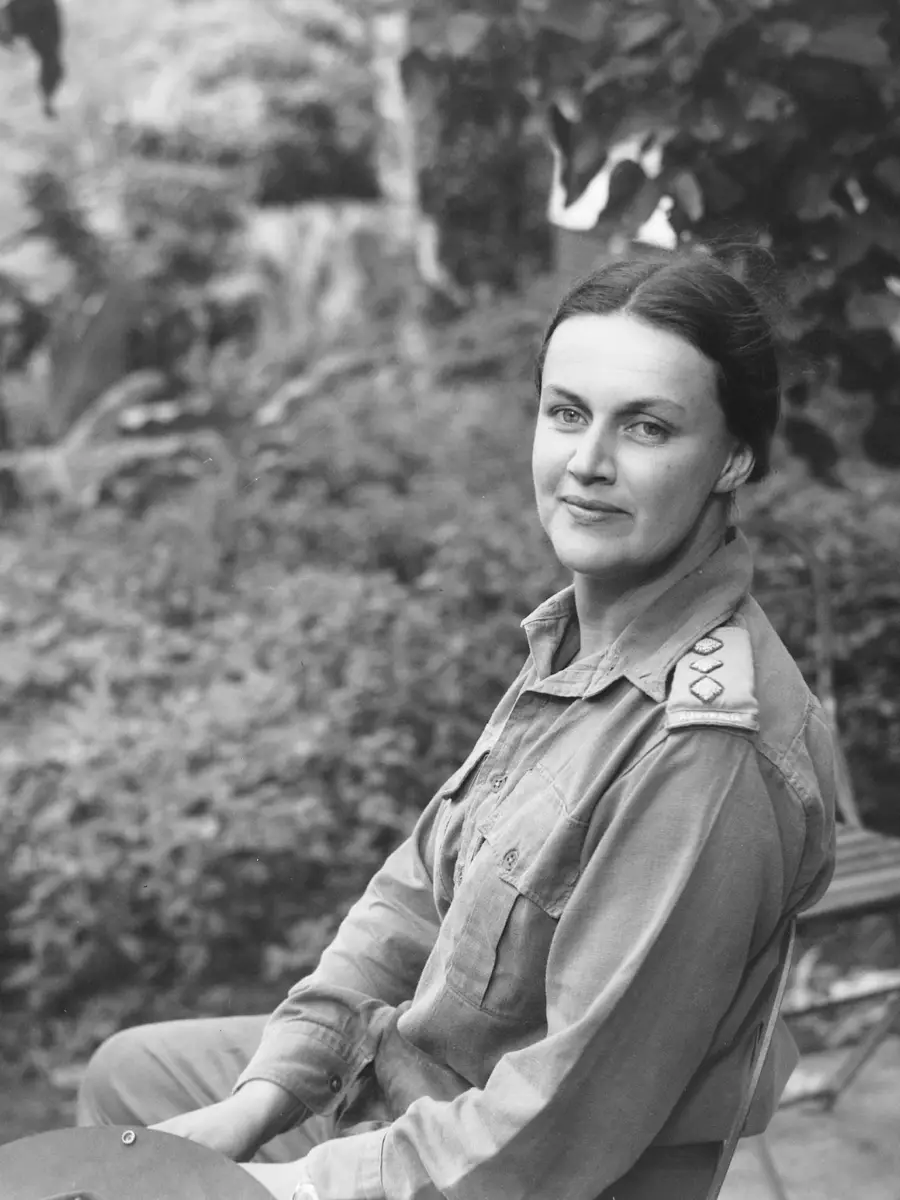
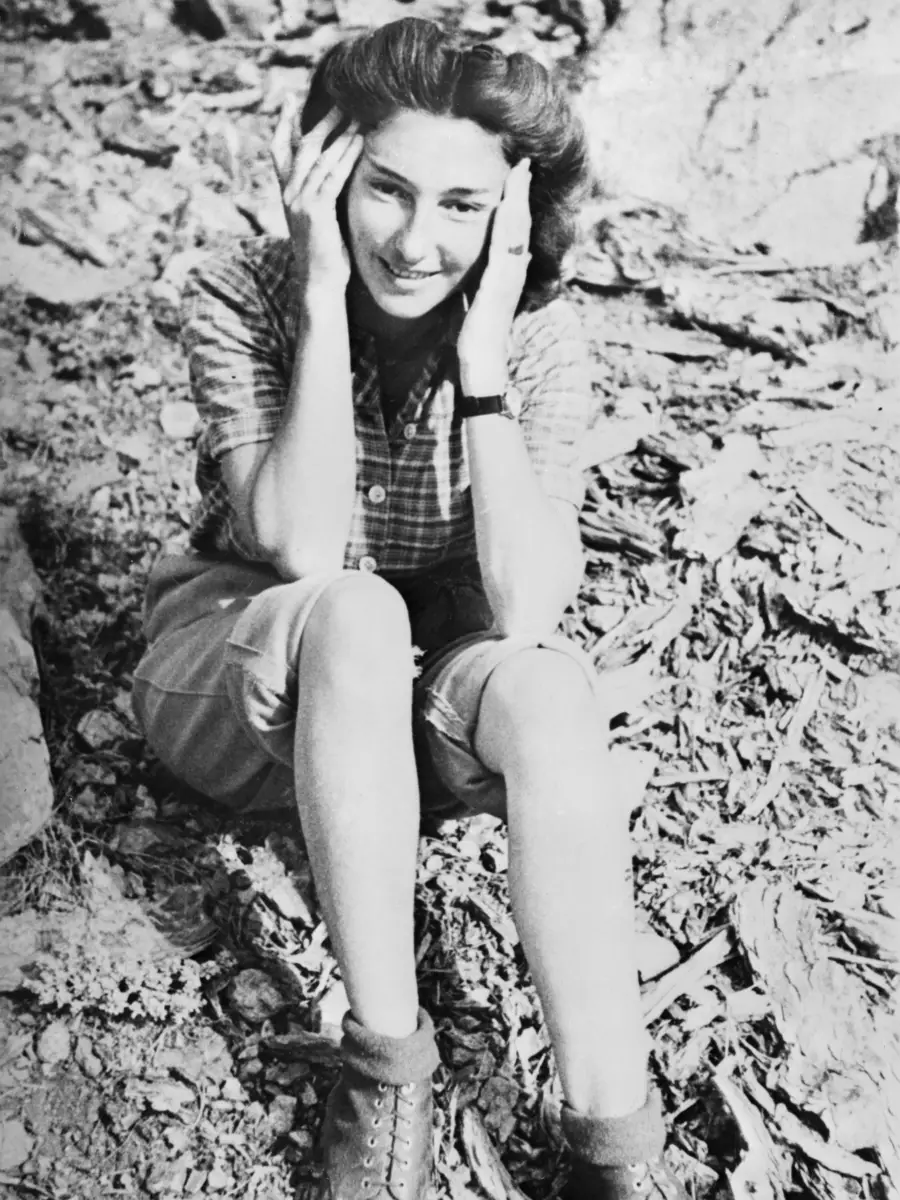
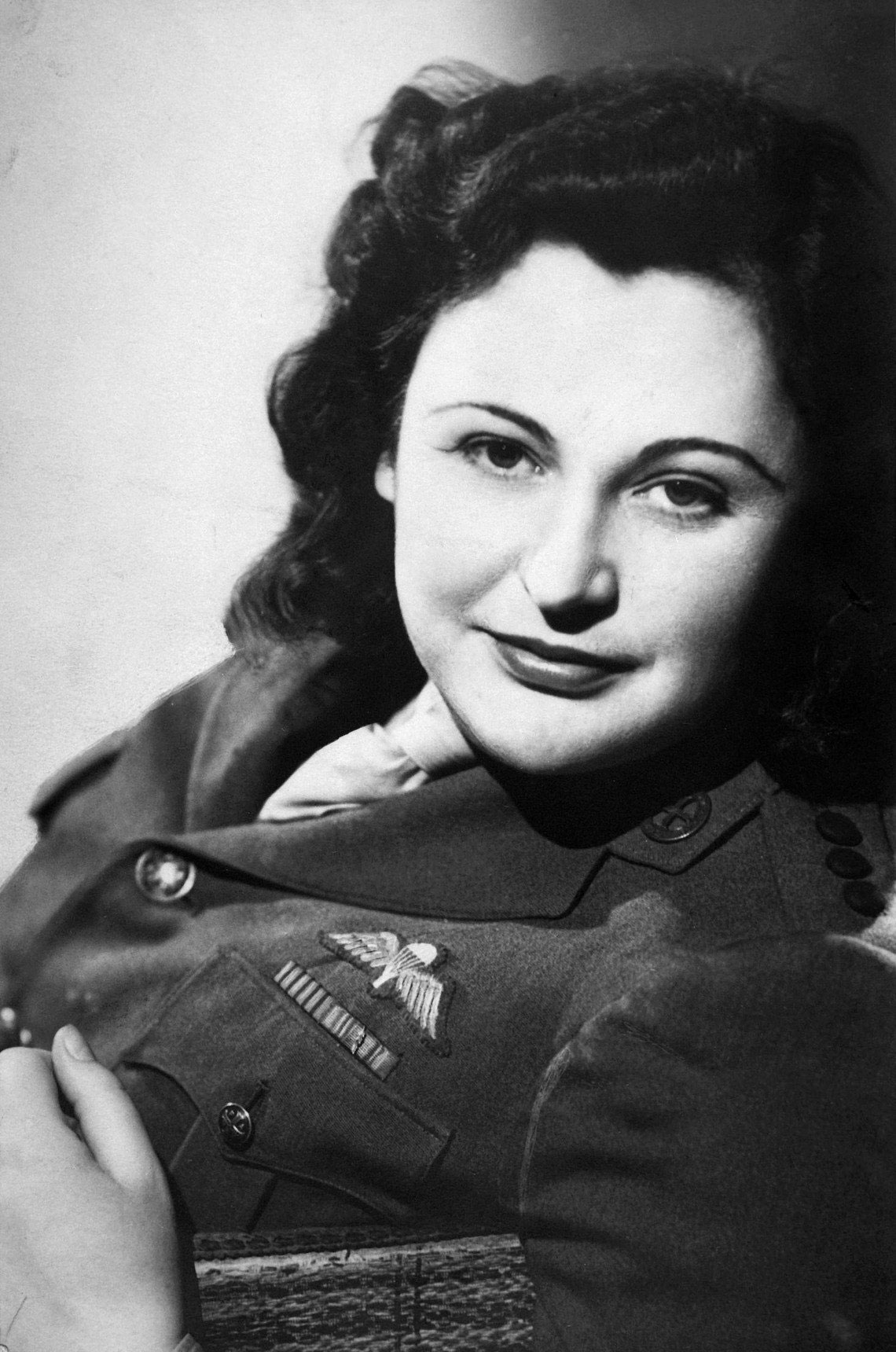
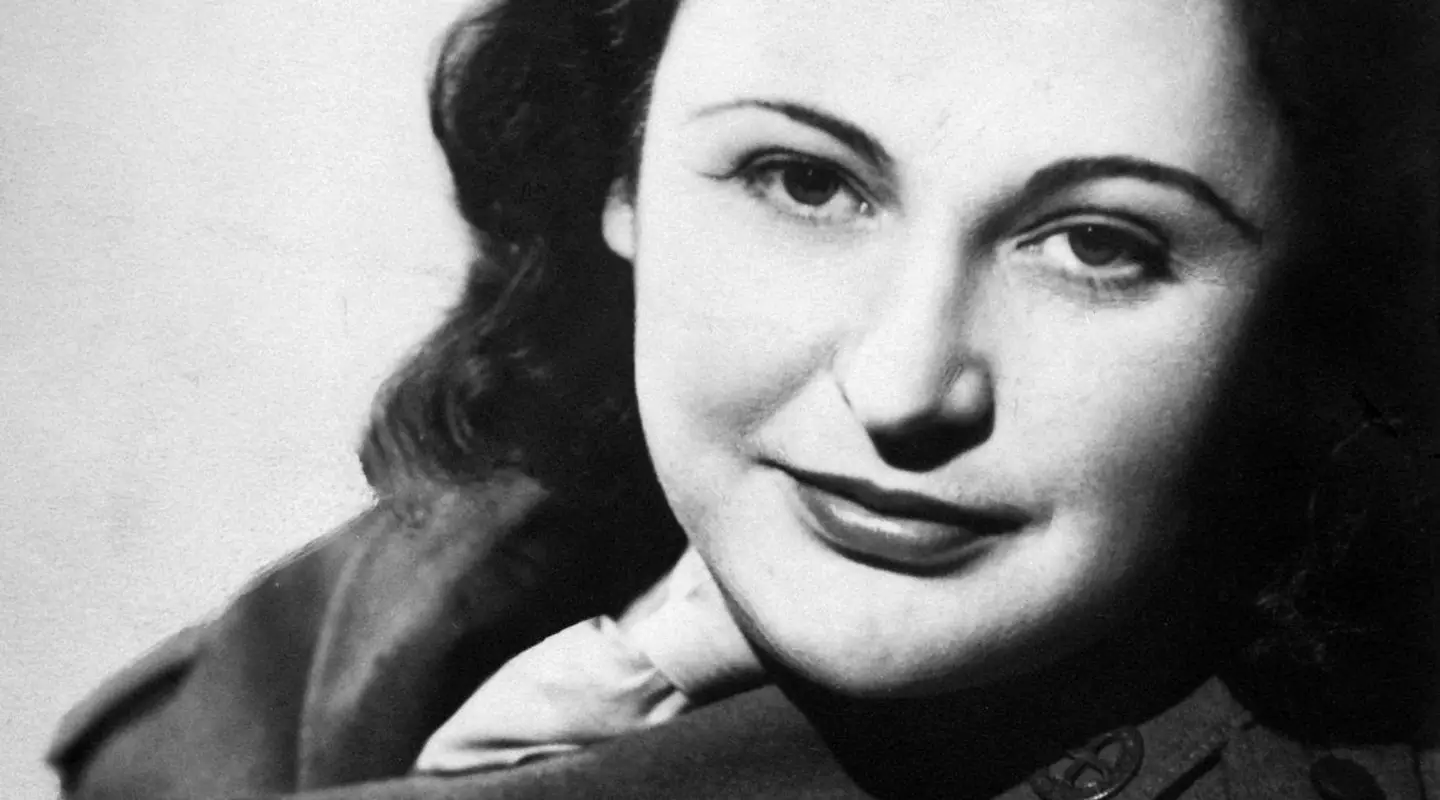
Known by the Gestapo as the White Mouse, Nancy Wake was highly decorated for her work with the French Resistance.
Explore Nancy Wake's story
- Read Ali Sharman's biography of Nancy Wake, The Gestapo’s Most Wanted – The White Mouse
- Explore Nancy Grace Augusts Wake's service and collection items
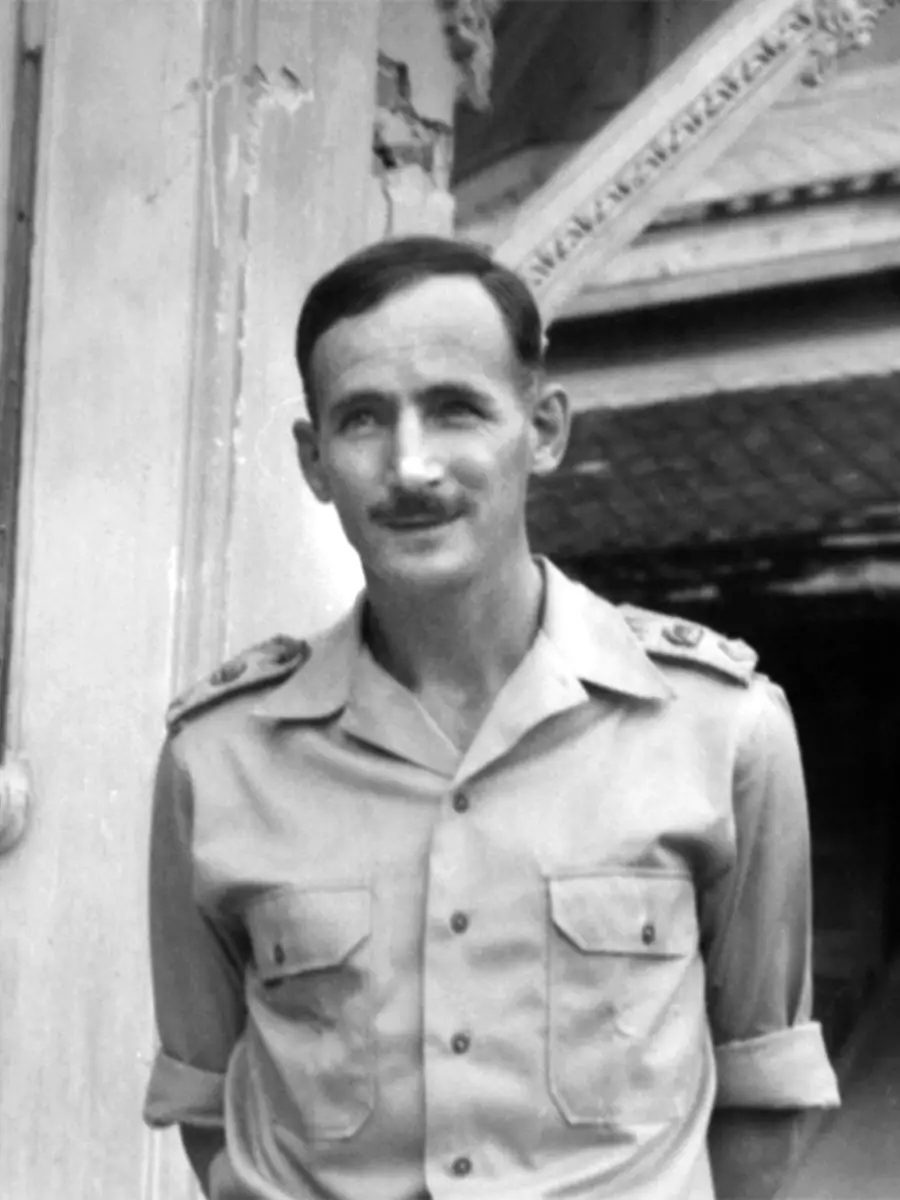
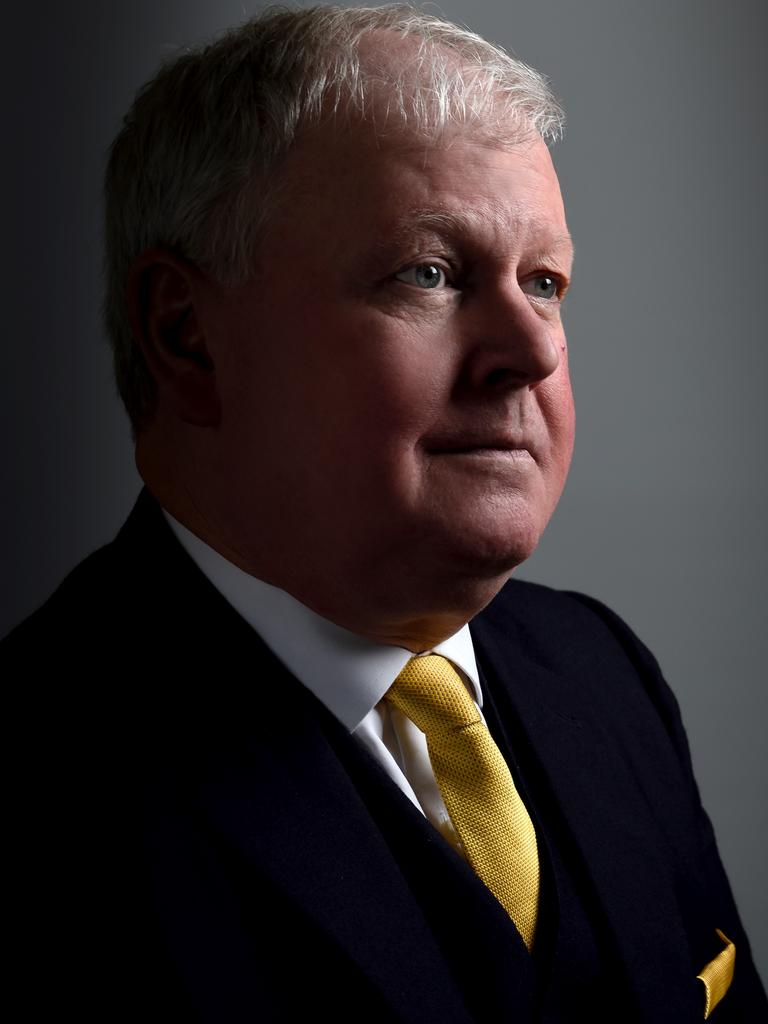
Dr John Fahey. Photography by The Herald Sun.
Explore Dr John Fahey's work
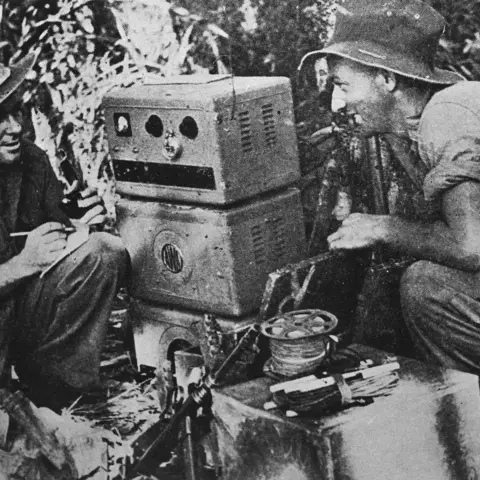
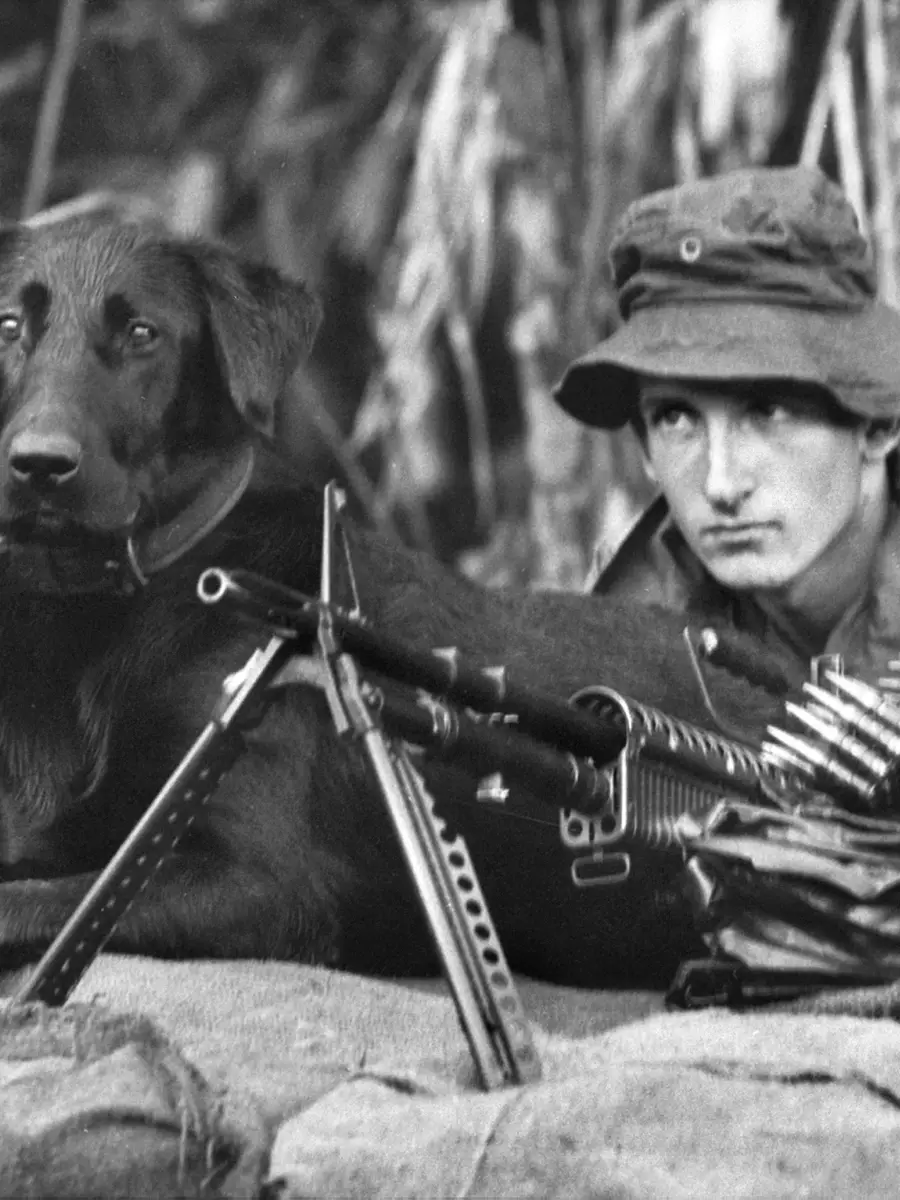
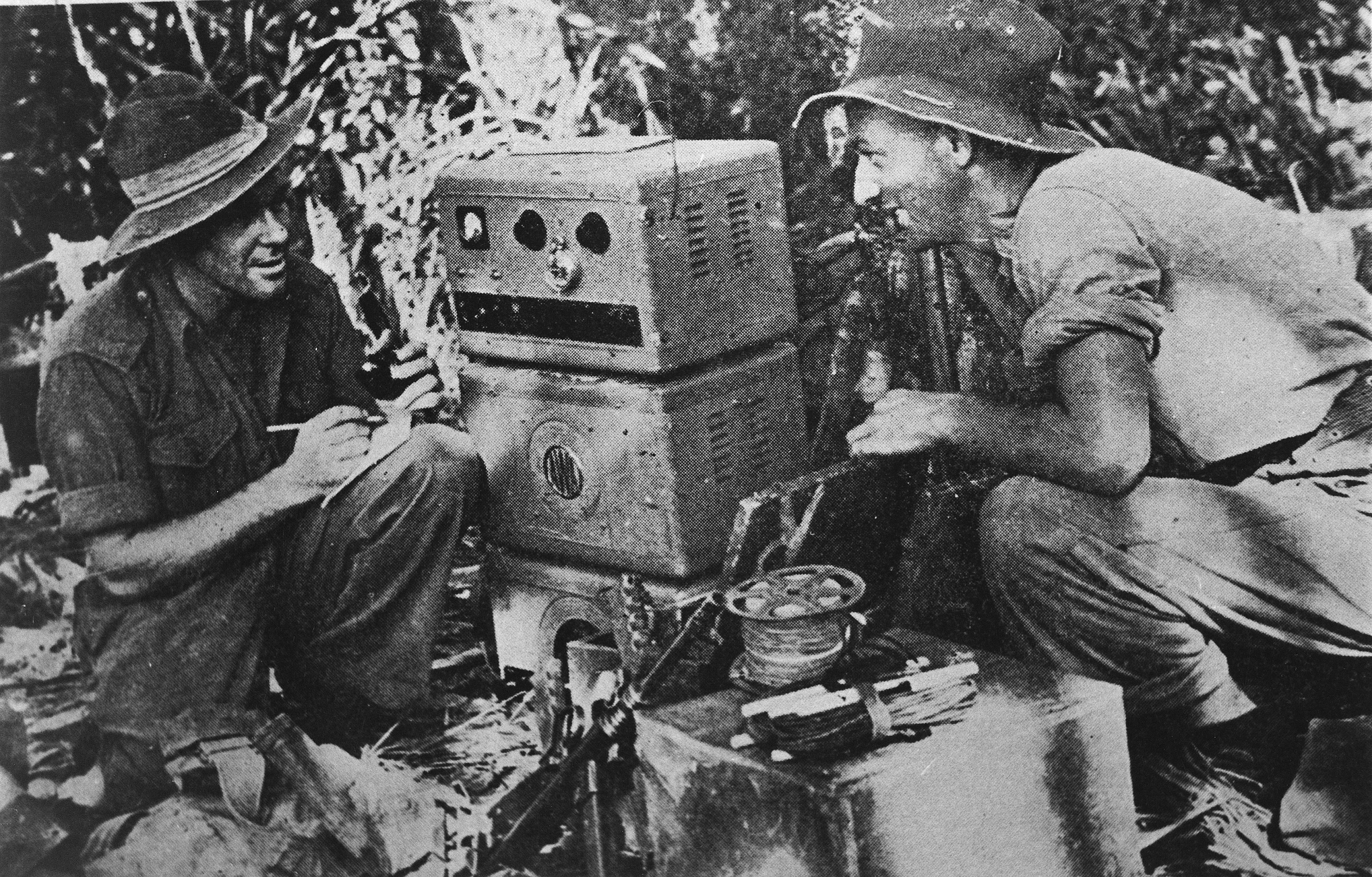
Sergeant Frank J Parmiter of Coburg, Vic, and Corporal Ivan G Pritchard, of Kensington, NSW, spotters with the New Guinea Air Warning Wireless Company (NGAWW).
Explore stories of Coastwatchers
- Read Michael Veitch's Australia’s Secret Army
- Explore the story of Arthur Reginald Evans and the rescue of J.F.K.: How could I know he would become President of the United States?
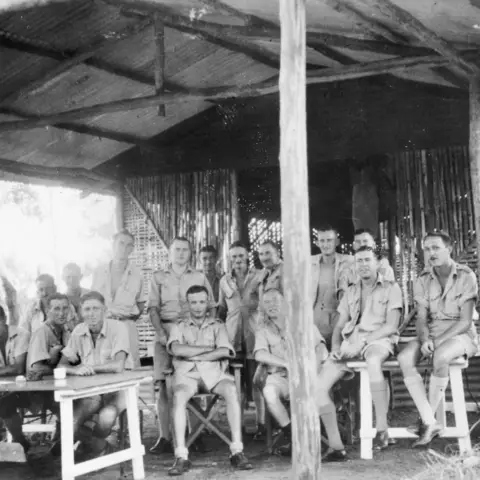
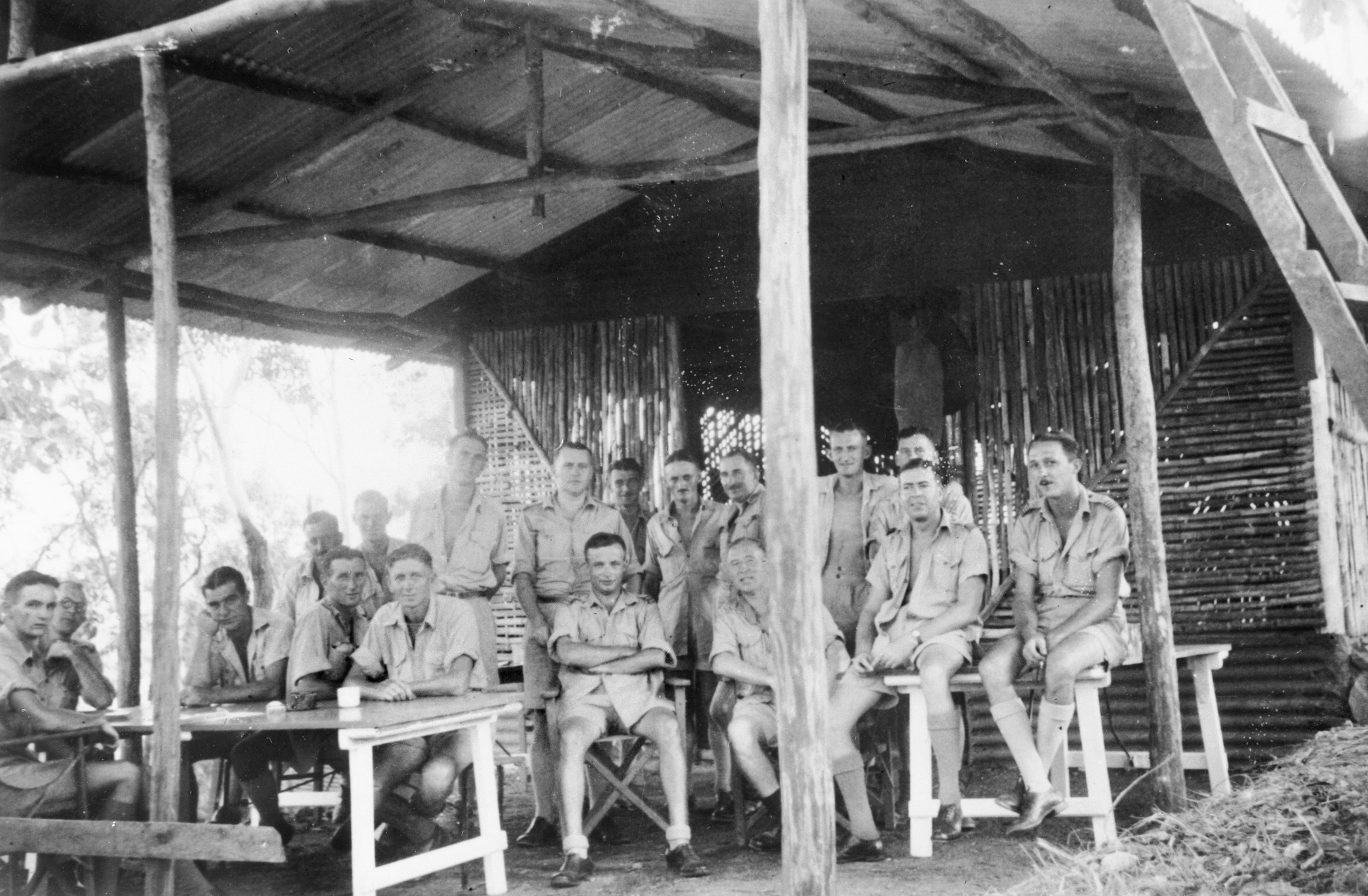
Group portrait of Officers and Non Commissioned Officers of No. 2 Wireless Unit Raaf. This was an ultra secret intelligence unit attached to the Central Bureau of Intelligence.
Explore the stories of ULTRA intelligence
- View the people of the Central Bureau of Intelligence
- Read about the Battles of El Alamein
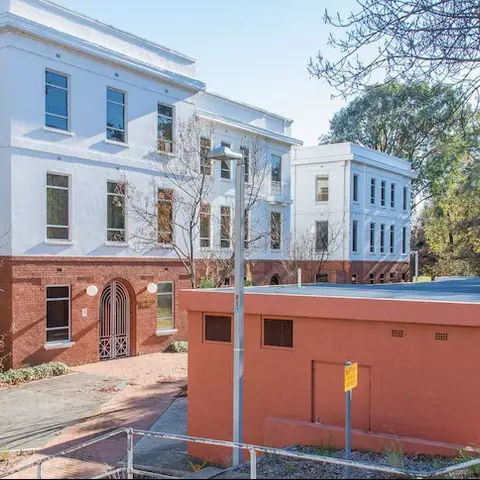
The Bunker, as it was known, housed the prime minister's cables department
Explore Canberra Codebreakers' story
- Discover She Shapes History, Women’s Walking Tours
- Read the ABC's article on The Bunker: Canberra's WWII top secret cables department now a bike shed
- Visit the Australian Signals Directorate's website to learn more about the Typex Machine

Craig Collie, one of Australia's leading writers of military history and the author of Major Hashida's Notebook.
Explore the story of Major Sei Hashida
- Unearth the mystery of Japanese military intelligence officer Major Sei Hashida in Craig Collie's Major Hashida's Notebook
Voices
- Craig Tibbitts
Senior Historian, Military History, Australian War Memorial - Alice (Ali) Sharman
A former teacher, she has taught English at home and abroad. She is now a PhD candidate at Keele University, researching how literature is influenced by periods of crisis, freelance writer and, author of The Gestapo's Most Wanted: The White Mouse - Michael Veitch
Michael Veitch is well known as an author, actor and former ABC television and radio presenter. His books include the critically acclaimed accounts of Australian airmen in the Second World War including 44 Days, Heroes of the Skies, Fly, Flak, Barney Greatrex, Turning Point and The Battle of the Bismarck Sea. - Craig Collie
Australia's leading writers of military history and the author of the critically acclaimed The Path of Infinite Sorrow, Nagasaki, The Reporter and more. Craig has a special interest in Japanese–Australian history and formerly worked as a TV producer–director, including as Head of Television Production at SBS. - Sita Sargeant
CEO and Founder of She Shapes History - Dr John Fahey
Dr John Fahey worked at Defence Signals Directorate and served in regimental and intelligence postings in the British and Australian armies. He is an Honorary Fellow of the Department of Security Studies and Criminology at Macquarie University and the author of Australia's First Spies.

About the host
John Barrington
John is the host of Through Their Eyes. Drawing on his experience presenting and reporting for 3RRR Melbourne, Good Shout Stories, triple j HACK, ABC Radio and The Project, he brings a fresh perspective to Australian War Memorial storytelling, connecting you with the people and experiences behind Australia’s military history, inspired by his father's Second World War service. As your guide through the podcast, John helps reveal the human stories and overlooked perspectives, making history accessible and relevant.