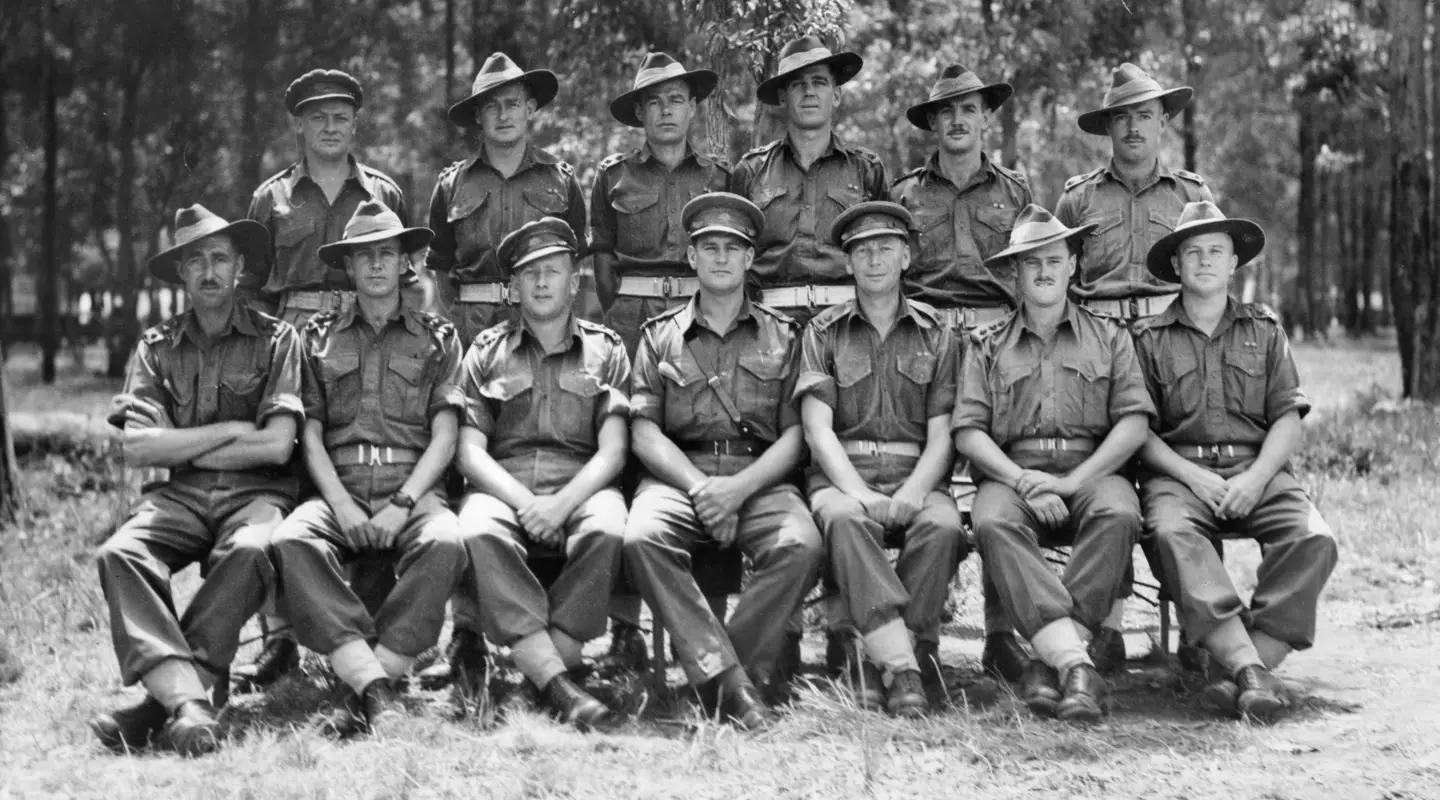
Why do some heroes become legends while others are forgotten? Through the stories of extraordinary Australians, this episode explores why history remembers some acts of courage, while equally remarkable lives quietly fade from our national memory.
This episode was brought to you by Leidos Australia.
An Australian War Memorial Official Podcast.
John Barrington:
Through Their Eyes shares real-life experiences of war, some of which may involve sensitive or distressing subject matter. Themes may include violence, death, trauma and loss.
We aim to share these stories with care and respect, but please take your wellbeing into account while listening. If you need support at any time, visit our show notes for resources.
The Australian War Memorial acknowledges the traditional custodians of Country throughout Australia. We recognise their continuing connection to land, sea and waters. We pay our respect to Elders past and present.
We also acknowledge the veterans who have served, those that are still serving; and the families that love and support them.
This episode is brought to you through the support of Leidos Australia.
Archival Audio:
In November, as plans for a combined assault on Buna were put in train. The Yanks would have to put up or shut up. Their objectives were in the area of Buna. The Australians were to take Gona and Sanananda. Between them, as a sort of boundary, was the Girua River.
The Japanese prepared a Tobruk-like defence. Determined not to lose their toehold in the area, reinforcements were brought in and by mid-November 9,000 men were dug in along a 12-mile front.
Hugh Dalby (Archival):
The whole area really was criss crossed with defensive positions. You could go. You had their guns placed so that they could fire to protect one another. And I don’t think that I’ve counted, or I know damn well I didn’t count up how many Japs we bloody well killed, but we killed quite a few.
John Barrington:
That voice belonged to Lieutenant Hugh Dalby, remembering the fighting at Gona in New Guinea during the Second World War. Dalby was decorated for his service, but today, few Australians would recognise his name. And he is far from alone. History remembers some names easily.
The generals, the aces, the Victoria Cross recipients. These stories appear in books, documentaries and school lessons, and their names become part of our national memory. But history is full of people who never became well known– it’s shaped by countless men and women whose courage was no less remarkable, inspiring, and important, but whose stories slipped quietly into the background. Their stories reveal something important about history itself. Not just who we remember, but why?
My name is John Barrington, and these are the stories of just some of Australia's unsung heroes. People whose extraordinary actions have been forgotten, overlooked, or known only to a handful of historians, family members, or the mates they served with.
War has never been a tidy business. Battles unfold amid confusion, noise and fear. Under those conditions it is understandable that not every brave act is witnessed, and not every witnessed act is reported.
Some of the most remarkable acts performed in combat may never be known about, or they may leave only the faintest trace in the historical record. Surviving in a diary entry or a recollection written years later or a passing reference that hints at something much larger. One such account comes from the First World War. It was recorded by Sergeant Arthur Matthews, who witnessed an act of courage so extraordinary, and so costly, that he later described it in his diary.
In the opening months of 1917, Australian troops were advancing through northern France. The Germans had withdrawn to a new defensive system known as the Hindenburg Line, shortening and strengthening their front while devastating towns and villages as they retreated.
As Australian soldiers pushed forward through the shattered countryside, they met determined resistance from German rearguard positions established to slow the Allied advance as the army withdrew to the Hindenburg Line. Every advance came at a cost. One such action took place near the village of Hermies in April 1917.
There, according to Matthews, Australian troops came under devastating machine-gun fire. Machine guns were among the most feared weapons of the First World War. A single gun could fire hundreds of rounds a minute, cutting down advancing soldiers before they had a chance to reach enemy positions. Against troops moving across open ground, they were deadly.
Matthews later wrote-
Anthony Fitzergerald as Arthur Matthews:
There were two machine guns directly in front of us that were making terrific havoc of our second and third waves.
John Barrington:
The attack had stalled. The German machine guns had found their range. The Australian platoon in front of them had been completely devastated. According to Matthews' account, a small group of Australians decided to act.
Anthony Fitzergerald as Arthur Matthews:
A lance corporal rushed one gun and a sergeant and subaltern made charge for the other. To rush a machine gun from fifty yards is certain death.
John Barrington:
Machine guns were always placed where they could inflict the most damage to an attacking force. They needed a clear line of sight, so the area in front of them typically didn't have much in the way of cover. Matthews watched on as the men ran towards one of the machine-gun positions.
Anthony Fitzergerald as Arthur Matthews:
The sergeant was hit in the knees at twenty yards and fell. He struggled to his knees and attempted to go forward, but the gun got a direct line on him and he fell with his head riddled with bullets.
John Barrington:
The attack could easily have ended there. Instead, the officer kept moving. Alone, he continued his charge towards the machine-gun emplacement.
Anthony Fitzergerald as Arthur Matthews:
The officer kept going until he was within ten yards when he dropped a bomb right into the machine gun emplacement and continued his rush. The bomb killed two of the gunners and wounded a third but the fourth man continued working his gun.
John Barrington:
Even then, the officer pressed on.
Anthony Fitzergerald as Arthur Matthews:
And the officer fell right across the machine gun riddled with bullets, and as he fell, he wounded the remaining gunner with his revolver.
These descriptions of courage are the type found on medal citations for gallantry, but in the fray of battle it was never clear who exactly these men were. Matthews was not in a position to identify them. We know that 10 lieutenants and 10 sergeants died that day, which of those performed that brave act we do not know.
John Barrington:
Perhaps their heroism was not recorded because there were too few surviving witnesses, or perhaps the confusion of battle simply overwhelmed the process. But the truth is that we don't know. What we do know is that Matthews never forgot what he saw, and that this story of courage survives because one witness carried the memory of that day long enough to write it down. The First World War produced countless heroes.
Some became household names, while others, like the men remembered by Arthur Matthews, survive only as fleeting shadows in the historical record.
Yet obscurity is not always the result of being overlooked in the moment. Sometimes a person's courage is recognised, celebrated and widely mourned, only for their story to gradually fade with the passing of time.
Lieutenant Gideon Grieve was one such man. More than a century ago, Grieve was one of Australia's most well-known soldiers, but today his name is rarely remembered. Curator of Military Heraldry and Technology, Cameron Ross has researched Gideon’s story.
Cameron Ross:
Lieutenant Gideon Grieve was one of the most promising and respected junior officers in the New South Wales military forces when he was killed in South Africa in February 1900. So popular was he within the Sydney community that the memorial service that was held for him on the 4th of March had to be moved to the Sydney Town Hall to accommodate the more than 6,000 people who gathered to commemorate him. Among the crowd were the New South Wales Premier, the Commandant of the New South Wales Military Forces, and George Reid, the future Prime Minister of Australia.
Grieve was born in Scotland and migrated to New South Wales in 1885, where he quickly joined the local military forces. Commissioned in 1895, he was selected as one of the first four men to serve as special service officers at the outbreak of the South African War in 1899. These officers were to gain some valuable combat and command experience within the British Army that could then be used to help develop the New South Wales forces. Arriving in Cape Town in early December, he was quickly made a railway communications staff officer. He made the most of the role, but it was with the frontline units he wanted to be.
He didn't have to wait long for his opportunity, though. The Highland Brigade had suffered horrible casualties at the disastrous Battle of Magersfontein on the 11th of December, and they were desperate for replacement officers. Being Scottish born, Grieve was quickly given command of T Company, 2nd Battalion, Black Watch. It didn't take long for Grieve to show his courage and leadership skills.
On the 7th of February at Koodoosberg, he assisted with repairing earthworks under fire, with shrapnel at one point even going through his field glasses. For his bravery, he was awarded a mention in despatches. While under fire he was able to remain cool and collected.
Grieve was now part of a British force of some 37,000 men, facing a Boer force of less than 5,000 across the Modder River. British cavalry, supported by cavalry from New South Wales, relieved the besieged town of Kimberley and convinced the Boer General Piet Cronjé to dig in and allow himself to be surrounded at Paardeberg Drift.
On the 18th of February, in what became known as Bloody Sunday, the British launched a frontal assault over open terrain in an attempt to defeat the Boer army quickly and forego a slow siege. It was a disaster and they suffered heavy casualties. Of the 652 men of the 2nd Battalion Black Watch, 108 were killed or wounded in their futile assault on the Boers' southern positions. Grieve had continued to demonstrate his coolness under fire as he commanded his company through the initial attack. Eventually he was wounded himself, but when he saw one of his men was severely wounded and exposed, he didn't hesitate to run forward and try to bring the man to safety. The fire was too heavy, though. Grieve was hit another two times and both men were killed.
The death of Grieve was felt heavily in New South Wales. He was a widely known and respected figure in the colony. Flags were flown at half-mast in the Watsons Bay area and at Victoria Barracks in Sydney, while hundreds of condolence cards were sent to his family, including from the Governor in New South Wales. One letter would have stood out for the family. Written soon after arriving and handed over to an Australian chaplain who was charged with sending it to his wife if he was killed, the letter was short but poignant:
Lenny Preston as Gideon Grieve:
“My dear Pitt. Neither you nor I knew myself before this campaign. I can go into action, and my brain is at work all the time, as quiet and orderly as if I was at home, sitting, yarning to you.
"I thought you'd like to know that my very last thoughts would have you and my dear, dear children. I die loving you, as no woman ever was loved.
"Forgive me any wrong I ever caused. You teach the children to think of me as dying in the service of the nation. No man can die a better death. Goodbye, my own heart, darlings."
Cameron Ross:
Within a year of his death, enough money had been raised within the community to erect a memorial to Grieve in Gap Park in Watsons Bay and another at Scots Church in Sydney. Although memory of Grieve within the community has largely faded away, the monuments that were erected to commemorate him still stand.
John Barrington:
The stories of heroism that endure are not always determined by courage alone. Sometimes they are shaped by where a battle was fought, what journalists were able to report, or which events captured the public imagination at the time. The reality is that recognition can depend as much on circumstance as achievement.
Fought in New Guinea during the Second World War, the Kokoda campaign became the one of the most well-known battles in Australia's history. But there were other hard-fought battles fought in equally difficult conditions that have received far less attention over the decades. Head of Military History at the AWM, Dr Karl James, joins us to explain the Battle of the Beachheads: Buna, Gona and Sanananda.
Dr Karl James:
So 1942 is really that critical year in the war in the Pacific. At the very start of the year, we had those terrible defeats, with the fall of Singapore, Darwin coming under attack, and the Japanese occupying Rabaul and parts of New Guinea. During the middle part of the year too, you have the Allies and the Japanese really fighting for control of Papua New Guinea and the South-West Pacific area.
And by the end of 1942, the Australians and then the Americans were surrounding and encircling the Japanese enclaves at Buna, Gona and Sanananda.
The Japanese enclaves were the key foothold of the Japanese in Papua. In July, a force had been sent out across the Owen Stanley Range to try to get to Port Moresby. The Japanese there were paused, and then from September the Japanese withdrew back across the mountains, back towards the enclaves of Buna, Gona and Sanananda.
Those first battles were really fought in the hope that the Allies would be able to take the Japanese quickly. The Japanese, however, had had six months to prepare their defensive positions around Buna, Gona and Sanananda, very fierce defensive positions. And they continued to reinforce those positions too, because the Japanese wanted to keep their enclave in Papua.
Meanwhile, the Allies were under pressure to try to destroy these areas very quickly and very rapidly. The Japanese had created a fortified defensive perimeter. In total it was about 18 kilometres long, and because they arrived first, they had the advantage of picking the best ground, and they picked the high ground. The high ground is important because it was dry. Those northern areas of Papua had lots of rivers, lots of creeks, lots of swamps and were very boggy. So the Japanese had the advantage of picking the ground, creating those defensive positions. These were trenches. Some areas had barbed wire. There were interconnecting series of bunkers, and each bunker was able to provide protecting fire for another feature.
Imagine a very strong German defensive position on the Western Front, and then superimpose that into the Pacific context. So rather than concrete, you have timber overhead bunkers, trenches, slit trenches, lots of machine guns, mortars and anti-tank weapons.
Those positions that the Australians, and then later on the Americans, were trying to crack were very difficult to break into, which is partly why the Allied casualties were so high. You also see a lot of Japanese snipers in the trees. So, this was going to be a ferocious battle in very difficult conditions. Now for the Australians, particularly those first troops who had already made their way across the Owen Stanley Range, you know, the sickness, the disease they suffered, the battle casualties, and while they had fought very well in the mountains, once they moved into those beachhead areas the conditions were totally different.
They're now moving in, fighting against entrenched Japanese positions. The Japanese had firing lines and very well-covered, camouflaged positions, so often Australian troops, and even the light weapons, couldn't see the enemy. They didn't know where the enemy rounds were coming from. There were Japanese snipers in the trees.
It's incredibly brutal. It's also constantly wet. It's very hot, with very high humidity. Very quickly, the Australians, and the Americans as well, became very sick. Malaria became rife, and you have other tropical diseases such as scrub typhus. So, it is a physically gruelling campaign. The conditions are brutal, the enemy is ferocious, and this is going to be a campaign of extermination.
John Barrington:
Among those who served at Gona was the voice who we heard at the beginning of this episode, Lieutenant Hugh Dalby. Dalby had already seen service in North Africa before becoming an officer and serving in New Guinea. There, he led men through some of the most brutal conditions Australian soldiers experienced during the Second World War.
Archival Audio:
Fought mainly in darkness or in blinding rain… the muck was often knee-deep.
John Barrington:
This was a documentary film made in 1976 called “The Tide Turns, Australians at War”, which describes the battles of Buna, Gona and Sanananda. For Dalby, Gona left its own vivid memories.
Hugh Dalby:
I recall Gona as a place of purification, horrible smells. Japs had that, you, if you were killed well they’d push you out of the road and that’s about as far as they could go, just to push you out of the road. This was at Gona West. Another bloke would come in and sit and he’d be sat on top of you and you could be decomposing.
John Barrington:
And in the dense vegetation, the enemy could be almost impossible to see.
Hugh Dalby:
I went round to visit one of my section commanders, when a shot rang out and my bloody Section Commander let out an almighty yell. When he fired, he moved. And when you move at that close range, it is fatal. I shot at him… because I saw the movement … his face was muddy … he had no shiny spots … his hands were the same … the only thing that could give him away was movement.
John Barrington:
By the time Dalby and his men were preparing to attack Gona, other Australian units had already suffered heavily trying to break through the Japanese defences.
Dalby remembered what hearing about those losses began to do to the men who knew they would be going in next.
Hugh Dalby:
When you talked to the survivors of some of these attacks of the 21st Brigade, the fellas that we knew, and then committed to attacking Gona, I think a certain amount of fatalism started to enter into your mind. Because you had no bloody show, you were going to be killed, so bloody kill as many bloody Japs as you could before you were killed.
John Barrington:
But this time, the attack would have proper artillery support. Dalby and his men would follow the onslaught as closely as they could, accepting the danger of their own weapons to reach the Japanese positions before the defenders could recover.
Hugh Dalby:
The artillery bombardment was accurate, and it gave us the opportunity to get right up underneath it. We at least knew that it was safer to risk the artillery shells than it was to be too far away from the Japanese when the artillery barrage opened. So, we got in amongst the Japanese while the shells were still exploding from the defended area.
John Barrington:
For Dalby, leading an attack meant exactly that – leading it.
Hugh Dalby:
You've got to remember it was pretty close warfare. There wasn't room to manoeuvre beautifully like you could in the desert or Syria. I'd say that unless the platoon commander and the section commanders were of a mind to charge in, well how do you expect the troops to? You've got to lead by example. So really there was no set formation as far as I was concerned. We got in a reasonably straight line, the two forward platoons, and we charged straight in at the Japanese. We had to get in amongst them whilst the artillery was firing.
Hugh Dalby:
I said, you bloody bastards, let’s go!
Hugh Dalby:
I reckon the first gun that I ran into, I ran practically as soon as the last shell exploded, I was on top of just about this thing. I started shooting and the bloke on the left, the bloke on the right and everybody else got into the gunfight.”
John Barrington:
Dalby survived Gona and continued to serve. He later transferred to the 2/14th Battalion and took part in the landings at Balikpapan in 1945. For his leadership and courage in New Guinea between October 1942 and January 1943, he was awarded the Military Cross. And although Dalby’s courage was recognised, his name is far less familiar, just like the battles at Buna and Gona themselves.
Dr Karl James:
I dare say that the actions of Buna, Gona and Sanananda have really faded in time. Kokoda and the Kokoda Trail is the name that still dominates. Whereas while people may be familiar with hearing Buna, Gona and Sanananda, I don't think it really resonates with people today in the way that it once did.
Partly, I think, it's because these actions themselves are quite complicated. You had three separate campaigns, or three separate battles, being fought on the northern beaches. It's also possibly because, unlike Kokoda, which was largely an Australian story, once you move into Buna and the beachhead battles, you're also operating with the Americans. So you have that complexity of it no longer being just an Australian story. And I think too, because in some ways, even though you have very high casualties and very high sickness rates, it's lost the perceived drama, I suspect, of the Kokoda campaign.
John Barrington:
What remains is Dalby’s own voice, recorded decades later, describing what it took to lead men into a battle where survival could seem almost impossible. Like so many heroes, Dalby returned to his civilian life, having never expected or sort fame, just wanting to do his bit. His military cross was a recognition from a grateful nation for his achievements. His story may not have been widely known, but it was never forgotten, particularly by the men who were there with him.
John Barrington:
Many of Australia’s battlefield commanders became household names. You can see their memory kept alive in the streets, parks and buildings named after them. But even extraordinary achievement doesn’t guarantee a lasting place in history. Some of Australia’s most decorated and respected soldiers were celebrated in their time, yet now, their names are only known by those who study history. Lieutenant Colonel Norman Marshall was one of them.
Today, his name may be unfamiliar, but during the First World War, Marshall was a fearless front-line commander and a leader whose courage became the stuff of legend among the men he served with. Cameron Ross tells us his story.
Cameron Ross:
The son of a Presbyterian minister, Norman Marshall came to Australia from Scotland when he was only two years old.
He was working as a paper mill manager when he enlisted a few days after the outbreak of the First World War. Unlikely to have ever considered a military life, he quickly adapted to it and thrived under the strains of battle.
Marshall started as a private in the 5th Battalion, but quickly moved through the ranks and was commissioned in the field three days after the battalion landed at Gallipoli.
While on the peninsula, he showed himself to be a fearless leader and was awarded the Military Cross at Corinthia. He showed his ingenuity at the Battle of Lone Pine when he destroyed a Turkish sniper’s post through the novel idea of strapping eight slabs of gun cotton to a paddle of wood and using it as a hairbrush bomb.
After Gallipoli, he was promoted to major and given command of a company in the newly formed 57th Battalion. Their first action was at Fromelles in July 1916. Although held in reserve, the battalion still suffered heavily in what was Australia’s worst 24 hours.
In the aftermath of the battle, Marshall led rescue parties into no man’s land under fire to find wounded.
In April 1917, he was promoted to lieutenant colonel and given command of the 60th Battalion. He led his battalion through the battles of Second Bullecourt and Polygon Wood, where he personally led men through some of the heaviest fighting.
When Brigadier General Elliott ordered his battalion to attack the strong point known as Cameron House, he didn’t hesitate to organise and lead the attack himself.
Lieutenant Doughty Barnes said of Marshall during the battle: “Throughout the fight, Marshall wandered around, dressed in his usual khaki shirt and short sleeves, and though hell seemed to be let loose, he was as happy as a schoolboy.”
For his leadership and bravery at Polygon Wood, he was awarded his first Distinguished Service Order. He was again awarded the Distinguished Service Order for his command during the Second Battle of Villers-Bretonneux, where he played an integral role in the success of the battle and inspired his men by walking up and down his lines with complete disregard for his own safety, to encourage them.
Charles Bean said of Marshall that day: “It was he who took hold and for the rest of the night controlled more than any other man the 15th Brigade’s part in the operation.”
At Péronne, he would earn a third Distinguished Service Order, the only Australian officer to do so. Now commanding the 54th Battalion, they played a crucial role in capturing the city, and Marshall personally organised some of the attacks that would lead to the battalion capturing over 600 prisoners.
Men like Norman Marshall are crucial in any army. They excel in combat, maintaining an uncanny, cool head, and show a complete disregard for their personal safety, which inspires all those around them.
Imagine you’re a 21-year-old soldier. You’re anxious, you’re confused, and you’re overwhelmed. But there is your battalion commander. He’s walking around nonchalant, only in his short-sleeve shirt, seemingly without fear.
He’s calm. He’s completely in control of his senses. He knows exactly what needs to be done and how to do it. And not only that, he isn’t going to shy away from doing it himself.
That is the sort of leadership that will often turn the tide of battle.
Charles Bean put it quite succinctly when he said: “The mere knowledge that Norman Marshall was in charge would give confidence to all Australians who were aware of that fact.”
Marshall volunteered to fight again in the Second World War. He was promoted to brigadier and given command of the 27th Brigade, but he had to relinquish command before the brigade was sent to Malaya due to ill health. He died in Melbourne on the 12th of December 1942.
John Barrington:
Today, Lieutenant Colonel Norman Marshall’s medals are held in the Australian War Memorial's National Collection. They tell the story of a man whose courage and leadership were recognised time and again on some of the First World War's most fiercely contested battlefields.
They also remind us that recognition and remembrance are not always the same thing. Norman Marshall is one of Australia’s most decorated battlefield commanders, yet today his name is little known. Perhaps that is what makes him an unsung hero: not that his achievements were overlooked at the time, but that history eventually chose to remember others more clearly.
The stories we've heard so far have been about people who were gradually forgotten to our collective memory. But for most of the stories held at the Memorial, the most important memories to keep alive are the ones held by families and friends of those who served.
For many veterans, including those who have served recently, wartime service is not something they speak about in detail when they return home. Some people want to move forward with their lives, while others struggle to put their experiences into words. In many families, significant chapters of a person's life are discussed only briefly or not at all, with the acts of heroism often glossed over as a byproduct of our ‘tall-poppy’ culture. As the years pass, memories fade, photographs lose their context, and important stories become increasingly difficult to recover.
For Shan Trethewey, those unanswered questions centred on her father, Lieutenant Donald Graham Healey. Healey's service record tells the story of a courageous and capable officer. Yet for much of Shan's life, the details of that story remained largely unknown.
Today, with the help of Military Historian Michael Kelly and material preserved in the Australian War Memorial collection, she is discovering more about her father's wartime service and, perhaps, about the man himself.
Shan Tretheway:
Well, he was born in Sydney-
Michael Kelly:
And his dad and mum moved down to Wagga?
Shan Tretheway:
Wagga, yeah.
Michael Kelly:
But it looks like he signed up in the militia before the war, in 1936. So, he’s already serving prior to—
Shan Tretheway:
Didn’t know that either. All I knew was he enlisted in 1939.
Michael Kelly:
Yeah. So he’s November 1939 and gets away with the Second Force.
Shan Tretheway:
Service sort of thing, sort of like a reserve type?
Michael Kelly:
Yeah, the CMF.
Shan Tretheway:
CMF, right.
Michael Kelly:
They all had that commitment to service prior to the war and would have done it for three or four years. And then straight into war service. He enlists in the ranks initially and then is commissioned in 1942. There’s one of his reports from when he was doing his intelligence officer’s course. There’s a couple of funny lines. This is his confidential report, so it’s done at the School of Military Intelligence. He’s got 67 per cent qualification.
Shan Tretheway:
Is that all?
Michael Kelly:
And there’s a reason: “Sound knowledge, but inclined to be impulsive. Needs more coordination of thought and balance.” So essentially, “A fine man capable of good work, is his own worst enemy and should cultivate more tolerance.”
That’s probably why he got 67 per cent. It sounds like he’s a pretty keen being, but you can also see that’s probably what led him to be courageous in the front lines as well.
So, yeah, the citation for his Military Cross is unbelievable.
Shan Tretheway:
Yeah, yeah.
John Barrington:
On 21 December 1944 Donald Healey led two sections of 18 Platoon, D company on attack on the Japanese, and for this action he was awarded the Military Cross.
The citation reads 'LIEUTENANT HEALEY as a platoon commander displayed outstanding courage, leadership and initiative in action in the Danmap River Area. After a speedy appreciation, with complete disregard for his own personal safety, he led two sections against thirty enemy. By this action LIEUTENANT HEALEY ensured the safe passage across the Danmap River of a relieving force, who would have undoubtedly suffered heavy casualties.'
Michael Kelly:
And in fact, he had the wherewithal to lead an attack across a river.
Shan Tretheway:
And see, after I finished my midwifery, one of my friends, she was in New Guinea teaching. We went there for a month. We were in, well, outside of Wewak. If I’d known these things then-
Michael Kelly:
Yeah.
Shan Tretheway:
And I could have gone to the site. But anyway-
Michael Kelly:
You could have been walking the ground where it happened. Pretty impressive.
And having that speedy appreciation of what’s going on with the Japanese, forming up to come and attack them – that sort of immediate decision and decisiveness which got him in trouble in the intelligence, but of course stood him in good stead here.
He led two sections of, probably, no more than 20 guys against 30 enemy. So, he’s already outnumbered, and he personally shot four at close range.
John Barrington:
On 5 July 1949, when Shan was just 2 years old, Donald Healey tragically died by suicide. In the years that followed the Second World War, it is apparent that Donald experienced significant mental health challenges. While the precise relationship between his wartime service and his death cannot be known, his experience reflects that of many veterans who struggled with the enduring psychological effects of war.
Under the eligibility rules of the Australian War Memorial's Roll of Honour, the cut-off date for recognising Second World War-related deaths is 30 June 1947. It is likely that many other veterans who carried the burden of wartime trauma also died by suicide or experienced related health impacts in the years that followed, beyond the dates used to define war-related sacrifice.
Shan Tretheway:
So I didn’t find out till I was 15. That he’d taken his own life. I found a newspaper cutting in a book of my grandfather’s: “Brave man who died in the war.” That’s all I knew.
And unfortunately, I was at a Catholic boarding school where suicide–
Michael Kelly:
Yeah.
Shan Tretheway:
Not on. I became very bitter for a while there. I was always very ashamed of not having a father, you know, because all my schoolmates they all had fathers. He must have been, well anyone, I think, who takes their own life has got to be absolutely desperate. And I just you know…
Michael Kelly:
And it looks like he was really trying to make a life for you.
Shan Tretheway:
And he had, obviously, according to one of those articles, spoken, you know, about his problems. But the thing is, no recognition on the Roll of Honour, still. I mean, it’s acute PTSD, whatever way you look at it, and just happened to be outside that parameter.
Michael Kelly:
So your mum never really spoke about your dad?
Shan Tretheway:
No, no. Nobody did. My grandmother just dissolved.
Michael Kelly:
There’s nothing short of cold-blooded bravery from what you can see, just with the Military Cross citation.
But even for a guy who’s come in in ’39 as an enlisted soldier, to then go through the ranks and then become commissioned as well, he’s just got a fair bit about him to make it into that stratosphere as well. And when he’s embarked for overseas service in early 1940, it’s spelt Sarafand. So, he’s done his, armed mortar course, learning how to fire mortars at this particular place. And the reason why they’re up here in Palestine as well – the Egyptians didn’t want the Australians back in Egypt after their reputation from the First World War. So, they were up in Palestine.
Shan Tretheway:
Interestingly, friends and I went and worked in a kibbutz in Israel. And once they knew my father was, you know, in the military, it was just wonderful.
Michael Kelly:
But again, somehow you’re actually in the same area as Dad-
Shan Tretheway:
Yeah.
Which is… Did you know he’d fought in the Middle East?
Shan Tretheway:
I don’t know whether I did at that stage.
Michael Kelly:
To actually know that you’ve followed his footsteps, in a way, with your own travels. That’s pretty cool.
Damien Parer’s actually taken a photograph of him as well.
Shan Tretheway:
Yeah, that’s the one you sent me.
Michael Kelly:
Yeah, it’s a great portrait.
Shan Tretheway:
Yeah, but I never, ever saw a photo of him without the moustache. I’ve only ever seen photos of him with the moustache.
Michael Kelly:
Yeah. He’s gone all Clark Gable.
Shan Tretheway:
Yeah. Well, people have said that he looked like Clark Gable.
Michael Kelly:
Absolutely. It comes across a bit like that as well.
He’s not just sitting … sitting at battalion headquarters. He’s obviously with company, doing reconnaissance work and actually trying to put together a picture of what the Japanese are doing around Wewak.
And at the times, there’s one thing after another after another. Wewak sort of fades into that memory.
Shan Tretheway:
Well, I mean, I’d never heard of it until Jen and I went up there and were staying there. And as for any involvement with the war, because at that stage I didn’t know anything about my father’s service, so interesting.
Michael Kelly:
Yeah. It looks like he’s tried to enlist again briefly in 1948, but has been discharged only a couple of months later.
Shan Tretheway:
I wonder what that sort of suggested. He might have been looking for a career in the-
Michael Kelly:
Potentially, yeah. At this stage the Australians were up in Japan as part of the occupation force.
Shan Tretheway:
Ah-huh.
Michael Kelly:
And he may have been hankering for that life. Obviously steady, steady income. Back with a military system that would have kept him on the straight and narrow.
There’re guys who got back to Australia and demobbed in ’45 or ’46, dropping out and going, “Oh, I miss it,” and jumped back in and gone up. So, there’s so many reasons why, yeah, it’s a small fibre but it tells a lot of a story.
Shan Tretheway:
Yeah.
John Barrington:
For much of Shan's life, her father's wartime service existed only in fragments: a handful of facts, unanswered questions, and the absence left by his early death. Piece by piece, those fragments have been brought together, revealing a story that might otherwise have remained out of reach.
History isn't a complete record of the past. It's a collection of stories that have survived.
Sometimes those stories survive because they were celebrated at the time. Sometimes they survive because a letter was kept, a photograph was preserved, or a family member decided to look a little deeper.
The stories we've shared today remind us that remarkable service was done by far more people than whose names appear in history books. There are countless others whose contributions deserve to be remembered.
Every year, families visit the Australian War Memorial's Research Centre searching for answers about parents, grandparents and relatives they never really knew. Often, the collection helps reveal stories that have remained hidden for generations. Perhaps that's the real lesson of these unsung heroes: there is always more history to discover, and sometimes the story waiting to be found is much closer to home than we realise.
This episode was researched and produced at the Australian War Memorial by Cameron Ross, and featured Dr Karl James, Michael Kelly, Lenny Preston, Anthony Fitzgerald, and Shan Trethewey. Through Their Eyes is made through the support of Leidos Australia.
If you’d like to explore any of these stories further, to listen to the full oral histories, read diaries and letters, or view objects from the Memorial’s collection, you can find links in our show notes.
They fought with extraordinary courage. So why have their names been forgotten?
History remembers some heroes, while others quietly fade from view. Recognition can depend as much on circumstance as achievement, leaving significant acts of service overlooked despite their importance.
In this episode, journey to the brutal battlefields of Buna-Gona with Lieutenant Hugh Dalby, discover the courage of Gideon Grieve and Norman Marshall, and hear a daughter’s discovery of her father’s wartime service, decades after his death, unknown to her all these years.
Featuring historians, family members and oral histories in the Australian War Memorial’s collection, this episode explores how memory is shaped, how remarkable stories can slip from history, and why it’s never too late to rediscover Australia’s unsung heroes.
Collection items and related stories
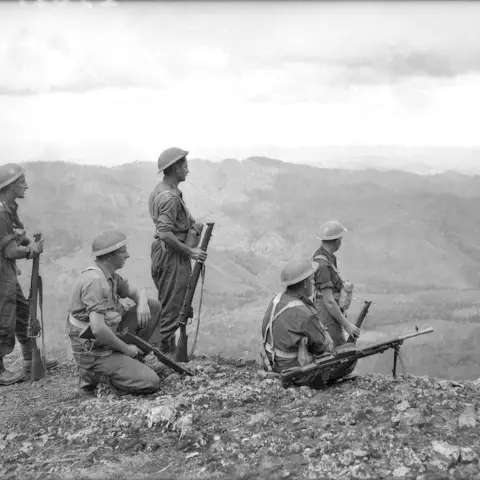
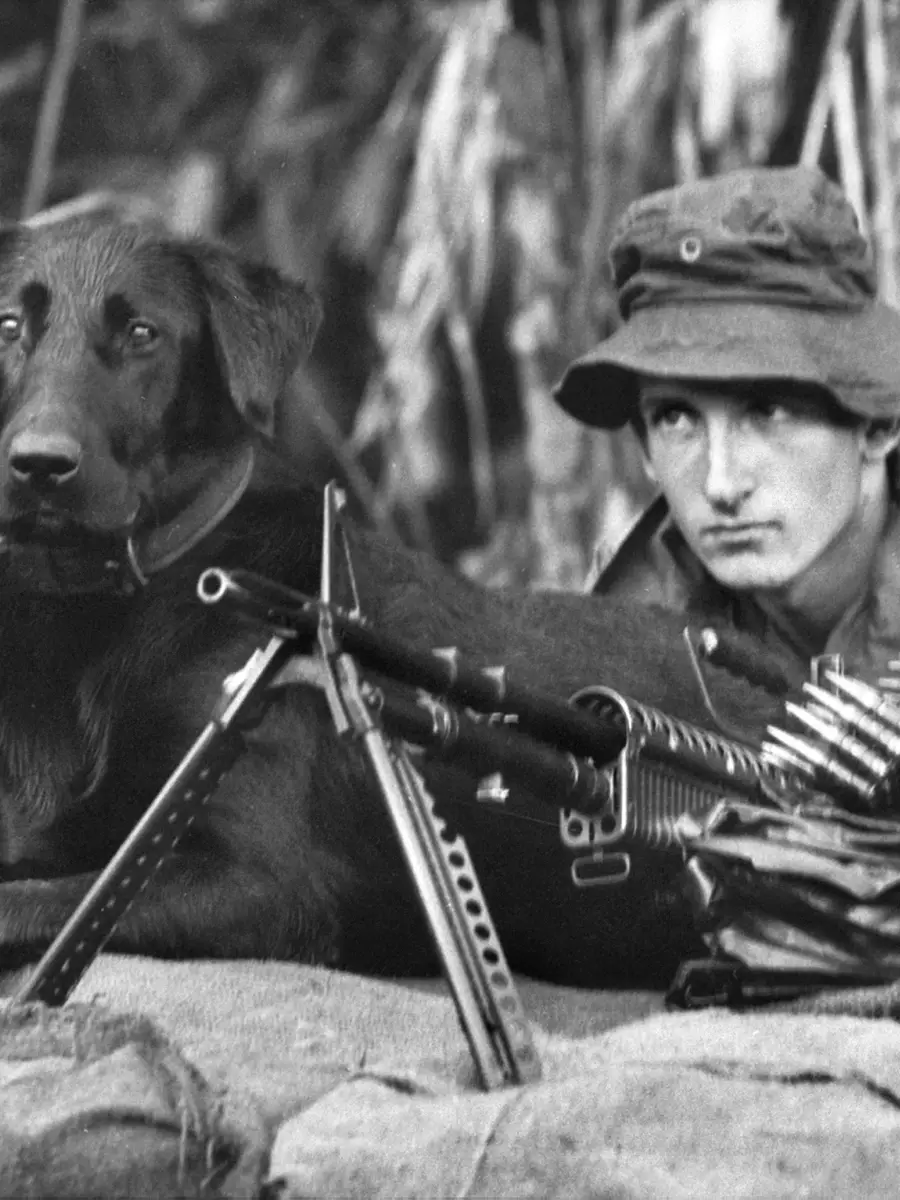
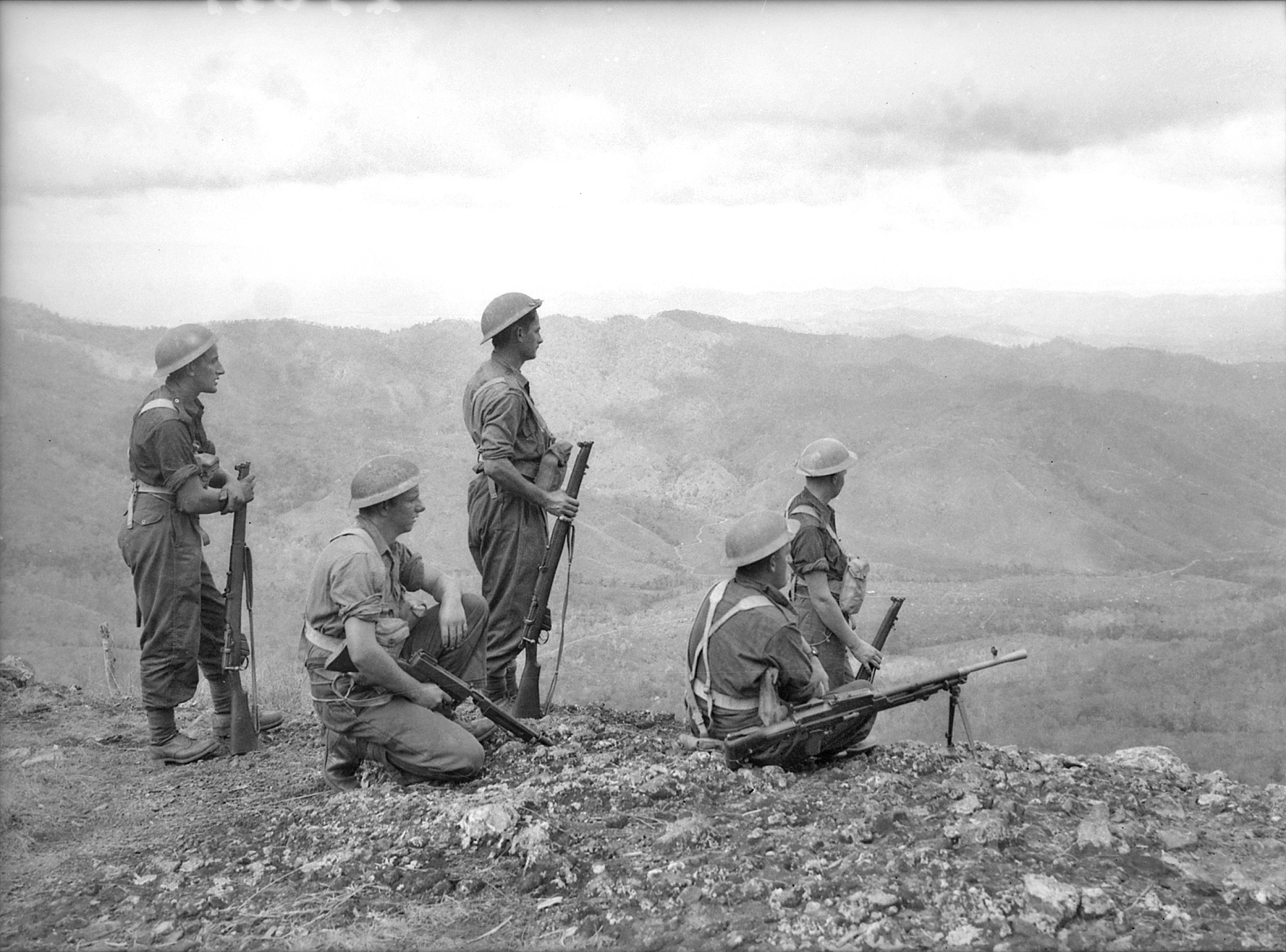
A patrol from the 39th Australian Infantry Battalion looking out over the Uberi Valley.
Explore the collection of Captain Hugh Dalby
- Explore Hugh's oral histories
- See Hugh's service record and recommendation
- Read related information on Buna, Gona and Sanananda through AWM's articles
- View images of Australians in New Guinea, Gona, the burial place of Australians who died in the fighting for Gona village
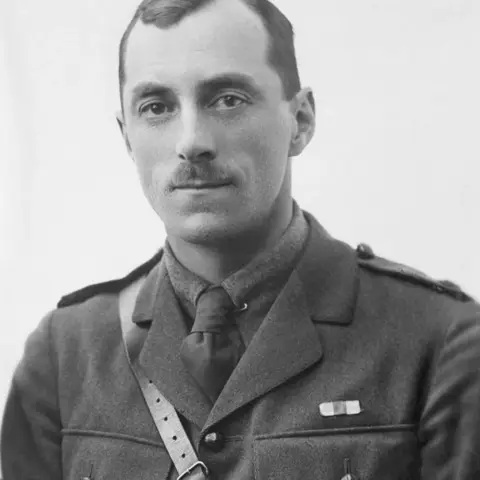
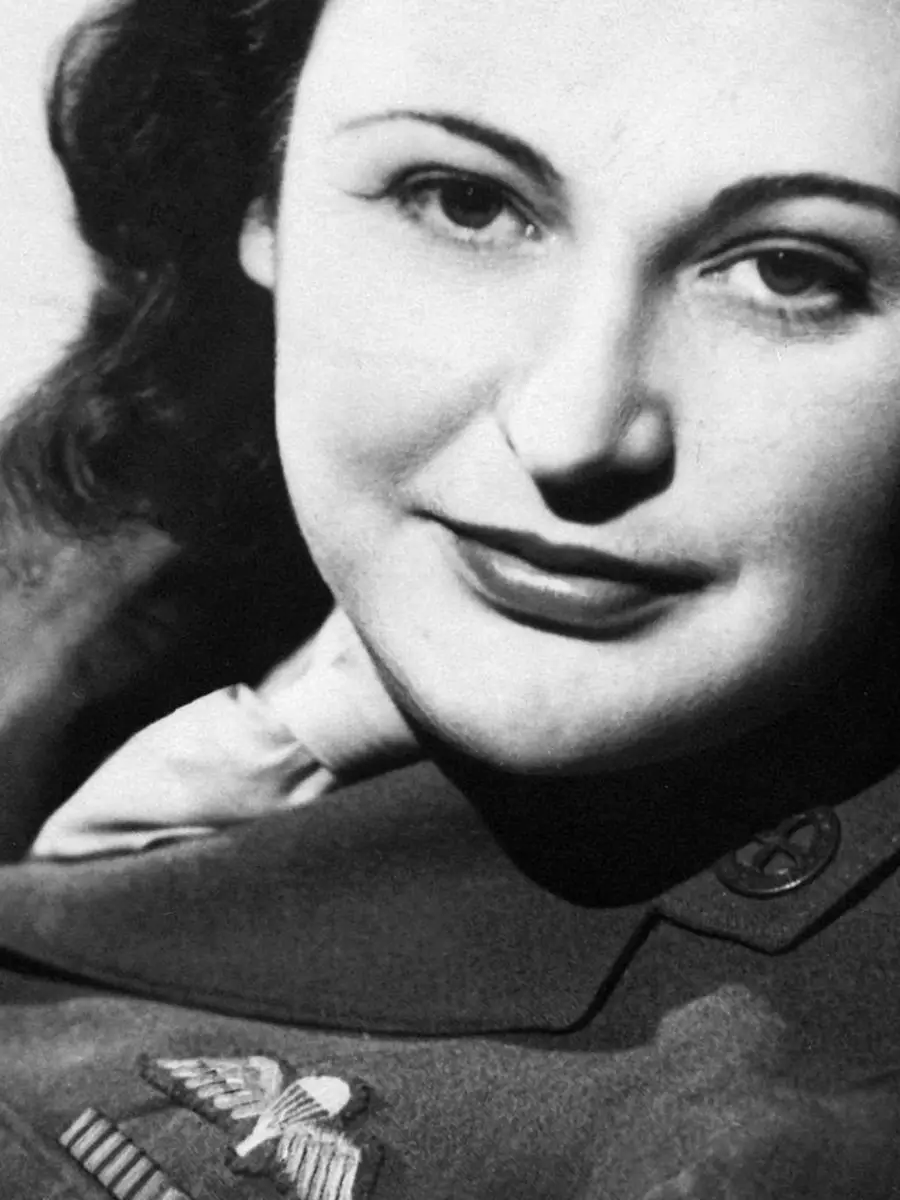
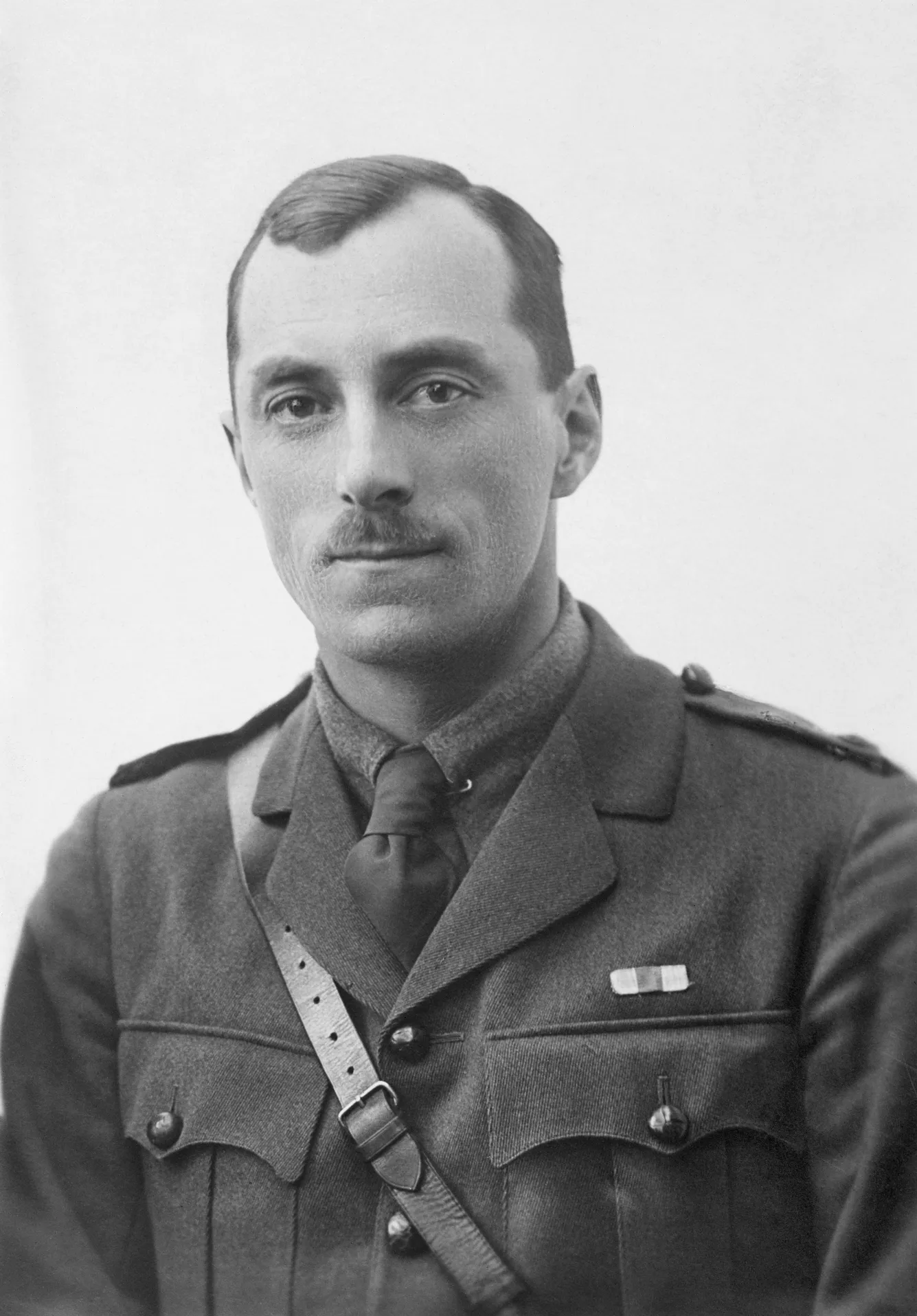
Portrait of Lieutenant Colonel Norman Marshall DSO MC and Bar and Second Bar to DSO of the 56th Battalion
Explore the collection of Lieutenant Colonel Norman Marshall DSO MC
- See Lieutenant Colonel Marshall's British War Medal 194-20
- View Lieutenant Colonel Marshall's Victory Medal with MID
- See Lieutenant Colonel Marshall's Military Cross

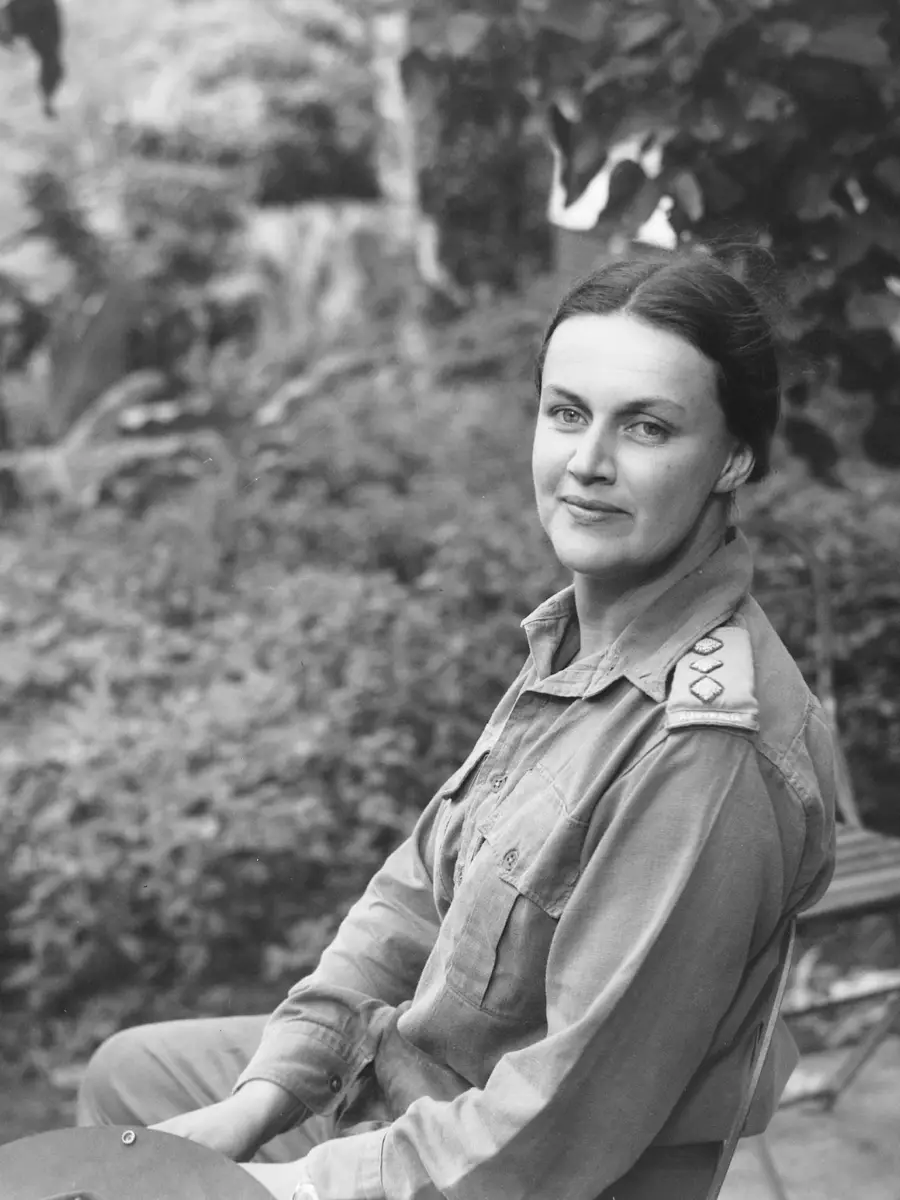
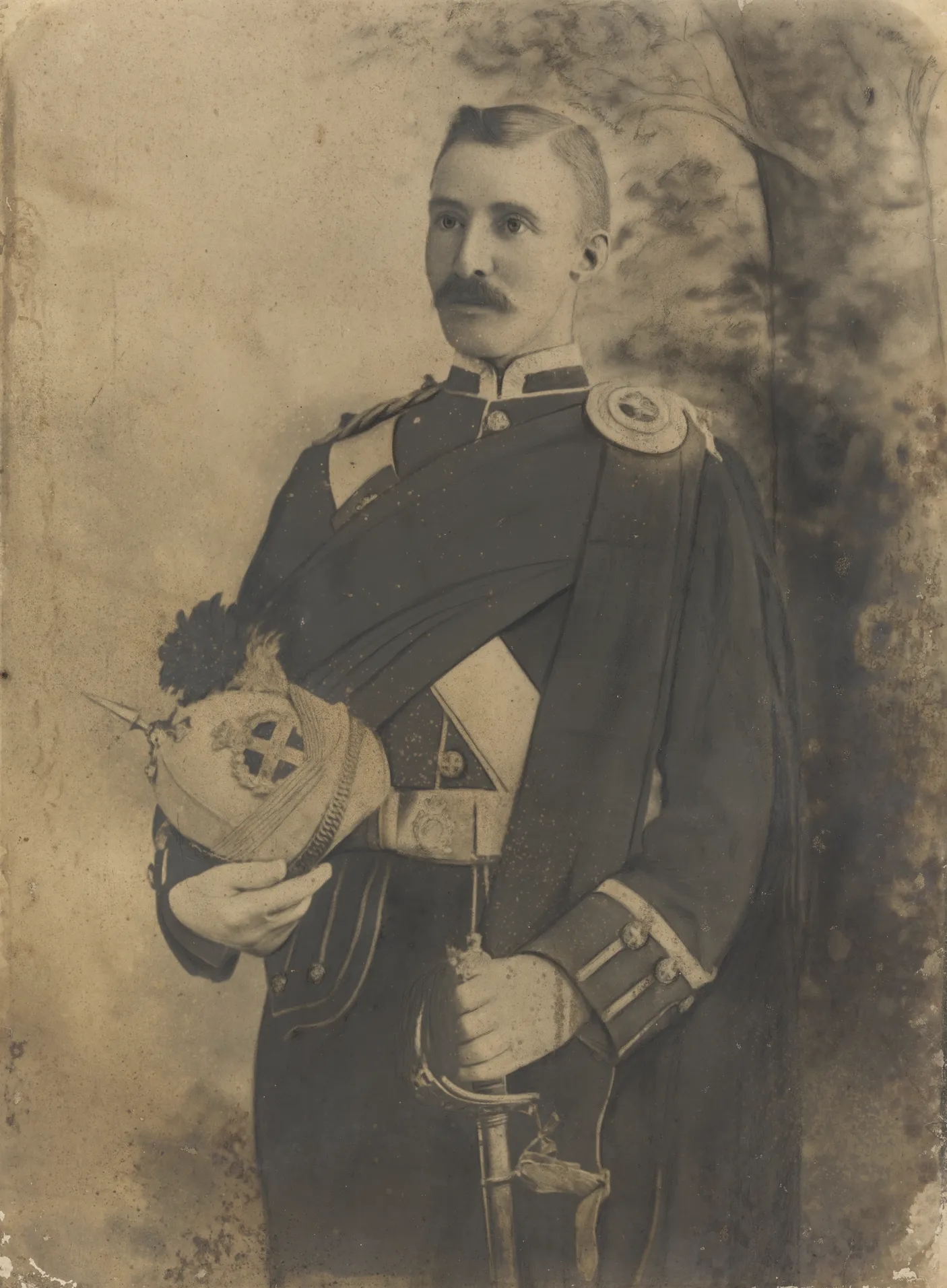
Studio portrait of Lieutenant (Lt) Gideon James Grieve, New South Wales Scottish Rifles.
Explore the collection of Lieutenant Gideon Grieve
- View Lieutenant (Lt) Gideon James Grieve's drinking fountain erected in his memory
- See Lieutenant Gideon Grieve's private record
- Look at Lieutenant Gideon James Grieve's pith helmet tin hat box
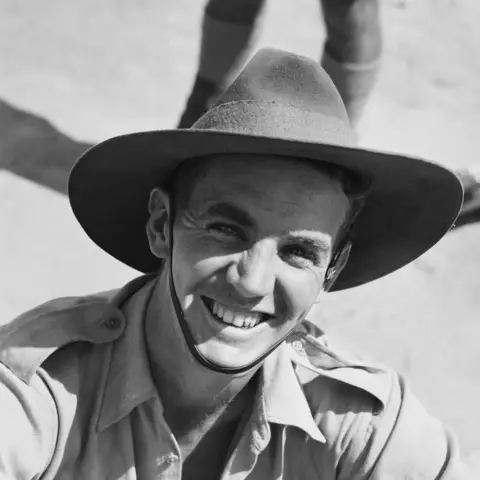
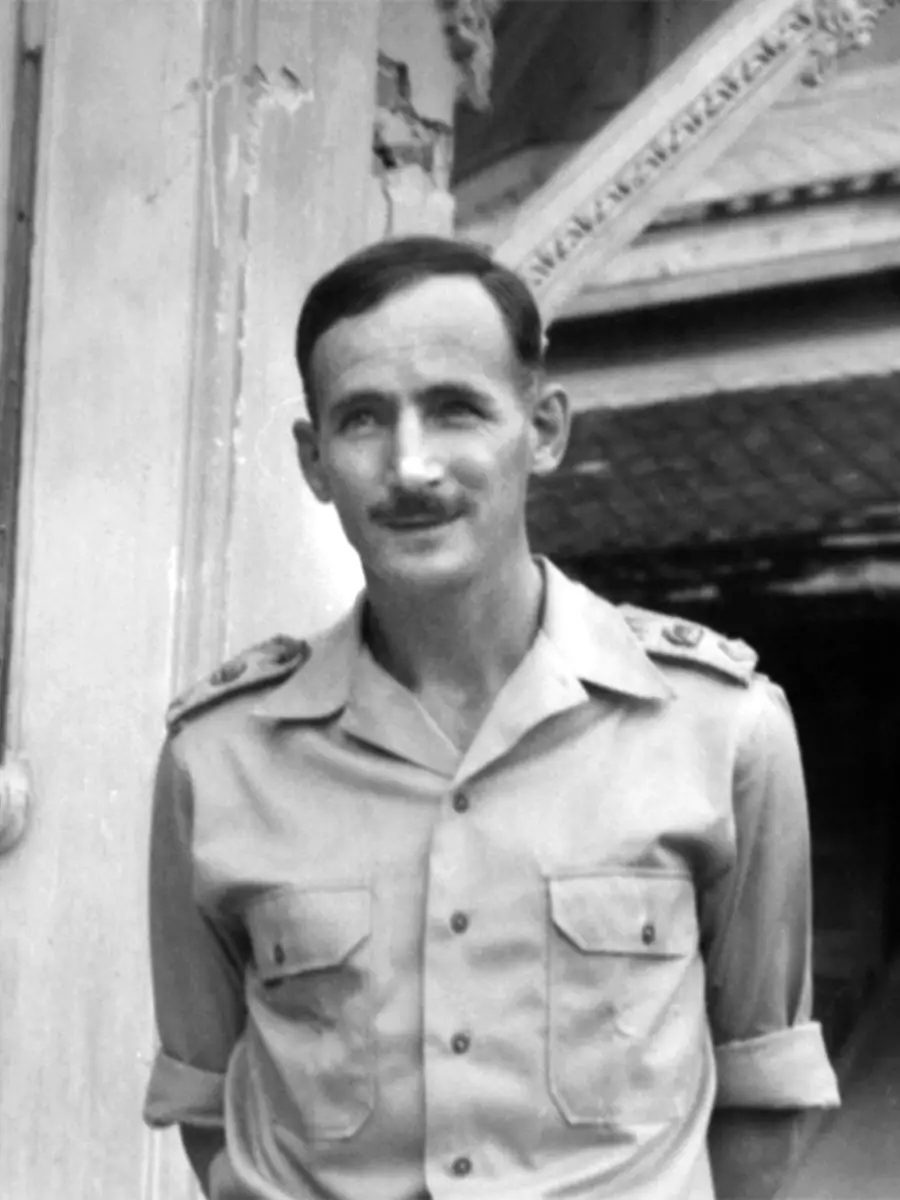
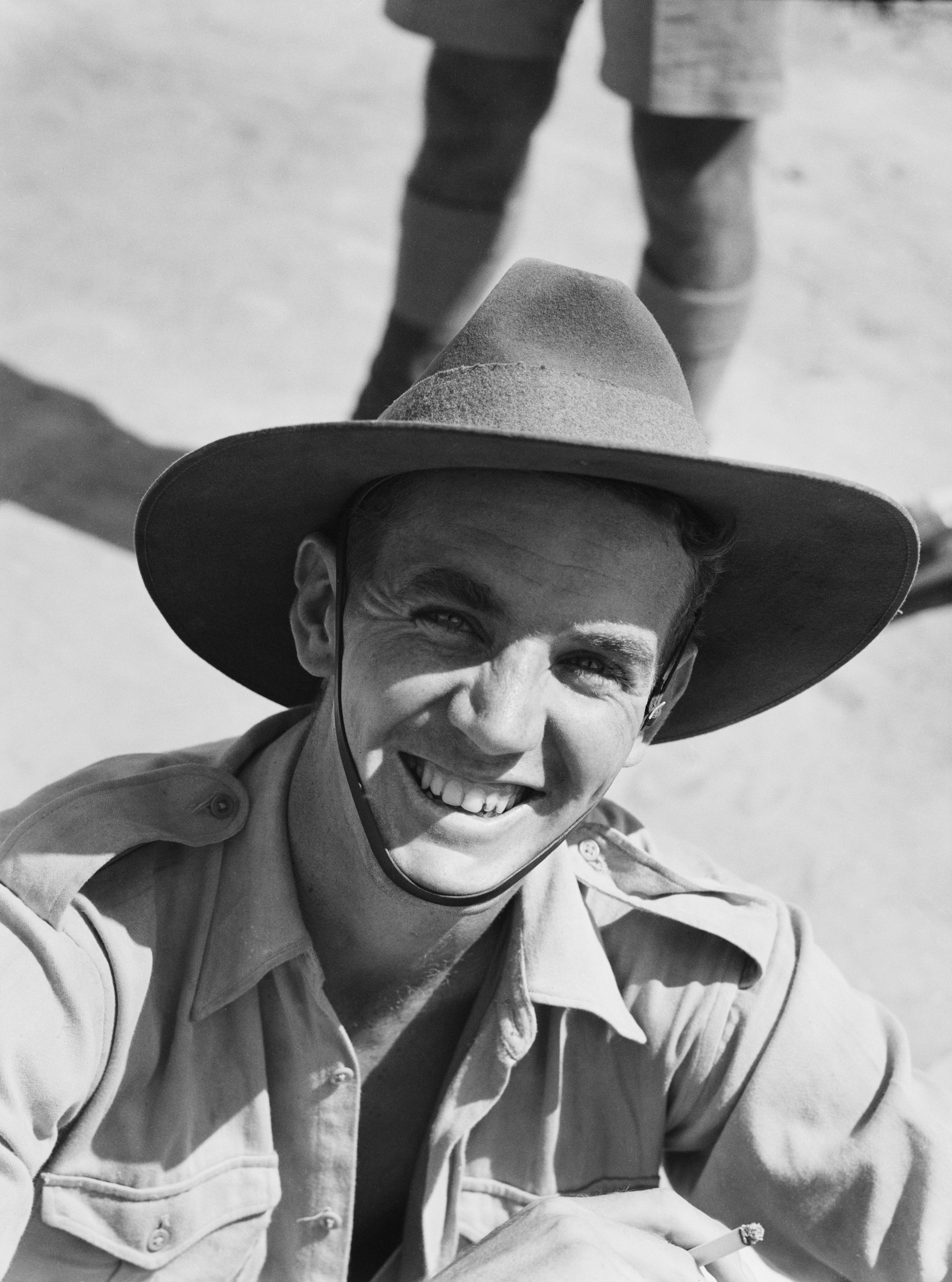
Sergeant D. G. Healey of Wagga, NSW, 2/4th Battalion
Explore the collection of Lieutenant Donald Graham Healy MC
- See Lieutenant Donald Healy's military cross
- See photos of Lieutenant Donald Healy:
Voices
- Cameron Ross
Acting Curator, Military Heraldry and Technology, Australian War Memorial - Captain Hugh Dalby
9th Battalion officer, Second World War veteran - Dr Karl James
Head, Military History Section, Australian War Memorial - Lenny Preston
Sound/Production Operator, Photo, Film and Sound, Australian War Memorial - Anthony Fitzgerald
Admin Collections Assistant, Photo, Film and Sound, Australian War Memorial

About the host
John Barrington
John is the host of Through Their Eyes. Drawing on his experience presenting and reporting for 3RRR Melbourne, Good Shout Stories, triple j HACK, ABC Radio and The Project, he brings a fresh perspective to Australian War Memorial storytelling, connecting you with the people and experiences behind Australia’s military history, inspired by his father's Second World War service. As your guide through the podcast, John helps reveal the human stories and overlooked perspectives, making history accessible and relevant.