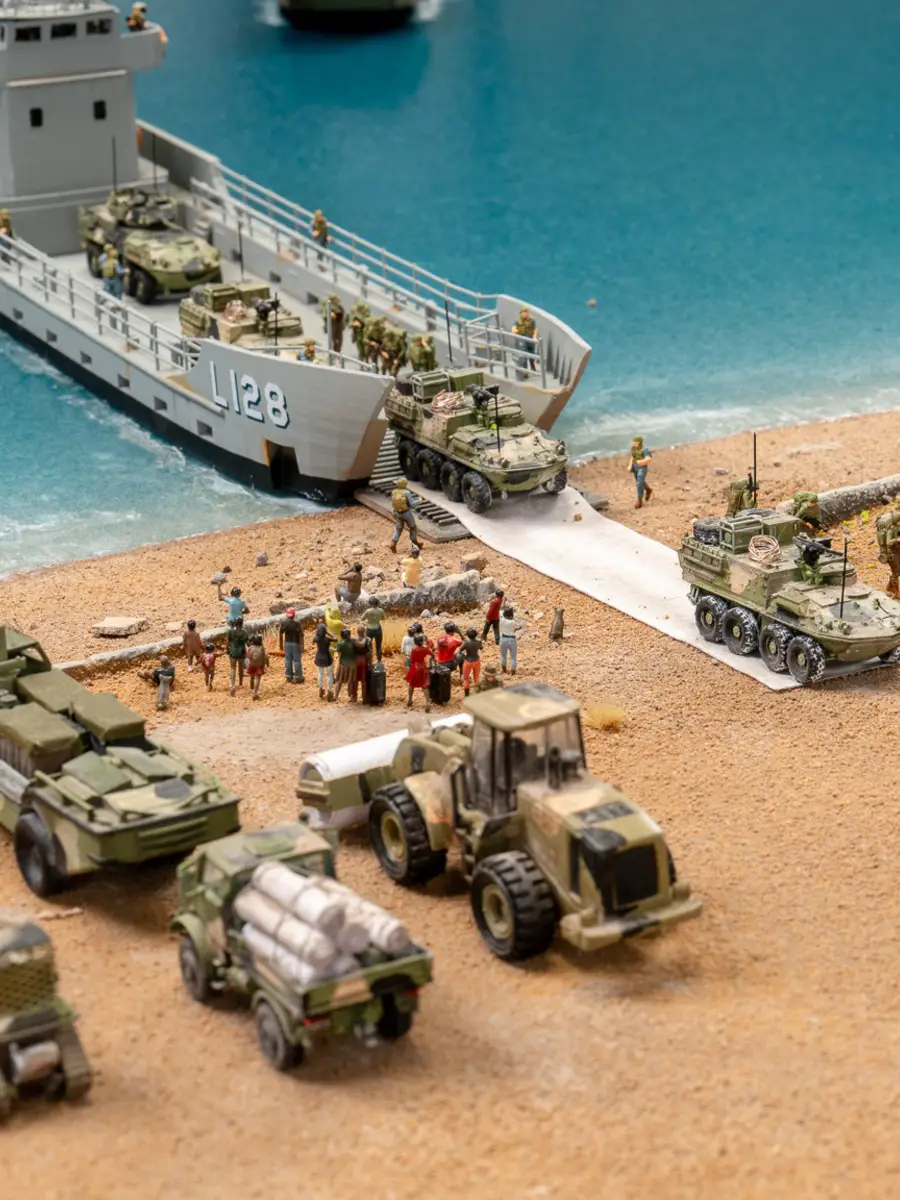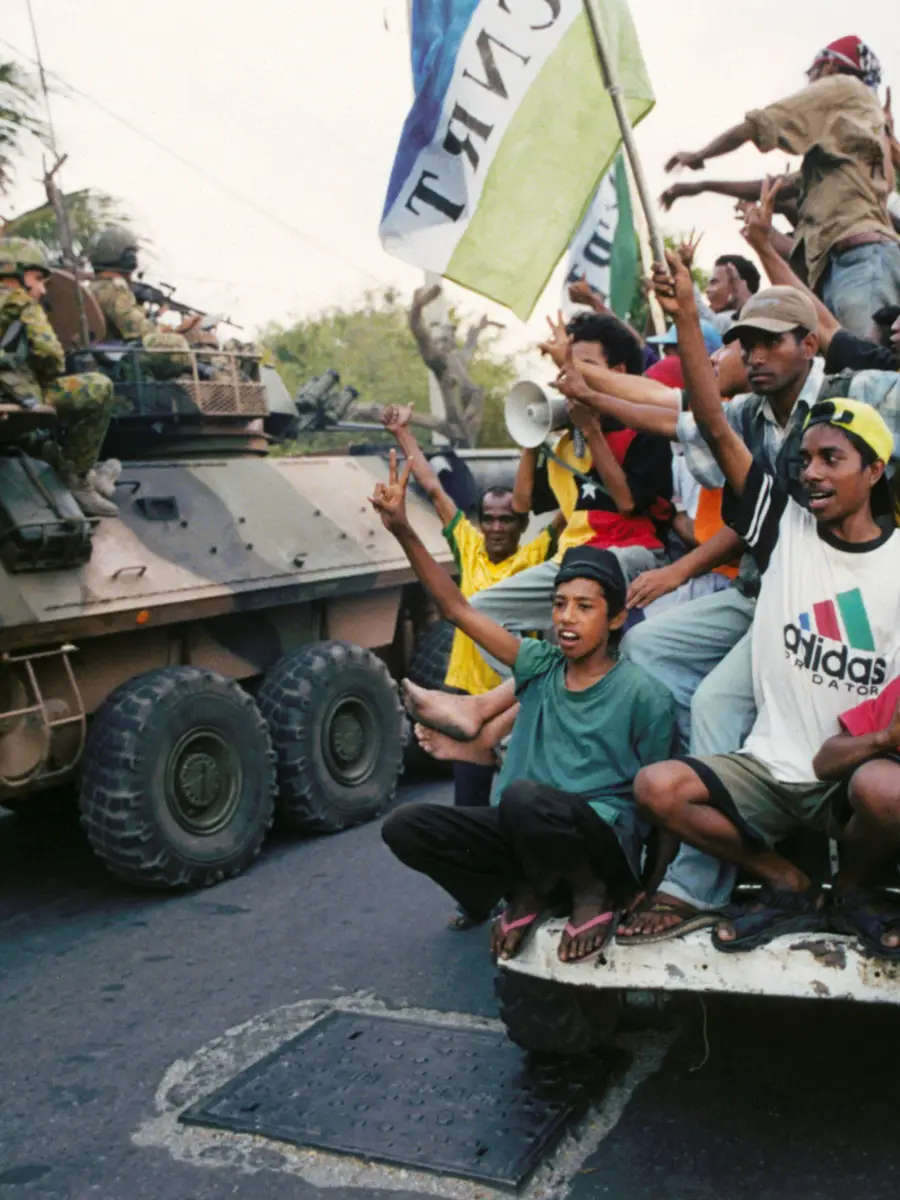
Australian peacekeeping in East Timor from 1999 was preceded by a tumultuous civil war and struggle for independence after the Indonesian invasion in 1975.
The Timorese people fought a protracted guerilla war during the 24-year occupation, during which an estimated 100,000 died.
The Memorial’s new peacekeeping gallery depicts not only Australia’s peacekeeping efforts to achieve peace and stability in Timor-Leste, but the story of the Timorese people’s efforts to keep their culture, traditions and dreams of independence alive.
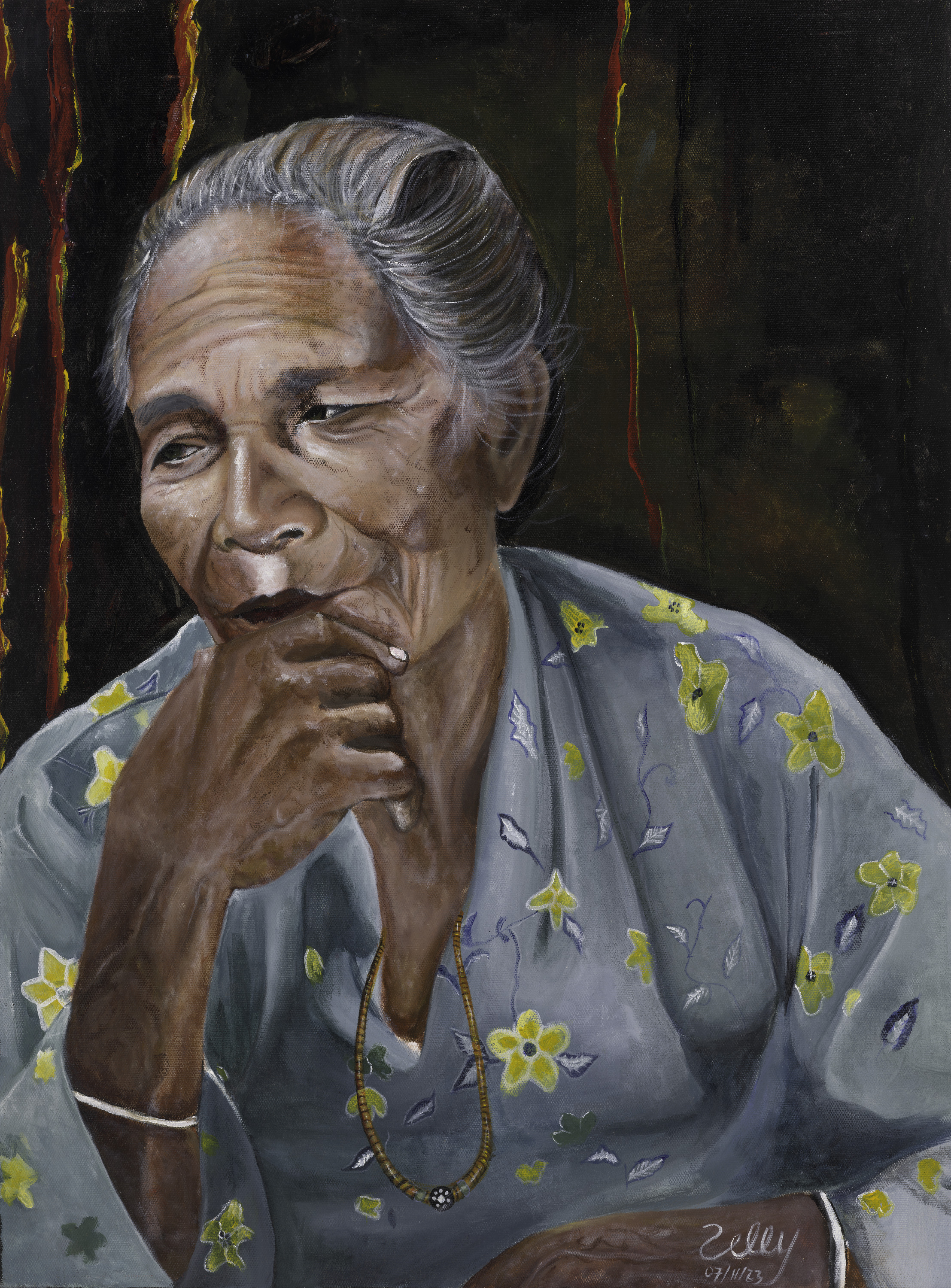
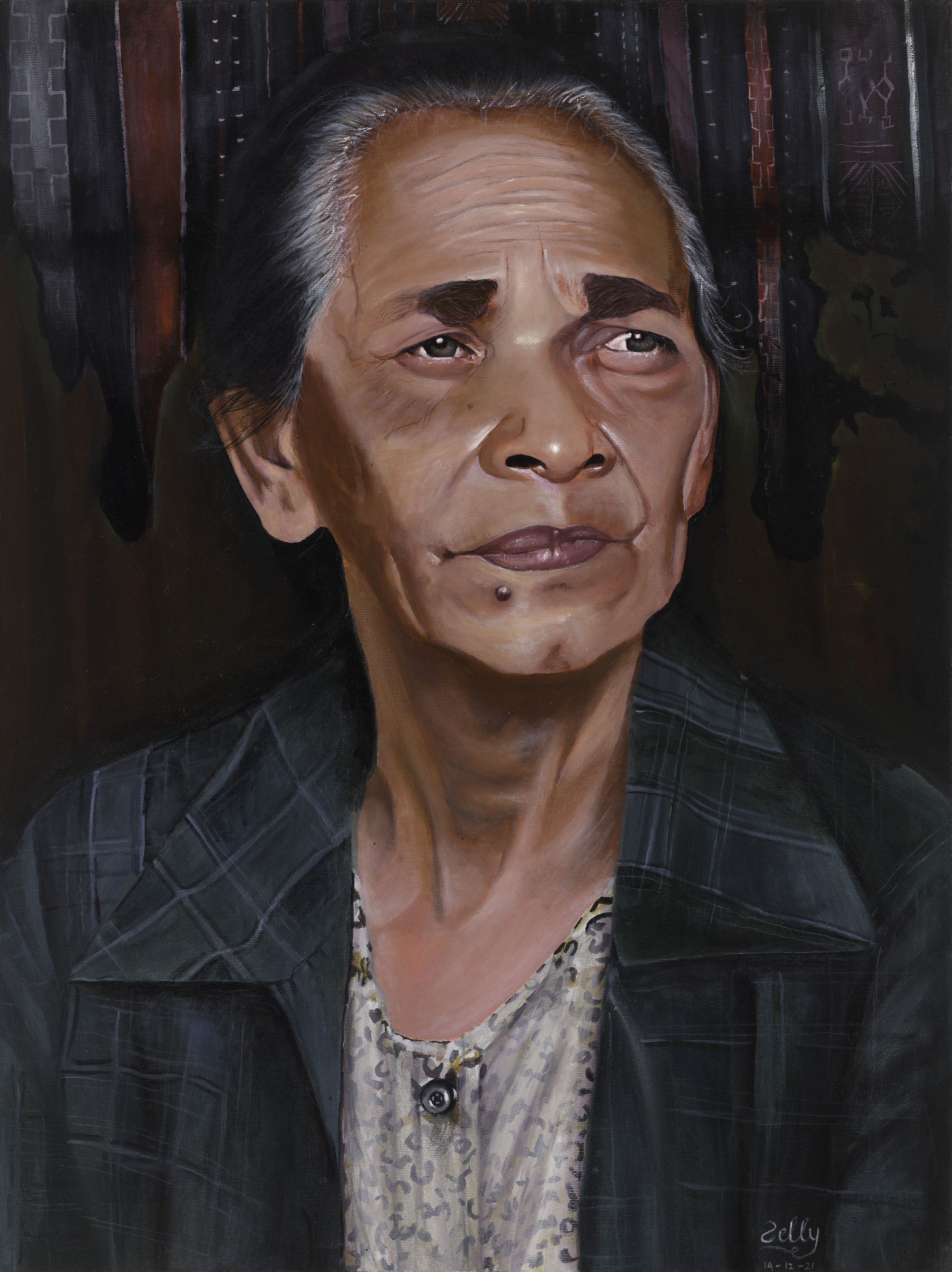
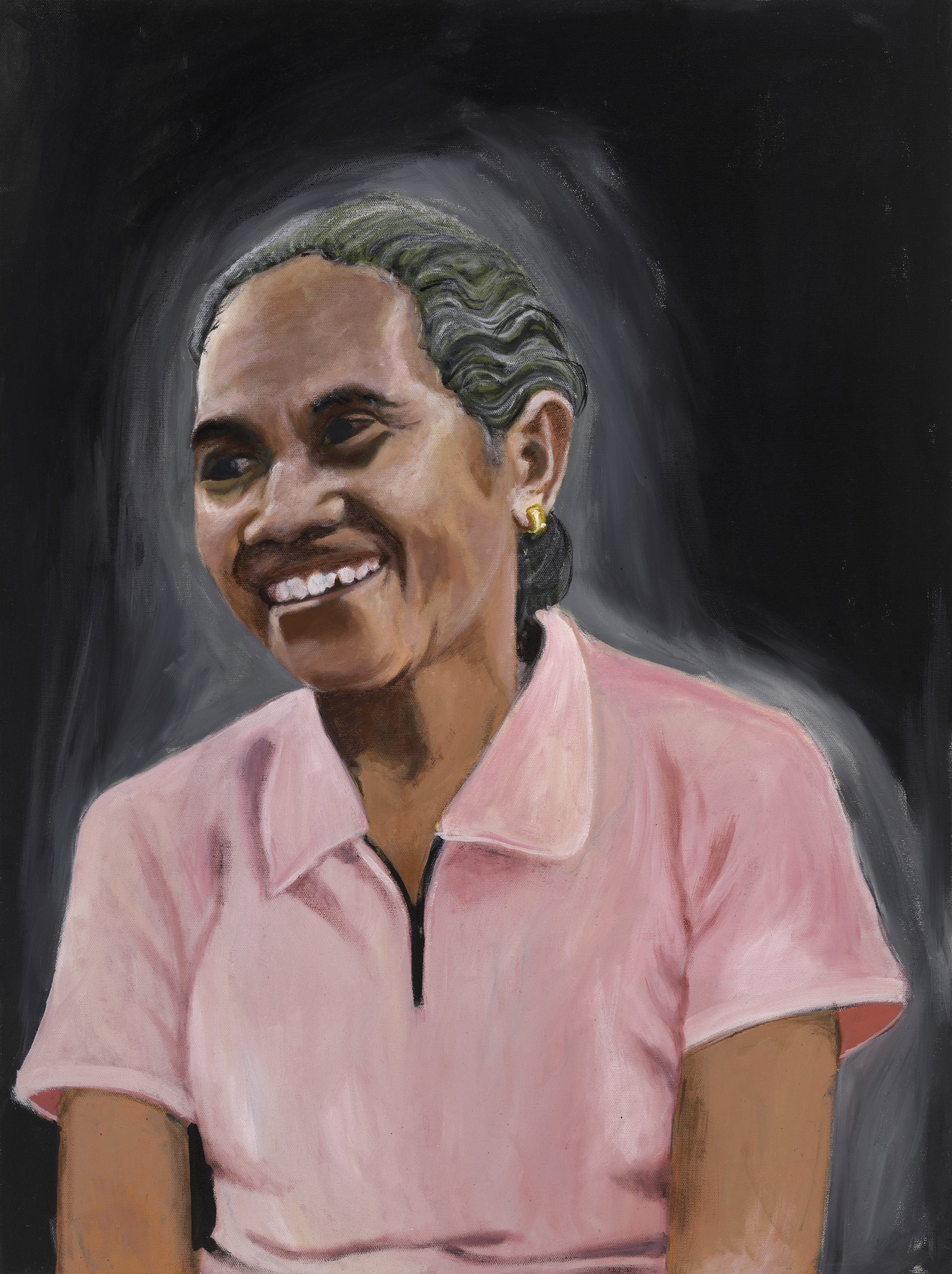
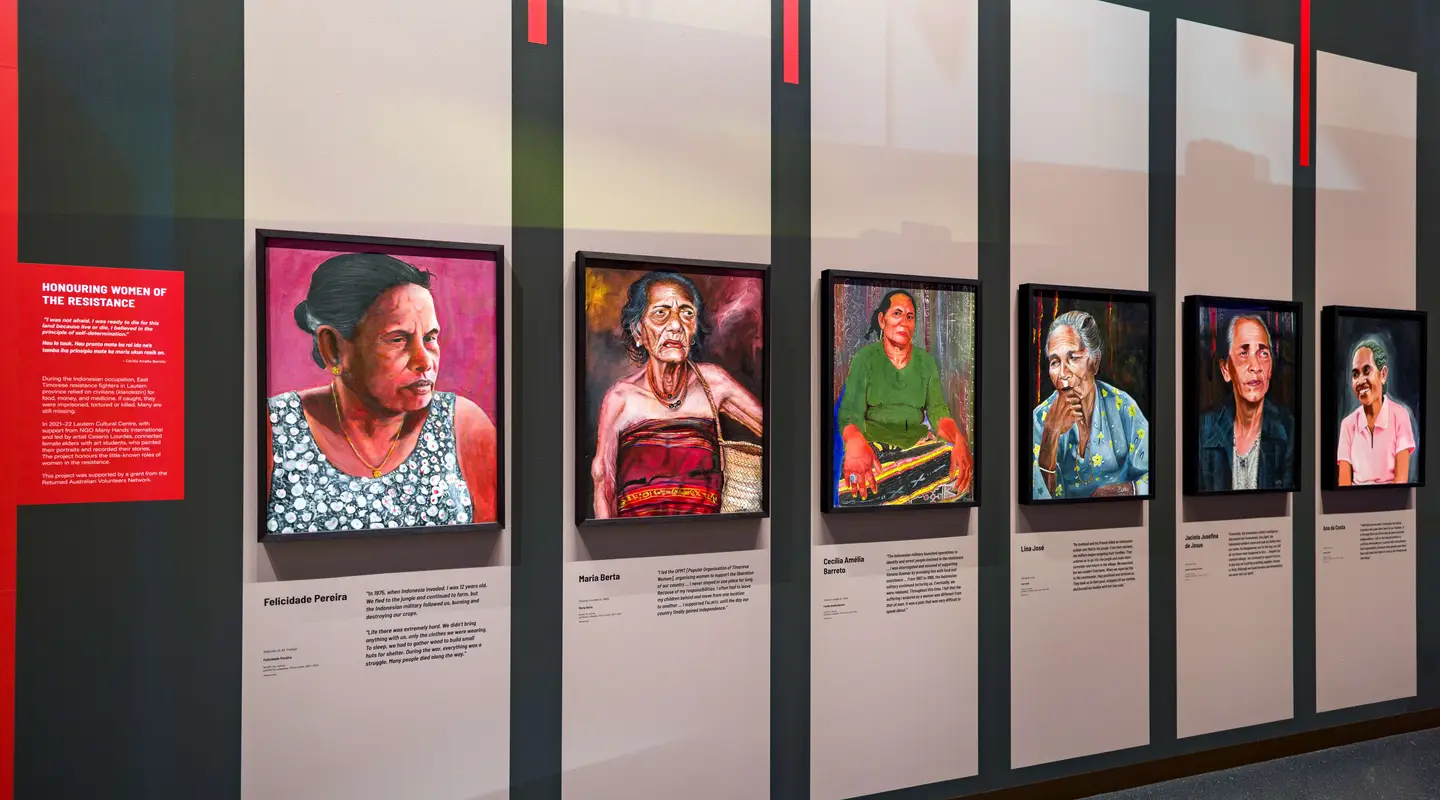
This resilience and courage are revealed through the stories of inspiring Timorese women, who risked their lives to support the ideal of a free, independent East Timor. Working with partners engaged in documenting and safeguarding cultural traditions and intangible heritage in Timor-Leste, the Memorial has acquired a series of portraits documenting the little-known contributions of Timorese women in supporting the resistance to occupation.
A selection of these portraits are currently on display in the new Australian Peacekeeping: 1947–today exhibition.
Keeping stories of courage alive
Many Hands International is an organisation that worked extensively with the community in the Lautem region of Timor-Leste to preserve cultural traditions that were almost lost through decades of occupation and conflict.
From 2021, with the Lautem Cultural Centre and artist Cesario Lourdes, they recorded the stories of female elders who had assisted East Timorese resistance fighters during the Indonesian occupation. Risking imprisonment, torture or death, they provided food, money and medicine to support the resistance. The elders worked with students, who painted their portraits and recorded their stories.
Watch artist Cesario Lourdes's interview
“I was not afraid. I was ready to die for this land because live or die, I believed in the principle of self-determination.”
Hau la tauk. Hau pronto mate ba rai ida ne’e tamba iha prinsipiu mate ka moris ukun rasik an.
Cecília Amélia Barreto
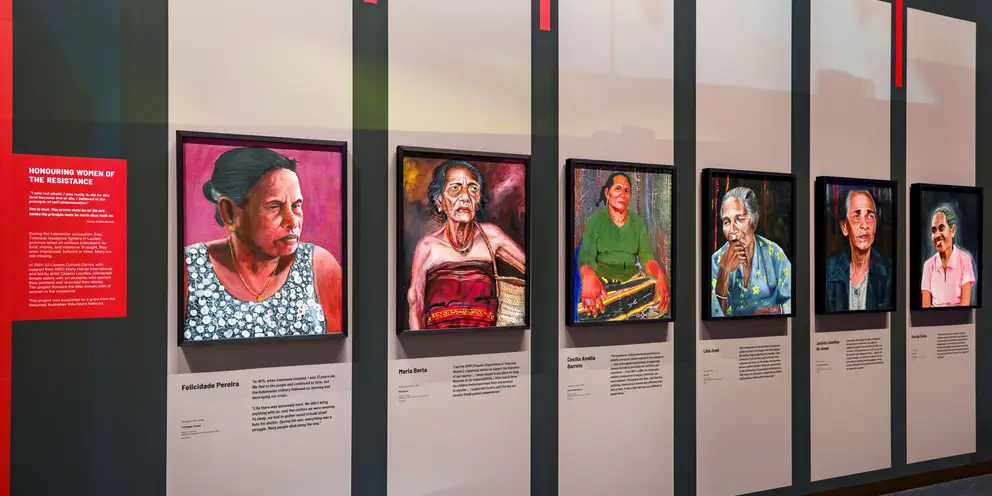
Portraits of Timorese women who supported the resistance against Indonesian occupation. Photographer: Marcus Fillinger. AWM2024.1138
The experiences of women in the resistance had not previously been recorded, and had attracted little recognition in Timor-Leste. The project addresses the absence of women’s perspectives in creative responses and documented histories covering this period. The creation of these portraits, and the process of documenting these women’s stories, has brought to light the experiences and contributions of Timorese women, offering acknowledgement for their role in a story of national significance in Timor-Leste.
The portraits
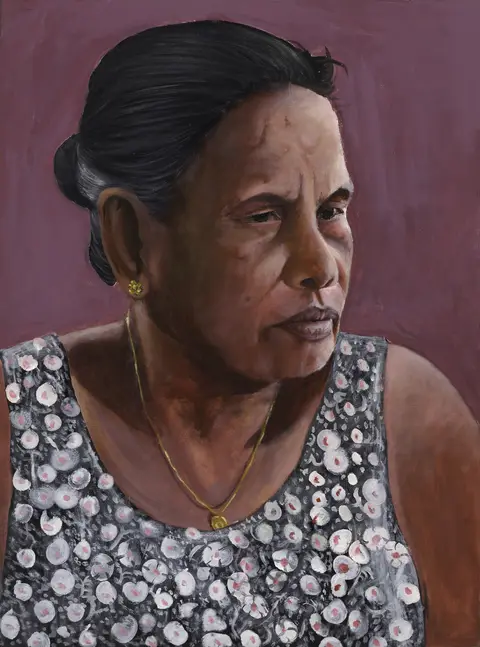
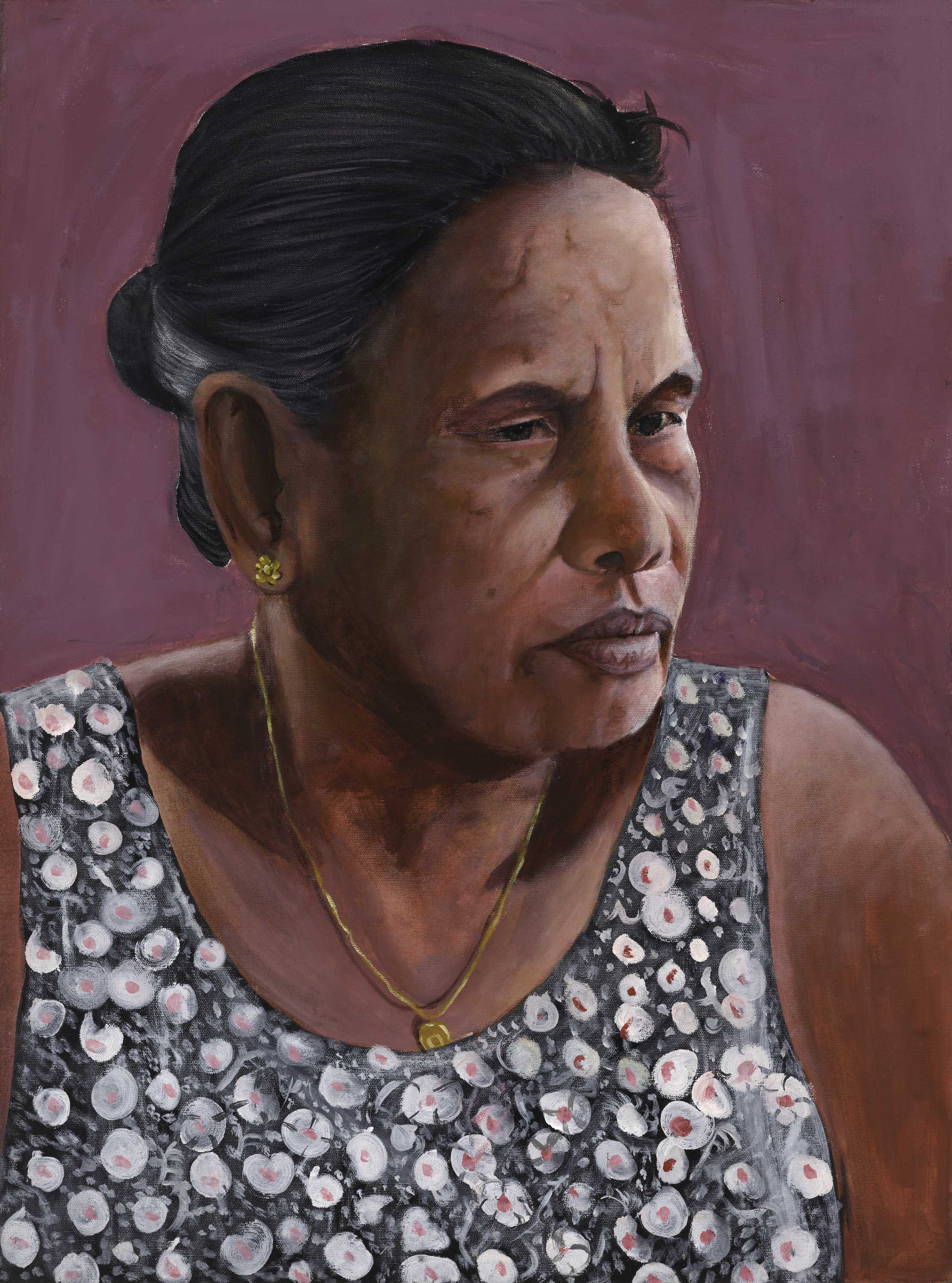
Alfionito D. M. Freitas, Felicidade Pereira, painted in Lospalos, Timor-Leste, 2021–2022, acrylic on canvas. AWM2024.1138.13
Felicidade Pereira
“In 1975, when Indonesia invaded, I was 12 years old. We fled to the jungle and continued to farm, but the Indonesian military followed us, burning and destroying our crops.
“Life there was extremely hard. We didn’t bring anything with us, only the clothes we were wearing. To sleep, we had to gather wood to build small huts for shelter. During the war, everything was a struggle. Many people died along the way.”
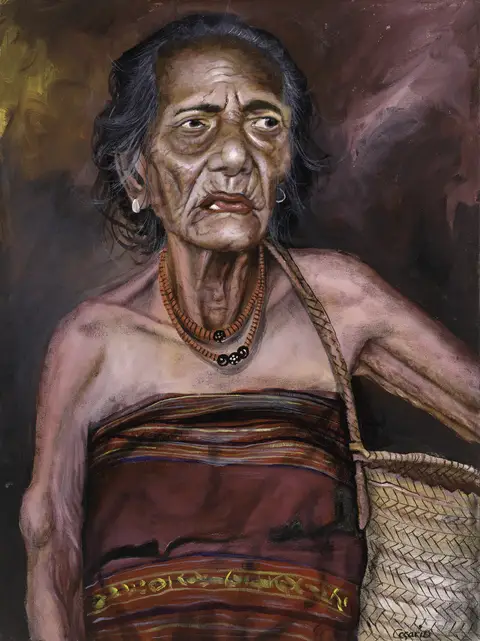
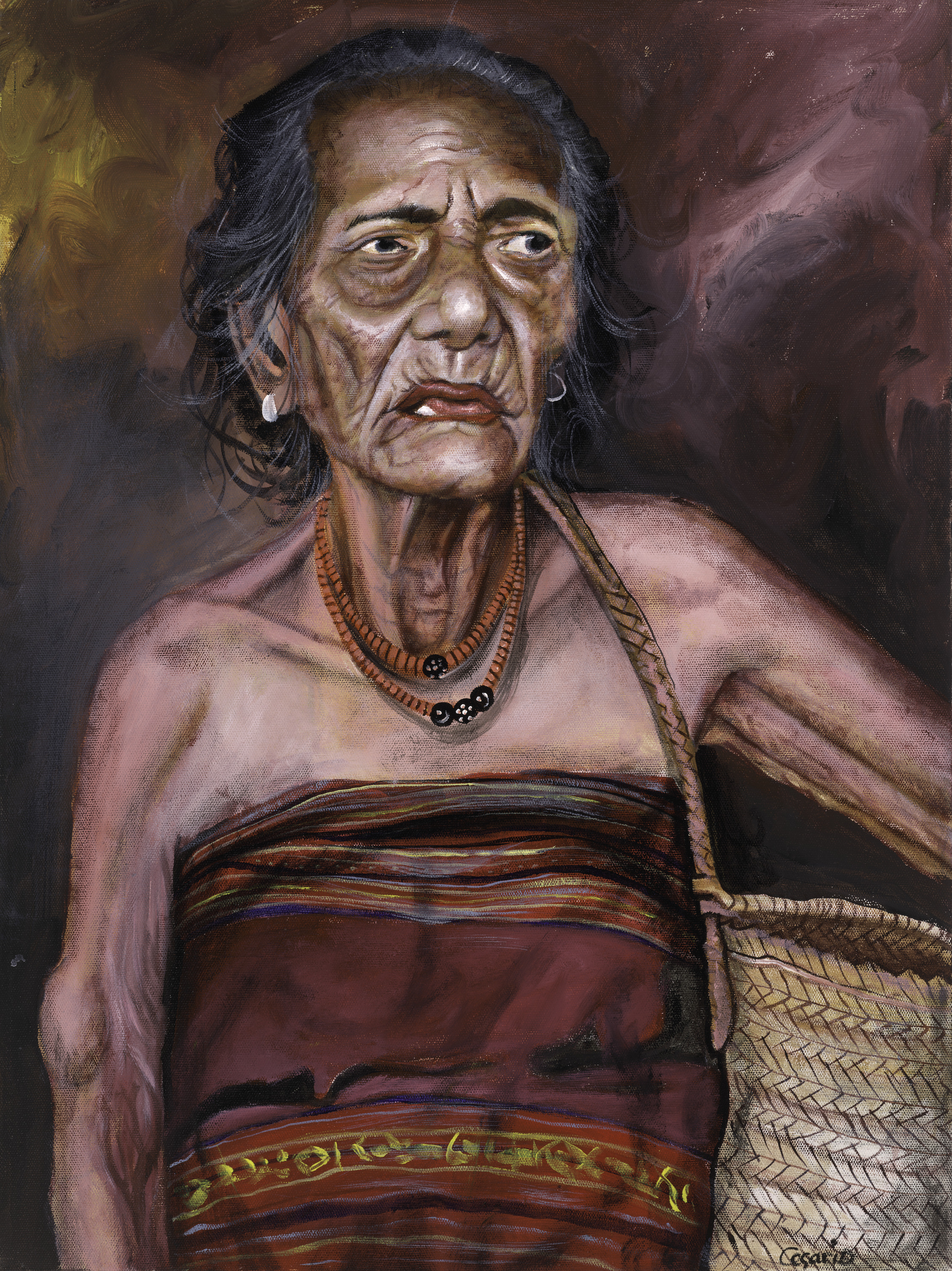
Cesario Lourdes (b. 1983), Maria Berta, painted in Lospalos, Timor-Leste, 2021–2022, acrylic on canvas. AWM2024.1138.12
Maria Berta
“I led the OPMT [Popular Organisation of Timorese Women], organising women to support the liberation of our country … I never stayed in one place for long. Because of my responsibilities, I often had to leave my children behind and move from one location to another ... I supported FALINTIL until the day our country finally gained independence.”
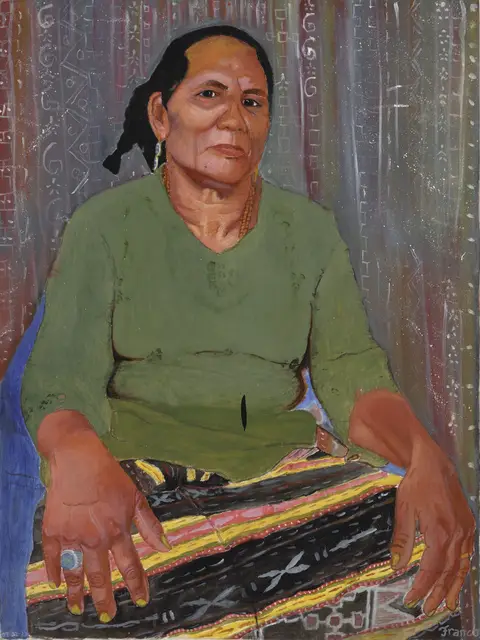
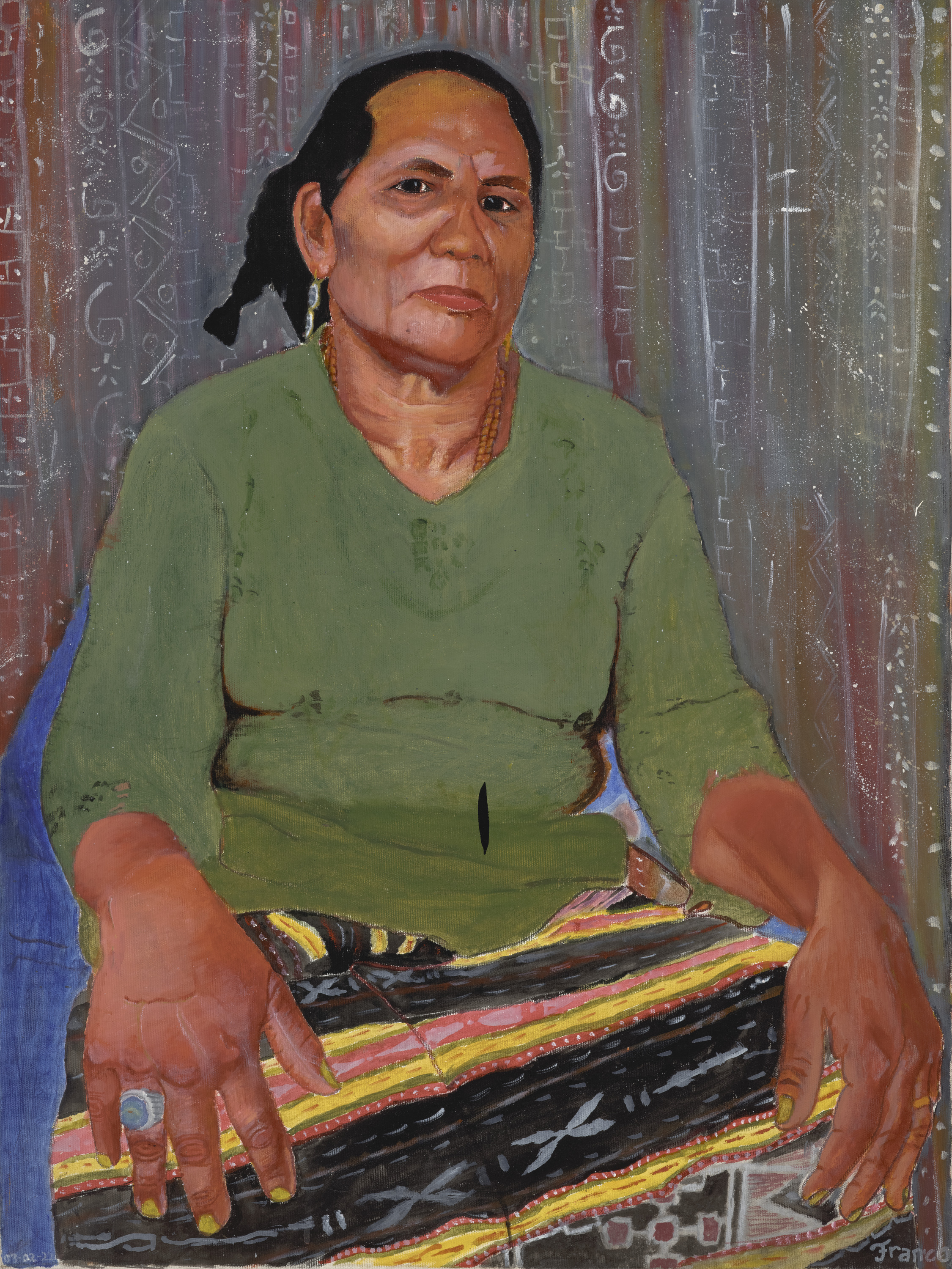
Cesario Lourdes (b. 1983), Cecília Amélia Barreto, painted in Lospalos, Timor-Leste, 2021-2022, acrylic on canvas. AWM2024.1138.14
Cecília Amélia Barreto
“The Indonesian military launched operations to identify and arrest people involved in the resistance ... I was interrogated and accused of supporting Xanana Gusmão by providing him with food and assistance … From 1983 to 1986, the Indonesian military continued torturing us. Eventually, we were released. Throughout this time, I felt that the suffering I endured as a woman was different from that of men. It was a pain that was very difficult to speak about.”
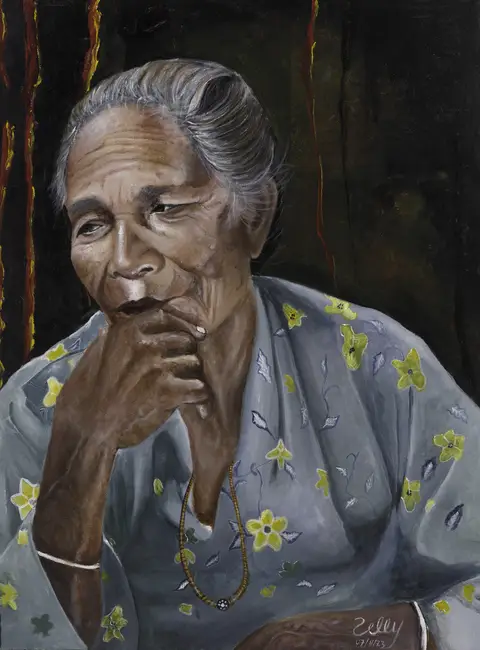
Zelindo da Costa, Lina José, painted in Lospalos, Timor-Leste, 2021–2022, acrylic on canvas. AWM2024.1138.2
Lina José
“My husband and his friends killed an Indonesian soldier and fled to the jungle. From that moment, the military began targeting their families. They ordered us to go into the jungle and make them surrender and return to the village. We searched, but we couldn’t find them. When we reported this to the commander, they punished and tortured us. They took us to their post, stripped off our clothes, and burned our bodies with hot iron rods.”
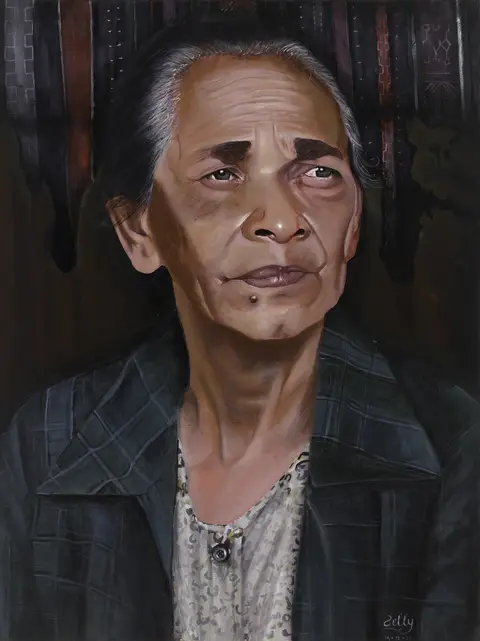
Zelindo da Costa, Jacinta Jusefina de Jesus, painted in Lospalos, Timor-Leste, 2021-2022, acrylic on canvas. AWM2024.1138.4
Jacinta Jusefina de Jesus
“Eventually, the Indonesian military intelligence discovered our involvement. One night, the Indonesian soldiers came and took my father from our home. He disappeared, and to this day, we still do not know what happened to him ... Despite the constant danger, we continued to support FALINTIL in any way we could by providing supplies, money, or food. Although we faced threats and intimidation, we never lost our spirit.”
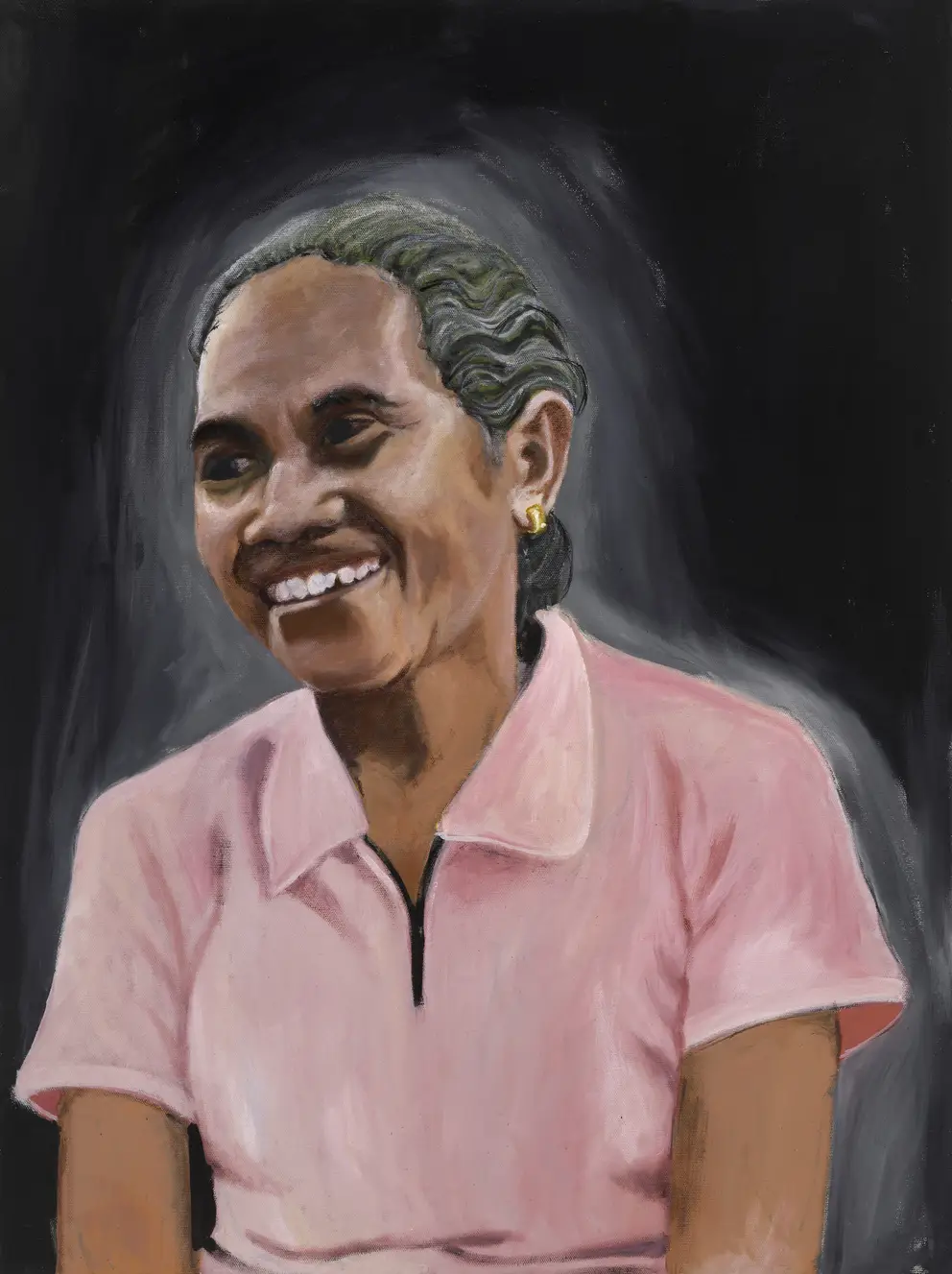
Zelindo da Costa, Ana da Costa, painted in Lospalos, Timor–Leste, 2021–2022, acrylic on canvas. AWM2024.1138.11
Ana da Costa
“I still feel sorrow when I remember the family members who gave their lives for our freedom. It is through their sacrifices that we have achieved independence. I call on the new generation to continue developing our country with commitment and responsibility, because many people gave their lives and shed their blood to secure the freedom we now enjoy.”